Department of Medicine
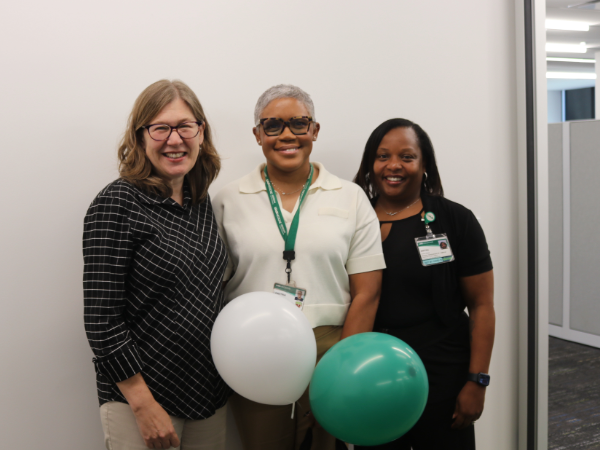
LaNeitria Head has spent 25 years building expertise in finance at UAB, but colleagues say it is her willingness to continually learn, lead, and support others that makes her truly stand out. Now a financial officer in the Division of General Internal Medicine and Population Science within the UAB Department of Medicine, Head has been recognized as the third quarter 2026 recipient of the DOM STAR Award for Staff Excellence.
UAB’s new Clinical Trialist Development Program (CTDP) has selected 24 Heersink applicants for its 2026-2027 cohort. The program will provide these candidates with training, mentorship, and salary support to lead industry-sponsored clinical trials. It will also supply them with a 20% protected time allowance, allowing them to dedicate more time to research.
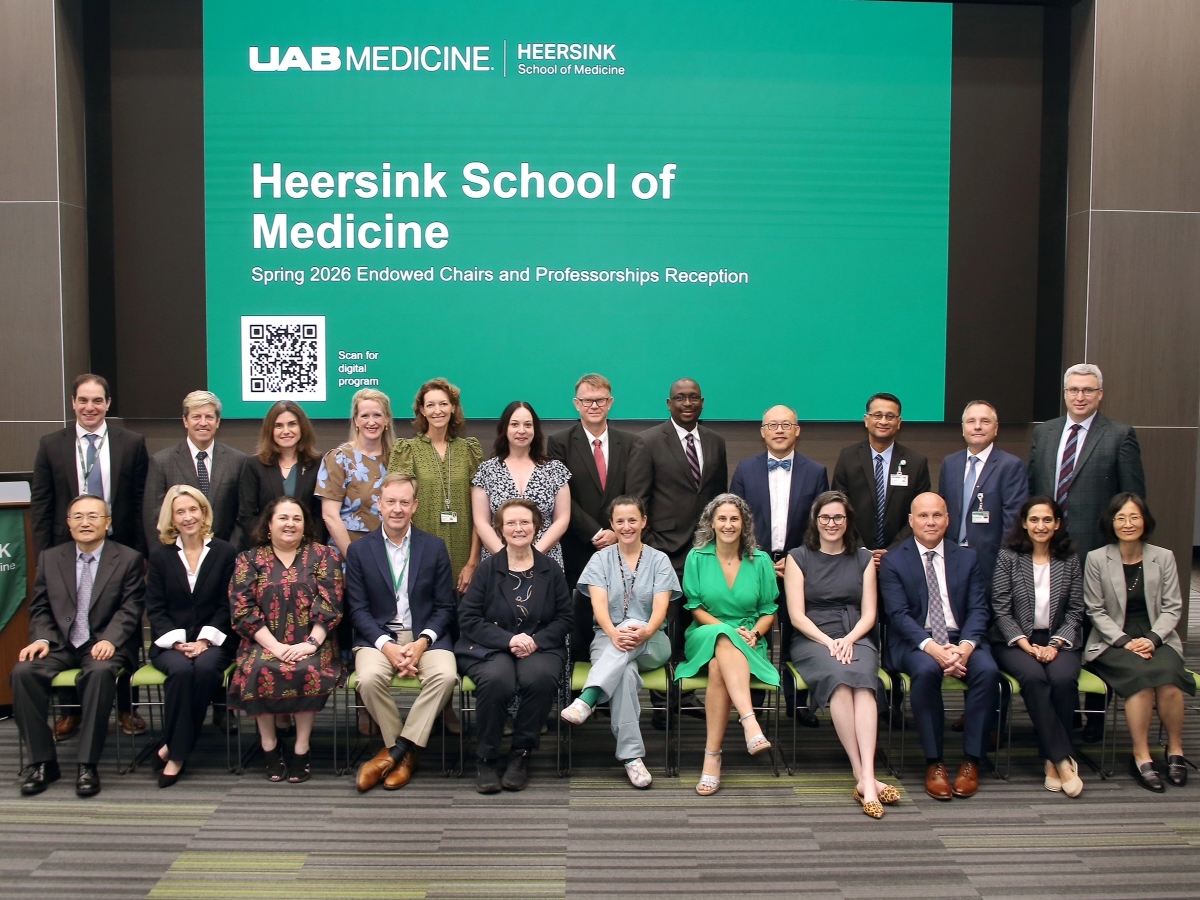
Twenty-three Heersink School of Medicine faculty were recognized Sept. 22 for their appointment to endowed chairs and professorships during a special reception.
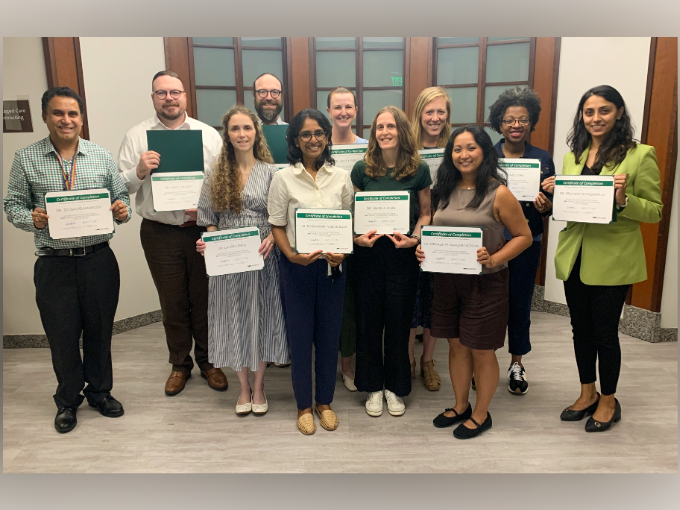
The UAB Medicine Leadership Development Office (LDO) recently recognized 11 individuals in its ninth cohort of its LEading, Advancing, Developing (LEAD) program. The fall 2026 graduates received their certificates on Sept. 3.
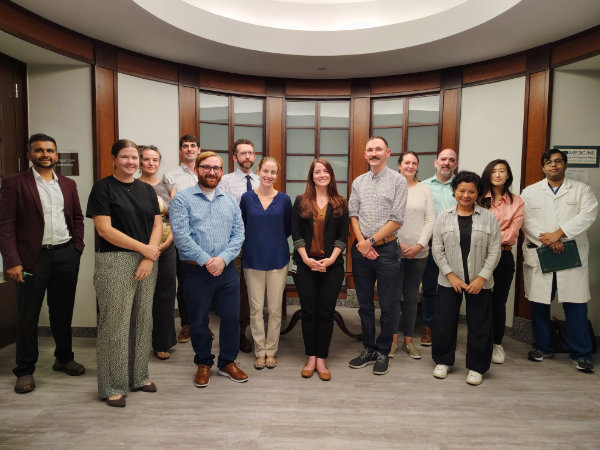
The UAB Medicine Leadership Development Office (LDO) recently recognized 14 individuals in its ninth cohort of Sharing Authentically to Inspire and Lead (SAIL). The fall 2026 graduates received their certificates on Sept. 1.
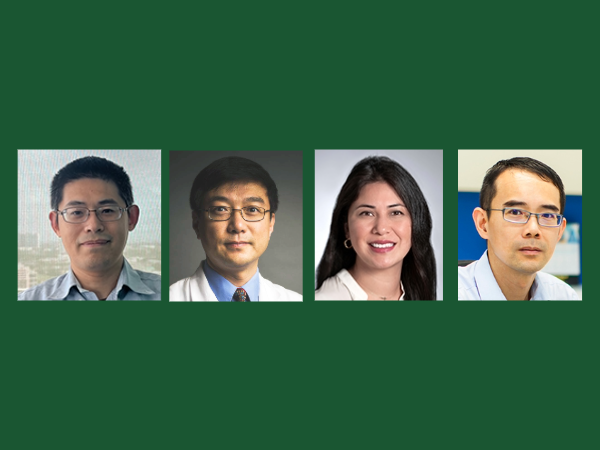
The UAB Comprehensive Diabetes Center (UCDC) has selected four recipients for its 2026 Seed Funding Program focused on Precision Diabetes.
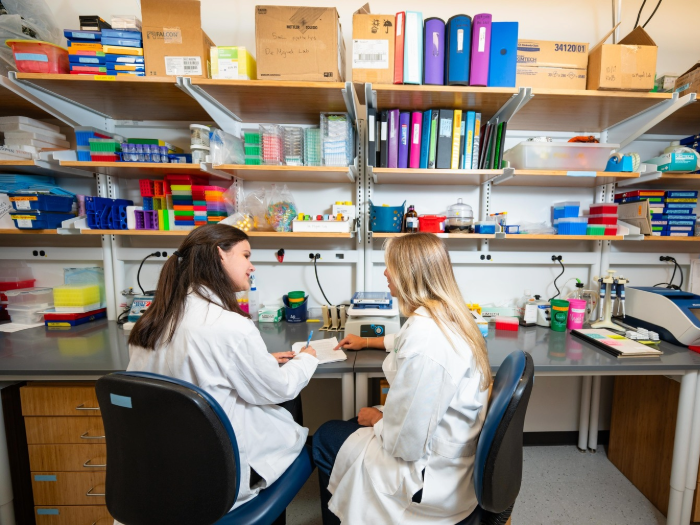
Between grant applications, manuscript revisions, and managing a research team, working as a scientist can be demanding. On top of these commitments, many researchers are also caring for young children, aging parents, partners, or family members with health challenges. These competing demands can jeopardize years of progress, interrupting research during a narrow and consequential period for publishing, generating preliminary data, and competing for independent funding. The UAB Heersink School of Medicine Caregiving Affected Early-Career Research Scientists (CARES) Intramural Funding Program is helping early-career researchers stay on track by providing “extra hands.”
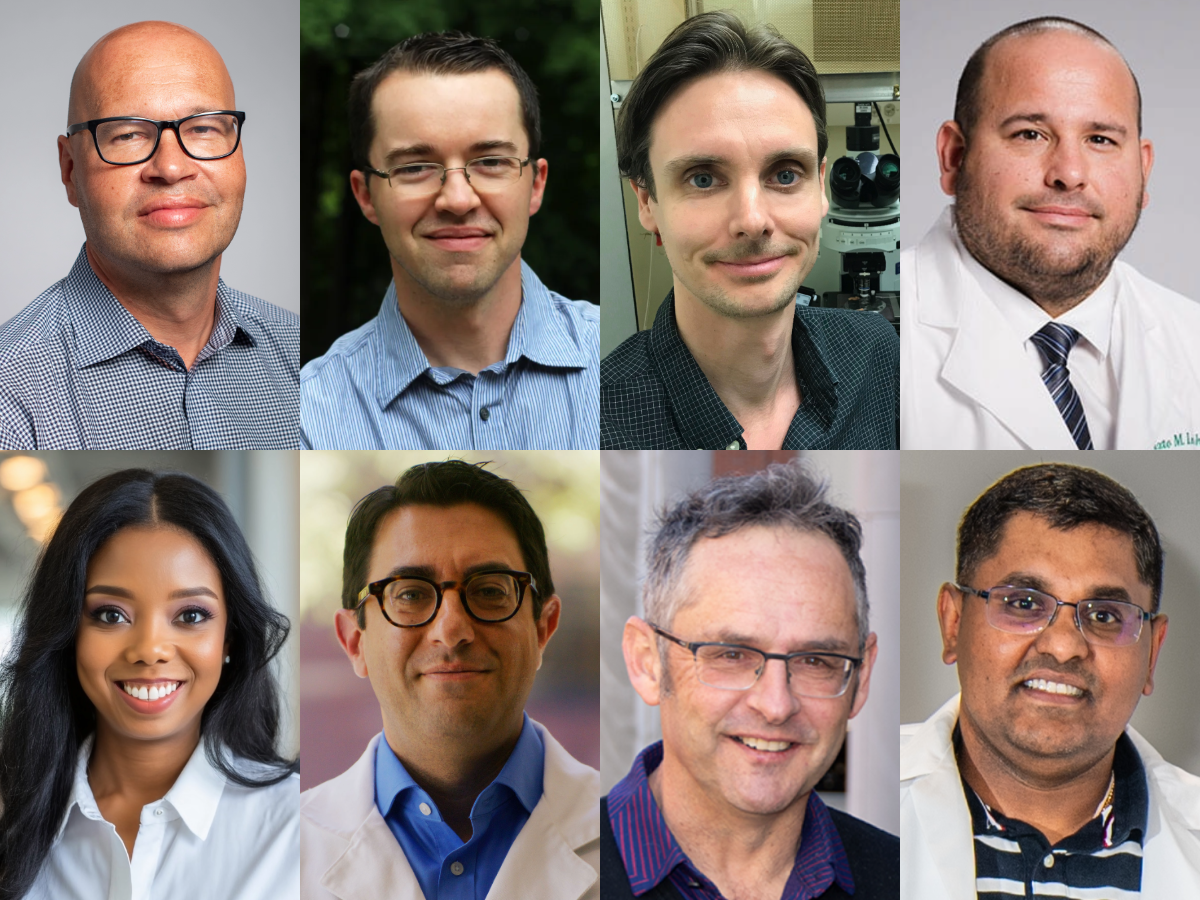
Eight research teams have been selected as the inaugural recipients of the Heersink School of Medicine’s Team Science Grant Program. The funded teams will tackle a wide range of health challenges while laying the groundwork for future large-scale research initiatives.

Hospital-acquired infections can lead to serious illness or death, especially in patients with weakened immune systems or other critical medical conditions. Clostridioides difficile, or C. diff, is a serious gastrointestinal infection that can progress rapidly and, in severe cases, lead to life-threatening complications if not recognized and treated. Diagnosis remains challenging because many individuals carry C. diff in their gastrointestinal tract without developing disease, known as colonization. Current diagnostic tests are imperfect and may either fail to identify patients with true infection or detect C. diff in individuals with colonized bacteria.
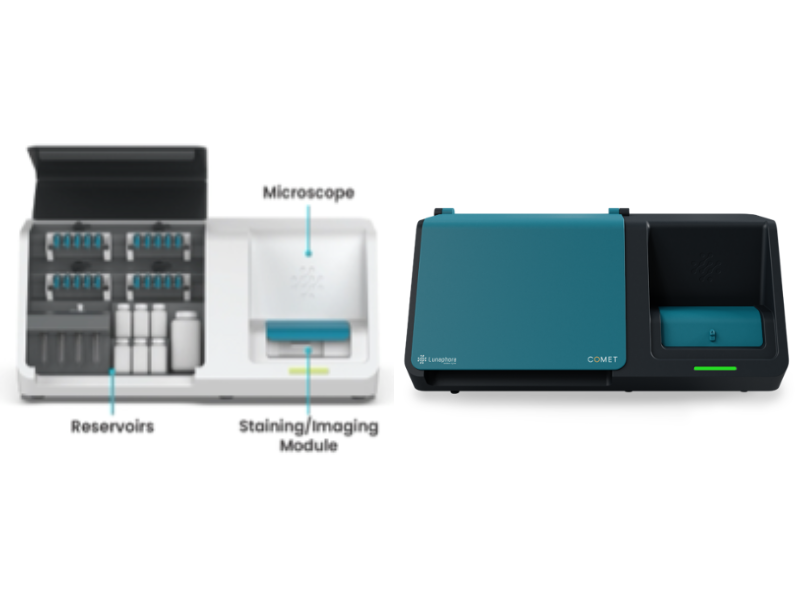
In 2023, UAB obtained a Lunaphore COMET™ platform, which assists researchers in the examination of many proteins and mRNA transcripts on histological tissues. The investment in this technology was made by the O'Neal Comprehensive Cancer Center at UAB and the Heersink School of Medicine Immunology Institute and I-4ward research focus area.
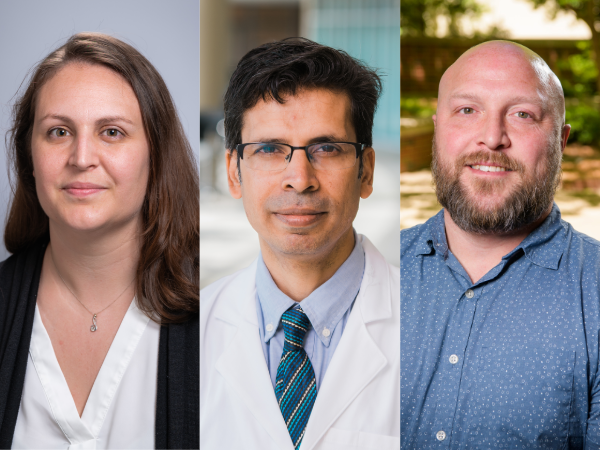
The Southeastern Biosafety Laboratory Alabama Birmingham (SEBLAB) at UAB is one of 12 Regional Biocontainment Laboratories funded by the National Institute of Allergy and Infectious Disease. The SEBLAB serves as a catalyst for scientific and translational discovery on biodefense and emerging infectious diseases, and aims to protect the United States from biothreats, emphasizing biodefense by supporting research for new therapeutics and diagnostics for emerging infections, and ensuring surge capacity during public health crises.
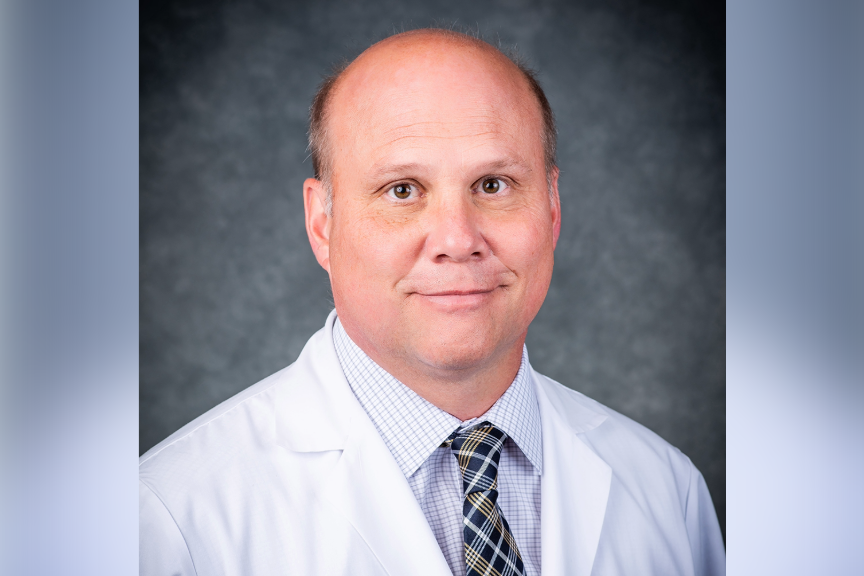
Following decades of transformative leadership and outstanding contributions from Craig Hoesley, M.D., the UAB Marnix E. Heersink School of Medicine will soon begin a national search for the next leader to advance the medical education mission as senior associate dean for medical education and chair of the Department of Medical Education.
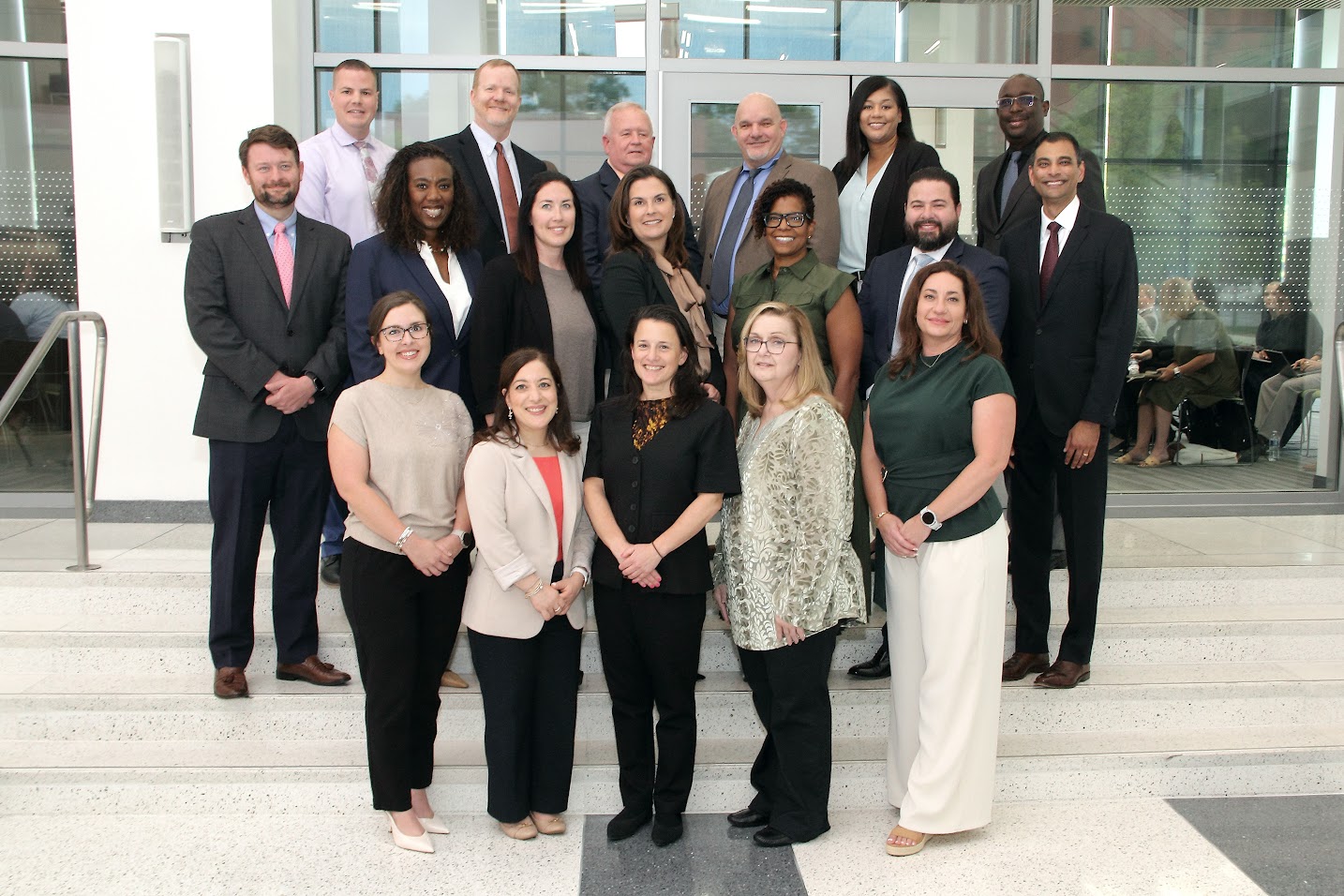
UAB Medicine's Leadership Development Office celebrated the graduation of 18 healthcare leaders from its 12th cohort of the Institute for Leadership during a ceremony held June 24 at the Heersink Conference Center Lobby.
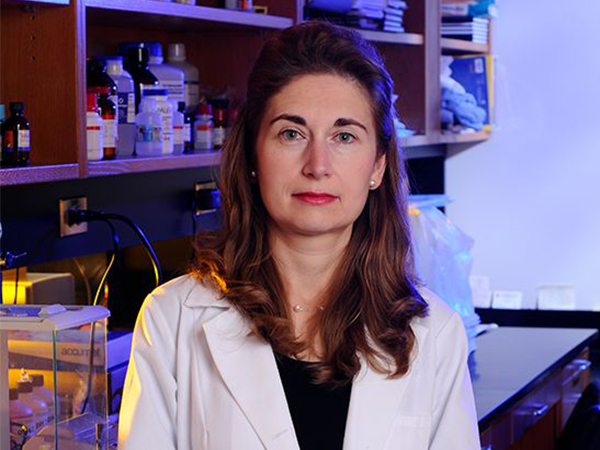
The University of Alabama at Birmingham startup TIXiMED Inc. has launched the next phase of clinical testing for a novel oral therapy for Type 1 diabetes, moving the treatment one step closer to potential use in patients.
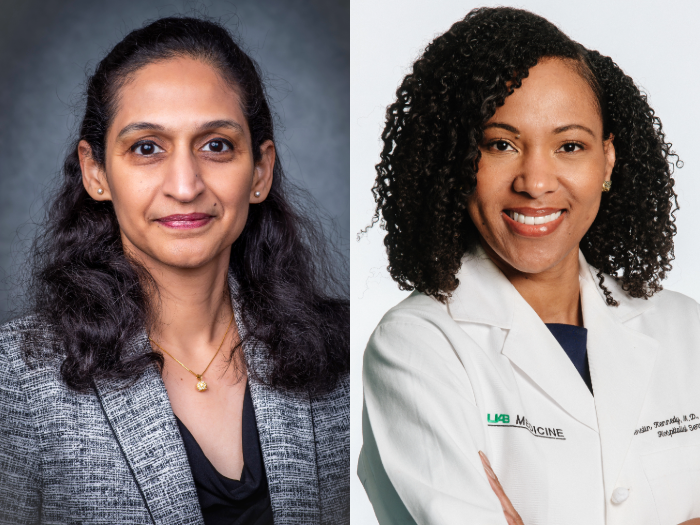
Two Heersink School of Medicine faculty members have graduated from prestigious medicine leadership fellowship programs offered by Drexel University College of Medicine. Lalita Shevde-Samant, Ph.D., professor in the Department of Pathology, has graduated from the Hedwig van Ameringen Executive Leadership in Academic Medicine (ELAM) program. Kierstin Kennedy, M.D., MSHA, professor in the Division of General Internal Medicine and Population Science, has graduated from the Executive Leadership in Healthcare (ELH) program.
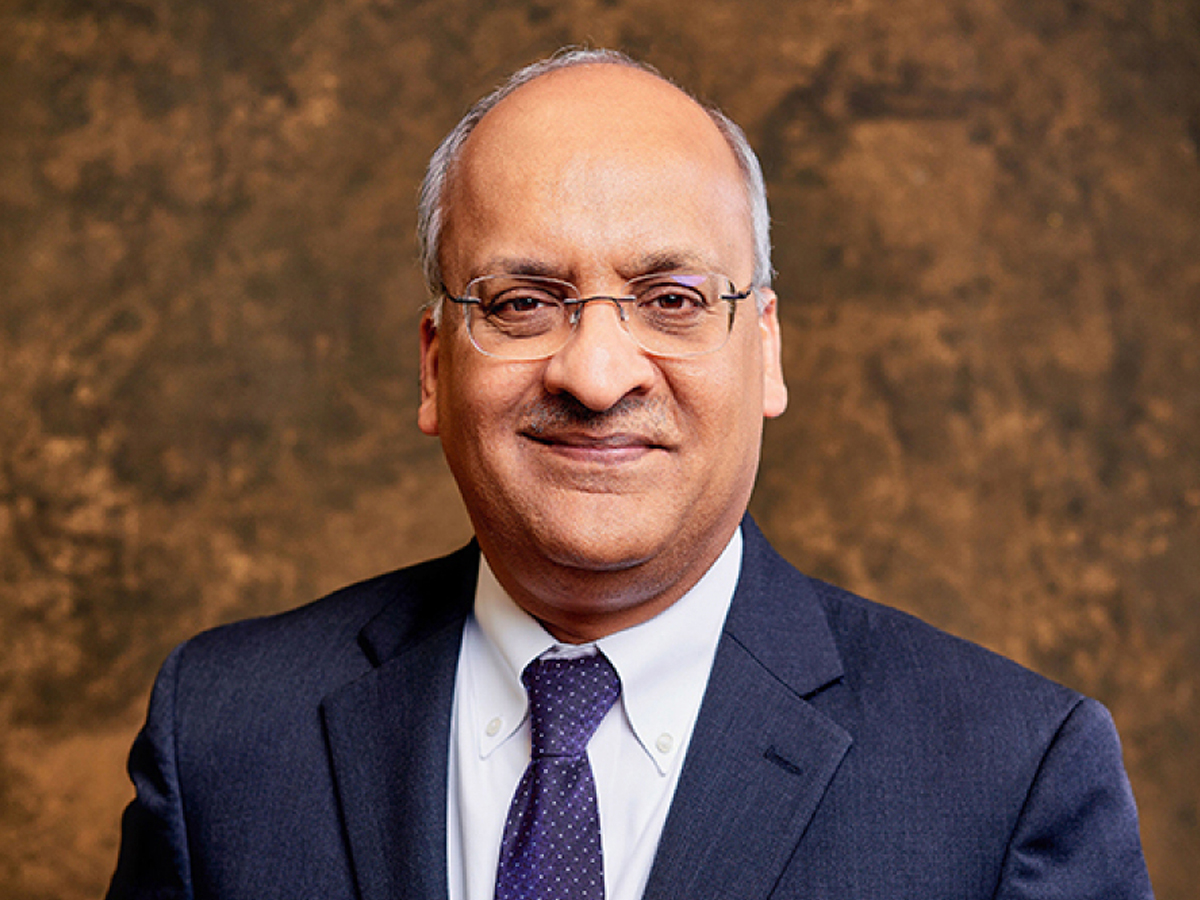
The statistics are startling: more than 7 million Americans age 65 and older are living with Alzheimer’s disease, a figure that is projected to double by 2060. In Alabama, over 103,000 people age 65 and older—nearly 12% of seniors—have been diagnosed with Alzheimer’s. Alabama has the sixth highest Alzheimer's disease mortality rate in the nation.

In May 2025, after more than 30 years at The University of Iowa, John Engelhardt, Ph.D., packed up his laboratory and traveled 881 miles to Birmingham to begin a new chapter in advancing cystic fibrosis (CF) and drug development research at UAB. For Engelhardt, the move wasn’t just about his personal success—it was about building something transformative for translational medicine while creating new opportunities for the team he has mentored and worked alongside for decades.
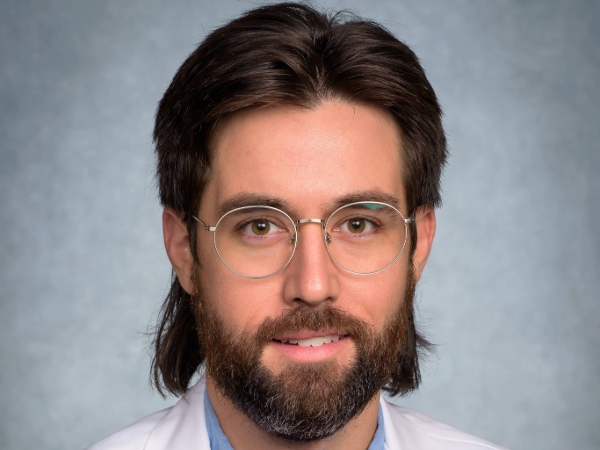
With great pride and excitement, we announce the appointment of John Bridges, M.D., M.S., assistant professor, in the Division of Pediatric Rheumatology as assistant program director for the Combined Medicine-Pediatrics Residency Program, effective Oct. 1, 2026.
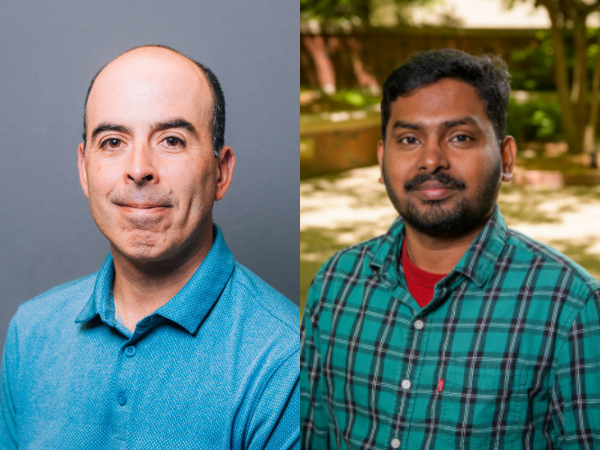
Carlos J. Orihuela, Ph.D., professor in the Department of Microbiology, was part of a spaceflight research project that examined why many individuals who survived pneumonia later experienced serious heart complications. The study focused on Streptococcus pneumoniae, the bacterium responsible for most cases of community-acquired pneumonia, and how infection affected cardiac tissue. The biological mechanisms linking pneumonia to later cardiovascular disease remain difficult to define.
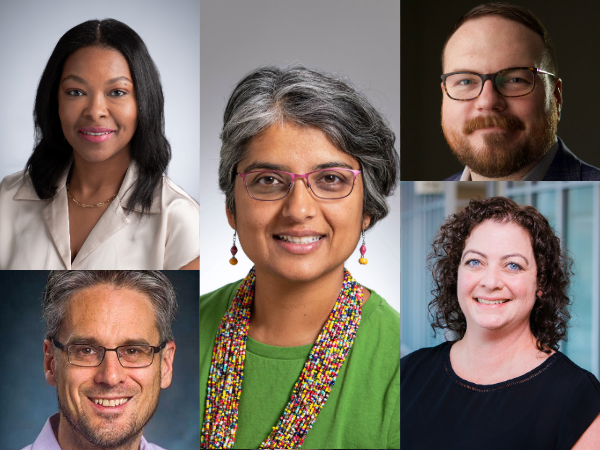
Four projects have been selected as the inaugural awardees of the Dr. Latesha E. Elopre Health Across the Lifecourse (HEAL) Pilot Program, supporting innovative research designed to improve health outcomes across the lifespan.
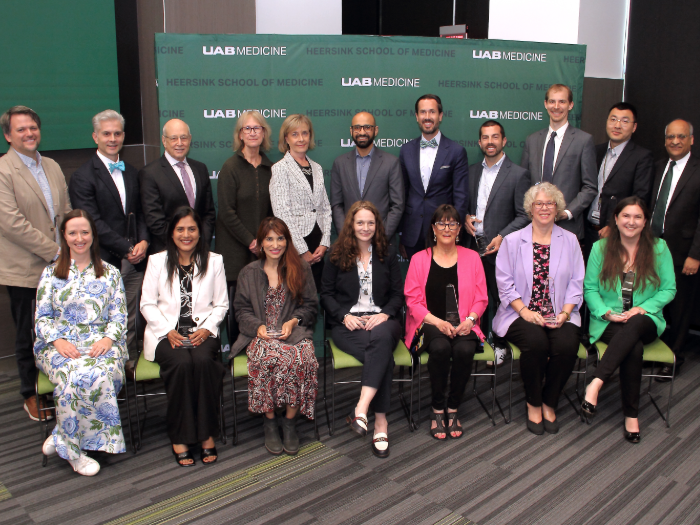
The UAB Marnix E. Heersink School of Medicine is proud to announce the winners of the 2026 Dean's Excellence Awards for Faculty, recognizing exceptional faculty members who have demonstrated excellence in teaching, research, service, access and engagement, and mentorship.

UAB researchers observed an increase in severe diabetes subtypes in U.S. adults after the COVID-19 pandemic. Their studies led them to develop a new tool to help clinicians identify diabetes subtypes in their patients.
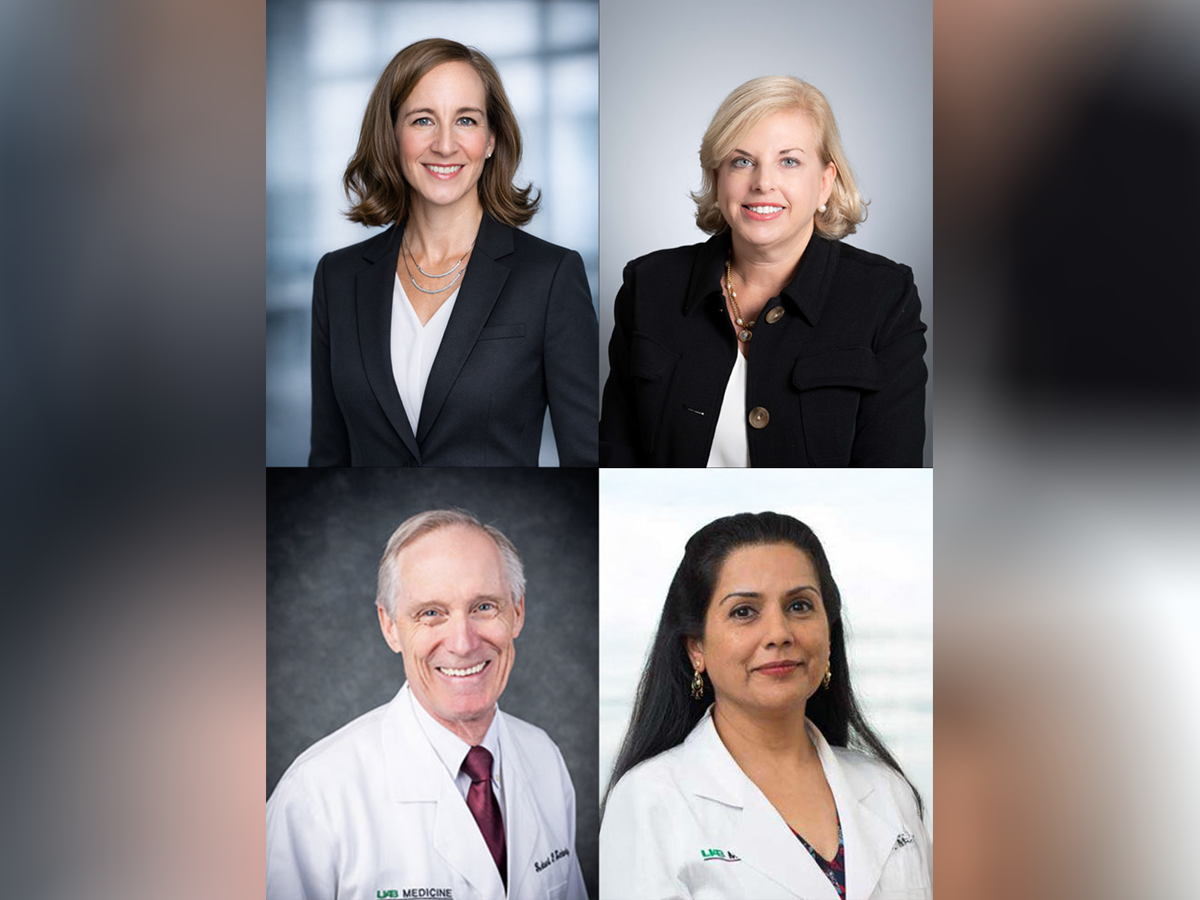
The Center for Clinical and Translational Science (CCTS), located at the University of Alabama at Birmingham (UAB), is proud to celebrate four CCTS leaders selected for the inaugural cohort of Fellows of ACTS (FACTS), a new recognition program from the Association for Clinical and Translational Science (ACTS).

The Center for Clinical and Translational Science (CCTS), based at the University of Alabama at Birmingham and spanning an 11-institution Partner Network across Alabama, Mississippi, and Louisiana, is pleased to announce that Jennifer A. Croker, PhD, was recognized as a 2026 Fellow of ACTS.
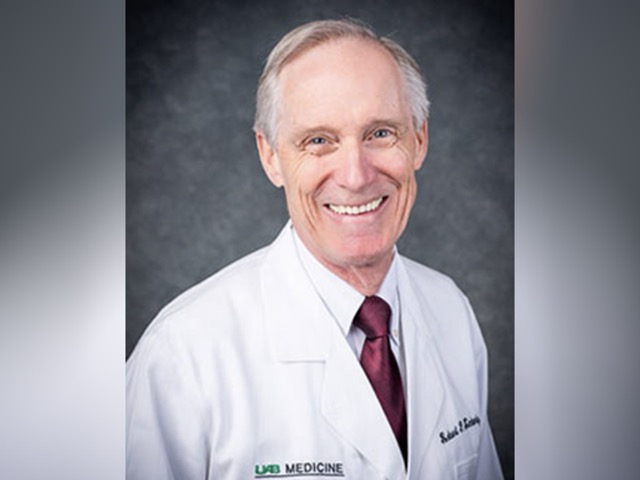
The Center for Clinical and Translational Science (CCTS), based at the University of Alabama at Birmingham and spanning an 11-institution Partner Network across Alabama, Mississippi, and Louisiana, is pleased to announce that Robert P. Kimberly, MD, was recognized as a 2026 Fellow of ACTS.
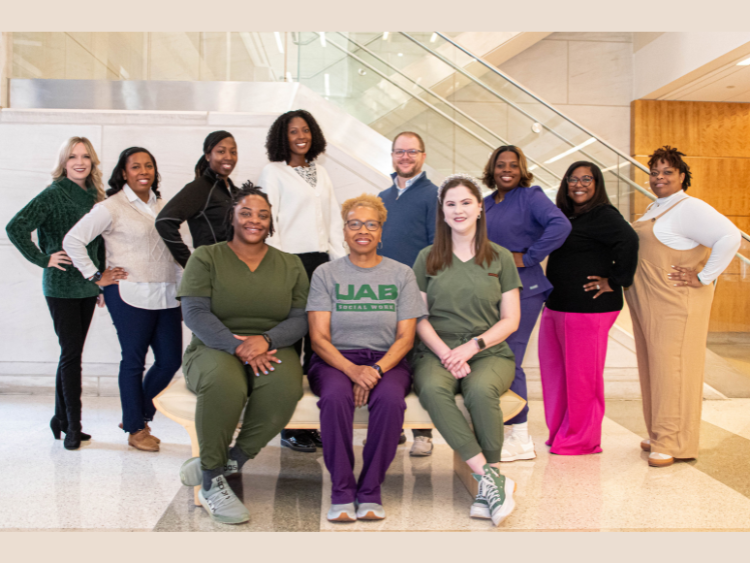
This National Social Work Month, social workers from across UAB have a message for the community: medical social workers are an integral part of the health system.
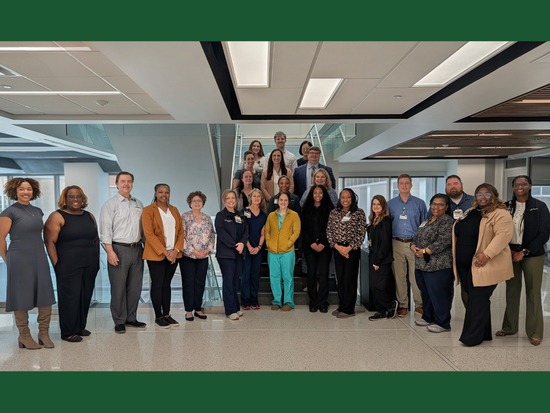
UAB Medicine's Leadership Development Office (LDO) recently celebrated the graduation of a group of clinical and operational leaders who successfully completed the High Performing Care Collaborative (HPCC) program. This initiative brings together functional leadership teams from across the institution to strengthen collaboration, enhance performance, and drive meaningful improvements in patient care and operations.
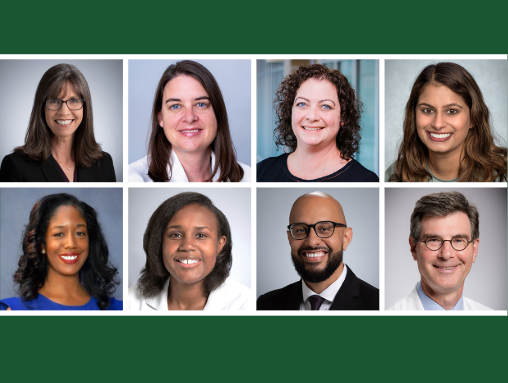
Four interdisciplinary faculty teams have been selected as 2026 GIMPOP research pilot program awardees by the Division of General Internal Medicine and Population Science, recognizing collaborative projects designed to strengthen research, education, and clinical impact across the division.
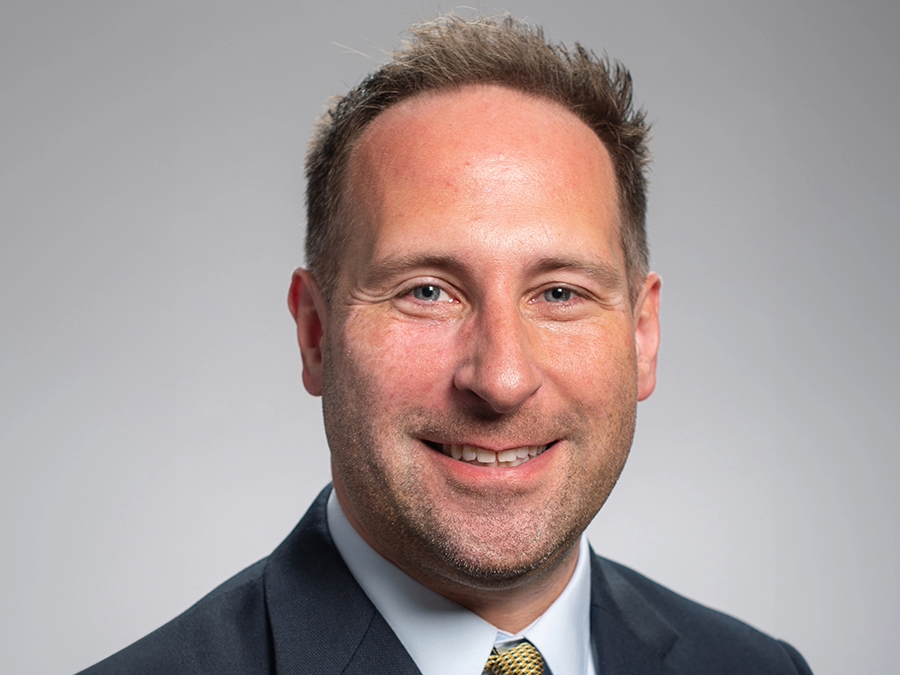
Rob Welner, Ph.D., associate professor in the Department of Medicine, has been named the school’s latest recipient of the Featured Discovery award. This recognition celebrates notable faculty research contributions and highlights the impact of their scientific advancements.
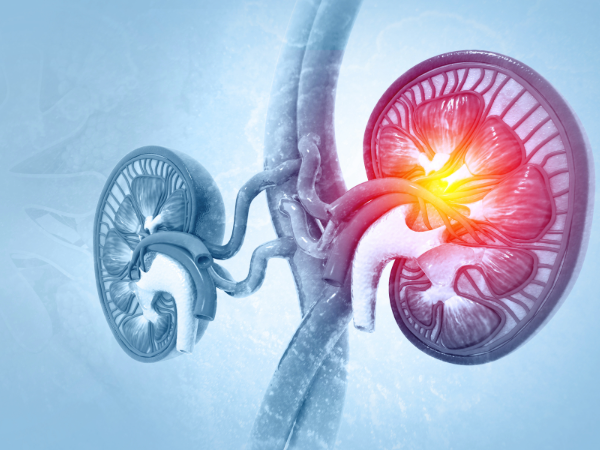
When a patient undergoes an organ transplant, failure to match the donor and recipient can lead to the recipient's immune system attacking the new organ, a process triggered by a specific HLA (human leukocyte antigen) protein. In a recent study published in Immunity, UAB researchers uncovered consistency in how the immune system decides which part of the foreign HLA protein to attack—information that could help improve transplant success.
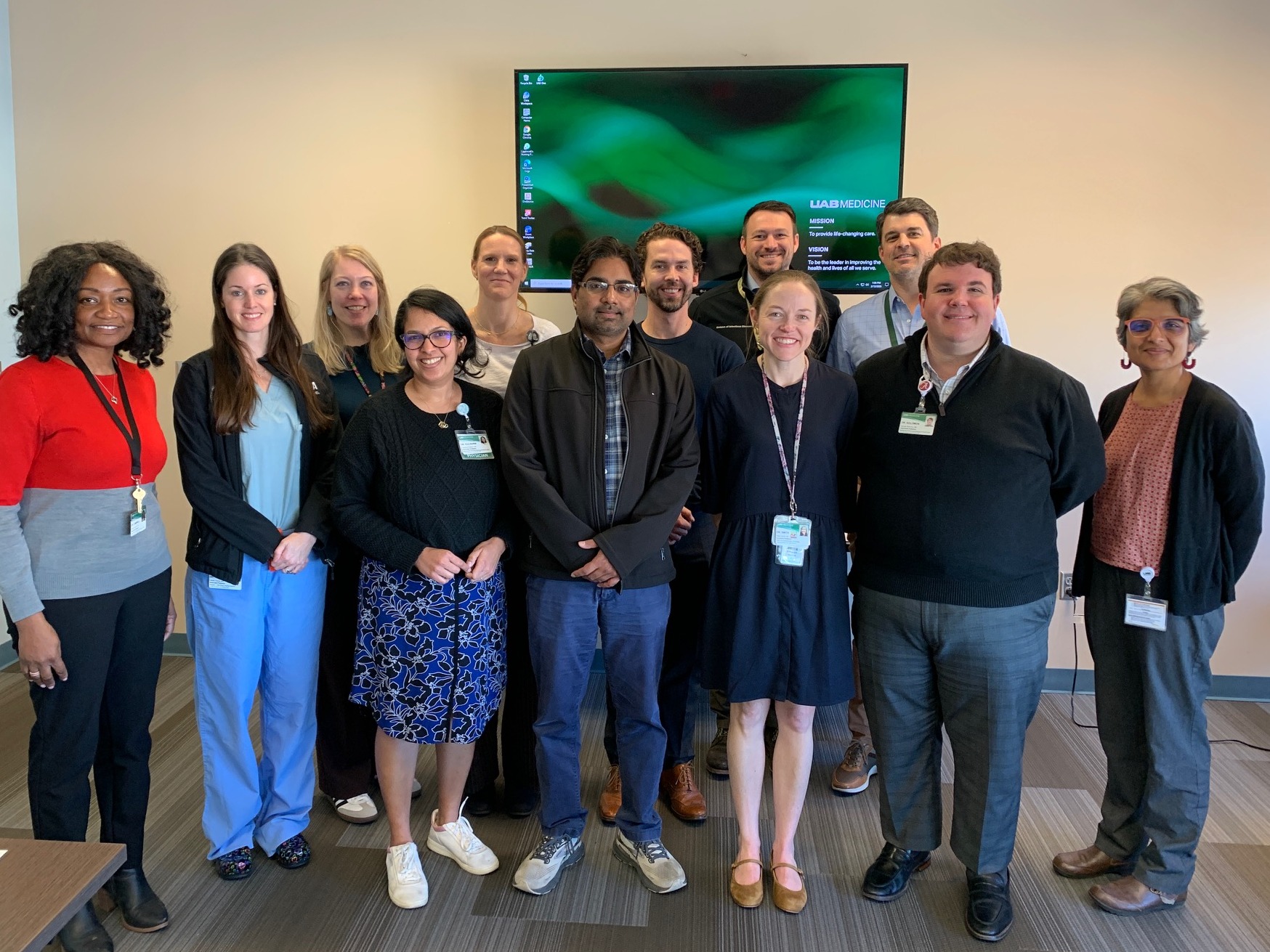
UAB Medicine’s Leadership Development Office (LDO) celebrated the graduation of 12 faculty members from the LEading, Advancing, Developing (LEAD) program for spring 2026. The cohort brought together leaders from across clinical and basic science disciplines who are committed to strengthening their leadership impact and advancing academic excellence across the institution.
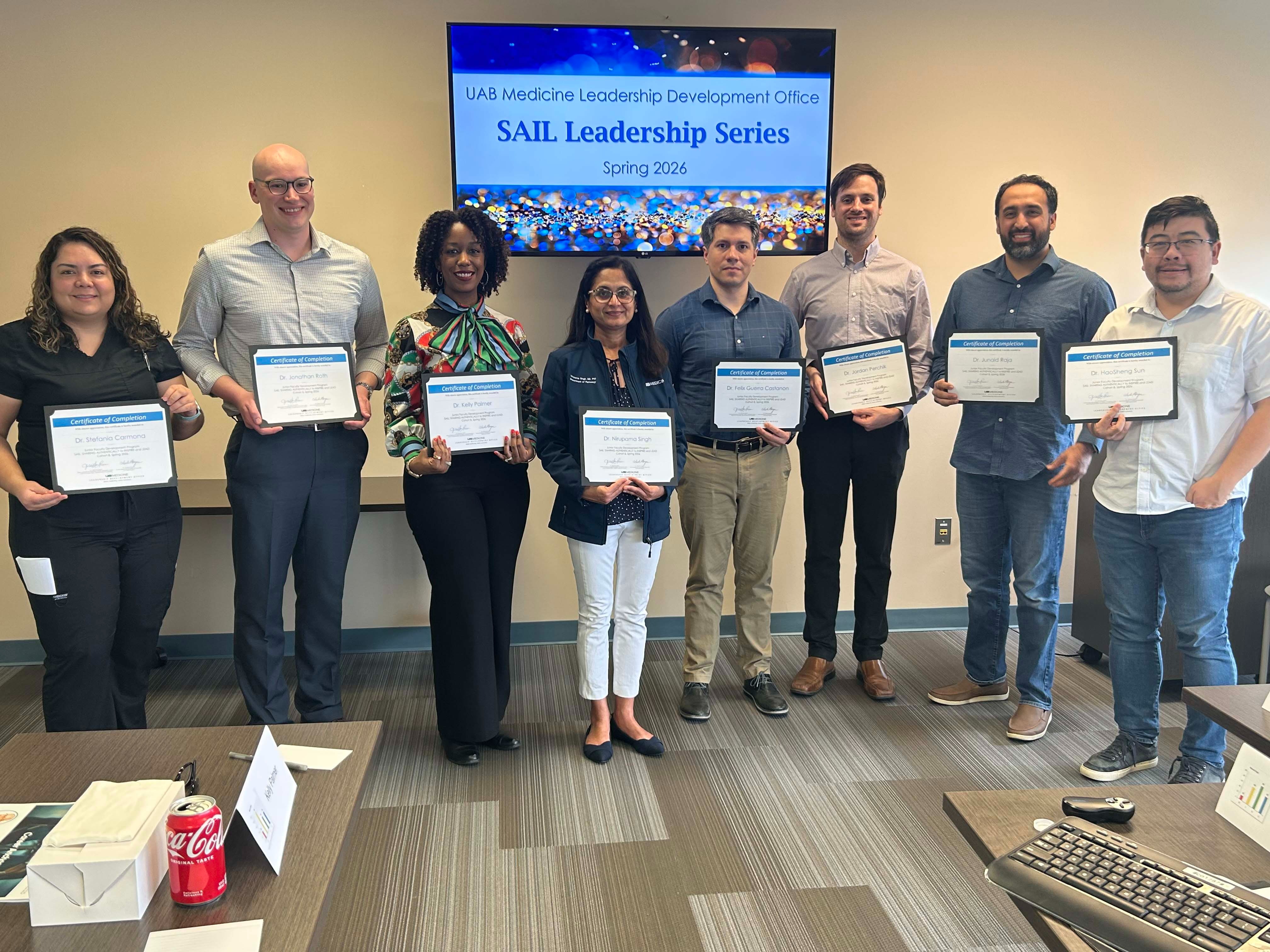
UAB Medicine’s Leadership Development Office (LDO) recognized eight faculty members who graduated from cohort 8 of the SAIL (Sharing Authentically to Inspire and Lead) program for spring 2026. The program supports junior faculty as they develop authentic leadership approaches, strengthen professional networks, and navigate the unique challenges of early academic careers.
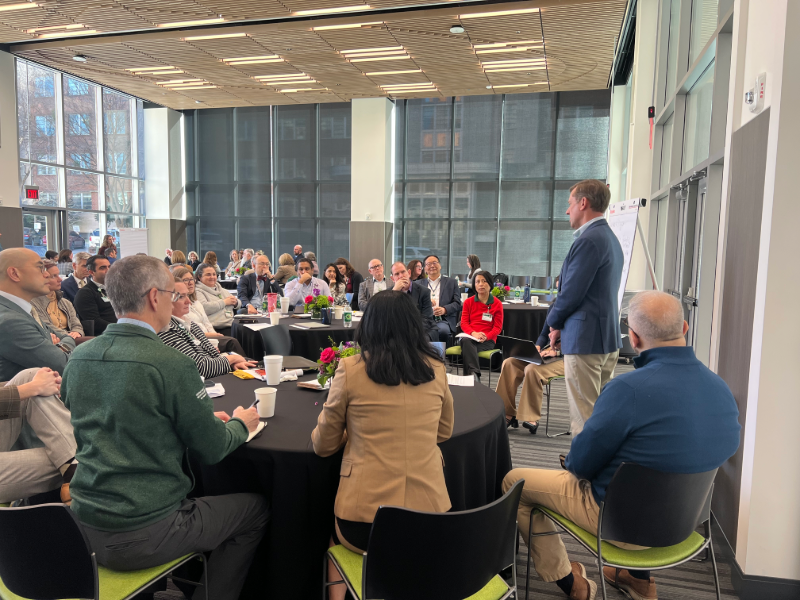
On Feb. 12, 2026, the Heersink School of Medicine Office of Research held its annual Strategic Research Retreat in the Heersink Conference Center. The day brought leaders from across the school and campus together and emphasized collaboration, infrastructure, and the growing impact of interdisciplinary science at UAB.
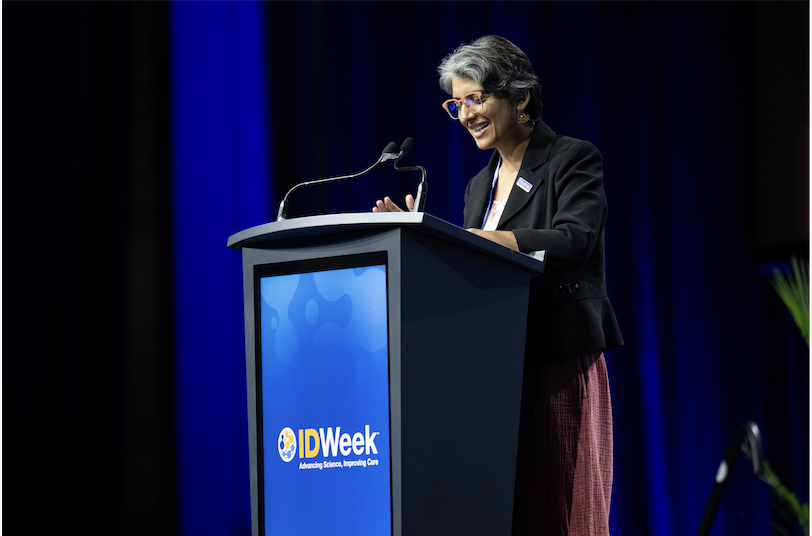
Rena Patel, M.D., MPH, MPhil, associate professor, UAB Department of Medicine, Division of Infectious Diseases; associate director, Global Health Research, UAB Mary Heersink Institute for Global Health (MHIGH), has been selected as the 2025 recipient of the HIV Medicine Association (HIVMA) Innovator Award, recognizing her outstanding and original contributions to HIV clinical care, research, education and community advocacy. The award was presented during the annual IDWeek® meeting, held each October, where leaders in infectious diseases gather to celebrate advancements in HIV medicine and public health.
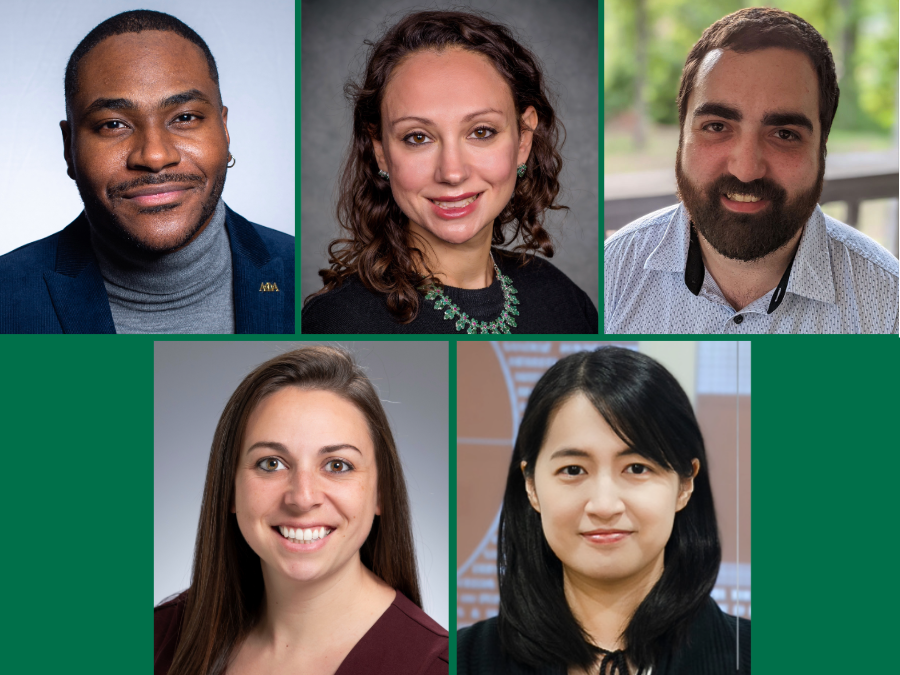
The UAB Heersink School of Medicine is proud to announce the 2026 Pittman Scholars. This prestigious honor recognizes assistant professors for their exceptional research achievements and their potential to make future contributions to their fields. To be considered, the honoree must have held the rank of assistant professor for fewer than five years. Named after former School of Medicine Dean James A. Pittman Jr., M.D., this award highlights the school's commitment to fostering innovation and excellence in medical research.
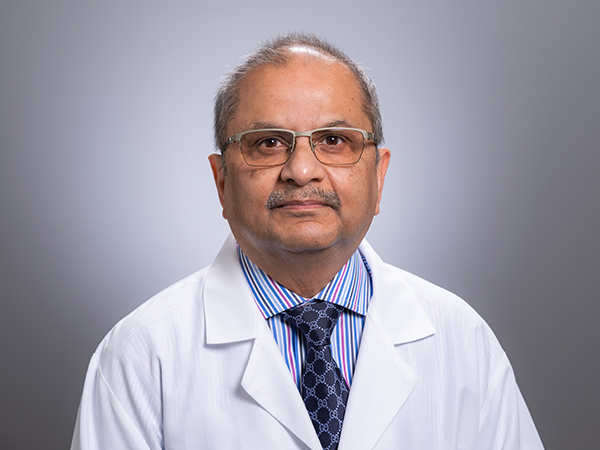
A new study led by Ananda Basu, M.D., professor in the UAB Department of Medicine Division of Endocrinology, Diabetes, and Metabolism, determines why early post-meal glucagon concentrations are higher in Type 1 diabetes (T1D) than in individuals without diabetes using a novel glucagon isotope tracer. His findings were recently published in the February 2026 issue of Diabetes.

One couple with faculty roots in the UAB Heersink School of Medicine not only contributed to the school’s clinical, educational, and research-driven missions while serving their respective departments, but they are now giving back to support future clinicians, mentors, and scientists in doing the same.
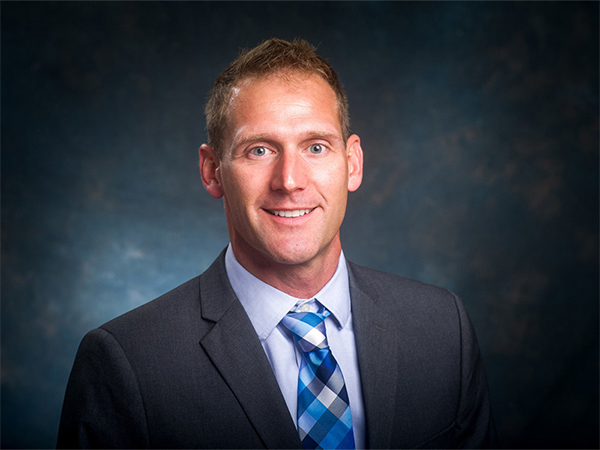
A new research study led by UAB Comprehensive Diabetes Center scientist Kirk Habegger, Ph.D., shows that cholesterol-lowering drugs enhance weight loss facilitated by glucagon receptor agonist obesity drugs.
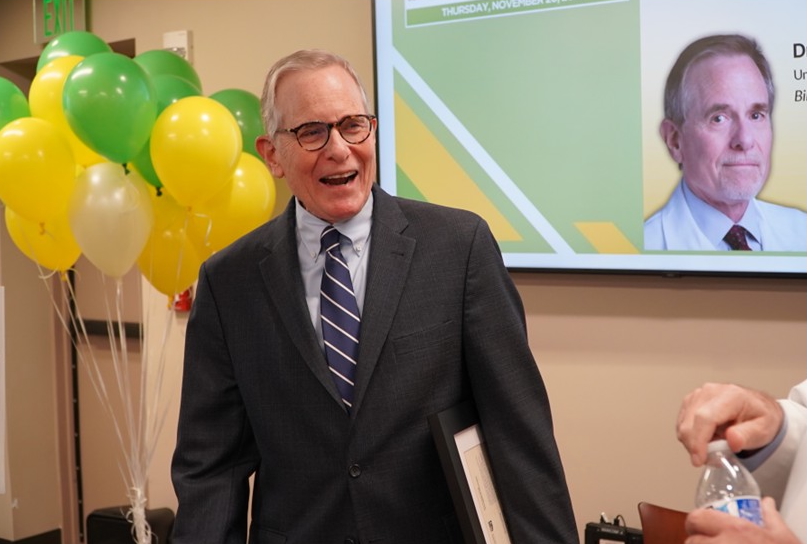
UAB Division of General Internal Medicine and Population Science professor emeritus William “Bill” Curry, M.D., has been named Alabama’s 2025 Community Star.
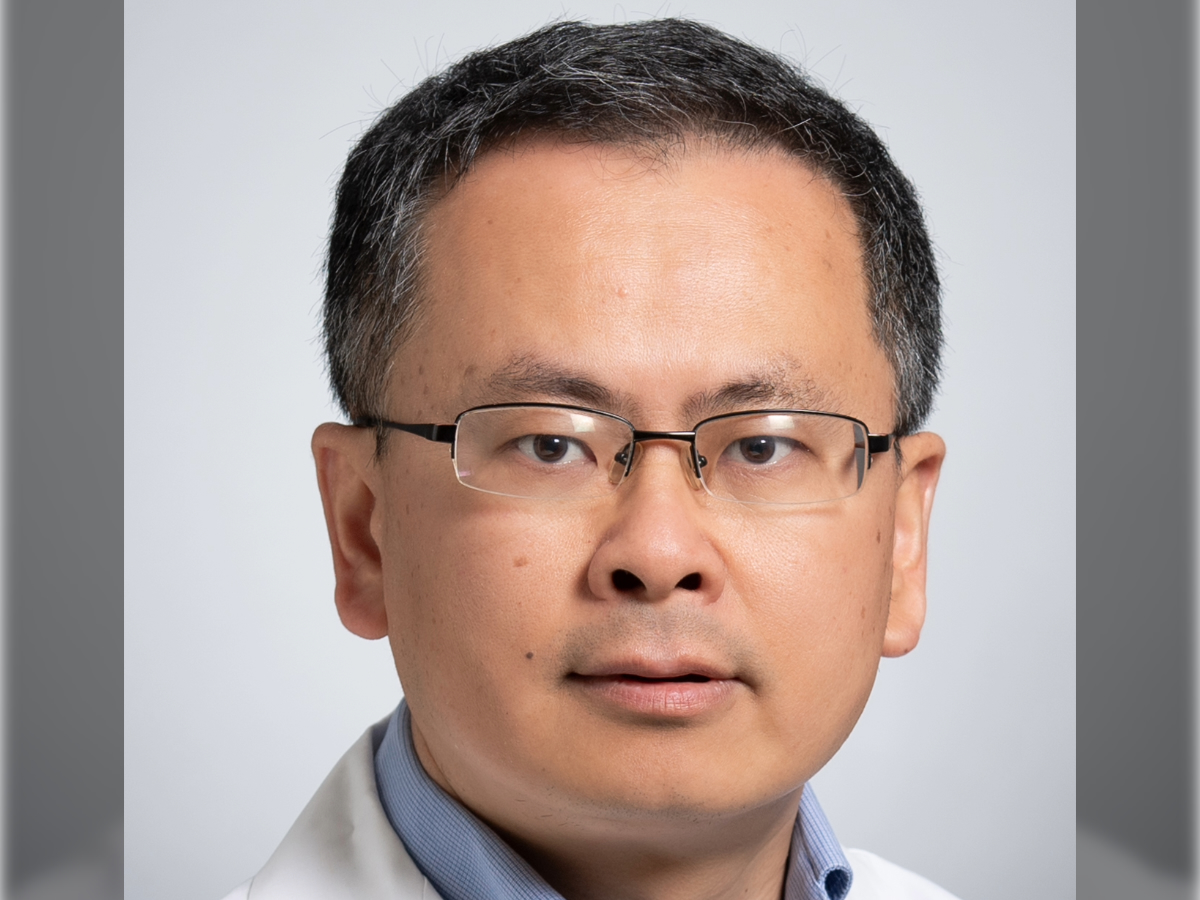
Gang Liu, M.D., Ph.D., and Huachun Cui, Ph.D., from the Department of Medicine, have received the school’s Featured Discovery award for research that uncovers a critical process behind lung scarring—work that could pave the way for new therapies for chronic lung disease.
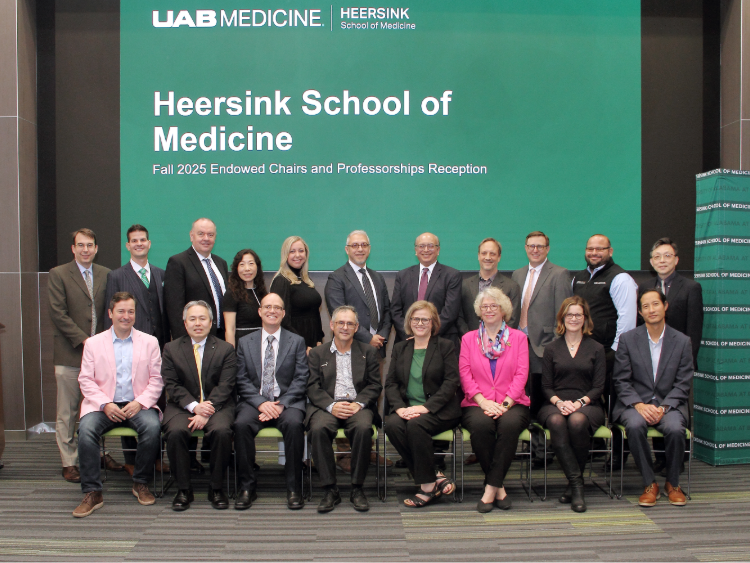
On Thursday, Nov. 20., the Heersink School of Medicine honored 20 faculty members at the Fall 2025 Endowed Chairs and Professorships Reception. This event recognizes Heersink faculty who have made major contributions to research, education, and clinical care.
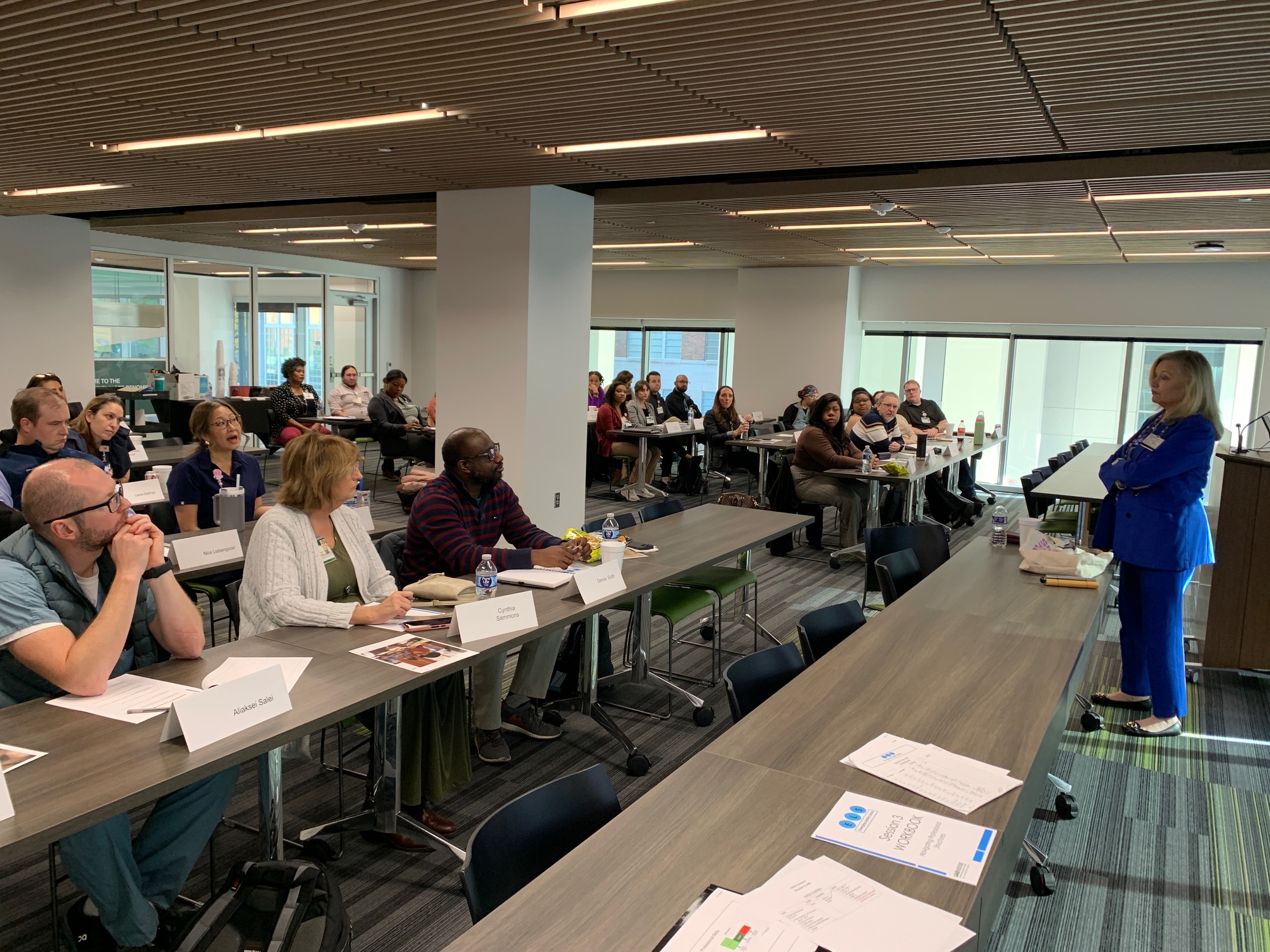
UAB Medicine’s Leadership Development Office (LDO) honored 33 graduates of the Emerging Leaders Series (ELS) fall 2025 Cohort 4 during a ceremony held on Thursday, Nov. 12. The cohort completed a multi-session program designed to strengthen leadership capability for emerging leaders across the enterprise.
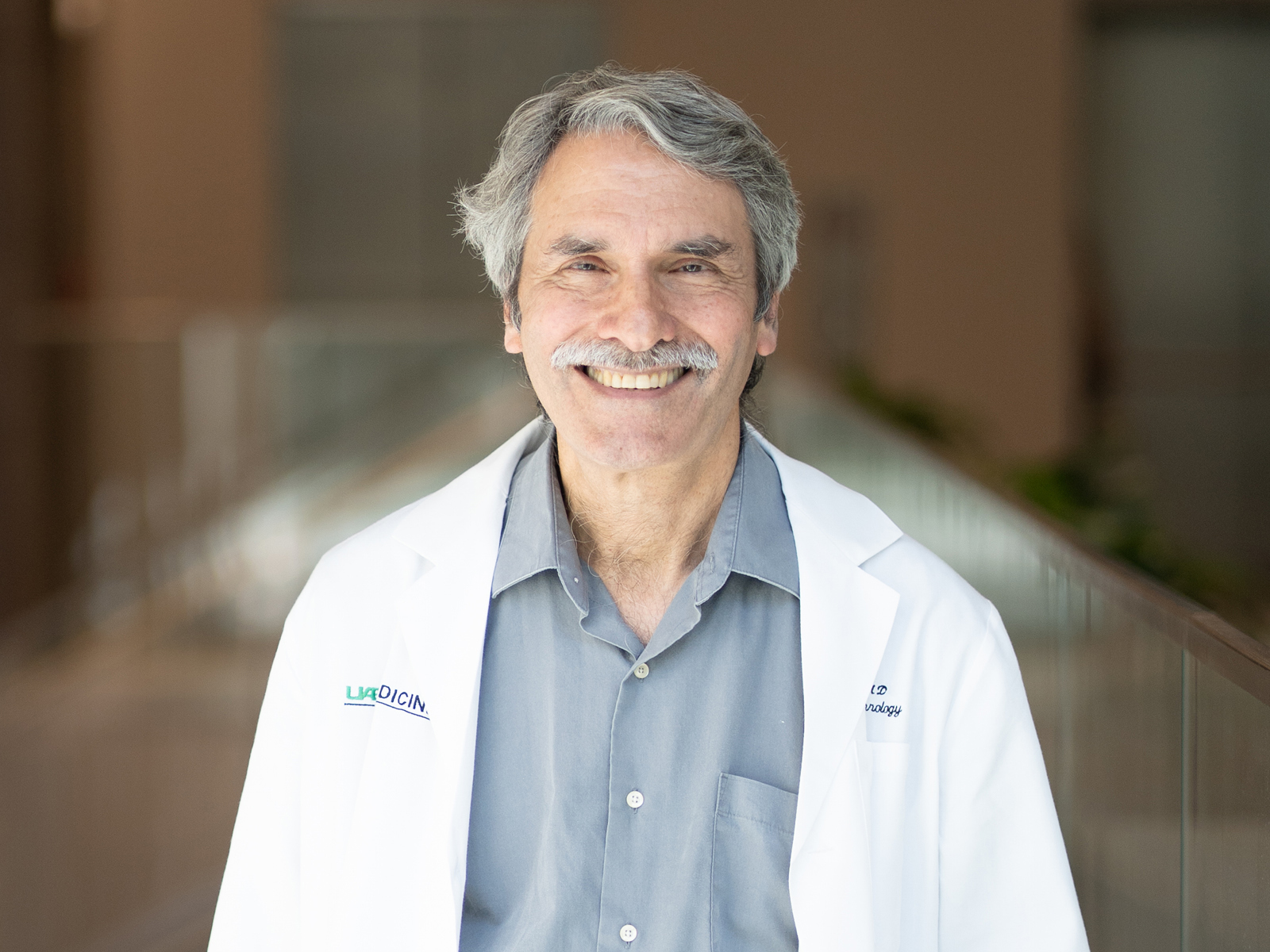
Early in his career, Michael Allon, M.D., professor in the UAB Division of Nephrology, Department of Medicine, noticed that the prevailing wisdom concerning vascular access did not match his observed experience.
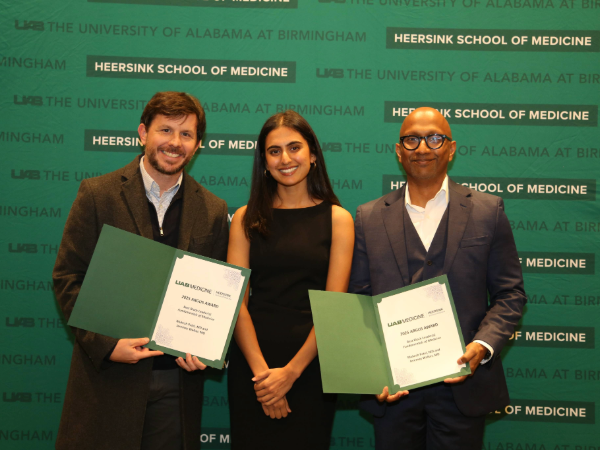
On Friday, November 14, 2025, students from the UAB Heersink School of Medicine gathered to celebrate faculty excellence during the annual Argus Awards Ceremony. Established to recognize outstanding contributions in medical education, the Argus Awards are determined entirely by student nominations and votes, honoring faculty, courses, and course directors who have made a lasting impact throughout the year.
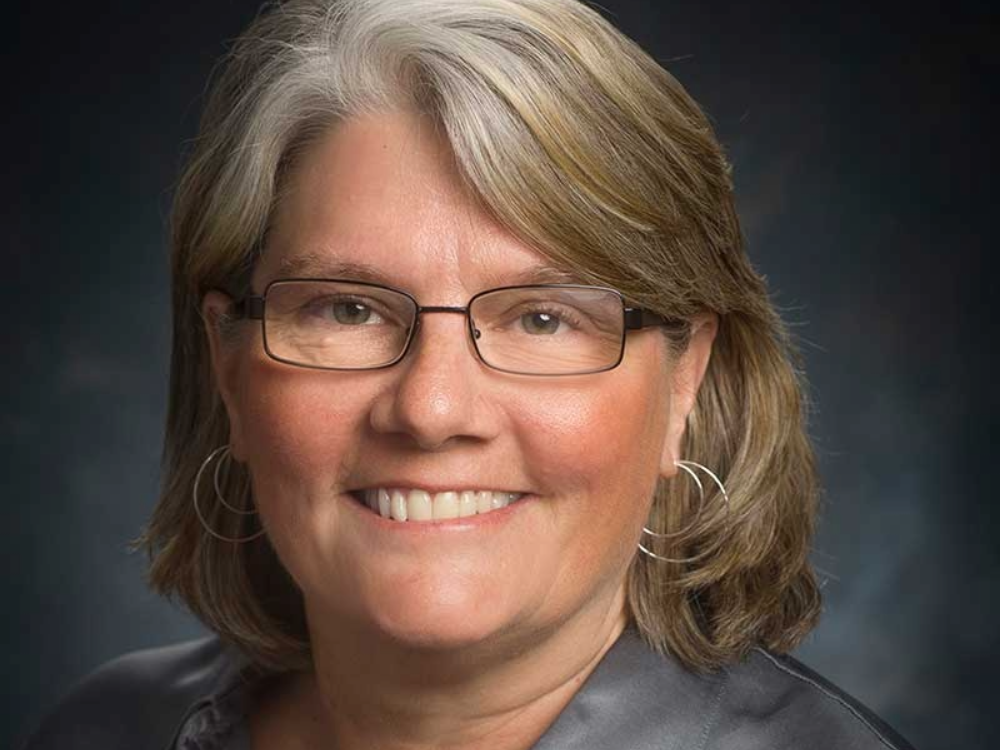
Jennifer Pollock, Ph.D., professor in the Department of Medicine, has been named the latest recipient of the school’s Featured Discovery award. This recognition celebrates notable research contributions made by faculty and highlights the impact of their scientific advancements.
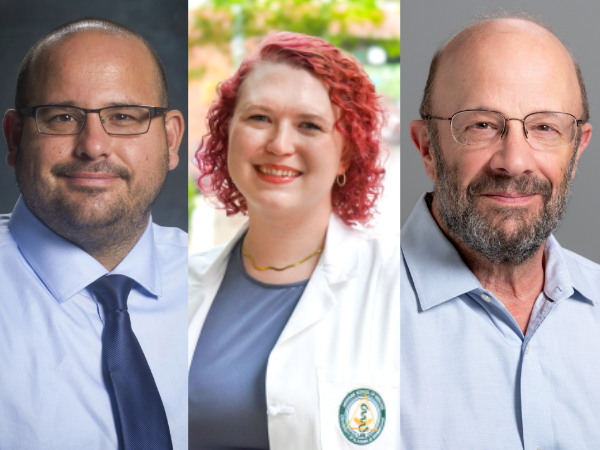
Chronic granulomatous fungal sinusitis is a rare, debilitating infection characterized by an enlarged mass in the nasal cavity or sinuses, facial pain and swelling, eye bulging, vision problems, headache and nasal congestion. While most cases are found in subtropical regions of Sudan, India, Pakistan and Saudi Arabia caused by Aspergillus flavus, a pathogenic fungus, cases have recently been identified in the Southeastern United States caused by Curvularia, an emerging pathogen.
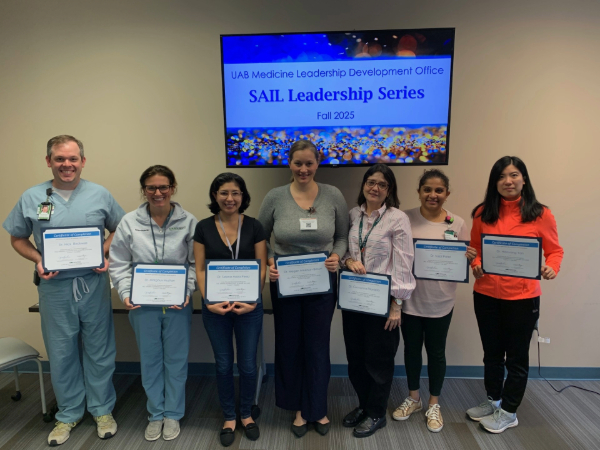
UAB Medicine’s Leadership Development Office (LDO) celebrated seven distinguished faculty members from the seventh cohort of the Sharing Authentically to Inspire and Lead (SAIL) program at a graduation ceremony on Tuesday, Oct. 21. The program, facilitated by Celeste Morgan, Ph.D., CDMS, senior leadership development specialist, is designed to help early-career faculty strengthen their leadership skills, refine their academic identities, and chart clear, sustainable paths toward long-term success.
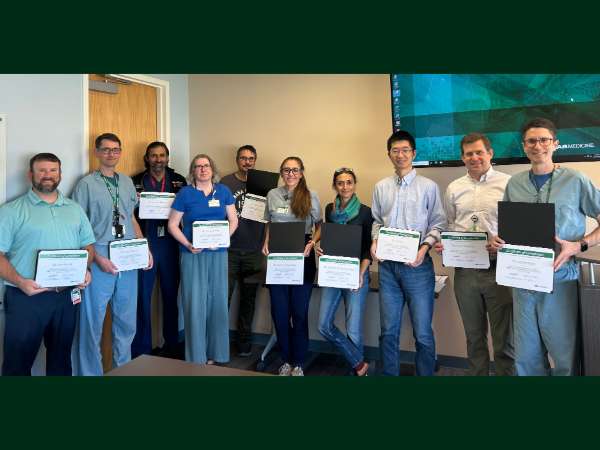
UAB Medicine’s Leadership Development Office (LDO) celebrated ten distinguished faculty members from the seventh cohort of the LEading, Advancing, Developing (LEAD) at a graduation ceremony on Thursday, Oct. 23. Facilitated by Kellie Carter, Ph.D., senior leadership development specialist, this cohort demonstrated a culture of growing leadership skills and advancing academic impact in the UAB community.
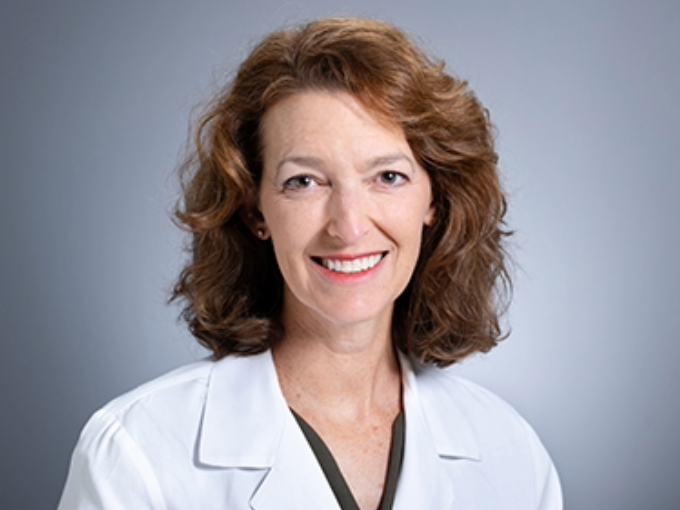
Lisa Willett, M.D., MACM, executive vice chair for the UAB Department of Medicine, has been named a recipient of the 2025 Alpha Omega Alpha (AOA) Robert J. Glaser Distinguished Teacher Award. This award honors educators who have made significant contributions to medical education. Willett will receive the honor at 2025 AAMC Awards Recognition Event on Wednesday, Oct. 22.
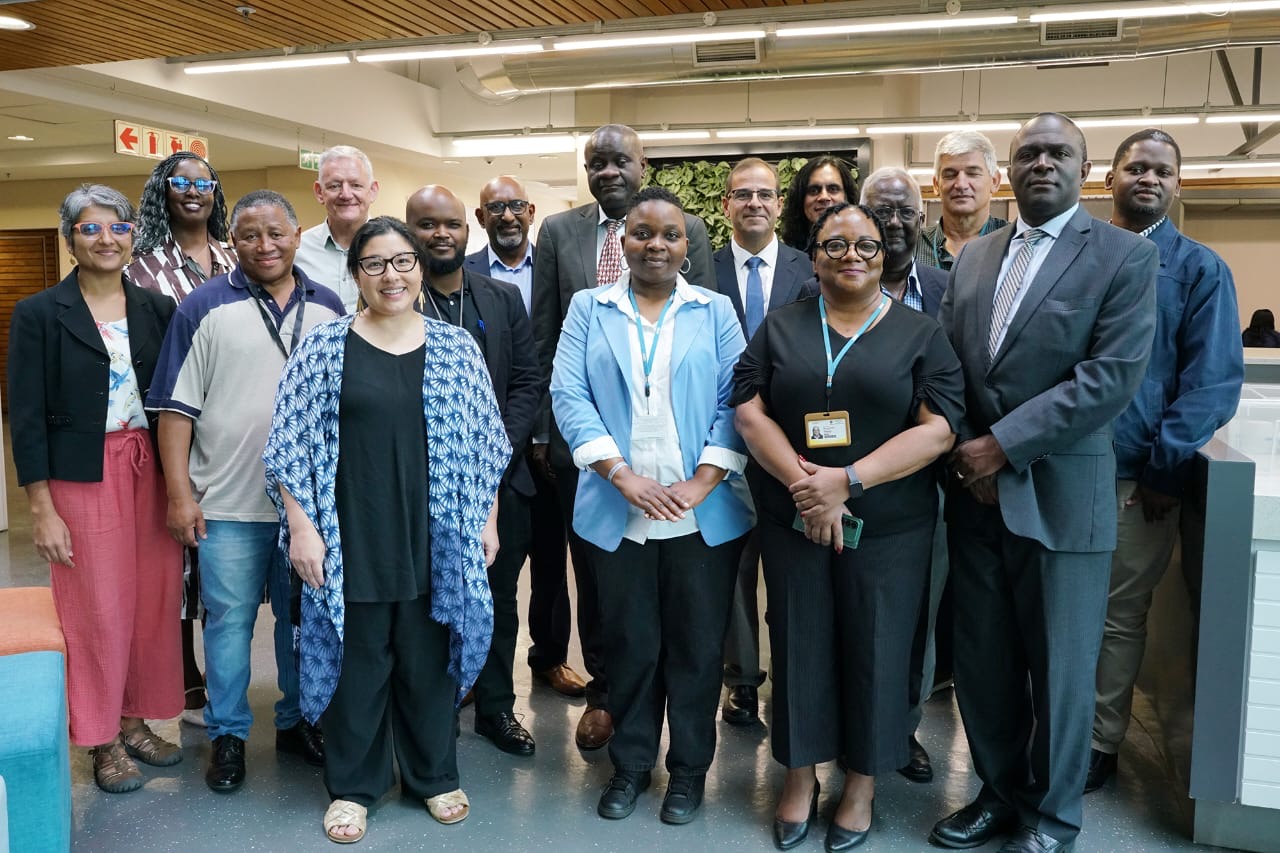
From September 21-27, 2025, a delegation from the University of Alabama at Birmingham (UAB) traveled to South Africa and Zambia to enhance institutional partnerships aimed at improving global health outcomes. The UAB delegation included Alan Tita, M.D., Ph.D., senior associate dean for Global and Women’s Health; J. Victor Garcia-Martinez, Ph.D., chair, UAB Department of Microbiology; J. Martin Rodriguez, M.D., FACP, FIPSA, Paul W. Burleson, M.D., Endowed Professor of Medicine; Rena C. Patel, M.D., MPH, MPhil, associate professor, UAB Department of Medicine, Division of Infectious Diseases, associate director, MHIGH Global Health Research; and Stephen Obaro, M.D., Ph.D., professor, Pediatric Infectious Diseases, associate director, MHIGH Faculty Engagement and Service Initiatives.