The Heersink School of Medicine is pleased to announce the eight inaugural projects selected for the Team Science Grant Program. The new initiative, recommended by the Heersink REFRESH Committee, is designed to bring together researchers with diverse expertise to tackle some of the most complex challenges in human health. Announced this past spring, the program reflects a growing emphasis on team science in research and seeks to encourage stronger collaboration between investigators across Heersink and UAB.
“Modern health challenges rarely fit within the boundaries of a single scientific discipline,” said Tika Benveniste, Ph.D., senior vice dean at the UAB Heersink School of Medicine. “Advancing precision medicine, improving lifelong health, understanding brain and immunologic disorders, and developing new treatment approaches increasingly require experts from different fields to work together.”
At Heersink, team science has become a core pillar of the school's research strategy. The Team Science Grant Program was created to foster interdisciplinary collaborations that can grow into large-scale, externally funded research initiatives, including multi-investigator National Institutes of Health grants, center grants, and other major funding opportunities.
Awarded projects are funded up to $150,000 per year for up to two years and align with Heersink’s strategic research focus areas—D-TECH, HEAL, I-4ward, Brain Health and Disease Across the Lifespan, and Implementation Science—along with the larger UAB Research Strategic Initiative. The 2026 Team Science Program cohort includes projects focused on chronic kidney disease, substance use disorders, opioid addiction, infectious disease, epilepsy, mental health, arthritis, and neurodegenerative disease.
2026 awarded projects
Project: Alveolar calcification as a novel pathology in chronic kidney disease
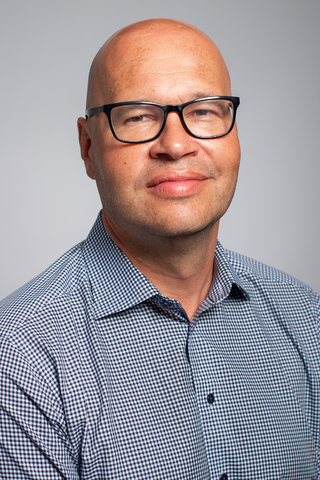
Christian Faul, Ph.D.
Chronic kidney disease affects more than 800 million people worldwide and is known to increase the risk of serious health complications beyond the kidneys. Led by Christian Faul, Ph.D., in the Department of Medicine, Division of Nephrology, this team is exploring a potential link between kidney disease and lung health: specifically, whether high phosphate levels in patients with chronic kidney disease may cause lung calcification, resulting in emphysema and compromised respiratory function.
Early findings from the team's collaborative work suggest that these lung changes may be far more common than previously recognized and could represent a new pathway linking kidney disease to pulmonary complications.
The project brings together Faul, Orlando Gutierrez, M.D., Department of Medicine, Division of Nephrology, Stefanie Krick, M.D., Ph.D., and Surya Bhatt, M.D., both of the Department of Medicine, Division of Pulmonary, Allergy, and Critical Care, to combine laboratory studies, preclinical models, and large-scale patient data analysis. The team will explore novel therapeutic strategies to prevent or reverse lung calcification while analyzing thousands of CT scans to determine how kidney disease and elevated phosphate levels affect lung structure and function in patients.
By uncovering a new disease mechanism and identifying potential interventions, the research could lead to improved screening, prevention, and treatment strategies for individuals living with chronic kidney disease and its pulmonary complications.
Project: Mechanisms of incretin-based therapies for the treatment of substance use disorders
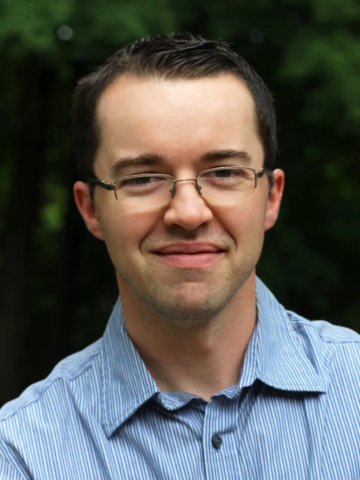
Andrew Hardaway, Ph.D.
Substance use disorders remain a major public health challenge, yet there are limited effective medications available for many forms of addiction. Andrew Hardaway, Ph.D., Department of Psychiatry and Behavioral Neurobiology, Division of Behavioral Neurobiology, and the team are exploring whether a class of drugs originally developed to treat diabetes and obesity, including GLP-1 and glucose-dependent insulinotropic polypeptide (GIP) based therapies, could also help reduce drug-seeking behaviors and support recovery from substance use disorders.
The researchers will investigate how these medications act on specific brain circuits involved in reward, motivation, and addiction, with a particular focus on cocaine use disorder. Their work has the potential to open a new therapeutic avenue for a condition that affects millions of Americans.
The project brings together complementary experts in neuroscience, addiction biology, metabolic disease, and hormone signaling. Together, Hardaway, Aurelio Galli, Ph.D., Department of Surgery, Division of Gastrointestinal Surgery, and Kirk Habegger, Ph.D., Department of Medicine, Division of Endocrinology, Diabetes, and Metabolism, are investigating how GIP receptor signaling influences brain activity and drug reward.
By bridging discoveries from obesity and diabetes research with addiction neuroscience, the collaboration could accelerate the development of innovative treatments for substance use disorders.
Project: Glycan and neuroimmune axis regulation of opioid addiction
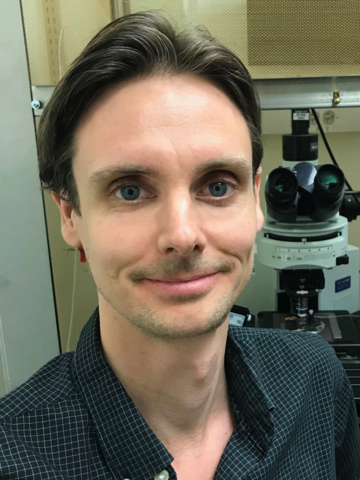
Jasper Heinsbroek, Ph.D.
The opioid epidemic continues to have devastating consequences for individuals, families, and communities, emphasizing the urgent need for new approaches to understanding and treating opioid use disorder.
The interdisciplinary team, led by Jasper Heinsbroek, Ph.D., Department of Neurobiology, is investigating how changes in the brain's extracellular matrix, immune signaling, and glycan biology contribute to addiction, craving, and relapse. By focusing on the ventral pallidum, a key region in the brain's reward system, the researchers seek to uncover previously unexplored biological mechanisms underlying persistent opioid-seeking behaviors and to identify new therapeutic targets for intervention.
The project is a prime example of team science, bringing together expertise in addiction neuroscience, biomedical engineering, spatial multi-omics, glycobiology, and neuroimmunology. Heinsbroek is joined by Juhi Samal, Ph.D., Department of Biomedical Engineering, Jeremy Day, Ph.D., Department of Neurobiology, and Daniel Tyrrell, Ph.D., Department of Pathology, Division of Molecular and Cellular Pathology, to generate sophisticated spatial maps of molecular and cellular changes occurring in the brain during opioid use, withdrawal, and relapse.
By integrating cutting-edge technologies with advanced preclinical models, the team will create foundational datasets that can be mined for new biomarkers and treatment strategies. Beyond its potential impact on opioid addiction research, the collaboration is designed to establish a broader Glycobiology and Extracellular Matrix research program at UAB.
Project: Developing precision medicine for nontuberculous mycobacteria infections: decoding disease trajectories through integration of host immunity, microbial evolution, and artificial intelligence
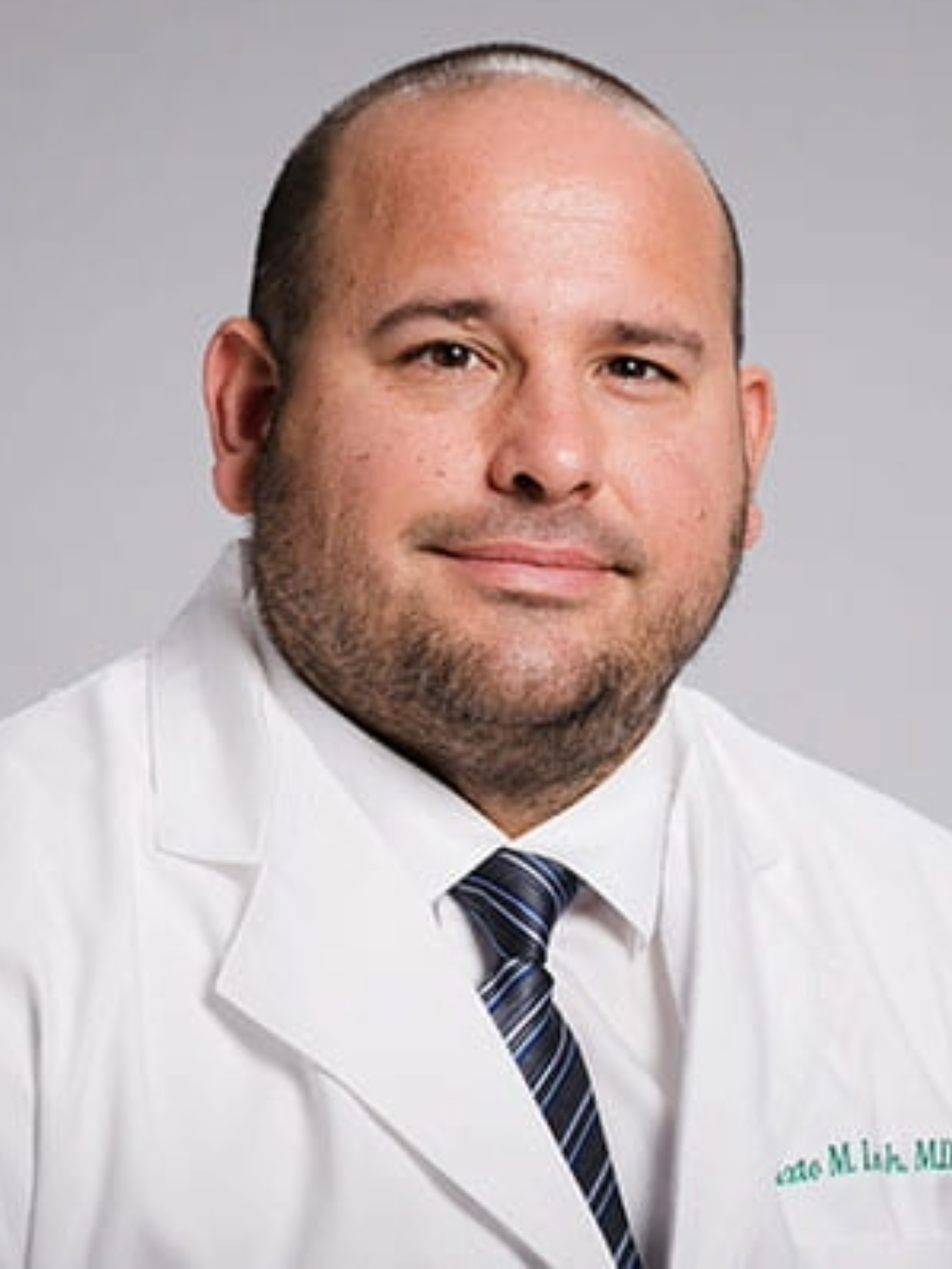
Sixto Leal, M.D., Ph.D.
Nontuberculous mycobacterial pulmonary disease (NTM-PD) is a growing public health concern, particularly in the southeastern United States, where disease burden is among the highest in the nation. Yet patients experience remarkably different disease trajectories, with some remaining relatively stable while others develop progressive, treatment-resistant lung disease.
Sixto Leal, M.D., Ph.D., Department of Pathology, Division of Laboratory Medicine, and this multidisciplinary team seek to uncover the biological factors that drive those differences by examining the complex relationships among host immune responses, microbial evolution, and pulmonary disease progression. Their ultimate goal is to develop precision medicine approaches that can better predict outcomes and guide treatment decisions for patients with NTM-PD.
The project brings together expertise spanning infectious diseases, immunology, pathology, pulmonary medicine, advanced imaging, and artificial intelligence. Leal is joined by Camilla Margaroli-Bell, Ph.D., Department of Pathology, Division of Molecular and Cellular Pathology, Taru Dutt, Ph.D., Department of Pathology, Division of Laboratory Medicine, Sandeep Bodduluri, Ph.D., and Bryan Garcia, M.D., both of Department of Medicine, Division of Pulmonary, Allergy, and Critical Care Medicine, to integrate patient-derived clinical data, microbial genomics, immune profiling, preclinical models, and machine learning.
By combining these complementary disciplines, the team will develop predictive models capable of identifying patients at greatest risk for disease progression while uncovering new therapeutic targets. The collaboration is designed to establish UAB as a leader in precision medicine for complex pulmonary infections.
Project: Epigenetic and circadian mechanisms controlling seizure susceptibility in the Dentate Gyrus

Farah Lubin, Ph.D.
Temporal lobe epilepsy is one of the most common and treatment-resistant neurological disorders, affecting millions of people and often causing both recurrent seizures and significant memory impairment.
Led by Farah Lubin, Ph.D., Department of Neurobiology, this research team is investigating how the brain's internal biological clock influences seizure susceptibility and cognitive function. Focusing on the dentate gyrus, a critical region of the hippocampus that helps regulate neural activity and memory formation, the researchers aim to uncover how disruptions in circadian rhythms and epigenetic regulation contribute to epilepsy and its associated cognitive deficits.
The project is a collaboration among Lubin, Linda Overstreet-Wadiche, Ph.D., Department of Neurobiology, and Karen Gamble, Ph.D., Department of Psychiatry and Behavioral Neurobiology, Division of Behavioral Neurobiology. Using advanced single-cell genomic technologies, continuous seizure monitoring, behavioral testing, and analyses of both preclinical models and human tissue, the team will identify molecular pathways that regulate seizure risk across the day-night cycle.
By integrating discoveries from multiple scientific disciplines, the researchers hope to reveal novel therapeutic targets that could reduce seizures and improve memory and cognition, creating a new framework for understanding epilepsy as a disorder influenced by disrupted biological timing.
Project: Neuromodulation of sleep and mood: A multimodal biomarker study of non-invasive vagal nerve stimulation
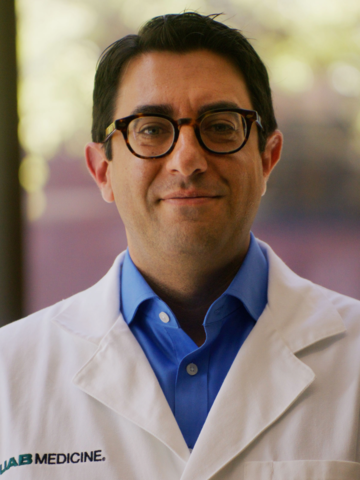
Matthew Macaluso, D.O.
Depression and insomnia are among the most common and debilitating health conditions worldwide, and they frequently occur together. The team, led by Matthew Macaluso, D.O., Department of Psychiatry and Behavioral Neurobiology, Division of Behavioral Neurobiology, is investigating why some individuals respond to non-invasive vagus nerve stimulation (nVNS), an emerging form of neuromodulation that has shown promise in improving mood, sleep, and autonomic nervous system function.
The researchers aim to develop a first-of-its-kind biomarker framework that combines physiologic, behavioral, and molecular data to understand better how nVNS works and to identify which patients are most likely to benefit from treatment.
The project brings together Macaluso, Stephen Thomas, Ph.D., and Yogesh Dwivedi, Ph.D., from the Department of Psychiatry and Behavioral Neurobiology, Division of Behavioral Neurobiology.
By integrating wearable health technology, sleep assessments, heart rate variability monitoring, clinical symptom measures, and molecular analyses of circulating microRNAs, the team will examine the complex relationships among sleep, autonomic regulation, and depression. This team science approach allows investigators to connect biological mechanisms with real-world clinical outcomes, creating the foundation for precision-guided neuromodulation therapies. The resulting data could help advance more personalized, effective treatments for depression, insomnia, and related brain health conditions.
Project: The Crystalline Arthritis Research Platform initiative: Generating infrastructure and preliminary data for renewing an NIH P50 Center of Research Translation
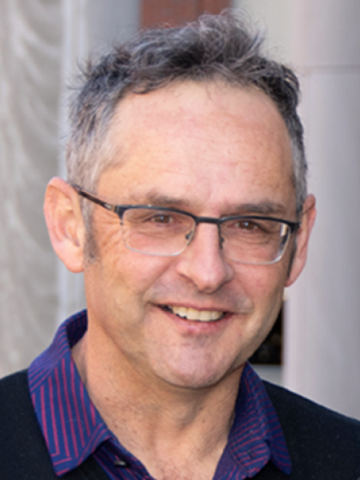

Tony Merriman, Ph.D., and Kenneth Saag, M.D.
Gout and calcium pyrophosphate deposition (CPPD) disease are the most common forms of inflammatory arthritis, affecting millions of people and contributing to significant pain, disability, and healthcare burden. Despite their prevalence, many questions remain about why some individuals progress from asymptomatic disease to severe, recurrent arthritis and why outcomes differ so dramatically between patients.
Leading the team are co-contact principal investigators Tony Merriman, Ph.D., and Kenneth Saag, M.D., both from the Department of Medicine, Division of Immunology and Rheumatology. The Crystalline Arthritis Research Platform (CARP) Initiative seeks to build a comprehensive research platform that will uncover the clinical and molecular drivers of disease progression, treatment response, and long-term outcomes in crystalline arthritis. The project will establish new infrastructure and generate critical preliminary data to support renewal of a NIH Center of Research Translation grant focused on these conditions.
The initiative represents a large-scale team science effort that brings together James Andrews, M.D., Andrea Burden, Ph.D., Isidoro Cobo, Ph.D., Jeffrey Curtis, M.D., MPH, Maria Danila, M.D., MPH, Jeffrey Edberg, Ph.D., Angelo Gaffo, M.D., Lesley Jackson, M.D., MPH, Richard Reynolds, Ph.D., all of the Department of Medicine, Division of Immunology and Rheumatology, Thomas Buford, Ph.D., Department of Medicine, Division of Gerontology, Geriatrics, and Palliative Care, Jorge Gamboa, M.D., Ph.D., Department of Medicine, Division of Nephrology, Kevin Riggs, M.D., MPH, Department of Medicine, Division of Preventive Medicine, Joseph Johnson, M.D., Department of Orthopaedic Surgery, and Richard Sayer, Ph.D., Department of Family and Community Medicine.
Through three interconnected research cores, the team will create repositories of patient biospecimens for advanced single-cell and multi-omics studies, develop a deeply characterized longitudinal patient cohort linked to regional and national healthcare data, and implement wearable technologies to track disease flares and patient outcomes in real-world settings.
By integrating cutting-edge molecular science with clinical data and digital health technologies, the CARP Initiative aims to accelerate discoveries that can improve diagnosis, personalize treatment, and identify new therapeutic targets for patients living with crystalline arthritis. The project will also strengthen UAB's position as a national leader in gout and CPPD research.
Project: Systematic validation of an MRI-derived surrogate of glymphatic clearance in humans
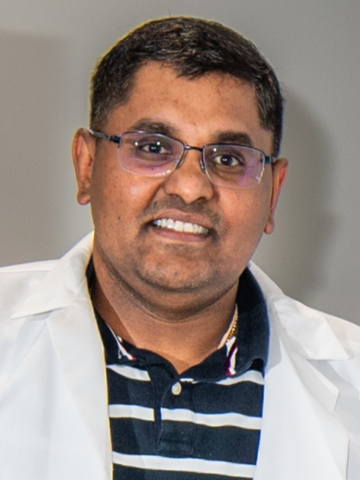
Virendra Mishra, Ph.D.
The brain has a remarkable system for transporting fluid and clearing proteins and other waste products that accumulate with aging. Increasing evidence suggests that this process, known as the glymphatic system, is influenced by sleep, vascular health, and other factors that may also play an important role in neurodegenerative diseases. Yet, researchers currently lack a reliable, non-invasive way to measure these processes in living humans.
Virendra Mishra, Ph.D., Department of Radiology, and this multidisciplinary team aim to develop and validate a novel MRI-based Glymphatic Function Index (GFI) that can serve as a biologically meaningful measure of brain fluid transport and waste clearance. Rather than relying on a single MRI measurement, the GFI will integrate complementary measures of cerebrospinal fluid dynamics, vascular pulsatility, perivascular spaces, and tissue fluid mobility to create a more comprehensive picture of brain fluid physiology.
The study will examine how changes in sleep, including a night of sleep deprivation, affect these MRI measures and whether those changes correspond with independent blood-based markers of protein clearance, including amyloid-beta and phosphorylated tau. The investigators will also evaluate how cerebral blood flow and vascular health influence these relationships. By combining advanced neuroimaging techniques with sleep studies and blood-based biomarkers, the investigators hope to develop a practical tool to study how sleep, vascular health, and aging influence the brain's ability to clear proteins associated with diseases such as Alzheimer's.
Mishra is collaborating with Victor Del Bene, Ph.D., Jerzy Szaflarski, M.D., Ph.D., and Erik Roberson, M.D., Ph.D., of the Department of Neurology, Stephen Thomas, Ph.D., Department of Psychiatry and Behavioral Neurobiology, Division of Behavioral Neurobiology, and Mahmud Mossa-Basha, M.D., Department of Radiology, bringing together expertise in cognitive assessment, sleep physiology, brain imaging, vascular health, plasma biomarkers, and advanced statistical modeling. Together, the team will combine MRI, overnight polysomnography, blood-based biomarkers, and cognitive assessments to develop and evaluate the GFI.
If successful, this work will establish a reproducible, non-invasive MRI approach for studying brain fluid transport and provide preliminary evidence for the biological relevance of the GFI. The resulting tools could enable researchers to more objectively investigate the relationship between sleep, vascular health, brain aging, and the accumulation of neurotoxic proteins, and ultimately support future studies exploring sleep-based strategies to protect brain health and slow the progression of neurodegenerative disease.
Strengthening research and transforming health through collaboration
The 2026 Team Science Grant awardees provide a snapshot of the breadth and depth of Heersink researchers’ expertise and highlight the importance of collaboration in addressing the health challenges faced by millions. Partnerships like these strengthen UAB’s research enterprise and accelerate innovative discoveries that will improve health outcomes not only here in Alabama but across the world.