The Southeastern Biosafety Laboratory Alabama Birmingham (SEBLAB) at UAB is one of 12 Regional Biocontainment Laboratories funded by the National Institute of Allergy and Infectious Disease. The SEBLAB serves as a catalyst for scientific and translational discovery on biodefense and emerging infectious diseases, and aims to protect the United States from biothreats, emphasizing biodefense by supporting research for new therapeutics and diagnostics for emerging infections, and ensuring surge capacity during public health crises.
The SEBLAB recently awarded three $25,000 pilot grants to foster innovative research on Risk Group 3 pathogens. Each awardee will work closely with Sixto M. Leal, Jr., M.D., Ph.D., Jay M. McDonald Endowed Professor, and director of both the SEBLAB and Division of Laboratory Medicine, UAB Biosafety, and the SEBLAB Core Research Team, Douglas Fox, Ph.D., Francisco Dominguez, Ph.D., and Sawanan “Por” Saitornuang, Ph.D., to advance this work.
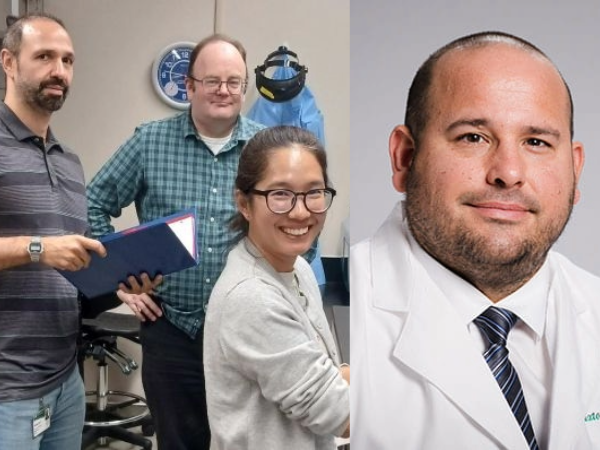 SEBLAB core research team (left): Drs. Dominguez, Fox, and Saitornuang; (right): Dr. Sixto Leal
“With recent investments from the National Institute of Allergy and Infectious Disease, we’re able to lower the barrier for investigators that have never researched these pathogens before,” said Leal. “Awardees will be able to safely and effectively investigate hypotheses and generate data within a high containment environment.”
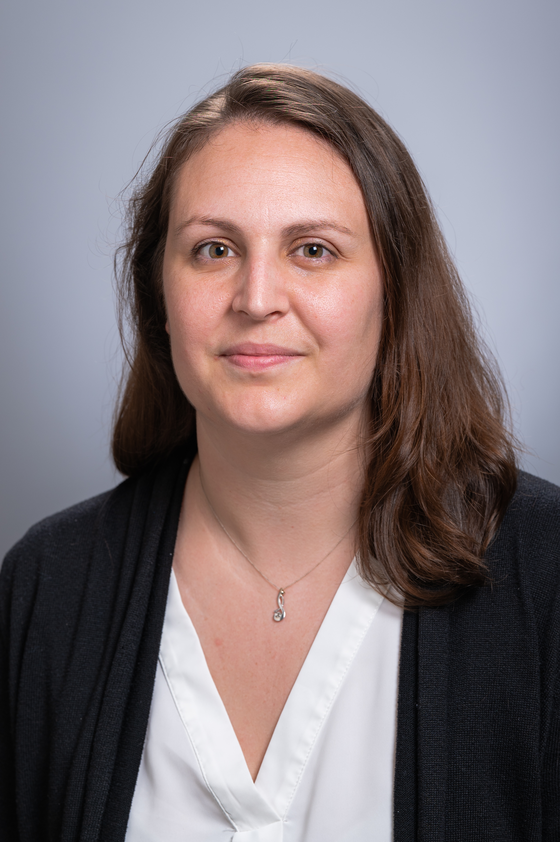 Dr. Camila Bell
Camila Bell, Ph.D., an assistant professor in the Division of Molecular and Cellular Pathology, was named a recipient for her project, titled “Neutrophil-derived Extracellular Vesicles as Drivers of Immunopathology in Tuberculosis.” Bell’s proposal will address the causality between neutrophil elastase and extracellular vesicles, an unknown interaction in tuberculosis pathogenesis, to generate critical preliminary data for future studies. Bell believes the linkage represents a key mechanism in immunopathology and impaired bacterial control in tuberculosis.
“This funding represents a unique opportunity to investigate an entirely unexplored mechanism of tuberculosis pathogenesis by integrating our expertise in extracellular vesicle biology with established models of Mycobacterium tuberculosis infection,” said Bell. “The resulting preliminary data will lay the foundation for a transformative research program aimed at targeting neutrophil-derived extracellular vesicles to improve tuberculosis outcomes.”
 Dr. Shah Hussain
Shah Hussain, MBA, Ph.D., an assistant professor in the Department of Medicine was named a recipient for his project, titled “Cigarette Smoke-Induced MicroRNA Dysregulation Regulates Antiviral and Epithelial Responses During Highly Pathogenic Avian Influenza Infection.” Hussain’s study will provide fundamental insight into the molecular mechanisms by which smoking increases influenza severity and may identify novel miRNA-based therapeutic targets to enhance antiviral immunity, reduce airway injury, and limit pathologic mucus remodeling.
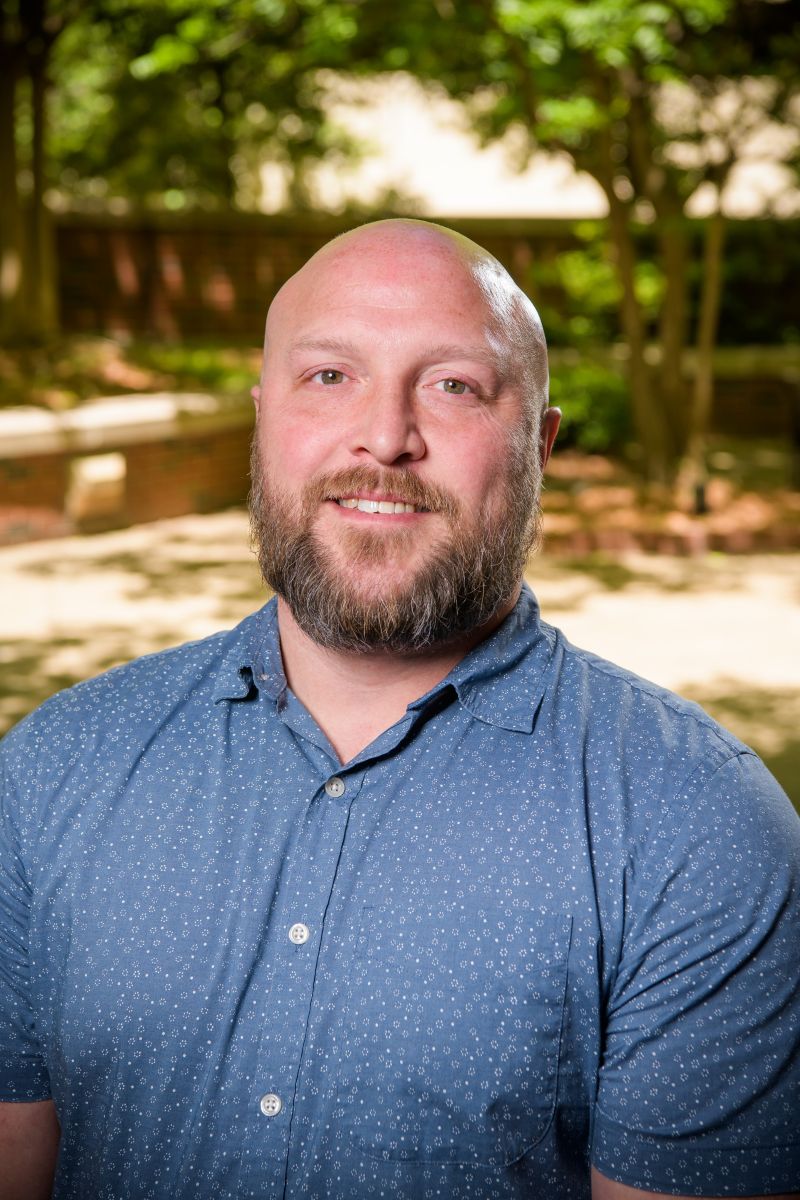 Dr. Nicholas Lennemann
Nicholas J. Lennemann, Ph.D., an assistant professor in the Department of Microbiology, was named a recipient for his project, titled “Establishment of Jingmenvirus Molecular Platforms for Outbreak Preparedness.” Despite the discovery of jingmenviruses in 2014, there have only been 3 publications that describe the molecular biology of the infections. However, these viruses have been found to represent emerging zoonotic pathogens that can cause or exacerbate diseases. Lennemann’s goal is to develop biological systems to study jingmenviruses in the SEBLAB and promote the future development of NIH-funded research programs.
“I’m excited to start working with the staff in SEBLAB on this new project,” said Lennemann. “It is a great opportunity to establish a group at UAB working on this new field in virology.”