Angela Carter, Ph.D., assistant professor in the UAB Division of Surgical Oncology, has been selected to receive an O’Neal Invests Catalyst Award from the UAB O’Neal Comprehensive Cancer Center.
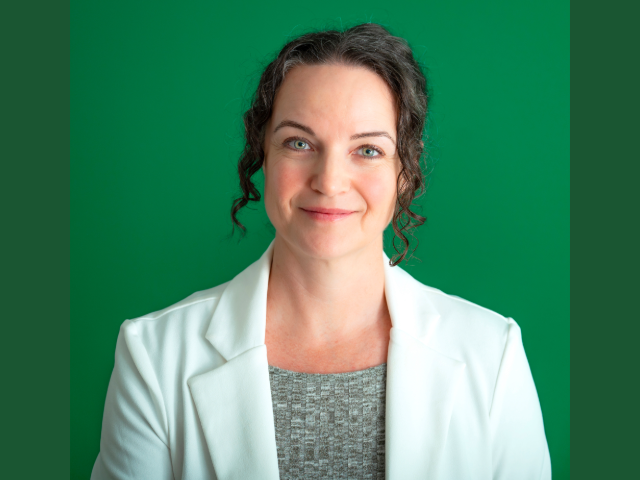 Carter’s project is a collaboration with UAB Division of Gastrointestinal Surgery, Karin Hardiman, M.D., Ph.D., Associate Director of the Physician scientist development office. The team investigates how amphetamine exposure may alter the human microbiome in ways that promote formation and progression of colorectal cancer. This work addresses substantial gaps in understanding how environmental and behavioral factors influence tumor biology. This project was selected for funding based on its strong scientific premise, its innovative approach, and its potential to advance understanding of how substance exposure may influence microbiome-driven cancers.
The Catalyst Award provides $50,000 in research support funded through the Richard A. Elkus, M.D., Eminent Scholars Program to generate the preliminary data necessary for future R01-level NIH funding.
Community engagement is an important aspect of the funding. Awardees are expected to disseminate their findings through the Office of Community Outreach & Engagement (COE), which provides opportunities to share scientific discoveries with the public through presentations, COE-sponsored events, and community-facing newsletters.
“This support allows us to explore a critically understudied link between substance exposure, the microbiome, and colorectal cancer risk,” Carter said. “Our goal is to uncover mechanisms that could ultimately inform treatment and improve outcomes for patients in vulnerable communities.”
About Dr. Angela Carter
Dr. Angela Carter is an assistant professor in the Division of Surgical Oncology in the UAB Department of Surgery. She earned dual Bachelor of Science degrees in Biology and Chemistry from Southeastern Oklahoma State University, followed by a Ph.D. in Cellular Signaling with an emphasis in Pharmacology from the University of Texas Southwestern Medical Center. Her doctoral work in the laboratory of Dr. Paul Sternweis centered on defining the regulatory mechanisms of GTPases, focusing on how catalytic activation and subcellular localization shape cellular signaling.
Her current research program investigates the molecular mechanisms that underlie host–microbe interactions, with the goal of leveraging these pathways to better understand and treat human disease including colorectal cancer.