Jacqueline Garonzik Wang, M.D., Ph.D., director of the UAB Division of Transplantation and co-director of the Comprehensive Transplant Institute, is the senior author on a multi-center study reporting the first U.S. clinical experience using normothermic machine perfusion to rescue donor kidneys declined through the national allocation system. The study, “The use of a centralized normothermic preservation and assessment center to rescue kidneys declined after standard allocation,” is published in the American Journal of Transplantation.
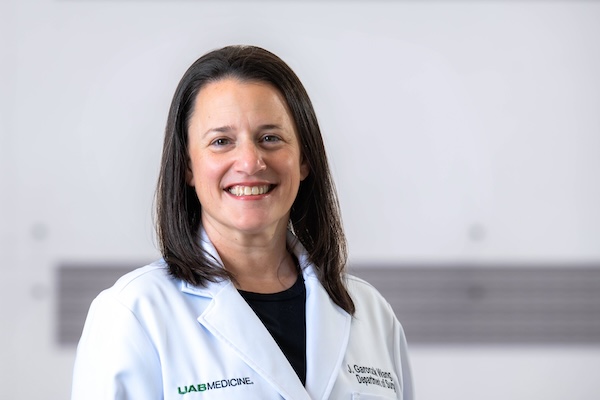 Jacqueline Garonzik Wang, M.D., Ph.D., director of the UAB Division of Transplantation and co-director of the Comprehensive Transplant InstituteNormothermic machine perfusion restores blood flow to the organ with an oxygenated solution and allows clinicians to measure organ function in real time. The approach provides information that traditional transplantation methods cannot – particularly for kidneys from older or higher-risk donors.
That limitation contributes to a growing problem. In 2024 alone, more than 9,000 recovered kidneys went unused in the United States, many from donors whose organs could still function after transplant but were declined because current methods offer no way to confirm viability.
In the study, kidneys that had exhausted standard allocation were sent to a centralized perfusion facility, assessed for over two hours, and transported to one of eight participating transplant centers. Of the 104 kidneys evaluated, 90% were rescued and successfully transplanted.
“Until now, there has been no procedural structure to objectively evaluate a kidney from a larger, more distant donation network,” Garonzik Wang said. “Normothermic machine perfusion has proven its value in other organ transplants through this process. Our hope is that this work establishes a pathway to bring those same benefits to the thousands of patients waiting for a kidney.”
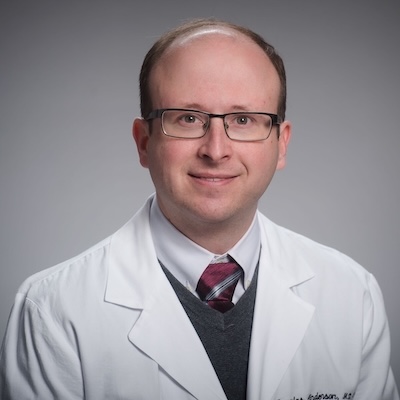 Douglas Anderson, M.D., M.S., Associate Surgical Director for the UAB Kidney Transplant ProgramA key finding of the study is the centralized model of organ assessment. Kidney normothermic machine perfusion has seen limited use in the United States because it is costly, technically complex, and lacks an FDA-approved portable device. By sending declined kidneys to a dedicated assessment center rather than having each transplant hospital maintain its own program, the study offers a model that could scale nationally. The number of transplants performed through the program increased over the course of the study, peaking at 18 in February 2025.
Building on the study's findings, UAB began their partnership with the centralized normothermic machine perfusion program in January 2026 and has since completed 16 successful transplants in the first two months of the initiative. Douglas Anderson, M.D., M.S., Associate Surgical Director for the UAB Kidney Transplant Program, performed the first case at UAB and has since led the majority of these procedures.
“This research and clinical expansion gives us the opportunity to reach a greater breadth of patients in an area that can greatly benefit from the increase in organ availability,” Anderson said. “I look forward to this program’s continued development and growth.”
In total, the study enrolled 93 recipients between April 2024 and March 2025. Collaborating institutions included the Icahn School of Medicine at Mount Sinai, NYU Langone Health, the University of Miami, Indiana University, Duke University, Erie County Medical Center, Washington University in St. Louis, the Edward Hines VA Hospital, and the University of Wisconsin.