Department of Medicine
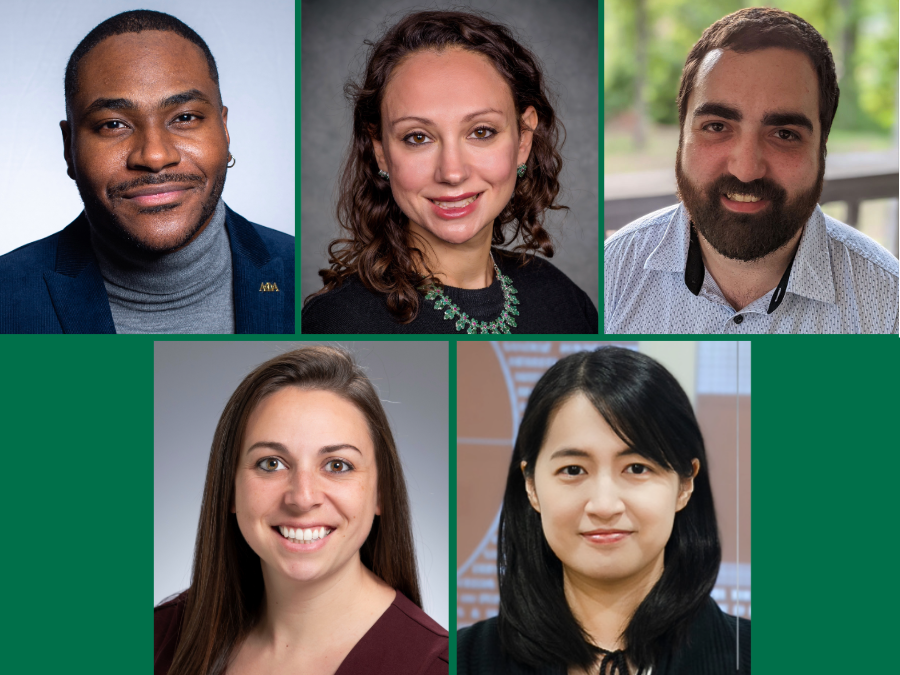
The UAB Heersink School of Medicine is proud to announce the 2026 Pittman Scholars. This prestigious honor recognizes assistant professors for their exceptional research achievements and their potential to make future contributions to their fields. To be considered, the honoree must have held the rank of assistant professor for fewer than five years. Named after former School of Medicine Dean James A. Pittman Jr., M.D., this award highlights the school's commitment to fostering innovation and excellence in medical research.
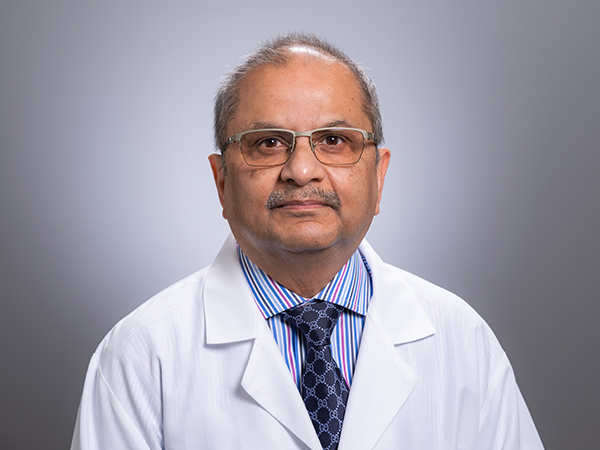
A new study led by Ananda Basu, M.D., professor in the UAB Department of Medicine Division of Endocrinology, Diabetes, and Metabolism, determines why early post-meal glucagon concentrations are higher in Type 1 diabetes (T1D) than in individuals without diabetes using a novel glucagon isotope tracer. His findings were recently published in the February 2026 issue of Diabetes.

One couple with faculty roots in the UAB Heersink School of Medicine not only contributed to the school’s clinical, educational, and research-driven missions while serving their respective departments, but they are now giving back to support future clinicians, mentors, and scientists in doing the same.
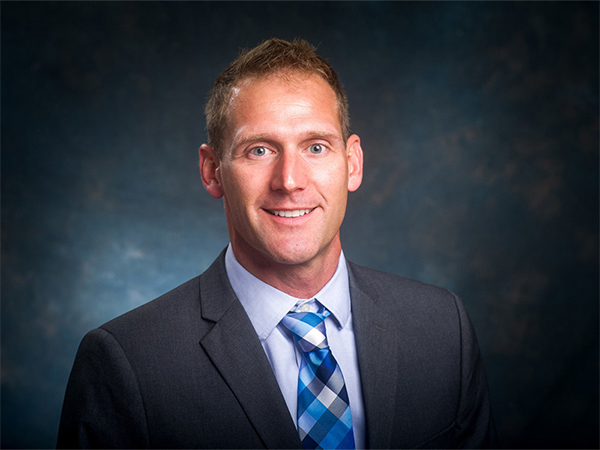
A new research study led by UAB Comprehensive Diabetes Center scientist Kirk Habegger, Ph.D., shows that cholesterol-lowering drugs enhance weight loss facilitated by glucagon receptor agonist obesity drugs.
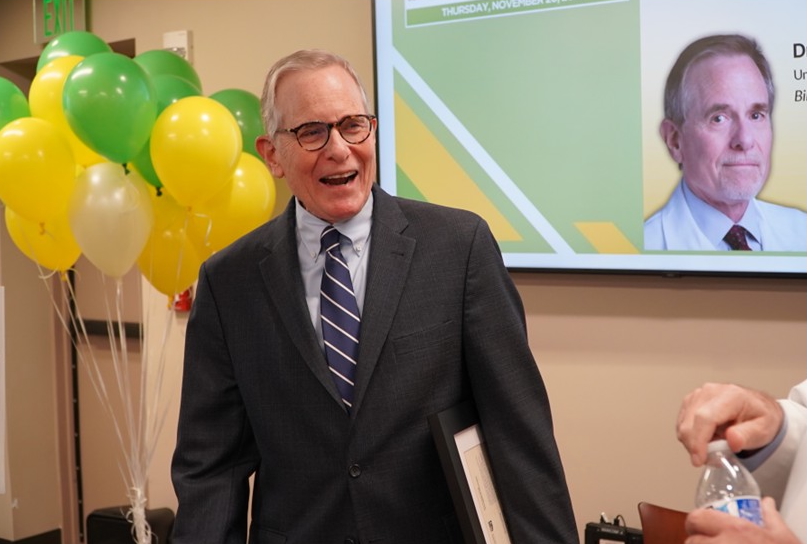
UAB Division of General Internal Medicine and Population Science professor emeritus William “Bill” Curry, M.D., has been named Alabama’s 2025 Community Star.
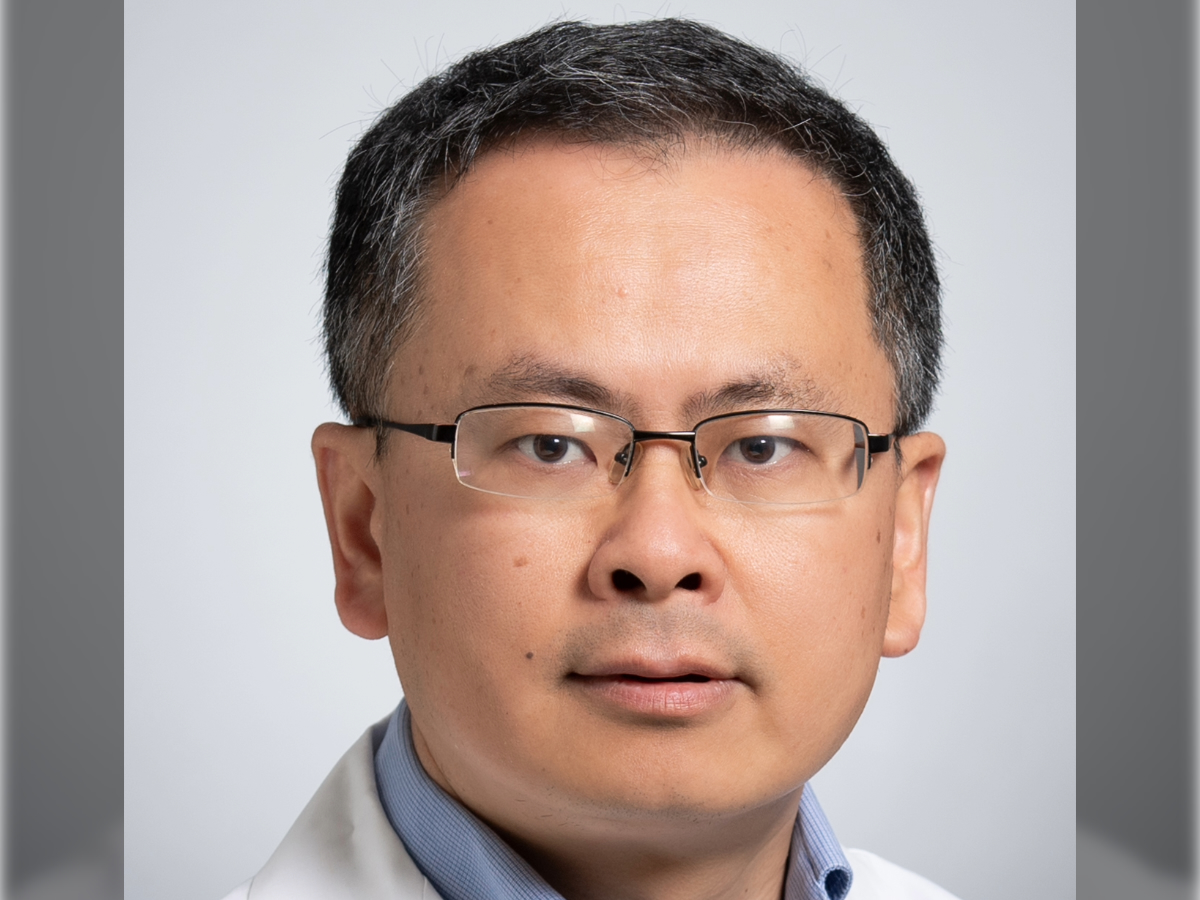
Gang Liu, M.D., Ph.D., and Huachun Cui, Ph.D., from the Department of Medicine, have received the school’s Featured Discovery award for research that uncovers a critical process behind lung scarring—work that could pave the way for new therapies for chronic lung disease.
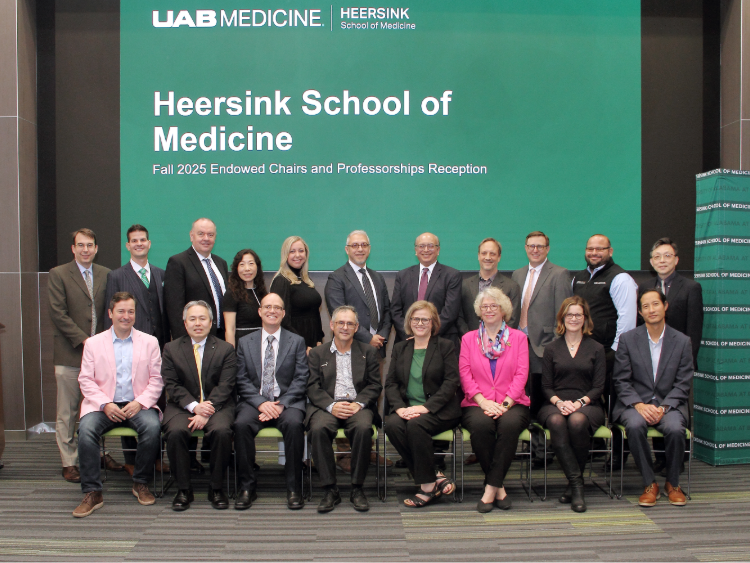
On Thursday, Nov. 20., the Heersink School of Medicine honored 20 faculty members at the Fall 2025 Endowed Chairs and Professorships Reception. This event recognizes Heersink faculty who have made major contributions to research, education, and clinical care.
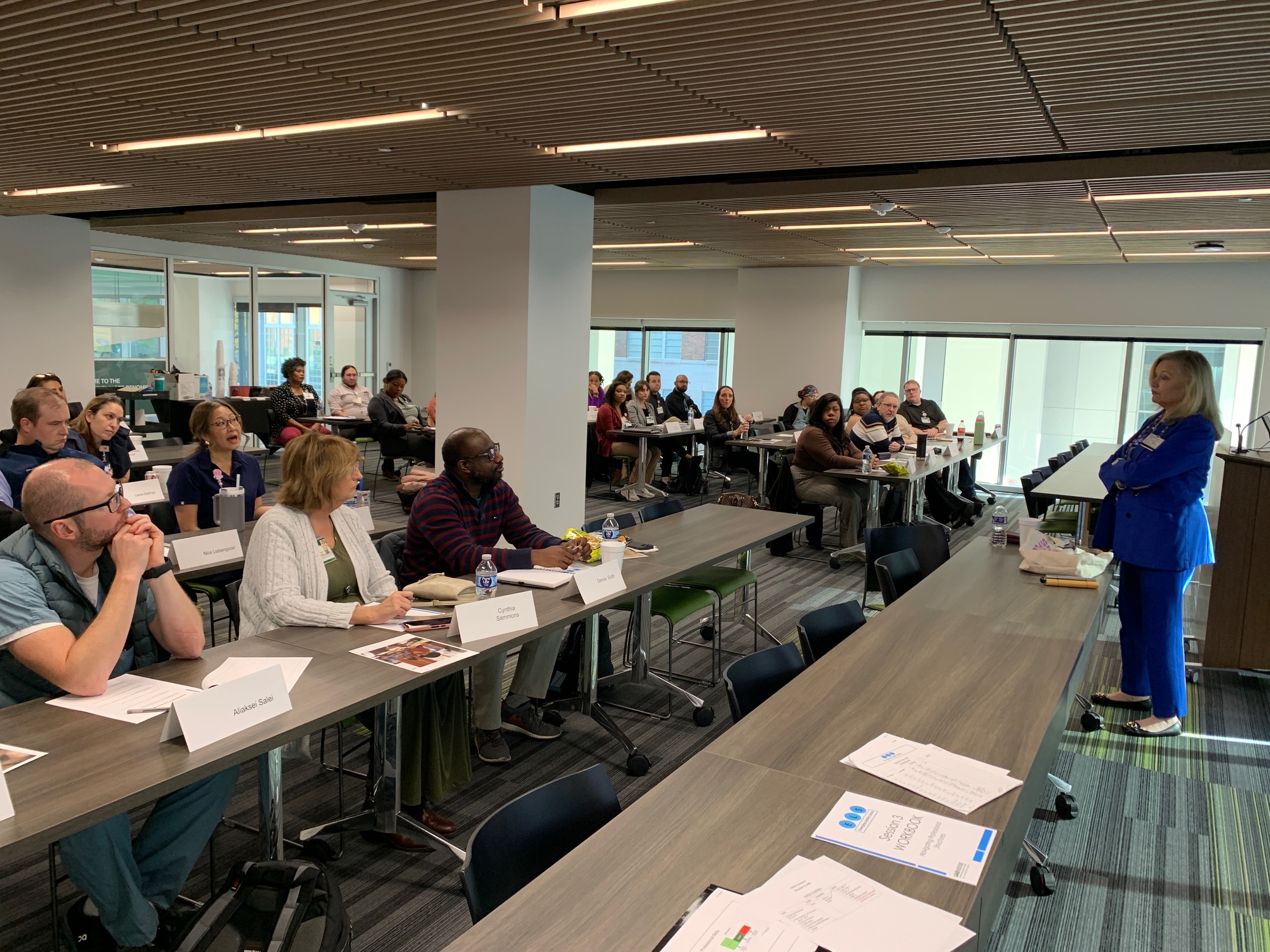
UAB Medicine’s Leadership Development Office (LDO) honored 33 graduates of the Emerging Leaders Series (ELS) fall 2025 Cohort 4 during a ceremony held on Thursday, Nov. 12. The cohort completed a multi-session program designed to strengthen leadership capability for emerging leaders across the enterprise.
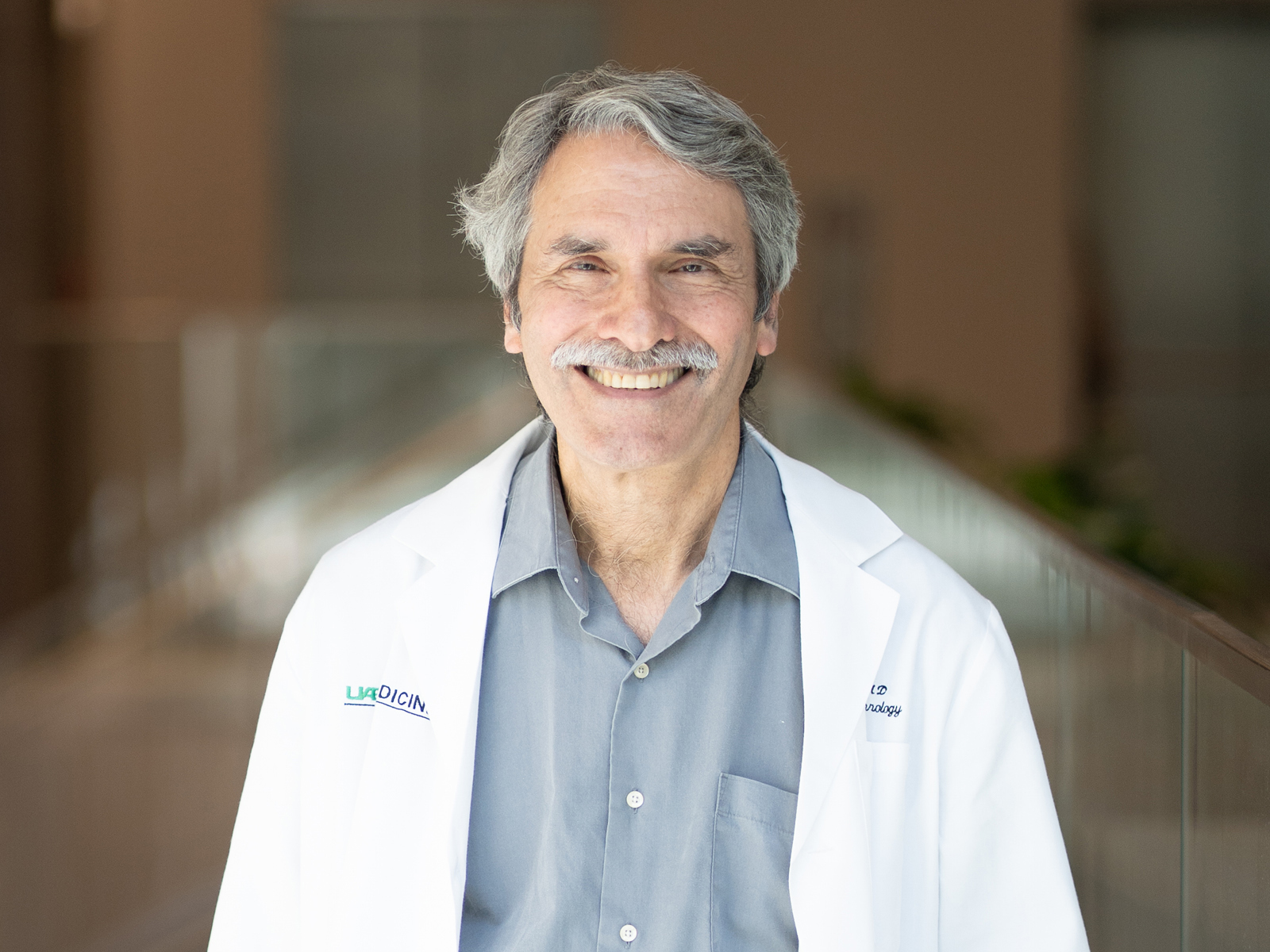
Early in his career, Michael Allon, M.D., professor in the UAB Division of Nephrology, Department of Medicine, noticed that the prevailing wisdom concerning vascular access did not match his observed experience.
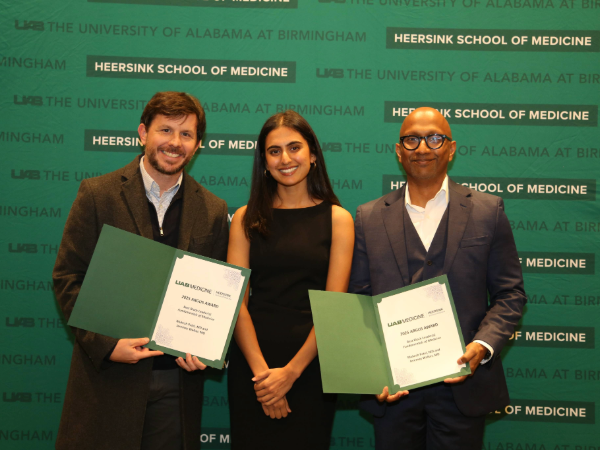
On Friday, November 14, 2025, students from the UAB Heersink School of Medicine gathered to celebrate faculty excellence during the annual Argus Awards Ceremony. Established to recognize outstanding contributions in medical education, the Argus Awards are determined entirely by student nominations and votes, honoring faculty, courses, and course directors who have made a lasting impact throughout the year.
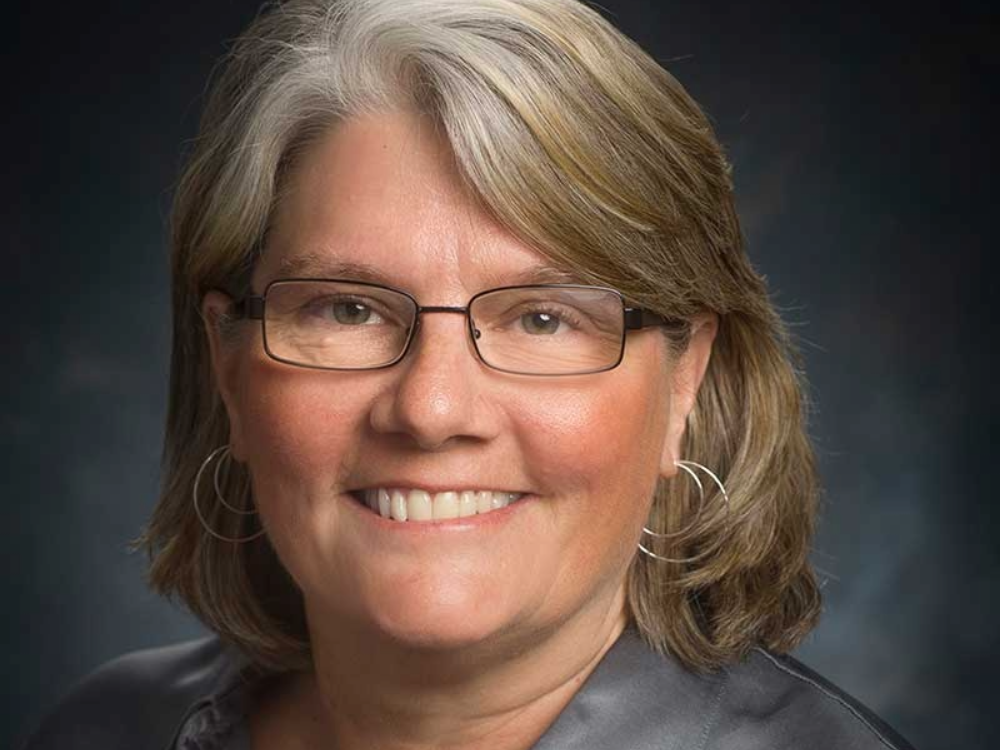
Jennifer Pollock, Ph.D., professor in the Department of Medicine, has been named the latest recipient of the school’s Featured Discovery award. This recognition celebrates notable research contributions made by faculty and highlights the impact of their scientific advancements.
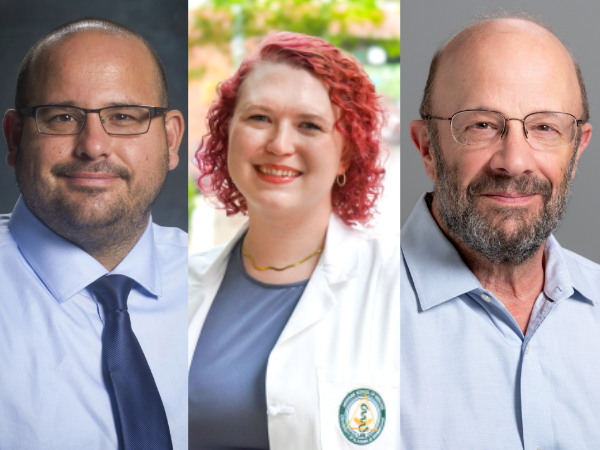
Chronic granulomatous fungal sinusitis is a rare, debilitating infection characterized by an enlarged mass in the nasal cavity or sinuses, facial pain and swelling, eye bulging, vision problems, headache and nasal congestion. While most cases are found in subtropical regions of Sudan, India, Pakistan and Saudi Arabia caused by Aspergillus flavus, a pathogenic fungus, cases have recently been identified in the Southeastern United States caused by Curvularia, an emerging pathogen.
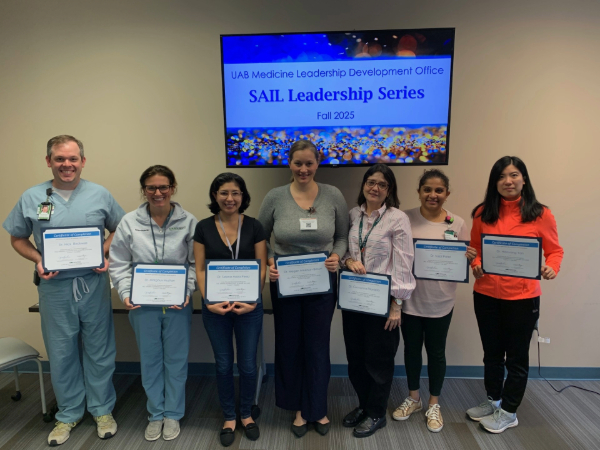
UAB Medicine’s Leadership Development Office (LDO) celebrated seven distinguished faculty members from the seventh cohort of the Sharing Authentically to Inspire and Lead (SAIL) program at a graduation ceremony on Tuesday, Oct. 21. The program, facilitated by Celeste Morgan, Ph.D., CDMS, senior leadership development specialist, is designed to help early-career faculty strengthen their leadership skills, refine their academic identities, and chart clear, sustainable paths toward long-term success.
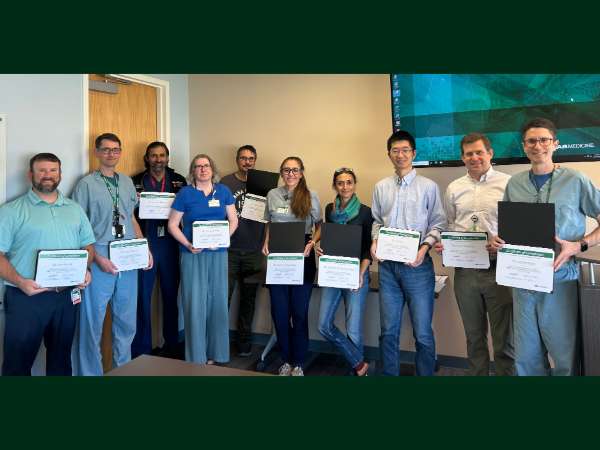
UAB Medicine’s Leadership Development Office (LDO) celebrated ten distinguished faculty members from the seventh cohort of the LEading, Advancing, Developing (LEAD) at a graduation ceremony on Thursday, Oct. 23. Facilitated by Kellie Carter, Ph.D., senior leadership development specialist, this cohort demonstrated a culture of growing leadership skills and advancing academic impact in the UAB community.
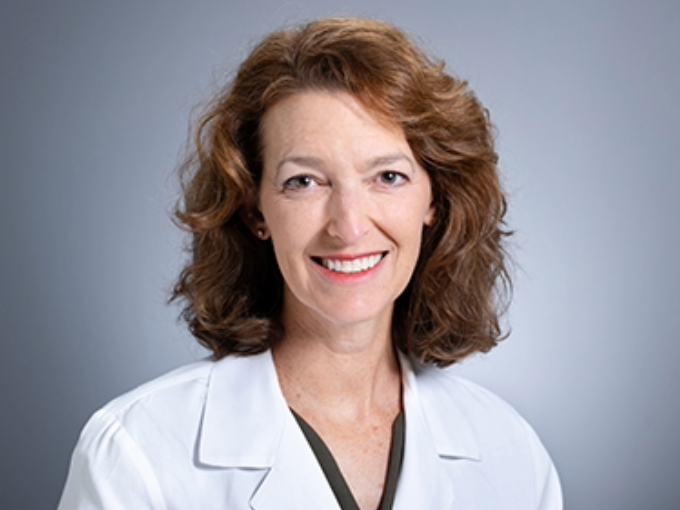
Lisa Willett, M.D., MACM, executive vice chair for the UAB Department of Medicine, has been named a recipient of the 2025 Alpha Omega Alpha (AOA) Robert J. Glaser Distinguished Teacher Award. This award honors educators who have made significant contributions to medical education. Willett will receive the honor at 2025 AAMC Awards Recognition Event on Wednesday, Oct. 22.
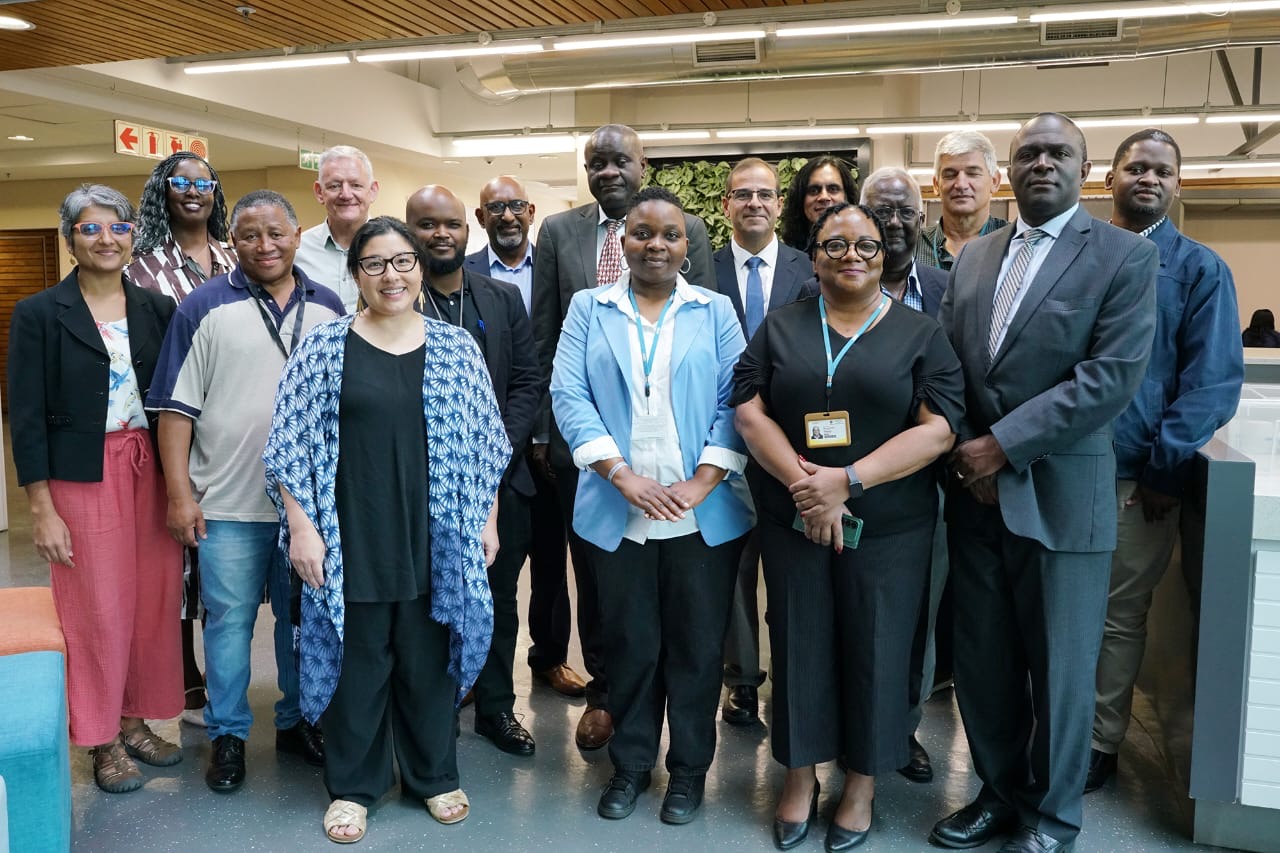
From September 21-27, 2025, a delegation from the University of Alabama at Birmingham (UAB) traveled to South Africa and Zambia to enhance institutional partnerships aimed at improving global health outcomes. The UAB delegation included Alan Tita, M.D., Ph.D., senior associate dean for Global and Women’s Health; J. Victor Garcia-Martinez, Ph.D., chair, UAB Department of Microbiology; J. Martin Rodriguez, M.D., FACP, FIPSA, Paul W. Burleson, M.D., Endowed Professor of Medicine; Rena C. Patel, M.D., MPH, MPhil, associate professor, UAB Department of Medicine, Division of Infectious Diseases, associate director, MHIGH Global Health Research; and Stephen Obaro, M.D., Ph.D., professor, Pediatric Infectious Diseases, associate director, MHIGH Faculty Engagement and Service Initiatives.
UAB Comprehensive Diabetes Center Scientist Kirk Habegger, Ph.D., will speak at the National Institute of Diabetes and Digestive and Kidney Diseases (NIDDK) glucagon physiology workshop, Feb. 9-10, 2026.
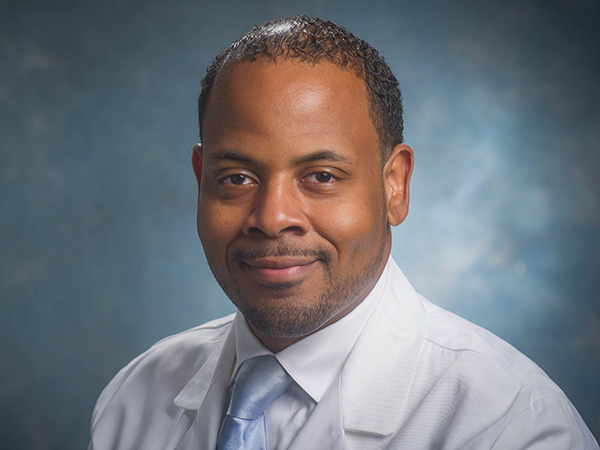
The Department of Medicine's brightest research minds came together on May 7, 2026, at the Altec/Styslinger Genomic Medicine and Data Sciences Building to honor its culture of innovation and discovery at the annual DREAM Council Awards Reception. Dozens of individuals were recognized for their scientific achievements across multiple categories, including announcements of two honorees for career excellence awards and four who received career development awards.
Gregory Payne, M.D., Ph.D., has been appointed director of the UAB Comprehensive Center, effective Oct. 1.
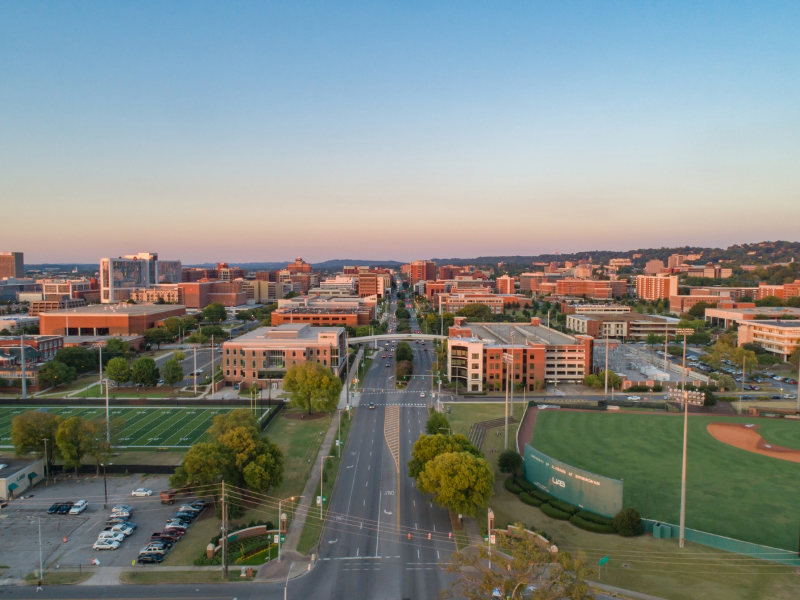
Starting in the fall, the Developing Emerging Administrative Leaders (DEAL) program will be managed by the HR Learning and Development team. This shift represents the university’s commitment to the success and development of its staff.

Ten Heersink School of Medicine staff have been honored with the 2025 Dean’s Excellence Awards. Now in its third year, the Dean’s Excellence Awards for Staff recognize individuals who have made significant and meaningful contributions to the school’s mission through their work in education, service, and research.
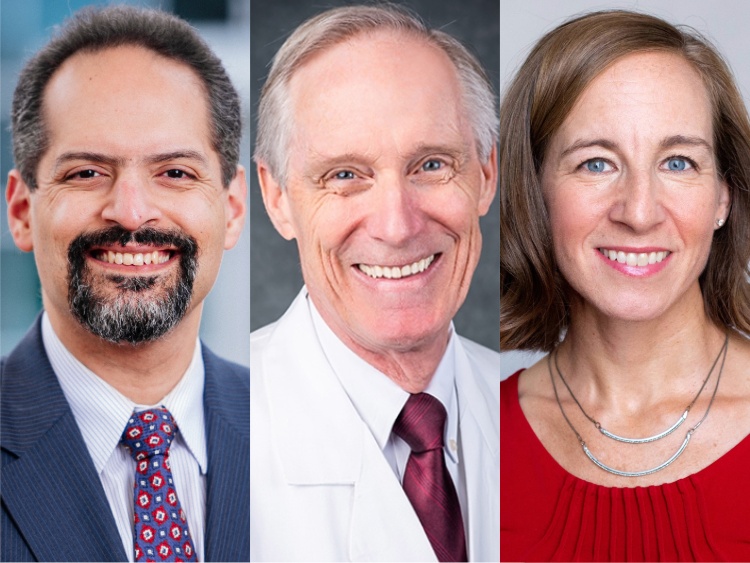
Since its inception, the Health Services Foundation General Endowment Fund (HSF-GEF) has played a pivotal role in advancing UAB’s mission of excellence in research, clinical care, and medical education. Established to support institutional initiatives that often fall outside traditional funding mechanisms, the HSF-GEF has become a cornerstone for building cutting-edge capacities within the academic health center. The program empowers faculty innovation, fosters interdisciplinary collaboration, and ensures UAB remains at the forefront of medical advancement.
Kirk Habegger, Ph.D., Professor of Medicine in the UAB Department of Medicine Division of Endocrinology, Diabetes and Metabolism, has received funding from Eli Lilly and Company to continue investigation of glucagon receptor activation in incretin-based obesity therapies.

Julius E. Linn Jr., M.D., who died Aug. 4, 2025, at age 84, devoted five decades of his professional life to advancing medical communication and preserving Alabama’s cultural heritage. His death marks the end of a remarkable career at The University of Alabama at Birmingham (UAB) that bridged the worlds of scientific research, medical publishing, and historical preservation.
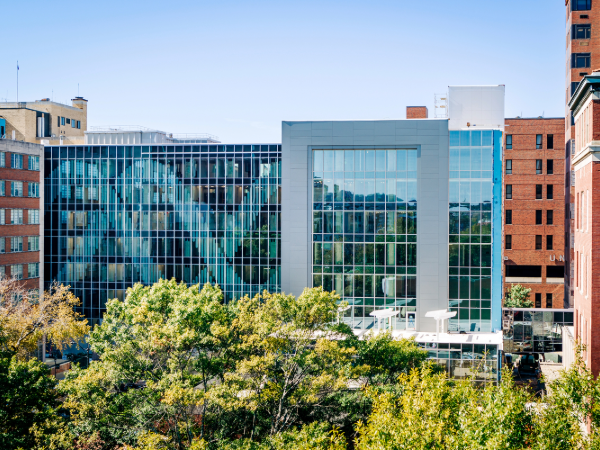
With the growth of clinical research and trials at the University of Alabama at Birmingham (UAB) and to meet the evolving needs of investigators and study teams, two longstanding support programs—the UAB Department of Medicine’s Clinical Research Enterprise (CRE) and the Center for Clinical and Translational Science (CCTS) Clinical Research Support Program (CRSP)—have merged to form the Clinical Research Support Enterprise (CReSt).
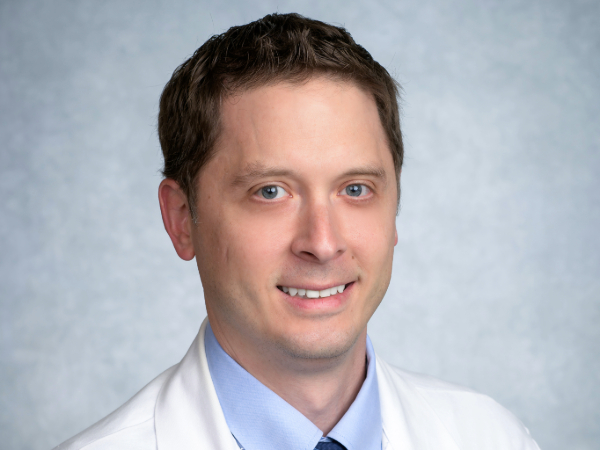
Joseph Johnson, M.D., associate professor in the Department of Orthopaedic Surgery at the University of Alabama at Birmingham (UAB), has been awarded a Pilot and Feasibility Study grant from the UAB Comprehensive Arthritis, Musculoskeletal, Bone and Autoimmunity Center (CAMBAC). His study, titled “Immunologic Phenotyping of Fracture-Related Infection Patients at Risk for Treatment Failure,” seeks to improve clinical outcomes for patients with fracture-related infections (FRIs) through early immunologic intervention.
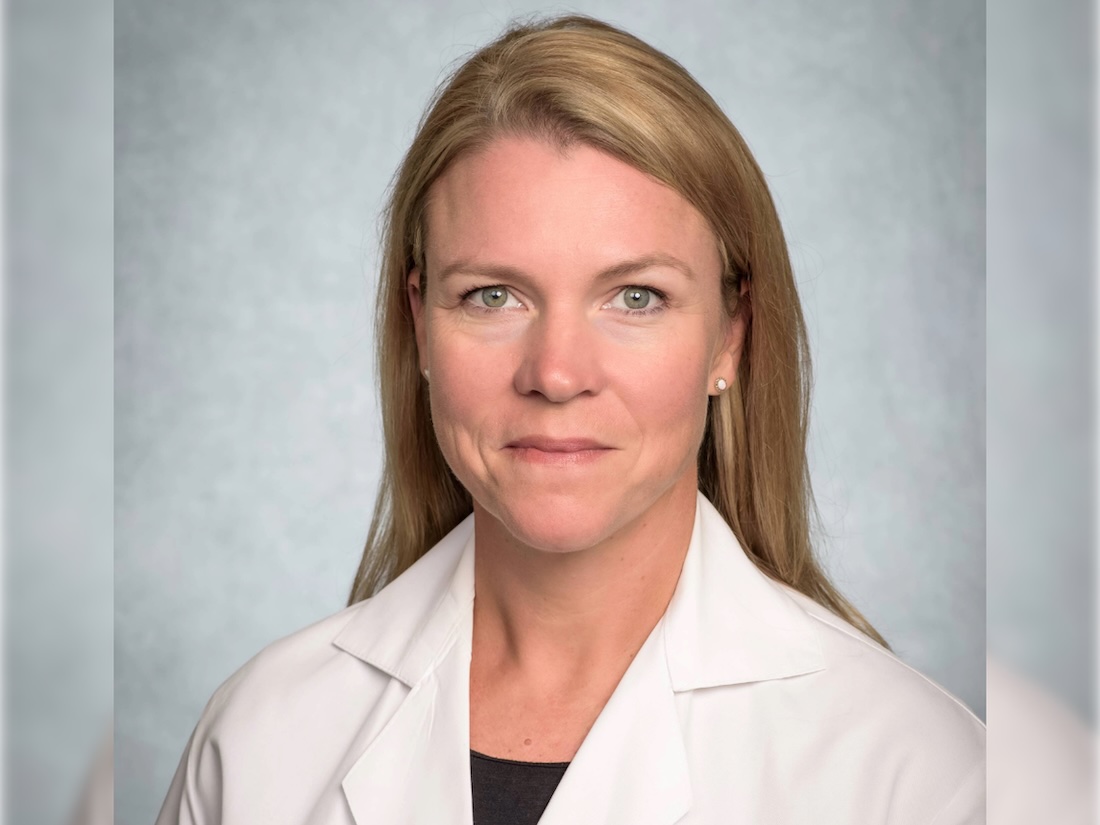
Amy Warriner, M.D., professor in the Department of Medicine, has been named the 2025 recipient of the Brewer-Heslin Award for Professionalism in Medicine.

After six years of pain, fatigue, and unanswered questions, Army veteran Jason Hall finally found hope through UAB’s Undiagnosed Diseases Program, which identified his condition and provided life-changing treatment within days. Today, Hall has regained his strength, mobility, and independence—and encourages others to keep searching for answers.
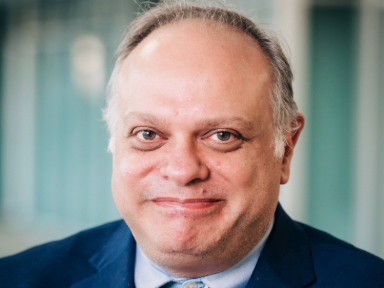
Bassel El-Rayes, M.D., professor in the division of Hematology and Oncology, has been named the latest recipient of the school’s Featured Discovery Award. This recognition celebrates significant research contributions made by faculty and highlights the impact of their scientific advancements.
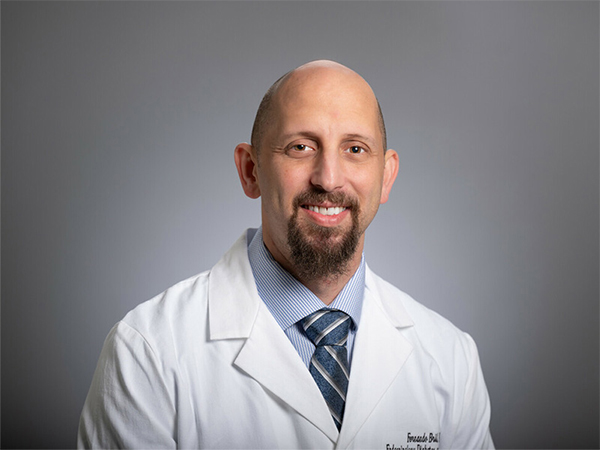
A new study led by UAB Comprehensive Diabetes Center Associate Scientist Fernando Bril, M.D., provides the first evidence that MASLD prevalence is beginning to decrease in adults with diabetes in the U.S. for the first time in decades. However, this good news is overshadowed by the significant increase observed in liver fibrosis.
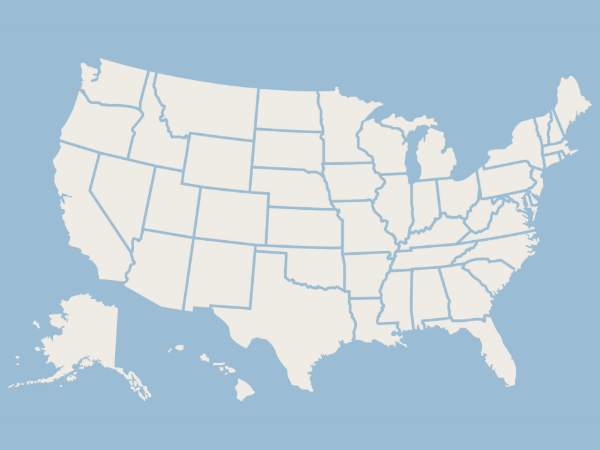
A recent study authored by UAB researchers in the departments of Neurology, Medicine, and Epidemiology analyzed a decade of data to reveal that lack of access to stroke-related clinical trials may limit access to innovative treatments in geographic regions with high stroke burdens. Stroke is a leading cause of death and disability, affecting more than 795,000 people annually, with age-adjusted mortality rates varying widely by state.

After a national search, Mark Dransfield, M.D., has been appointed chair of the UAB Department of Medicine, effective Sept. 1, 2025.
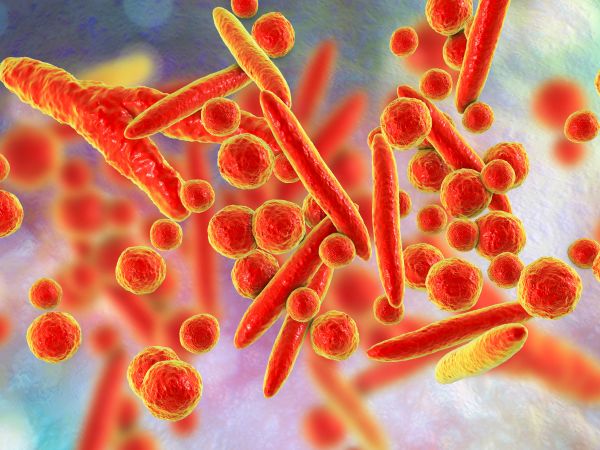
In the face of a bacterium that easily resists common antibiotics, members of UAB established testing to identify it in human disease. Mycoplasma, that is. Mycoplasmas are the smallest free-living organisms. They can cause drug-resistant bacterial infections that target various parts of the body, including respiratory and urinary systems and genitalia. Mycoplasmas commonly cause lung infections and often require a special antibiotic to treat the bacterium. Most antibiotics weaken bacteria by penetrating their cell walls. Mycoplasmas, however, don’t have cell walls to weaken.
Academic medical centers (AMCs) are among the United States’ most active hives of biomedical innovation thanks to their often robust research enterprises. Increasingly, AMCs like the Heersink School of Medicine play a central role in another realm of innovation: the biomedical/biotech start-up space.

Meet some of Heersink’s outstanding new faculty members. Each issue, we introduce you to several of the exceptional new faculty that have joined the Heersink School of Medicine. These outstanding recruits—just a few of the many new faces we welcome to our faculty each year—bring with them a wealth of expertise, impressive research portfolios, and a commitment to excellence in shaping the future of medicine and health care.
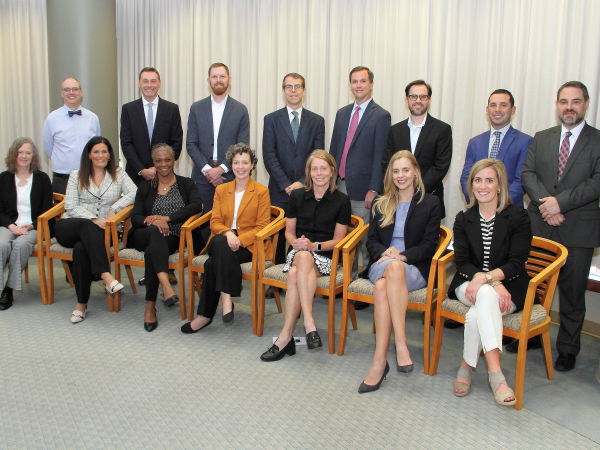
The UAB Medicine Institute for Leadership, the flagship program of the UAB Medicine Leadership Development Office, recently celebrated the graduation of its 10th cohort.
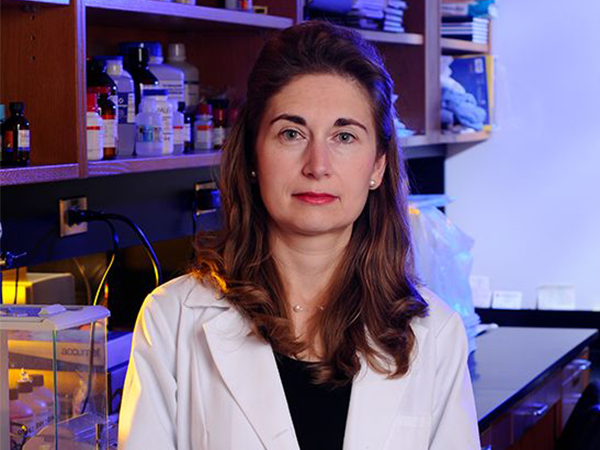
The University of Alabama at Birmingham startup TIXiMED, Inc., has successfully completed a Phase 1 single ascending dose study of the drug TIX100 in humans, marking a key milestone in the development of a first-of-its kind oral therapy for Type 1 diabetes (T1D).
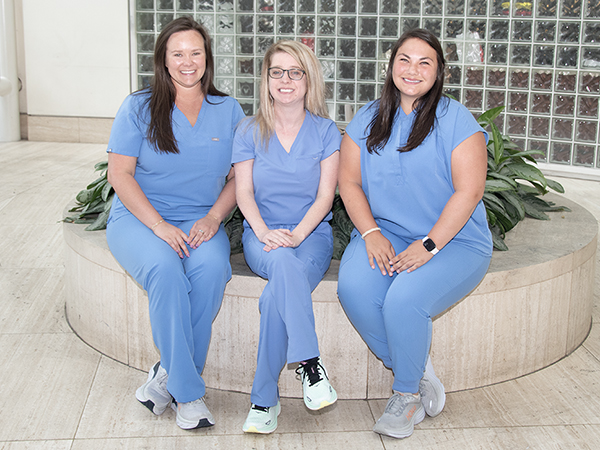
Chronic illnesses don’t take Saturdays off, and neither does the team at the UAB O’Neal Comprehensive Cancer Center Infusion Clinic. After experiencing a staggering 44 percent increase in patient encounters since 2020, this 84-bay infusion clinic turned to a dedicated team of multidisciplinary clinicians to pioneer Saturday infusion services. This highly trained team is ensuring that patients with cancer and other chronic diseases have access to critical treatments like chemotherapy and immunotherapy on the weekends, keeping them in the hands of trusted specialists and out of emergency rooms.
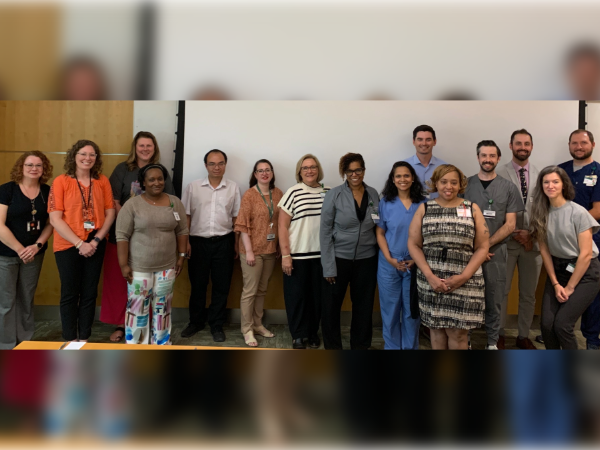
Twelve UAB employees recently graduated from the Emerging Leaders Series (ELS) spring 2025 leadership development program. The program, presented by the UAB Medicine Leadership Development Office (LDO), recognized its third cohort of graduates at a ceremony on June 5.
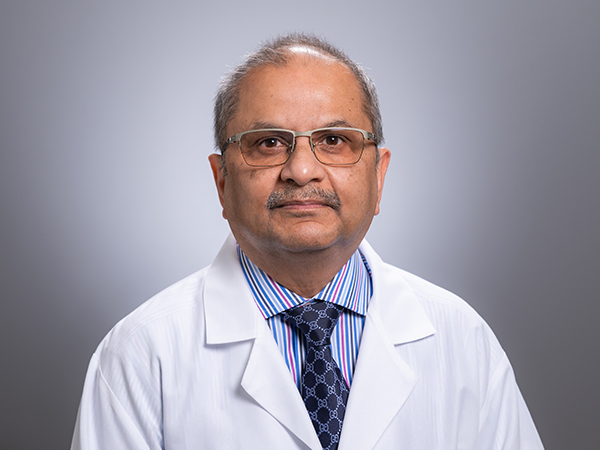
Ananda Basu, MBBS, MD, FRCP, M.D., has been appointed as an associate director of the UAB Comprehensive Diabetes Center (UCDC) and will play an integral role on the center’s leadership team.
A new study led by Ananda Basu, M.D., used novel non-radioactive, stable glucagon tracers for the first time to characterize glucagon metabolism in humans with and without Type 1 diabetes, providing tools for further exploration into pancreatic alpha cell function in both Type 1 and 2 diabetes and other metabolic disorders.
The UAB Pancreatobiliary Disease Center (PDC) hosted the second annual Hops & Hope Fair on Saturday, May 31, 2025 at Cahaba Brewing Company.
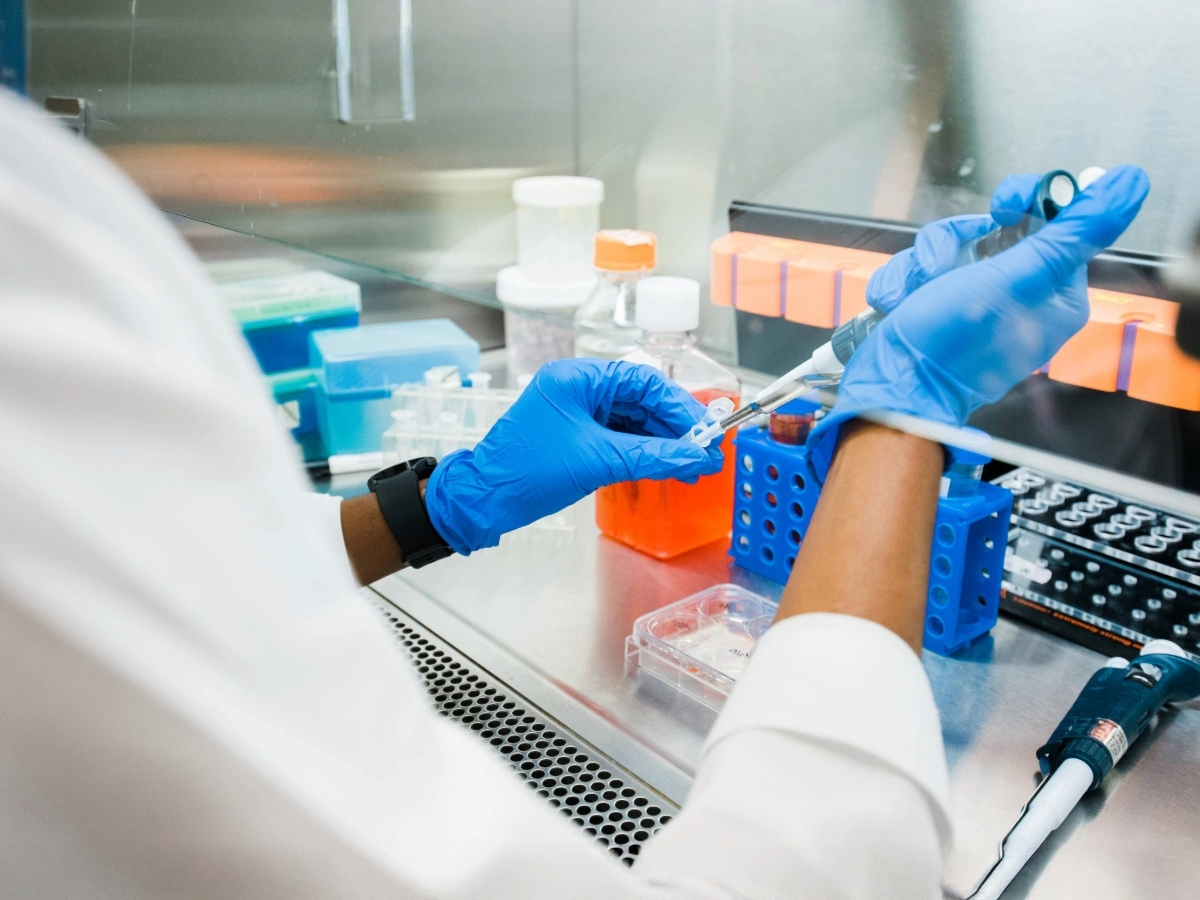
The UAB O’Neal Comprehensive Cancer Center recently announced five winners of the O’Neal Invests grant awards, two generously funded by the Breast Cancer Research Foundation of Alabama (BCRFA).

UAB Comprehensive Diabetes Center (UCDC) members and trainees will share their latest scientific findings at the world’s largest diabetes conference, the American Diabetes Association (ADA) 85th Scientific Sessions, June 20-23, at the McCormick Place Convention Center in Chicago.
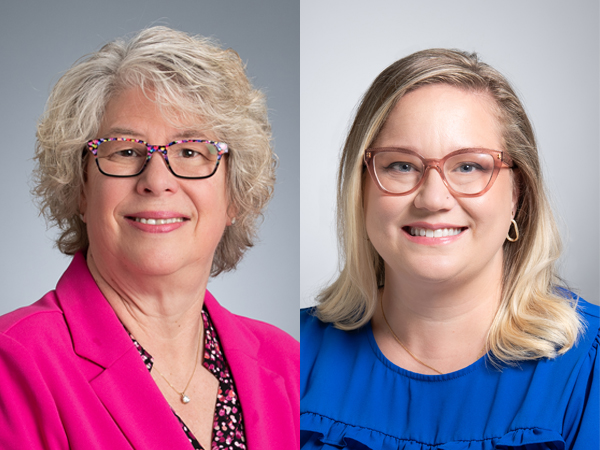
Infectious Diseases faculty Bobbie Van Der Pol, Ph.D., MPH, and Olivia Van Gerwen, M.D., MPH, were recognized by the American Sexually Transmitted Diseases Association for their outstanding contributions to the field.

The UAB Marnix E. Heersink School of Medicine recognized 15 faculty members for their outstanding contributions to research, education, and clinical care at the Spring 2025 Endowed Chairs and Professorships Reception.
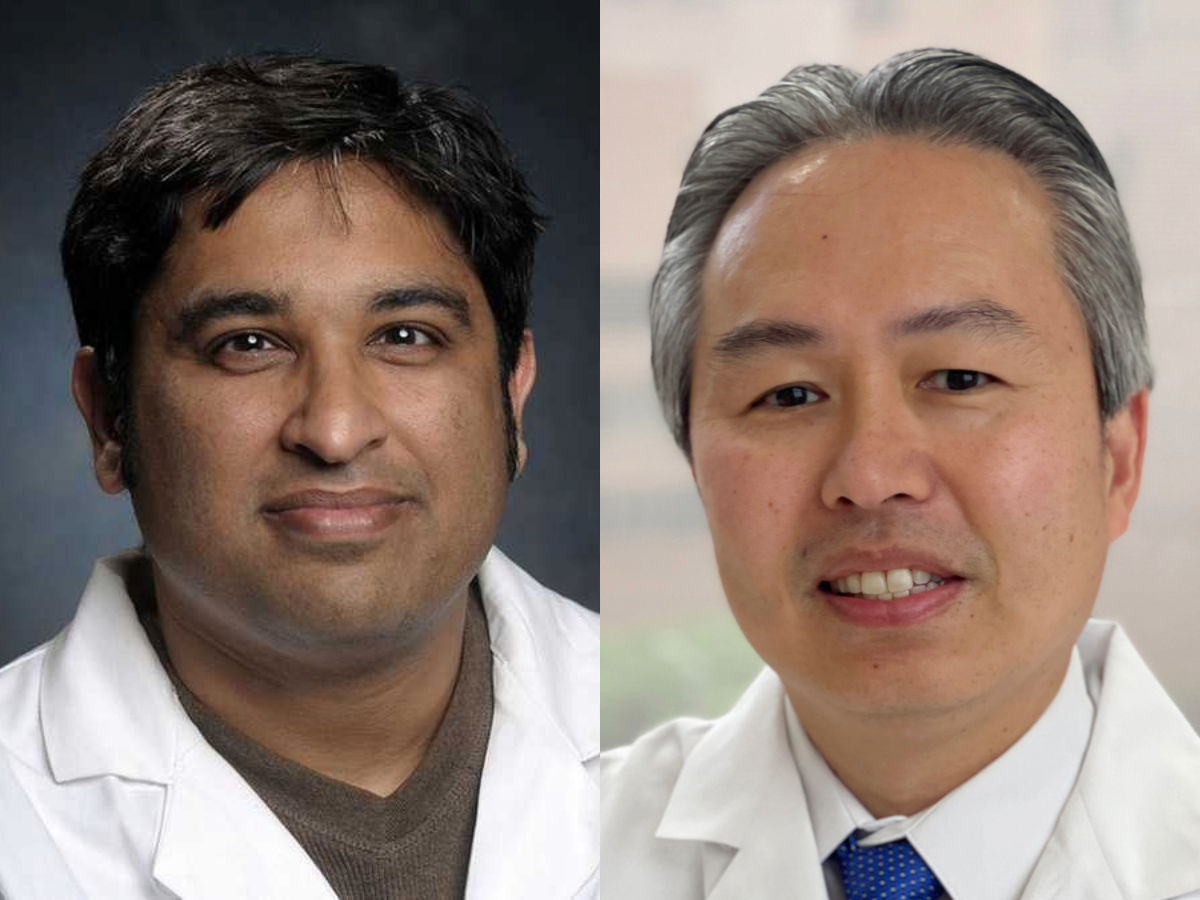
The UAB Heersink School of Medicine is proud to announce the recipients of the 2024/2025 Multi-PI Awards, each funded with $150,000 per year for two years. These awards recognize outstanding collaborative research efforts aimed at addressing critical health challenges.

The UAB Heersink School of Medicine is proud to announce the 19 winners of the 2025 Dean's Excellence Awards for Faculty.
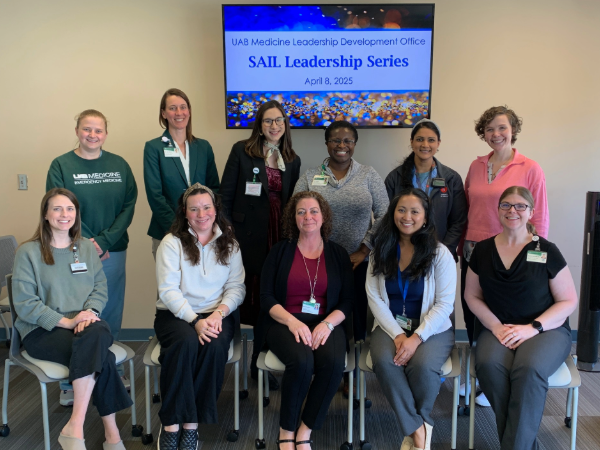
The UAB Medicine Leadership Development Office recently recognized eight individuals in its sixth cohort of Sharing Authentically to Inspire and Lead (SAIL). The spring 2025 graduates were honored at a ceremony on April 8.
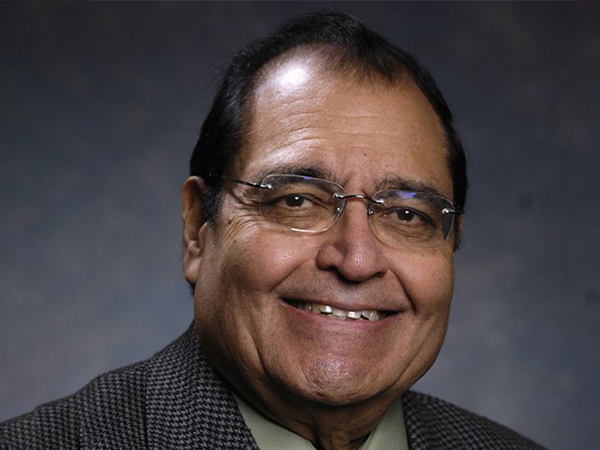
The American College of Cardiology (ACC), in partnership with the American Association of Cardiologists of Indian Origin, has named Navin Nanda, M.D., distinguished professor of Medicine and Cardiovascular Disease, as the new ACC International Service Award namesake.