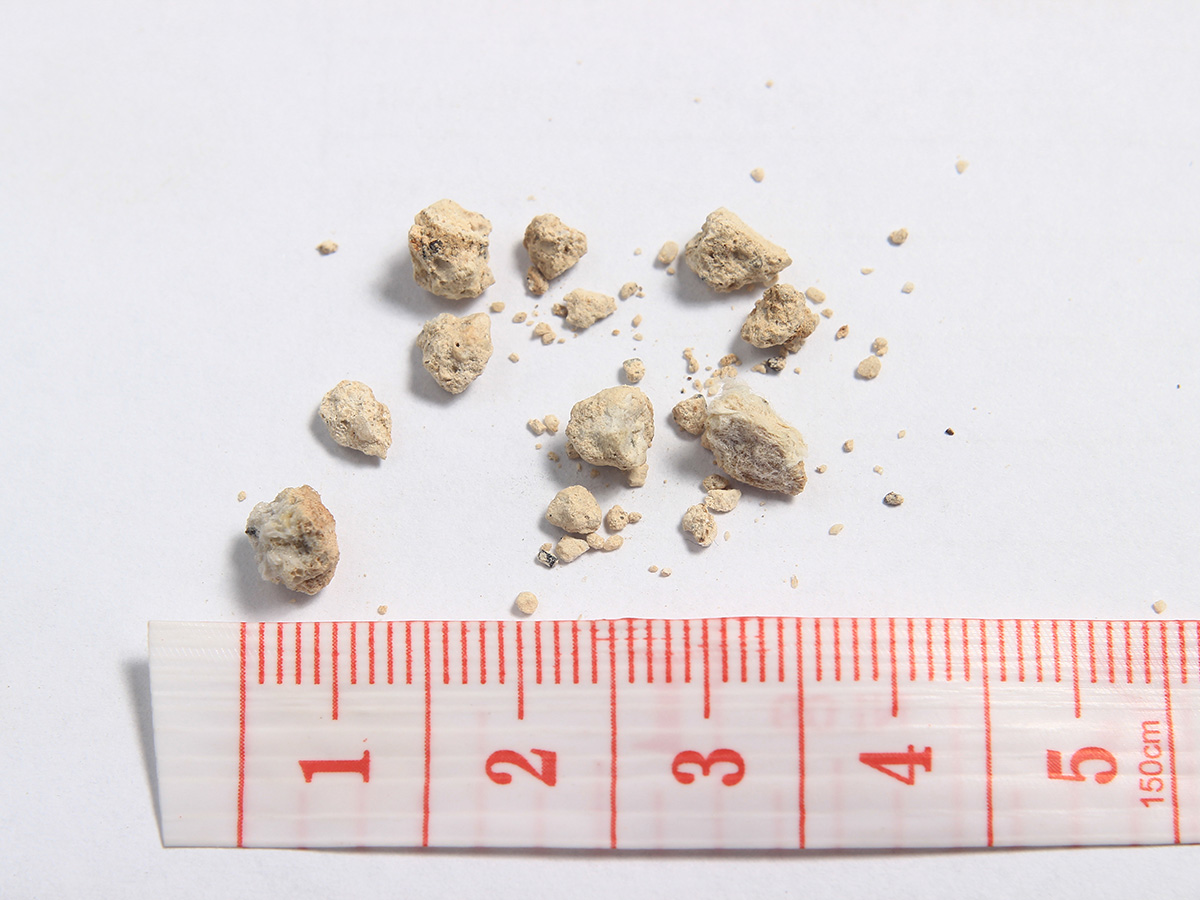
 As GLP‑1 medications become increasingly common for diabetes management and weight loss, questions have emerged about whether they influence the risk of developing kidney stones. Kyle Wood, M.D, associate professor in the University of Alabama at Birmingham Department of Urology, explains what current evidence shows and why hydration remains essential for anyone using these medications.
What the research shows
Use of GLP‑1 medications has expanded rapidly, yet according to Wood, clinical studies have not demonstrated a clear increase in kidney stone formation among people taking them.
“GLP‑1 medications do not currently appear to directly increase kidney stone risk,” Wood said.
Wood points to one large observational study from the U.S. Department of Veterans Affairs that suggested a potential association but emphasized that follow‑up metabolic evaluations have not supported that finding.
“There are multiple publications evaluating 24‑hour urines of those on GLP‑1 medications compared to those not taking the medication, and they show overall no increased risks,” he said.
Taken together, he explains, the available data do not support a direct link between GLP‑1 medications and nephrolithiasis, which is another term for kidney stones.
How GLP‑1 influences hydration
GLP‑1 medications can increase the risk of kidney stones through changes in eating and drinking habits. Wood says, because GLP-1s suppress appetite and slow gastric emptying, patients may unintentionally drink less throughout the day. At the same time, gastrointestinal side effects, such as nausea, vomiting and diarrhea, may contribute to additional fluid loss.
“Lower fluid intake and higher fluid loss reduce urine volume, and urine volume is one of the main determinants of stone risk,” Wood said. “With decreasing urine volume, the ‘bad’ molecules in urine can come together more easily and form stones.”
Lower urine volume creates conditions in which stone‑forming molecules can crystallize more easily.
Some individuals may be more sensitive to dehydration‑related stone formation while using GLP-1 medications. Those with a prior history of kidney stones have a higher baseline risk, and Wood says several other factors may increase vulnerability.
Cautions and precautions
“Those with gastrointestinal intolerance, older adults, patients who escalate doses quickly and people taking medications that increase fluid loss — such as diuretics — may all be more prone to dehydration,” Wood said.
Patients who typically drink very little or who run chronically low urine volumes may also need to be especially attentive when starting a GLP‑1 therapy.
For patients with a history of kidney stones, GLP‑1 medications remain a safe option when hydration is prioritized.
“A prior stone history is not a reason to avoid GLP‑1 therapy,” Wood said. “Patients with a history of kidney stones should be vigilant about their fluid intake.”
Meeting the American Urological Association’s recommended urine output of 2.5 liters per day generally requires around 96 ounces, or 3 liters, of daily fluid intake. GLP‑1 medications can make larger volumes uncomfortable, so smaller, more frequent sips throughout the day may be easier to tolerate.
“Patients on these medications may need to be more thoughtful about fluid intake throughout the day as they may lose some of their hunger and thirst drive,” Wood said. “Some individuals utilize smart water bottles to help remind them throughout the day.”
Wood emphasizes that hydration remains one of the simplest and most effective ways for GLP‑1 users, especially those with a history of stones, to support kidney health.