 UAB expert explains why allergy symptoms may trigger migraines and shares treatment and prevention strategies.
Seasonal allergies are known for causing congestion, sneezing and itchy eyes. But for many, they also cause migraines. During allergy season, people prone to migraines often notice their headaches’ becoming more frequent or intense.
Emily Schlitz Fortenberry, M.D., associate professor in the University of Alabama at Birmingham Department of Neurology, provides expert insight into the connection between seasonal allergies and migraines.
Migraines versus bad headaches
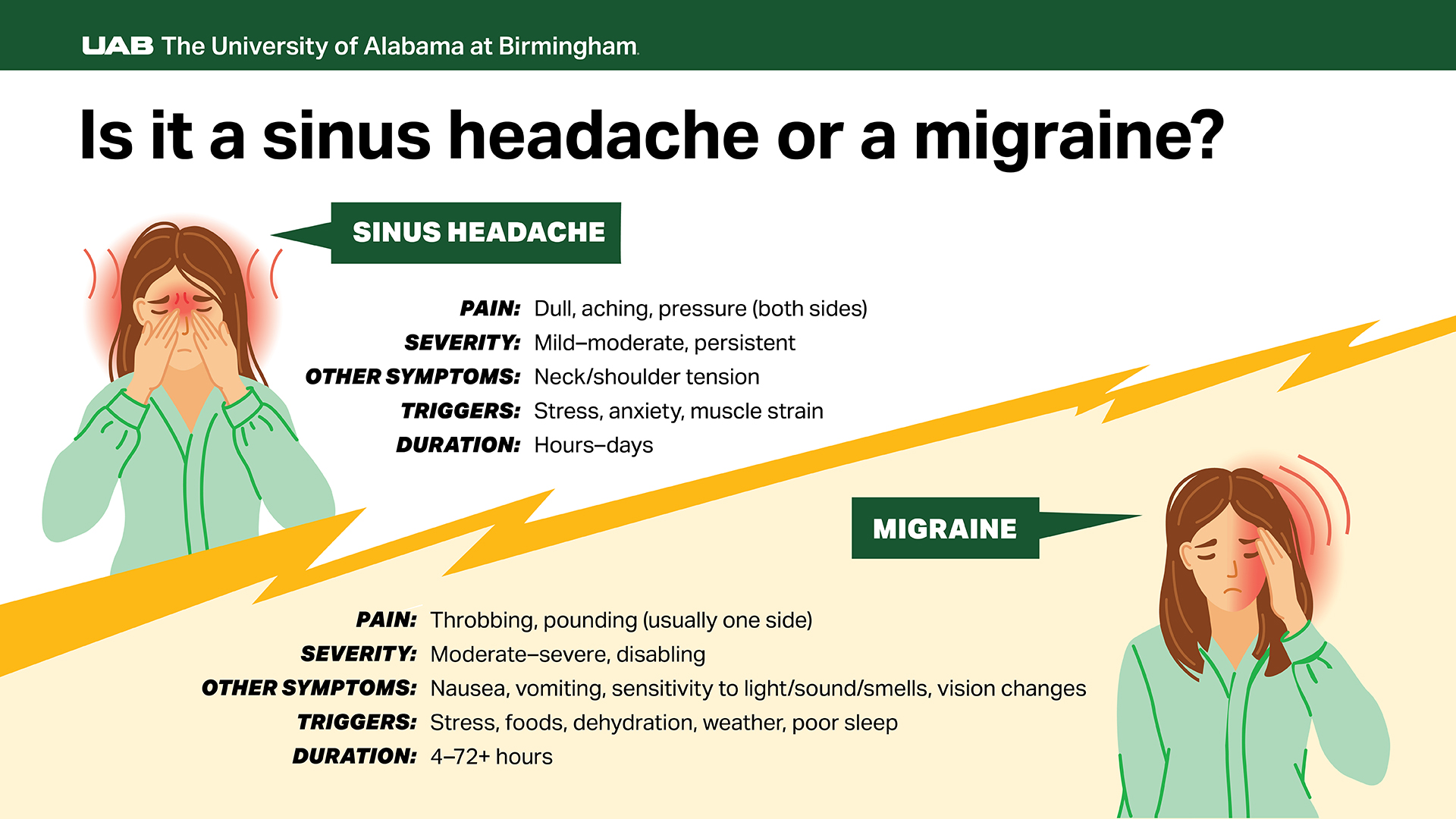
A bad headache can be uncomfortable, but most people with headaches are still able to go about their day. However, migraines significantly interfere with daily life. The intensity and accompanying symptoms often make it difficult to concentrate, work or participate in daily activities.
“Migraine headaches are often more severe and disabling,” Fortenberry said. “They are associated with intense symptoms such as sensitivity to light and noise, nausea and vomiting. Migraine-related pain is often worse with movement, requiring patients to lie down for the duration of the headache.”
In many cases, these migraine symptoms can last for hours or even days, making it difficult for individuals to maintain their overall quality of life.
How seasonal allergies worsen migraines
Patients frequently report environmental factors such as seasonal allergies and changes in weather as migraine triggers, Fortenberry says. Although the exact mechanism remains unclear, research suggests the connection is complex and likely involves multiple contributing factors.
One way seasonal allergies may worsen migraines is through their impact on sleep.
“Sleep deprivation or changes in one’s sleep patterns are common triggers for many migraine patients, and seasonal allergies often make it harder to get good rest,” Fortenberry said. “More research is fully needed to understand the connection, but ongoing inflammation and swelling in the nasal passages from seasonal allergies may also trigger migraines in people who are more sensitive.”
Multiple studies have found that migraines are more common in people with allergic rhinitis, Fortenberry says. “Healthcare costs related to migraine treatment also tend to spike during allergy seasons, further suggesting a connection between allergen exposure and increased migraine frequency in certain individuals,” Fortenberry said.
Treatments
Several studies have shown that immunotherapy, such as allergy shots, can reduce headache frequency in certain individuals with allergic tendencies.
“Factors like age and the degree of allergic sensitization often influence how effective these treatments are,” Fortenberry said. “Antihistamines, particularly first-generation types, can also be helpful, especially in patients whose seasonal allergies disrupt sleep.”
When taken at night, these antihistamines may aid sleep and help lower migraine frequency in those sensitive to sleep-related triggers.
Lifestyle changes
While medications are helpful, daily habits also play a crucial role in preventing migraines triggered by allergies.
“Healthy habits like staying hydrated, sleeping well, exercising regularly, limiting caffeine and managing stress can all reduce how often migraines occur,” Fortenberry said. “Patients should also be compliant with any prescription allergy medications or over-the-counter treatments recommended by their healthcare providers.”
Dehydration and skipped meals are often triggers, especially for people with allergy-related migraines. Fortenberry says environmental strategies, such as limiting outdoor activity during high-pollen days, can provide additional relief when combined with lifestyle measures.
It is important to know when to seek medical care. “When migraines are interfering with one’s quality of life and impacting a person’s ability to complete tasks necessary for daily life, they should seek medical care.”