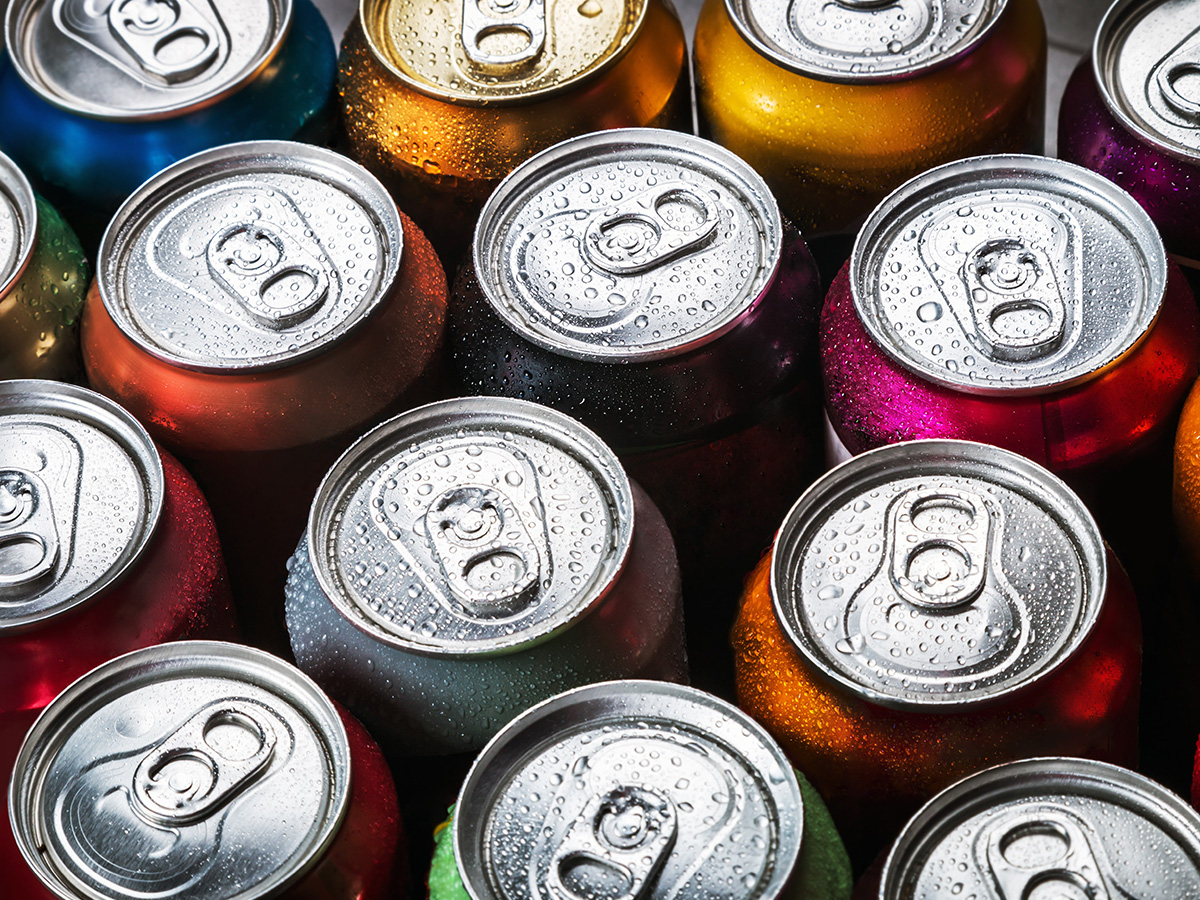
 While there is no causal link between energy drinks and cancer, indirect factors like high sugar content can contribute to obesity, a known cancer risk factor. Overconsumption of these ingredients is often a cause for concern.Energy drinks can provide a strong boost of energy for focus and fitness-related activities. However, they come with a list of potential side effects, including heart palpitations, high blood pressure and dehydration.
One common concern is whether these types of drinks cause cancer. Braden McFarland, Ph.D., associate professor in the University of Alabama at Birmingham Department of Cell, Developmental and Integrative Biology, weighs in on the scientific evidence surrounding energy drinks.
The science behind the concern
Energy drinks contain high levels of sugar, caffeine, B vitamins and taurine — an amino sulfonic acid known to support performance and focus.
While there is no causal link between energy drinks and cancer, indirect factors like high sugar content can contribute to obesity, a known cancer risk factor. Overconsumption of these ingredients is often a cause for concern.
Recent studies, as cited in a scientific article published in the journal Nature, revealed that taurine can help fuel already established leukemia cells.
“The investigators found that leukemia cells would grow faster when given taurine as a supplement,” McFarland said. “There is no evidence that taurine causes cancer directly but potentially yield caution to those already diagnosed with cancer and the utilization of taurine by the leukemia cells.”
Cancer cells use many substances for fuel that the human body cannot avoid, such as glucose. McFarland notes that B vitamins or other common energy drink additives do not pose a direct cancer risk when consumed at a reasonable level.
These findings may lead to question other types of caffeinated beverages, such as coffee and soda. Sugar-sweetened sodas pose similar cancer risk factors due to their high sugar content. Coffee has been associated with a reduced risk of certain cancers, likely because of its antioxidant compounds.
“Caffeine is consumed by almost everyone, and although consumption of caffeine is not linked to cancer, high amounts of caffeine are linked to other problems including anxiety, heart palpitations, and insomnia or sleep disturbances,” McFarland said.
The indirect health risks
Over time, regular consumption of energy drinks may contribute to weight gain, metabolic issues, and added strain on the cardiovascular system due to high sugar and caffeine content.
Frequent, high intake can increase these risks, which are indirectly associated with cancer. In contrast, moderate and infrequent consumption poses far fewer concerns.
“These indirect effects may raise cancer risk, since obesity and metabolic dysfunction are established contributors to several forms of cancer,” McFarland said. “Additionally, some research suggests energy‑drink ingredients might affect the gut microbiome, an emerging area of interest in cancer biology.”
Tips for safer energy drink consumption
While energy drinks are not directly linked to cancer, moderation and mindful consumption are key. McFarland encourages individuals to consider the potential indirect health effects and make informed choices about how and when they use energy drinks. For example:
- Limit energy drinks to occasional use, not a daily habit
- Choose lower-sugar and lower-caffeine options; consider coffee, tea or matcha instead
- Use energy drinks only as a short-term boost, not a solution for ongoing fatigue
- Talk with your clinician if you have underlying conditions, especially leukemia or other blood disorders
- Support energy naturally with adequate sleep, good hydration and balanced nutrition