Key Insights
- Holiday burn injuries are often preventable, and simple precautions such as never leaving cooking unattended, keeping children away from heat sources, and using space heaters and turkey fryers safely can significantly reduce the risk of fires and burns.
- Not all burns require emergency care, but large, deep or severely blistered burns, especially those involving the face, hands, feet or joints, should be evaluated by a medical professional as soon as possible.
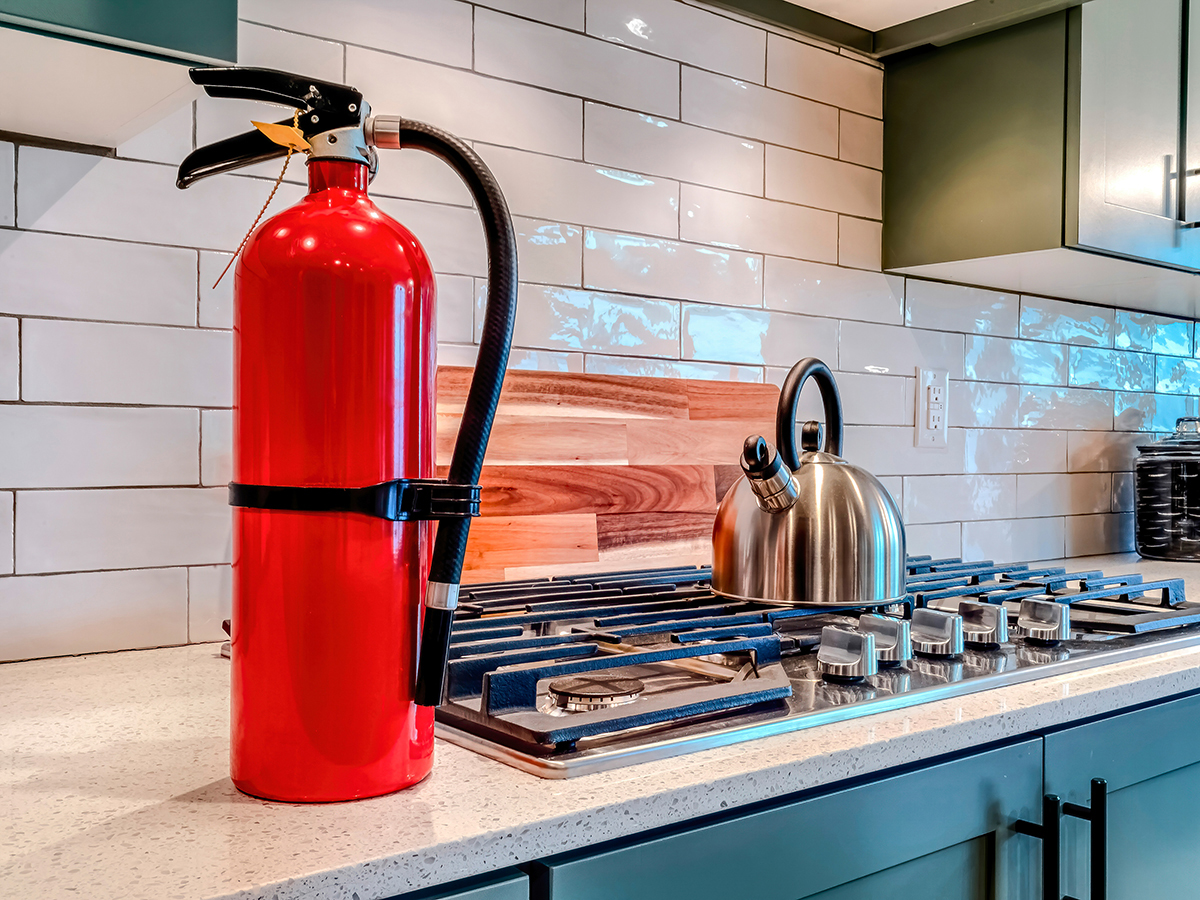 The holiday season is a time for family gatherings, festive meals and winter traditions. But it also brings an increased risk of fires and burn injuries.
Sarah Hatcher, burn educator at the University of Alabama at Birmingham Division of Trauma and Acute Care Surgery, says slowing down and staying aware of potential hazards can help prevent serious accidents during this time of year.
How to avoid kitchen fires
Unattended cooking is one of the biggest causes of fires in the home. Never leave actively cooking food on the stove without supervision.
“During the holidays, one of the biggest concerns is cooking-related burns from things like hot grease, boiling water or accidentally touching a hot pan,” Hatcher said. “With family coming over, kids running around and everyone trying to get several things done at once, it’s really easy to get distracted, and unfortunately, burns can happen within a second.”
Grease fires are a big concern because they can get hot quickly, and with more people and more activity in the kitchen, it is important to be aware of what is going on around the stove.
Keep dish towels, oven mitts and other flammable items a safe distance from the stove and oven.
Never use water or flour on a grease fire or electrical fire, as this can make the fire spread.
“If you can safely do so, turn off the heat and slide a metal lid or baking sheet over the pan to smother the flames and leave it covered until completely cool,” Hatcher said. “Never attempt to carry a burning pan outside because the flames and hot grease can spread and cause serious burns.”
If the fire cannot be safely covered, get everyone out and call 911.
How to safely use a turkey fryer
If planning to use a turkey fryer this holiday season, make sure to fully thaw the turkey before placing it in a fryer. Never use a turkey fryer indoors or in an enclosed space.
“Keep the fryer away from dry leaves, grass and other flammable materials, and make sure to not overfill it with oil,” Hatcher said. “It is worth noting that deep-frying a turkey is optional, as using the oven is always a safer alternative.”
How to avoid burn accidents in the kitchen
To help prevent burns in the kitchen, use back burners whenever possible, and keep pot and pan handles turned inward when cooking on front burners to reduce the risk of accidental spills.
Hatcher recommends identifying a safe place to set hot items down before removing food from the oven, to avoid fumbling with cookware.
“It’s important to know that moisture transfers heat much more quickly and can increase the risk of burns,” Hatcher said.
Parents should make sure kids stay at least 3 feet away from stoves, fireplaces, heaters, grills and other heat sources to help prevent burn injuries.
Hatcher says to keep hot beverages and other hot items away from the edges of tables and countertops, and remember that children can pull down tablecloths, bringing hot objects within reach.
“Holiday gatherings are typically when you see kids playing around the house, so making sure that kids do not play in the kitchen or near and around heat sources is important in preventing burn injuries,” Hatcher said.
What are some winter and holiday fire hazards?
“As temperatures drop, we see an increased use of space heaters and fires in the fireplace,” Hatcher said. “Keep space heaters at least 3 feet away from furniture, curtains and other combustible materials, and plug them directly into wall outlets rather than power strips or extension cords.”
Before using a fireplace, have the chimney and fireplace inspected, and always keep a protective screen in place while a fire is burning. Install smoke alarms on every level of the home, and test them monthly.
Holiday decorations can pose fire risks, particularly live Christmas trees, which can become highly flammable when dry. Make sure to water the tree to avoid it drying out, and keep it away from heat sources such as fireplaces, radiators and space heaters.
Remember to always turn off decorative lights when leaving the house or going to bed.
How to treat for minor vs. major burns
Minor burns can often be treated at home with prompt first aid. Minor burns typically do not cause a rupture in the skin. These tend to be surface level and may include redness, mild swelling, pain and skin that remains intact without extensive blistering. Minor burns may also appear sunburn-like in nature.
For minor burns, experts recommend following these tips:
- Cool the burn immediately with cool or room-temperature running water for 10 to 20 minutes.
- Avoid using very cold water.
- Do not apply ice, as it can further damage the skin and may increase pain.
- Remove any jewelry, watches or tight-fitting items from around the burned area.
- If hot grease or a hot liquid is spilled on a child, quickly remove any soiled clothing to stop the burning process.
- Never apply butter, mayonnaise, toothpaste or other home remedies, as this could irritate the burn, slow the healing process or increase the risk of infection.
- After the burn has been cooled, a thin layer of antibiotic ointment may be applied.
For more severe burns, seek medical attention as these cannot be treated effectively at home.
Hatcher says size, location and depth should all be considered when determining whether a burn should be treated at home or medical attention is needed.
“Burns that leave leathery skin, are white or have major blistering should be priority for medical attention,” Hatcher said. “If you’re having trouble cleaning the burn, changing the dressing or controlling the pain at home, seek medical care.”
While pain is a key indicator, Hatcher says for major burns this can be deceptive as some burns can be serious but not particularly painful.
“Don’t judge a burn by pain alone, as some deeper burns may hurt less,” Hatcher said. “Large or deep burns and burns involving areas like the face, hands, feet or joints need evaluation, and if you’re unsure, reach out for medical guidance. Here at UAB, we have a burn team to help evaluate and treat burn injuries.”