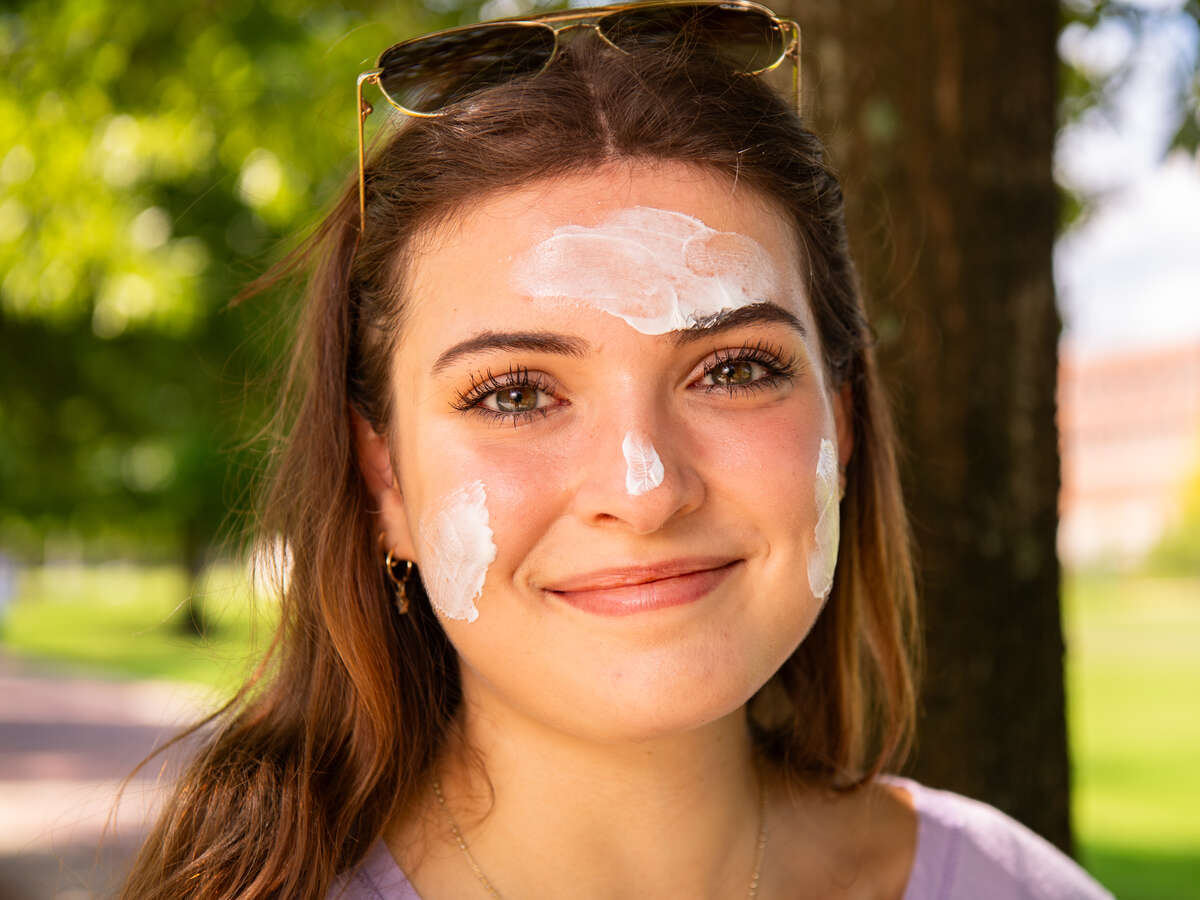
 UAB expert Lauren Kole, M.D., provides guidance for travelers on maintaining healthy skin while traveling.Imagine the following scenario: Vacation has finally arrived, the flight is underway, and the excitement of a tropical or big city destination awaits. But once settled into watching a movie while miles above the ground, it becomes clear that the air is dry and irritating, usual skincare products are out of reach, and the hint of a sunburn is developing. This scenario could have been prevented with thoughtful preparation.
Lauren Kole, M.D., associate professor in the University of Alabama at Birmingham’s Department of Dermatology, offers her guidance on how travelers can prevent common skincare concerns during travel.
The toll of travel on skin
Ultimately, keeping skin healthy while traveling begins with planning before departure. Kole acknowledges that being away from home, without access to one’s usual skincare products and knowledgeable physicians nearby, can make it more difficult to manage unexpected issues.
“It’s helpful to make sure your skin stays the healthiest when you don’t have access to your normal routine and help,” Kole said.
From the moment the trip begins to the return home, simple, protective habits, like hydration, sun safety, routine skincare and taking precautions, make a difference in maintaining skin health. Kole says a proactive approach allows individuals to enjoy traveling while safeguarding their skin.
Maintaining skin health continues once travel begins by sticking to established skincare routines and taking proactive steps to prevent avoidable problems.
Flying too close to the sun
Kole warns that flying high in the sky can pose risks often overlooked by travelers. While many people associate sun exposure with beach days or outdoor activities, ultraviolet rays can still pass through airplane or car windows.
“The sun can still penetrate through the windows of a car or a plane, so make sure you’re still applying your sunscreen and wearing sun protective clothing,” Kole said.
Kole recommends using a sunscreen that is SPF 30 or higher and labeled broad-spectrum, indicating protection against both UVA and UVB rays.
Skin dehydration creates another major issue during traveling, because aircraft cabins or prolonged car rides can draw moisture from the skin. Kole recommends applying a rich moisturizer before and during travel to counteract discomfort. Products that support the skin barrier and contain hydrating ingredients can be particularly effective. Look for ingredients like glycerin, hyaluronic acid, jojoba oil, lactic acid, lanolin, petrolatum and shea butter.
Hidden hazards
Skin protection remains a priority throughout the trip, not just during transit. Infection, insects and irritations can all lead to skincare travel problems. Kole emphasizes the importance of looking out for potential harm to the skin.
To make an appointment or refer a patient to UAB Dermatology, please call 205-996-7546 or click here.
“I know people don’t want to think about it, but we can expose ourselves to infections or infestations when we’re traveling,” Kole said.
One practical precaution to take is to avoid walking with bare feet around hotel pools or gyms, where damp surfaces can harbor bacteria and fungi. Outdoor activities and unfamiliar environments can also increase the likelihood of insect bites.
During outdoor activities, Kole suggests being prepared for potential bug bites by carrying the appropriate over-the-counter treatments that can help reduce irritation and potential complications using ingredients like hydrocortisone. She also advises staying in well-maintained, clean accommodations that are less likely to result in an encounter with bed bugs.
Utilizing hotel products may seem tempting, but Kole advises her patients to bring their usual skincare with them while traveling. She cautions that hotel amenities often contain fragrances or ingredients that can irritate unfamiliar skin. Sticking with products that are proven to work will lead to a better vacation for the skin.