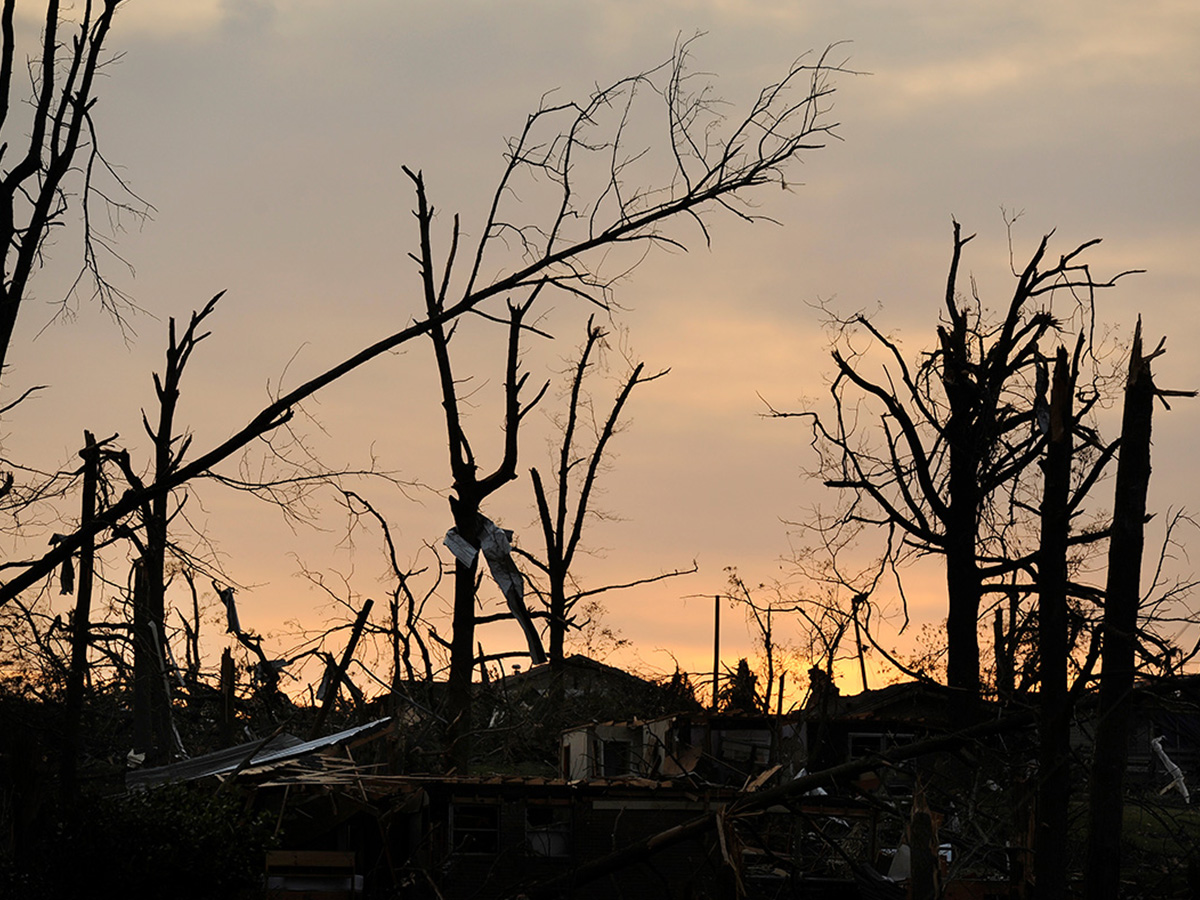
 Storm anxiety can affect people physically, emotionally and cognitively, manifesting as rapid heart rate, sweating, dizziness and chest discomfort.Spring brings warmer temperatures, blooming landscapes and severe weather. For many people, storm warnings and changing skies can trigger intense anxiety. While concern during severe weather is normal, storm-related anxiety can become overwhelming, especially for those with prior traumatic experiences.
Merida Grant, Ph.D., professor at the University of Alabama at Birmingham Marnix E. Heersink School of Medicine’s Department of Psychiatry and Behavioral Neurobiology, explains why storms can feel threatening to the brain and offers practical strategies to stay grounded when severe weather strikes.
How storm anxiety impacts the brain
Storm anxiety activates brain regions involved in detecting threats, regulating emotions and processing sensory input. The brain’s salience network, which helps determine what deserves immediate attention, becomes highly active when storms are perceived as dangerous. This heightened alert system prepares the body to act, but it can also lead to intense fear responses.
“Storm anxiety isn’t a sign of weakness,” Grant said. “It’s the brain doing its job to protect us. The problem arises when that alarm system becomes overly sensitive.”
According to Grant, research has shown that weather-related anxiety may increase activity in the insula and the frontal cortex, regions of the brain involved in stress processing and emotional awareness. For individuals who have experienced environmental trauma, such as surviving a tornado or other extreme weather event, the amygdala and hippocampus may remain persistently sensitive, increasing the likelihood of long-term anxiety symptoms.
How storm anxiety differs from generalized anxiety or panic disorder
Grant adds that, unlike generalized anxiety disorder, which is characterized by constant worry across many areas of life, storm anxiety is typically situation-specific and triggered by weather conditions or alerts. Symptoms often resemble panic responses and may include racing heart, shortness of breath, shaking, nausea and compulsive behaviors such as obsessively checking weather forecasts.
“For people who have lived through severe storms or tornadoes, the brain doesn’t experience weather warnings as neutral information,” Grant said. “It experiences them as potential danger. Even subtle changes in the sky or wind can activate the same fear response as a past traumatic event.”
Some individuals may avoid leaving their homes, experience irritability or have trouble sleeping when storms are expected. While these reactions are often brief, repeated exposure or unresolved trauma can make symptoms more persistent.
Common signs and symptoms of storm anxiety
Storm anxiety can affect people physically, emotionally and cognitively. Common symptoms include rapid heart rate, sweating, dizziness and chest discomfort.
Emotionally, individuals may experience panic attacks, crying episodes, irritability, or an intense urge to hide in closets or basements. Intrusive thoughts about worst-case scenarios may occur even when the actual threat is low.
Over time, untreated storm anxiety may lead to nightmares, chronic sleep disruption or avoidance of activities that could be interrupted by weather events.
Why sirens and alerts can trigger intense fear
Weather sirens and emergency alerts are designed to prompt immediate action; but for individuals with prior storm trauma, these sounds can become conditioned triggers. The brain may associate sirens with danger, devastation or loss, activating a fight-or-flight response even when a storm does not result in damage.
“When the brain links a warning sound to a past traumatic event, the emotional response can feel just as real as the original experience,” Grant explained.
Coping strategies during severe weather
Preparing both mentally and practically can help reduce anxiety during storms. Grant says limiting media intake is an important first step.
“Staying informed is helpful, but constant exposure to dramatic coverage can heighten stress,” she added.
Having a safety plan in place can provide a sense of control. Knowing where to take shelter and what supplies are available reduces uncertainty.
“During a storm, grounding techniques such as deep breathing, mindfulness exercises, or engaging in distractions like games or calming music may help regulate the body’s stress response,” Grant added.
If storm-related anxiety persists for more than a month, worsens over time or interferes with daily life, seek professional support. Mental health professionals with expertise in anxiety and trauma can help individuals process past experiences and develop long-term coping strategies.