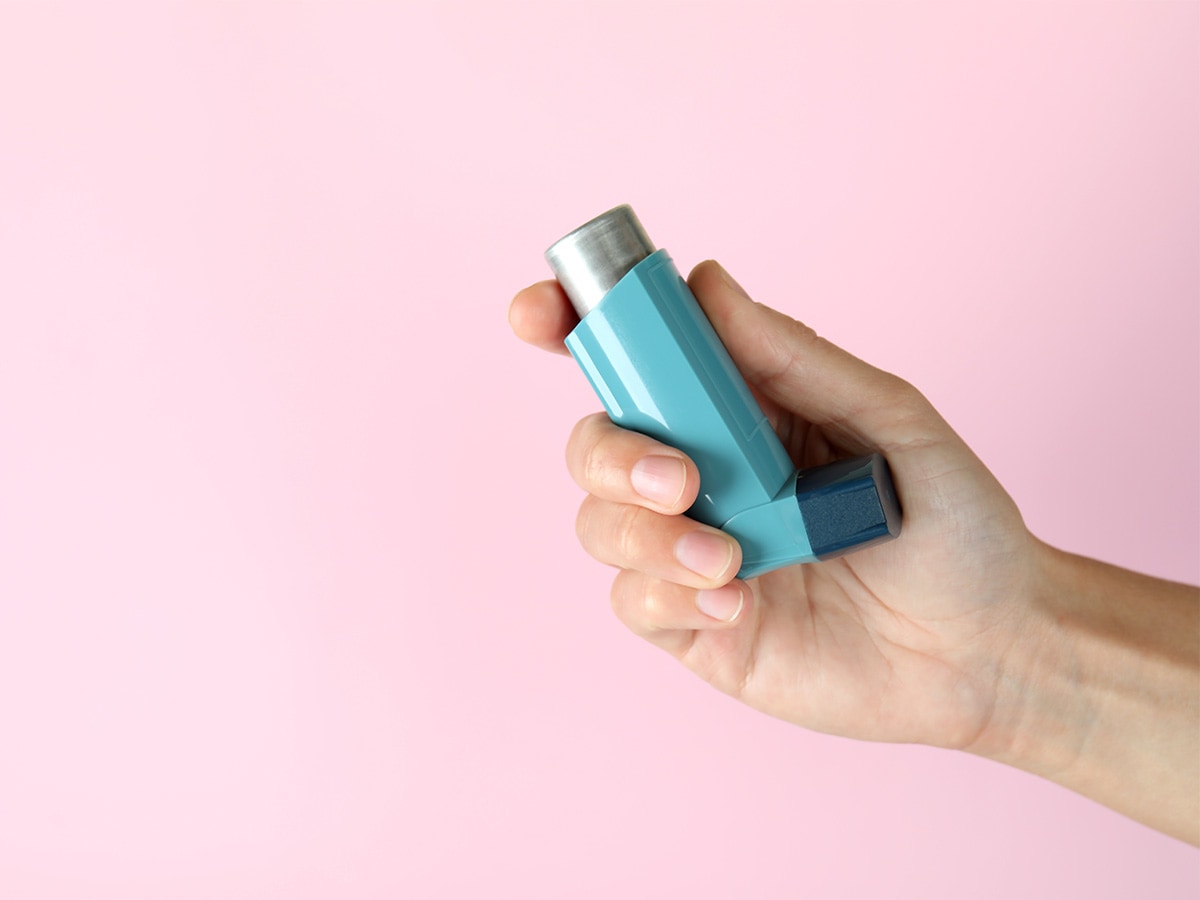
 Asthma is one of the most common chronic conditions in children and it is important for caregivers to follow an asthma action plan to reduce flareups and seek care early. Asthma is one of the most common chronic conditions affecting children, yet it is often misunderstood. Symptoms can present slowly over time or more acutely during illness, seasonal changes or environmental exposure. Asthma symptoms are variable and change over time, which makes it unpredictable, leaving parents worried and unsure.
Experts from the University of Alabama at Birmingham, Felesia Bowen, Ph.D., professor in the School of Nursing, and Teresa Magruder, M.D., associate professor in the Department of Pediatric Pulmonary and Sleep Medicine and medical director of the pulmonary asthma program at Children’s of Alabama, provide their insight on childhood asthma and offer tips for asthma care.
What is asthma?
According to Magruder, asthma is a chronic disease caused by airway inflammation, swelling of airways in the lungs and the tightening of airway muscles, making it difficult to breathe.
Asthma is considered a heterogeneous disease, meaning it has a wide spectrum of symptoms and various underlying disease mechanisms. The national prevalence of asthma in children is about 7 percent; but rates are higher in males, racial minorities and those living in poverty.
Children with asthma often have a family history of asthma or other allergic conditions, but this is not true for all patients. Children can develop asthma at any age.
“Many children with asthma have an allergic component to their disease, which can be different from types of adult-onset asthma,” Magruder said.
Bowen says that, with early diagnosis and the right treatment plan, healthcare providers can help families manage symptoms and prevent them from becoming more severe.
Uncontrolled asthma may lead to frequent emergency department visits, hospitalizations, missed school days and poor quality of life for some children. Asthma can be life-threatening, and there is no cure for asthma; but there are great treatment options to control symptoms and the frequency of flare-ups.
Early warning signs of asthma in children
Asthma often first appears as a persistent cough, typically worsening at night, early in the morning or when a child is exercising. Other symptoms include wheezing, fast breathing, and chest discomfort or tightness. These symptoms are often episodic and must be recurrent for a child to be diagnosed with asthma.
Asthma symptoms are often mistaken for a cold because they can occur within respiratory viral illnesses. However, children with asthma often have prolonged symptoms with respiratory illness compared to their peers. Viral illness is a leading cause of asthma exacerbations. The virus that causes cold symptoms also increases airway inflammation and mucus production in children with asthma, resulting in cold symptoms lasting longer than 10 days.
“In some cases, a respiratory illness can trigger asthma symptoms. When this happens, the cough may continue or even worsen after the fever and other cold symptoms have gone away,” said Bowen, associate dean for the UAB Office of Access and Engagement.
At Children’s of Alabama, Magruder says, they aim to work with families to determine disease severity, environmental triggers, underlying biological causes and comorbid conditions to deliver personalized asthma care. Asthma is a heterogeneous disease, so severity and symptom patterns are unique to each patient.
Children can develop asthma symptoms at any age, but they are less common during infancy. As children get older, some experience improvement in symptoms and go into clinical remission; but symptoms could return later. Children who experience frequent flare-ups, have a history of asthma hospitalization or have difficult-to-treat asthma should see an asthma specialist.
Managing asthma after diagnosis
After a child is diagnosed with asthma, the treatment plan prescribed by their healthcare provider should be followed closely. A common mistake parents make is stopping medication once their child’s symptoms improve.
“The symptoms improve because the medication is working, so stopping the medicine will cause those symptoms to come back,” Bowen said. “Each child’s symptoms are different, and the medications, frequency of use and trigger avoidance information are individualized for each child.”
Asthma symptoms can occur anywhere at any time. Children with asthma should have regular appointments with their provider, not just when symptoms occur.
“Asthma can be controlled with appropriate medications and routine medical care,” Magruder said. “We want families to feel empowered to manage their chronic disease and not feel as though they’re just responding to an acute attack.”
Bowen and Magruder strongly recommend parents and caregivers follow an asthma action plan completed by their provider, which provides instructions on how to care for a child when symptoms occur and on the use of daily medications. This plan can help reduce asthma flare-ups, identify symptoms and help families seek care early.
Asthma can be scary, especially during flare-ups; but with proper treatment and monitoring, children can live active, healthy lives.
“There is no need to limit their activity,” Bowen said. “Children with asthma should be encouraged to play, spend time outdoors, and participate in sports or other activities.”
Reducing asthma triggers at home
Changes in seasons alter exposure to environmental triggers, like severe temperature changes and seasonal pollen changes that happen in the fall versus the spring. However, the impact of seasonal differences is highly individualized, where some may be affected and others experience no change at all.
The most common environmental triggers are secondhand smoke in the air and thirdhand smoke that lingers on clothing and surfaces. The source of the smoke, whether from cigarettes, pipes or vaping, does not matter; all can trigger asthma symptoms.
“If a child has asthma, there should be no smoking at all in the home or in the car,” Bowen said. “Smoke lingers and can irritate the airways, causing them to tighten, swell and produce mucus.”
Other indoor triggers include dust, dust mites, pest droppings, and strong odors from cleaning products and perfumes.
If a child is allergic to animals, continued exposure may worsen symptoms. If dust mites are a trigger, using an allergen-protective mattress and pillow covers can help reduce exposure.
Asthma treatment
Historically, asthma management was initially focused on improving bronchodilation and opening the airways to relieve acute symptoms. However, more recent guidelines now emphasize always using an anti-inflammatory medication, inhaled steroids, for all asthma patients to control their symptoms. According to GINA guidelines, this is known as anti-inflammatory reliever and maintenance and reliever therapy. AIR and MART treat the underlying airway swelling and narrowing to reduce asthma symptoms and prevent severe asthma flare-ups.
Another asthma treatment that has been expanding over the last several years is asthma biologics; they are injectable medications that target specific components of the immune system to decrease airway inflammation. According to Magruder, these biologics have transformed the management of more severe and difficult-to-treat pediatric asthma.
Asthma often changes as children grow and live in different environments. “We work with families to adjust their child’s asthma treatment plan to optimize their disease control at every stage of their growth,” Magruder said.
Explore comprehensive asthma care, education, resources and services.