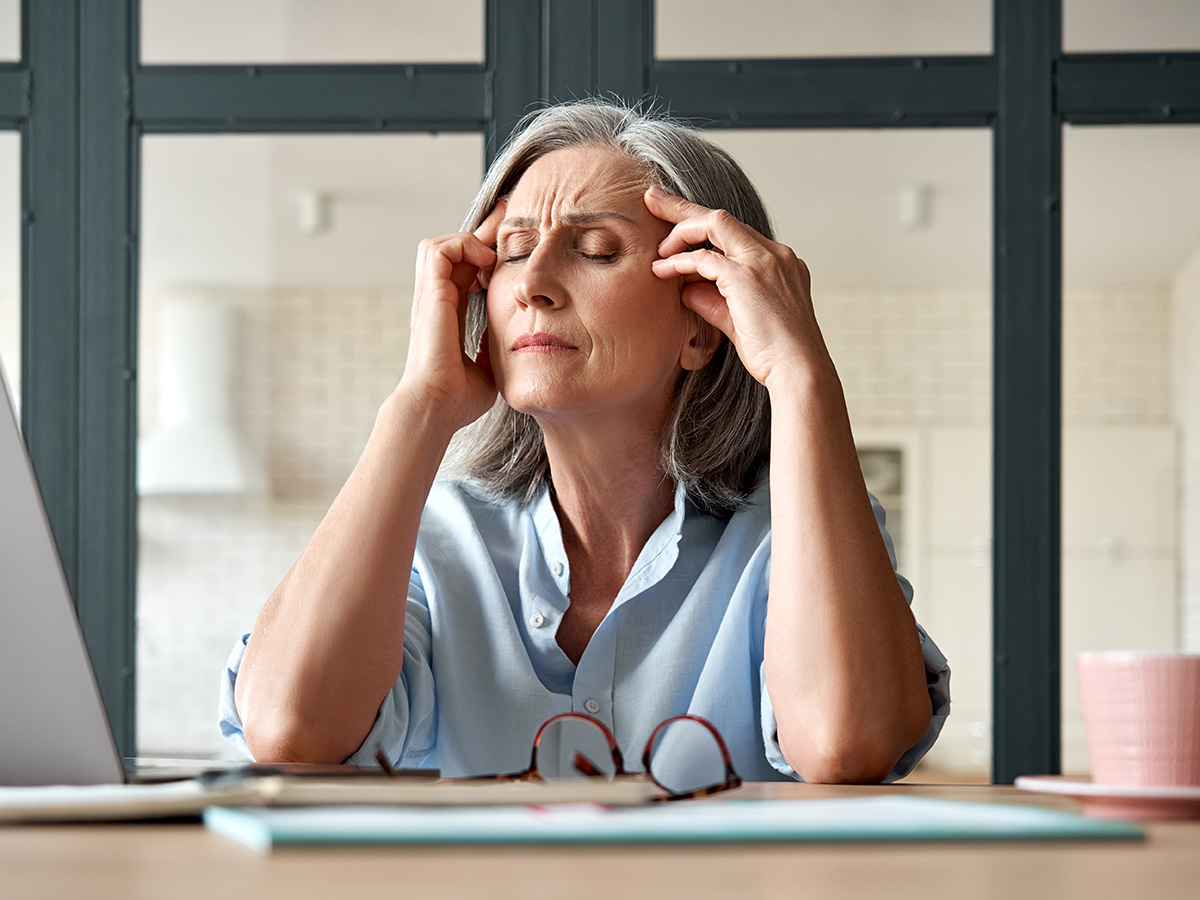
 A UAB aging expert explains the biological and lifestyle factors behind aging, common triggers such as stress and illness, and practical strategies to maintain strength, resilience, independence and quality of life.Many people recall a moment when they suddenly “felt old,” but aging is rarely tied to a single moment in time. Instead, the feeling often emerges when the body’s ability to recover and adapt begins to decline.
Robert Mankowski, Ph.D., an associate professor in the University of Alabama at Birmingham Division of Gerontology, Geriatrics, and Palliative Care, shares the science behind feeling old and provides guidance for healthy aging.
When aging begins
Aging does not suddenly occur on a dreaded milestone birthday or on a single normal day, even if it may seem that way. “Aging is a gradual biological process that is always present in our cells,” Mankowski said. “But many people only become aware of it when they cross a threshold where the body’s ability to recover no longer fully keeps pace with everyday demands.”
This realization often occurs during a person’s midlife years, when individuals may notice instances such as taking longer to recover after exercise or injury or decreasing energy levels. “In many ways, people notice aging more when their resilience begins to decline than because of the passage of time itself,” Mankowski said.
Aging triggers
For years, a person’s body can compensate for gradual changes in their muscle, bones, metabolism and cardiovascular system. Eventually, Mankowski says, these small changes accumulate. A stressful event, such as an illness, surgery, injury or even a stressful week at work, can trigger a sudden feeling of aging.
“It feels sudden; but biologically, it usually has been developing for decades,” Mankowski said.
Many people notice these triggers in their 40s and 50s, although there is great variation among individuals. “Hormonal changes, menopause, reduced physical activity, increasing work and family responsibilities, and chronic health conditions often converge during this period,” Mankowski said.
Mankowski says, often, people do not begin to feel the physical effects of aging until a hospitalization or a major health event occurs that temporarily reduces their physical function. Many event-related aging triggers can be reversible with physical rehabilitation and regular exercise.
Stress can also impact and accelerate feelings of aging. Chronic stress affects the whole body, Mankowski says. It disrupts sleep, increases inflammation, alters hormone regulation, reduces physical activity, contributes to fatigue and worsens mental health. In turn, people experience stress as accelerated aging because it diminishes physical and cognitive resilience.
Losing muscle mass is an important contributor to aging. Read how Mankowski is studying the impact of muscle loss and a ketogenic diet on older adults recovering from pneumonia.
“Managing stress is not simply about feeling better emotionally; it also supports healthier aging,” Mankowski said.
How to combat feeling old
While individuals cannot stop biological aging, they can engage in positive lifestyle changes to help combat the effects. The following factors can substantially impact how individuals age:
- Regularly exercising and maintaining muscle strength
- Getting adequate sleep
- Eating a nutritious diet
- Managing stress
- Avoiding smoking
- Staying socially engaged
Mankowski emphasizes the importance of building and preserving muscle in preparation for aging. Loss of muscle mass and strength is one of the biggest contributors to aging, because muscle supports mobility, metabolism and balance, and muscle is crucial for recovering from illnesses and remaining independent.
Mankowski says two or three resistance training sessions each week can have profound positive effects on a person in the decades to come. While it can take longer for the body to regenerate muscle tissue and recover after exercising in older age, that fact remains even more of an incentive to maintain the body’s repair systems as they begin to slow down.
Many misconceptions around aging are often related to detrimental lifestyle factors like physical inactivity, poor nutrition, chronic disease and prolonged recovery after illness. Fortunately, these negative lifestyle factors are largely reversible.
“Two people of the same chronological age can have dramatically different levels of physical function because of differences in lifelong habits,” Mankowski said.
The goal of healthy aging
Healthy aging means an aging individual can accomplish objectives like walking confidently, climbing stairs, recovering after an illness, playing with grandchildren, maintaining independence and doing the activities that give their life meaning.
“Healthy aging is not about looking younger, but it is about remaining capable,” Mankowski said. “Healthy aging is less about eliminating aging itself and more about preserving function, independence and quality of life.”
Mankowski encourages individuals to focus less on their chronological age and more on their functional age, which determines what their body allows them to do.
“If we can preserve physical function, cognitive health and independence, we’re aging successfully regardless of the number on the birthday cake.”