Spring is here and, with it, warmer weather and a return to outdoor activity. However, spring cleaning and yardwork maintenance are often first on the April to-do list. Experts from the University of Alabama at Birmingham offer some precautionary information on staying safe while doing yardwork this spring.
Injury prevention
“The most common yardwork injuries would probably be finger and toe injuries from lawn mowers and power tools,” said Jaron Raper, M.D., an emergency medicine physician and associate professor at the University of Alabama at Birmingham Department of Emergency Medicine.
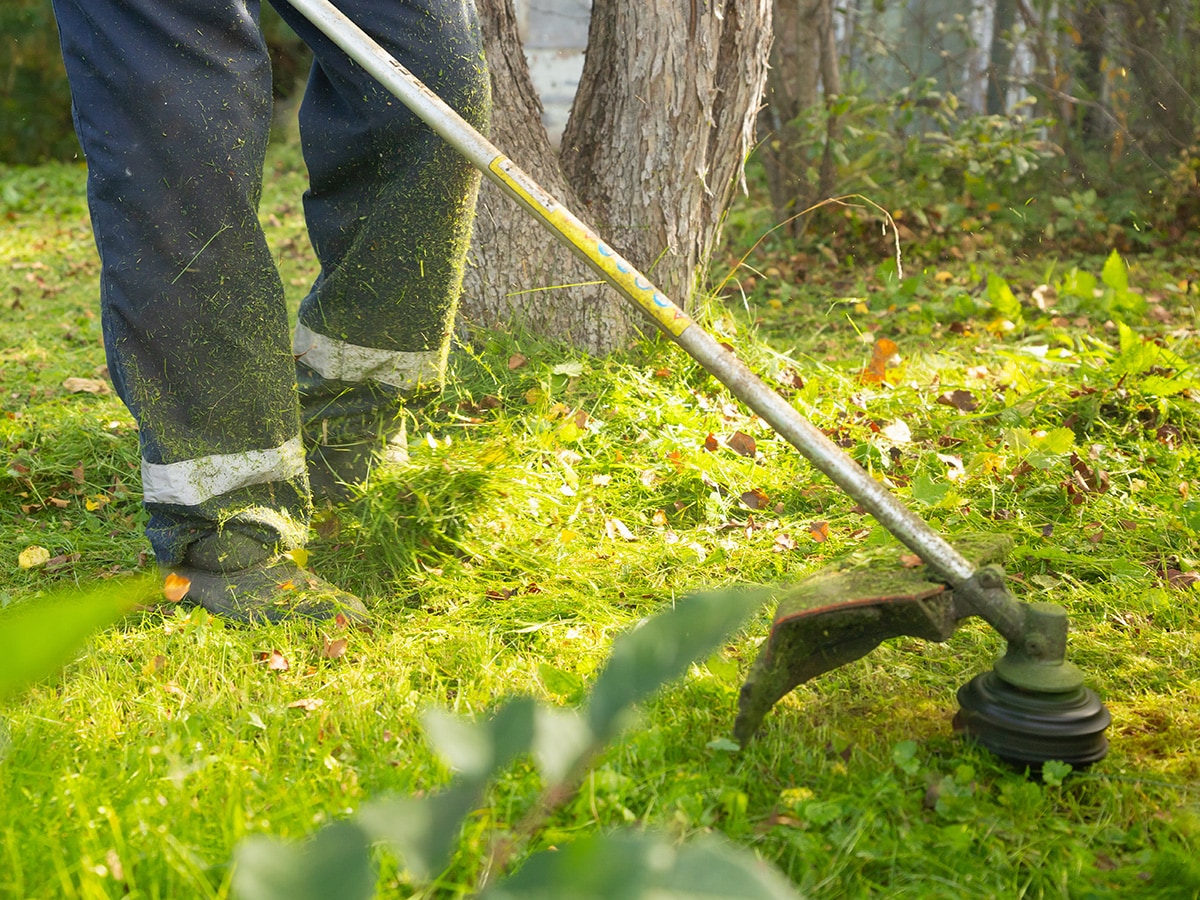 Raper says it is important to follow all safety protocols and to refresh on best practices from operational manuals.
“Springtime comes around, and some of these tools haven’t been used in months,” he said. “Brushing up on appropriate processes and making sure you are using equipment correctly can save you a trip to the ER.”
If an accident occurs, the first step is to control the bleeding and immediately call 9-1-1. Raper says, in the event of a digit dismemberment, it is rare that most severed fingers and toes can be reattached. However, to increase chances of reimplantation, the detached portion should be wrapped in a wet paper towel and placed inside of a bag on ice, avoiding submersion in water.
“The goal is to cause as minimal disruption and tissue damage after the event as possible,” Raper said. “You want to keep it cool and moist. The goal is to control metabolic damage as best as possible so the localized tissue does not experience ischemia, or lack of blood flow.”
Wearing protective equipment and clothing is another way of decreasing the risk of injury. Assessing the task and wearing the appropriate coverings should always be a priority when completing yardwork. For example, gloves and eyeglasses should always be worn when doing lawn care. However, long sleeves and pants may depend on and vary if you are mowing the grass, chain sawing and hedge trimming versus doing work in the garage or storage that involves power tools like a saw.
While Raper says appropriate clothing is important, he notes that taking the temperature into account is key to avoiding heat exhaustion and overheating.
“A simple break of five minutes from whatever you’re doing in the yard can really make a tremendous difference, as it’s an opportunity to rehydrate, make sure you’re getting your electrolytes and fluids in, and cool yourself off.”
Snakes and spiders
Snakes are a common fear in outdoor activity during the spring. However, William Rushton, M.D., co-director of the UAB Comprehensive Snakebite Program, says the panic caused by fear is often a bigger threat to safety than the bite itself.
 “It is often that panic puts you and your loved one at a greater risk of life-threatening injury more than the snake bite itself,” Rushton said. “Compared to the effectiveness of our ability to treat a bite, racing through red lights to get to the ER or at-home remedies can pose an increased risk to your health and safety.”
Rushton says there are a total of six venomous species found in Alabama: the eastern diamondback, copperhead, pygmy rattlesnake, cottonmouth, timber rattlesnake and the coral snake.
Of those, the copperhead, cottonmouth and timber rattlesnake are responsible for the highest envenomation rates in the state.
“Most venomous snakes do not view humans as predators,” Rushton said. “It is this reason that venomous snakes will often bite as a defense mechanism because they are warning us that they are there.”
However, Rushton says timely treatment increases the likelihood of a positive outcome after a bite.
“All health care facilities in the state of Alabama carry antivenom, and all health care facilities in the state of Alabama can consult with a UAB medical toxicologist through the Alabama Poison Information Center,” Rushton said. “As long as you are treated as quickly as possible, and the standard number I use is within eight hours or less, the odds of a positive outcome are very high and normal.”
Rushton says, when performing outdoor maintenance, wearing gloves and closed-toe shoes is the minimum first form of prevention. Some snakes have heat-sensing pits, and Rushton says wearing gloves can potentially lower the thermal signature of the hand, making it less of a target to a snake.
“Watch out for rocky areas, as snakes commonly enjoy those environments,” Rushton said. “Also, low, enclosed spaces like underneath houses and sheds can be prominent hideouts for them.”
Here is how to respond if you are bitten by a venomous snake.
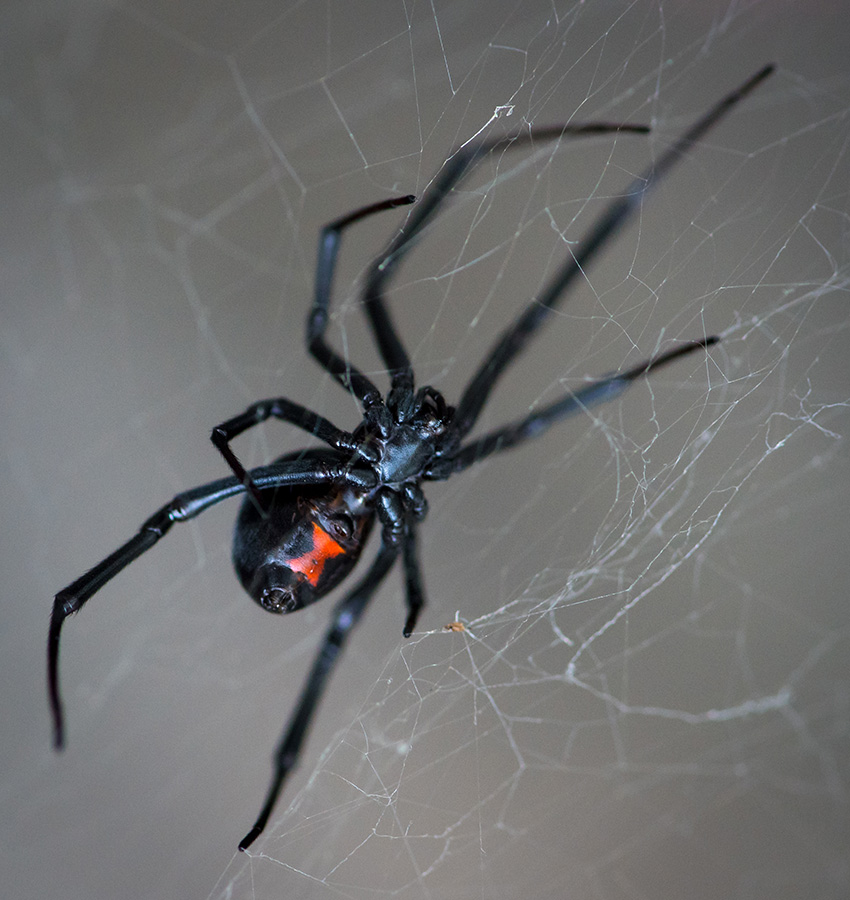
While many are also doing some spring cleaning this time of year, spiders can be a hidden threat lurking in the shadows. Spiders can make a home in old boxes or dark corners found in sheds and garages.
“There are two venomous spiders in Alabama: the brown recluse and black widow,” Rushton said. “However, spider bites are treated with more supportive care via monitoring the bite for signs of infection.”
If a bite is believed to be from a venomous spider, a visit to the nearest emergency department is appropriate. Most Alabama hospitals do not carry spider antivenom, making wound care the primary treatment modality. This includes cleaning the bite and monitoring for infection. Nonvenomous spider bites can introduce bacteria under the skin.
Eyes
UAB assistant professor and optometrist Marissa Locy, O.D., says wearing protective eyewear is essential when performing yardwork. Flying debris from lawnmowers and weed trimmers can be detrimental to the eye. Poison ivy, when accidentally pulverized from lawn care, can float in the air and get in the eye or on clothes.
“Always wash your hands before touching your eyes after you have worked outside,” Locy said. “Making sure to carefully remove clothing when the work is complete is also important.”
Raper says foreign objects in the eye are a common cause of emergency room visits. Punctures and abrasions often involve sticks, sharp rock fragments, broken weed trimmer stems and other debris.
 Fall prevention
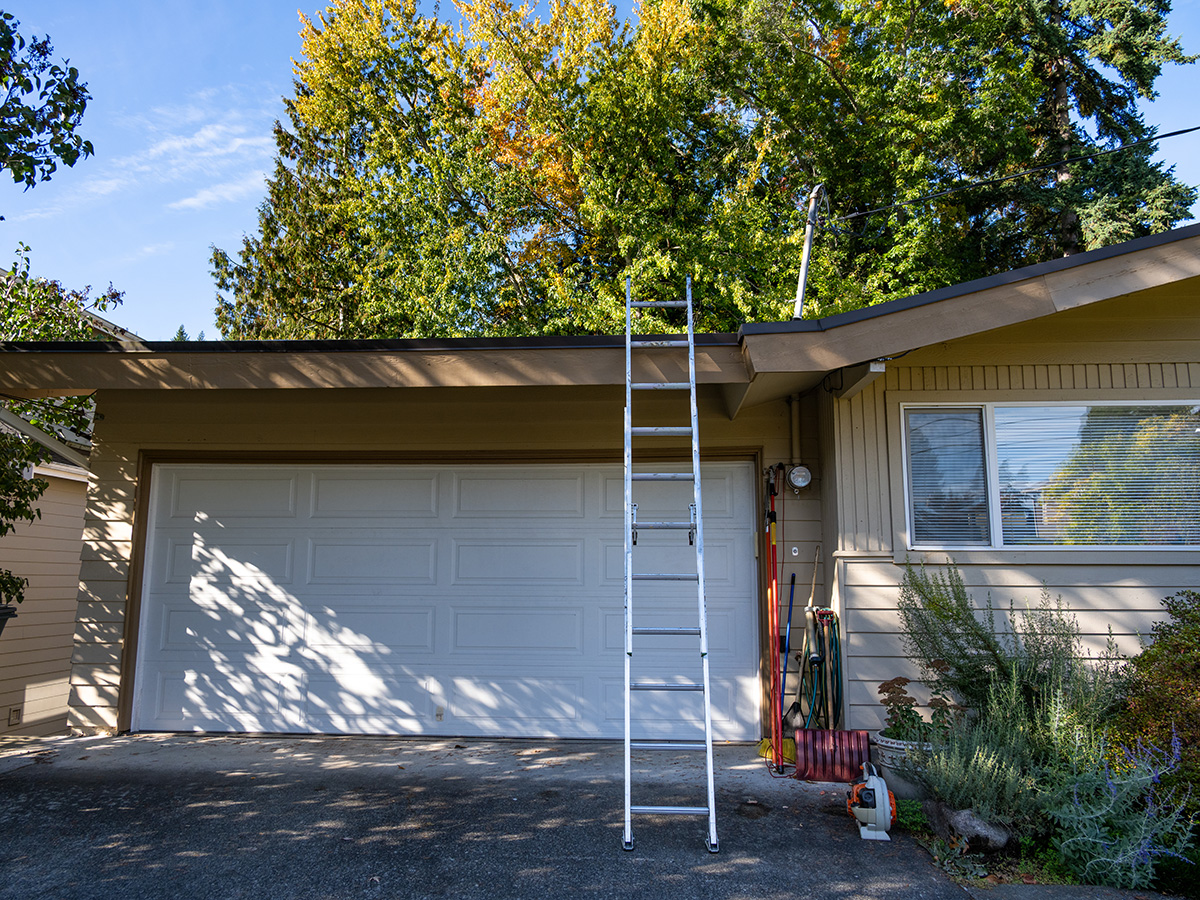
Choosing the correct ladder for the job is the first step in preventing falls. Step ladders should never be climbed on the top rung. Extension ladders should extend at least 3 feet beyond the edge that supports the ladder. Ladders should always be placed at a safe angle on even, solid ground.
Jonathan Bryant, injury prevention coordinator for UAB Trauma Services, says to exercise caution when utilizing ladders and not to be complacent in safety precautions when a task involves a needed change in height.
“Inspect ladders for loose hinges or damaged parts before use, ensure locks are working properly, and avoid overreaching while climbing,” Bryant said. “If someone needs to reach farther, climb down and move the ladder rather than stretching.”
Bryant says it is important to be aware of environmental hazards when placing a ladder for use.
“Wasp nests are a potential environmental hazard, and power lines connecting to your house are major safety considerations that can quickly make ladder use unsafe,” Bryant said. “Always make sure to analyze the environment before setting up the ladder to decrease the risk of injury.”