 A new UAB study demonstrates that a structured expert panel approach can accurately and reliably measure delirium severity in patients with and without Alzheimer’s disease and related dementias (ADRD).Rating the severity of delirium in patients who already have dementia is a long-standing challenge for doctors, as the symptoms of the two conditions overlap. A new study from the University of Alabama at Birmingham provides strong evidence that a rigorous expert panel process can accurately and reliably measure delirium severity, even in patients with Alzheimer’s disease and related dementias, or ADRD.
The findings, published in Journal of Alzheimer’s Disease, establish a “gold standard” for delirium assessment that could be used to evaluate future clinical tools. Delirium — a state of sudden confusion — is four to five times more common in people with dementia and is linked to faster cognitive decline and higher mortality.
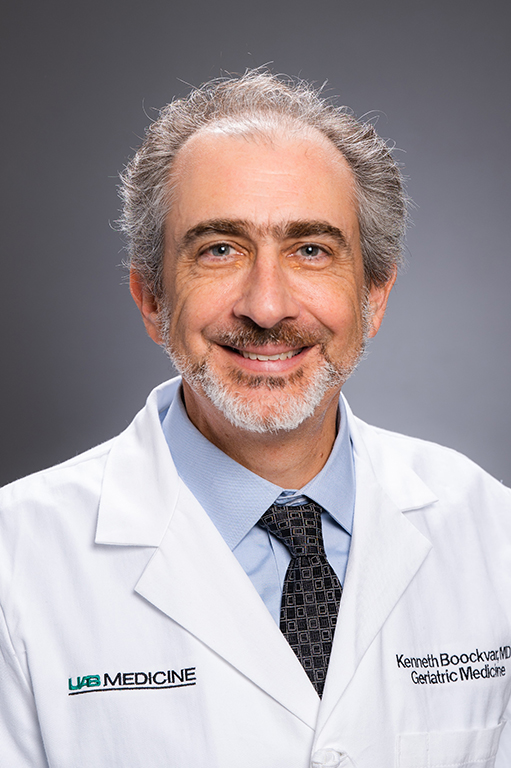
“This rigorous process provides confidence that delirium severity can be rated accurately in patients with and without ADRD,” said Kenneth S. Boockvar, M.D., director of the Division of Gerontology, Geriatrics and Palliative Care at UAB and lead author of the study.
There is currently no laboratory test or biomarker to diagnose delirium or track its severity. As a result, expert clinical judgment remains essential, particularly for complex patients with dementia. By validating an expert panel-based reference standard, Boockvar says, this study provides a reliable benchmark against which new delirium severity tools can be tested.
The study assembled a panel of five experts in delirium and dementia, including specialists in geriatrics, cognitive neurology, geriatric psychiatry and neuropsychology. Panelists independently reviewed standardized, single‑page case summaries and rated delirium severity before participating in structured consensus discussions for cases without initial agreement. This approach reflects best practices for complex clinical outcomes and is widely used in research involving complex geriatric conditions such as delirium.
The expert panel demonstrated strong reliability, achieving 80 percent agreement on delirium severity ratings during their initial independent reviews. Following structured group discussion, agreement increased substantially, reaching a Kappa score of 0.90. This indicates a close consensus. Instances of disagreement were most often associated with preexisting dementia, visual impairment or residence in a nursing home.
The study evaluated 488 patients across a range of clinical settings, including medical wards, surgical units and nursing homes, underscoring the broad relevance of the findings.
“By establishing this reference standard, we are creating the foundation for new, more efficient instruments that clinicians can use at the bedside to monitor brain health and treatment response,” Boockvar said.
Boockvar plans to translate these findings into improved outcomes for real patients, which will be his focus in additional studies.
In addition to Boockvar, the study’s multidisciplinary research team included co-senior authors Sharon K. Inouye, M.D., director of the Aging Brain Center at the Marcus Institute for Aging Research; Richard N. Jones, Sc.D., Warren Alpert Medical School at Brown University; and Tamera G. Fond, M.D., Ph.D., the Marcus Institute and Beth Israel Deaconess Medical Center. Other key contributors included Edward R. Marcantonio, M.D., S.M., Beth Israel Deaconess Medical Center; Catherine C. Price, Ph.D., University of Florida; Eran D. Metzger, M.D., Beth Israel Deaconess Medical Center, Harvard Medical School and Hebrew SeniorLife; Douglas Tommet, Brown University; and Eva M. Schmitt, Ph.D., Cole Heine and Mackenzie Topper, the Aging Brain Center at the Marcus Institute. This collaborative effort was conducted on behalf of the BASIL-II Study Group.
The study was supported by the National Institute on Aging.
The study complements UAB’s broader leadership in geriatric care, including the designation of UAB Hospital-Highlandsas the first Level 1 Geriatric Emergency Department in the Southeast. The facility offers a variety of resources such as delirium prevention toolkits to help reduce instances of confusion.
The Division of Geriatrics, Gerontology and Palliative Care is part of the UAB Marnix E. Heersink School of Medicine.