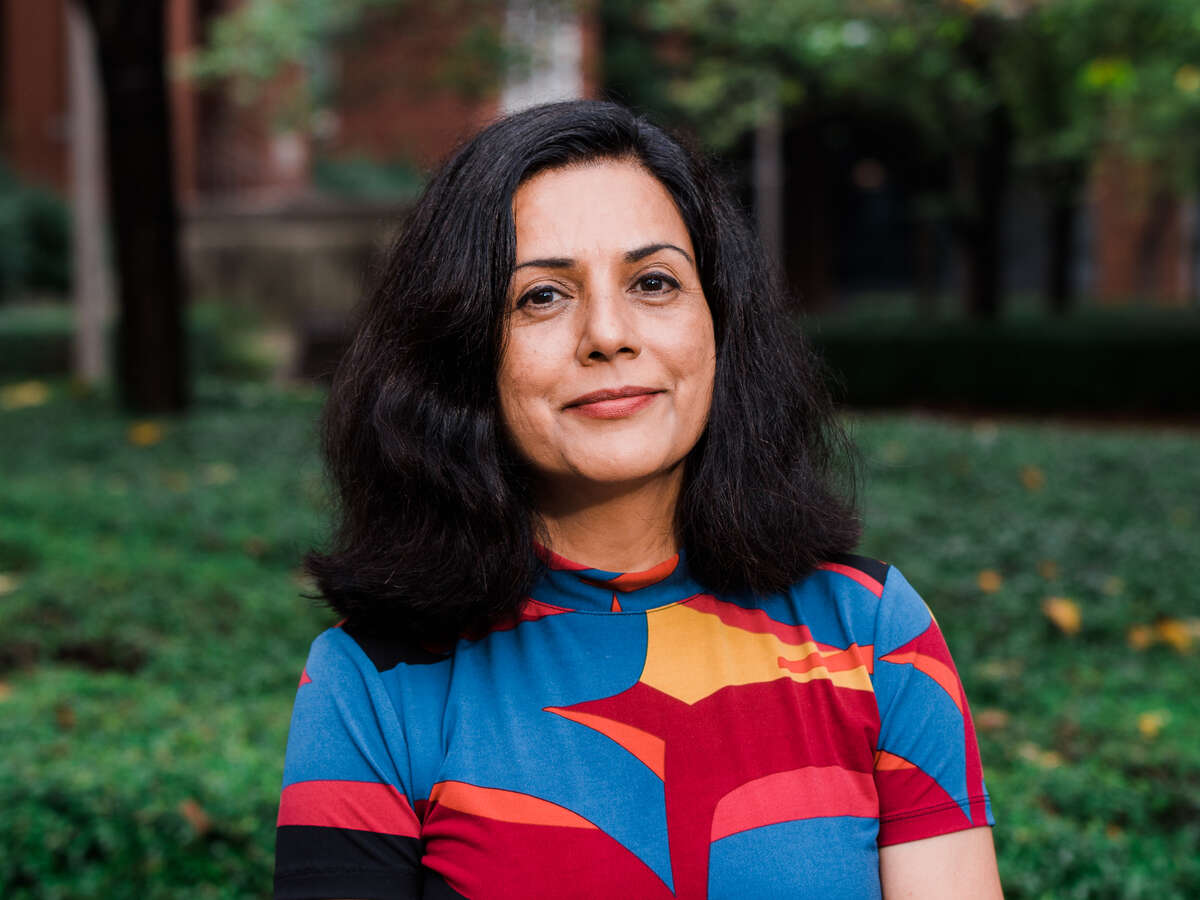
 A $2.9M NIH grant awarded to Nita Limdi, Pharm.D., Ph.D., will expand genomic medicine access through SEGEMS, a new eConsult service for providers across the Southeast.With a new $2.9 million NIH grant, University of Alabama at Birmingham professor Nita Limdi, Pharm.D., Ph.D., the Ray L. Watts, M.D., Heersink Endowed Chair in Neurology in the UAB Department of Neurology, aims to expand access to genomic medicine for patients across the Southeast.
The grant is a multi-year award, with the $2.9 million received for the first two years from the National Human Genome Research Institute to support the creation of the SouthEast Regional GEnonic Medicine eConsult Service (SEGEMS), a joint venture between UAB and Vanderbilt University Medical Center. The project is scheduled to run through February 2028. If funded at a similar level in subsequent years, the total award could approach approximately $7.87 million over the full project period. The program aims to provide comprehensive genomic medicine consultations to healthcare providers in Alabama and Tennessee, helping integrate genetic and genomic insights into routine patient care.
Genomic medicine has the potential to transform diagnosis and treatment by enabling more precise, personalized care. However, many clinicians lack the specialized training or access to experts needed to fully incorporate genomic data into decision making. SEGEMS is designed to address these gaps by offering a streamlined, provider-to-provider consultation model that connects clinicians with genomic medicine experts.
“This grant represents an important investment in the future of healthcare,” Limdi said. “It will enable us to build the infrastructure needed to integrate genomic medicine into routine clinical care, ensuring that providers have timely access to genomic expertise and that patients can benefit from these advances. The funding will help bridge the gap between scientific discovery and everyday healthcare delivery, creating a model that can transform care across the region.”
Through SEGEMS, providers will be able to submit electronic consultations, or eConsults, through secure platforms integrated with electronic health records. These consultations will support a wide range of clinical needs, including selecting appropriate genetic tests, interpreting results, guiding treatment decisions and determining next steps in patient care.
The service is expected to improve the timeliness and quality of care by reducing the need for in-person specialty visits, shortening wait times and improving care coordination. It may also lower patient costs by reducing unnecessary referrals and travel while expanding access to expert guidance, particularly in underserved and rural communities.
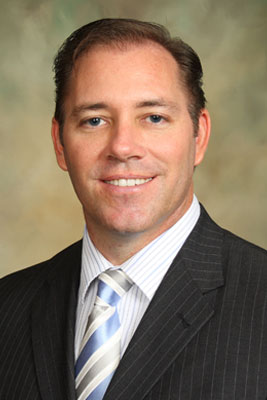 Larry Hearld, Ph.D., co-principal investigator“By expanding access to a genomic medicine eConsult service, this initiative will directly benefit both patients and healthcare providers,” said Rizwan Hamid, M.D., Ph.D., principal investigator at Vanderbilt University Medical Center. “Patients will experience more timely diagnoses, improved access to appropriate genetic testing and more personalized treatment options. At the same time, providers will gain rapid access to specialized genomic expertise, empowering them to make informed decisions and deliver the highest quality care closer to home.”
With the collaboration between UAB and Vanderbilt, the initiative reaches people across Alabama and Tennessee, with plans to expand into surrounding states. The collaboration builds on longstanding partnerships between the institutions and their leadership in national genomics research and implementation efforts.
In addition to delivering clinical consultations, SEGEMS will evaluate how genomic eConsult services can be implemented effectively across diverse health systems and develop a scalable model that can be adopted by other organizations. The project includes creating tools, training resources and best practices to support broader dissemination of genomic medicine expertise.
“The impact of this grant extends well beyond the life of the project,” Limdi said. “By establishing a scalable and sustainable model for genomic medicine consultation, we are laying the foundation for broader access to genomic care in the years ahead. This initiative will strengthen regional capacity, reduce barriers to specialized expertise and create opportunities to expand genomic medicine services for patients we serve, ensuring that more patients can benefit from precision healthcare regardless of where they live.”
Other UAB collaborators include Rebecca C. Arend, M.D., Pankaj Arora, M.D., Stephanie Carroll, James Cimino, M.D., Josh Cortopassi, Pharm.D., Dana Goodloe, M.S., Larry Hearld,
Ph.D., co-principal investigator, Bruce Korf, M.D., Ph.D., Andrew Land, M.D., Nathaniel H. Robin, M.D., Akila Subramaniam, M.D. and Eric Wallace, M.D.