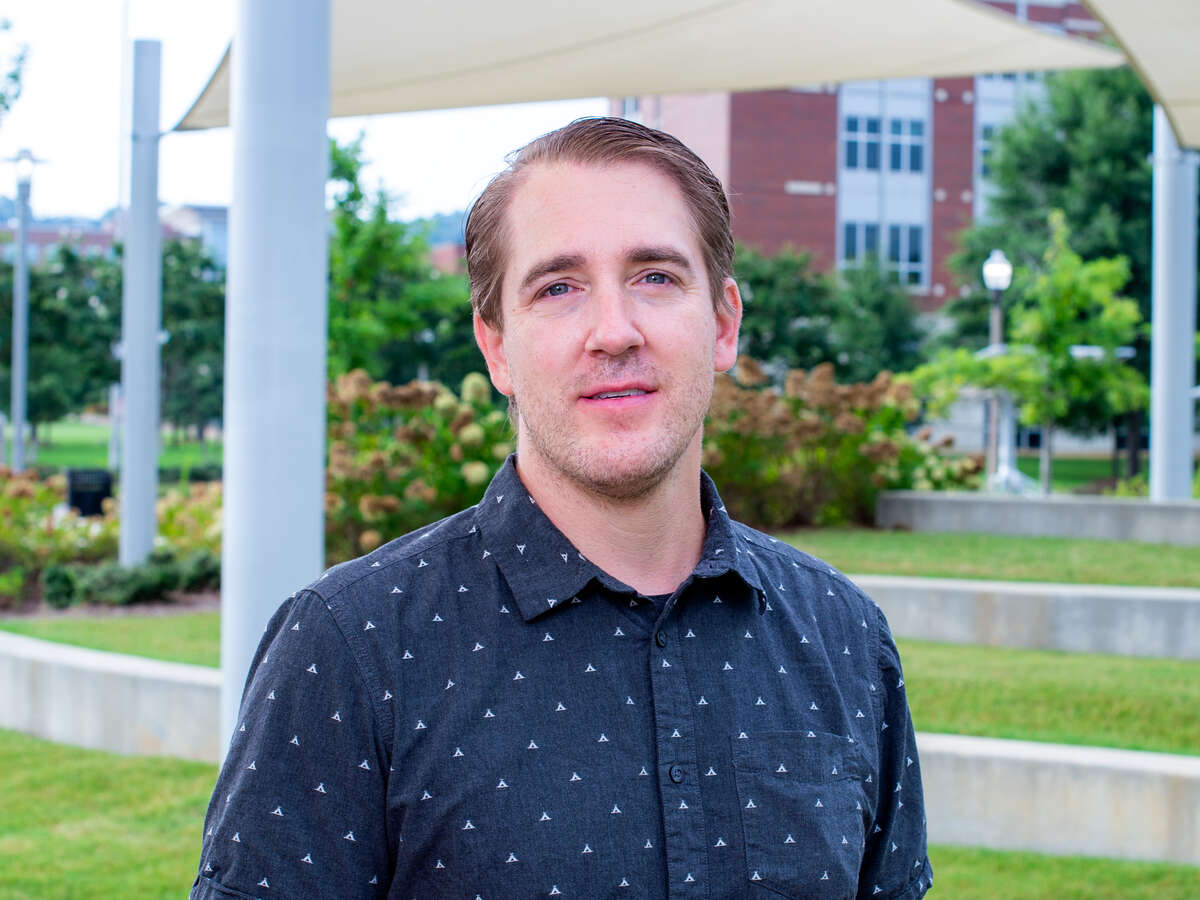
 Peter Hendricks, Ph.D.Results from a clinical trial at the University of Alabama at Birmingham, published in JAMA Network Open, show that psilocybin, a naturally occurring psychedelic compound in magic mushrooms, is safe and effective in treating cocaine use disorder, or CUD.
CUD affects millions of people worldwide, with an estimated 25 million individuals reporting use in 2025. While there are therapies to treat substance use disorders, no medications have been proved effective for the treatment of cocaine use until now.
“Cocaine use disorder has long lacked effective treatment options, and vulnerable populations have historically been underrepresented in psychedelic research trials,” said Peter Hendricks, Ph.D., lead investigator and professor in the Department of Psychiatry and Behavioral Neurobiology. “Our clinical trial sought to address these gaps by identifying a possible treatment option while intentionally recruiting individuals from underrepresented communities.”
Key Findings:
- Psilocybin recipients had a higher percentage of cocaine-abstinent days
- Psilocybin recipients had a greater likelihood of complete cocaine abstinence
- Psilocybin recipients had a reduced risk of cocaine lapse over time
According to Hendricks, the hypothesis was formulated considering previous studies that have shown anti-addictive effectiveness of psilocybin in smoking cessation and alcohol use disorder.
Participants were randomized to receive a single oral dose of psilocybin, 25 milligrams per 70 kilograms of body weight, or an active placebo. Participants also received cognitive behavioral therapy one month before and after an all-day investigational drug treatment session. Thirty-six participants completed the assessment 180 days after the end of the treatment, which included follow-back interviews and urinalysis to verify reports of abstinence.
Participants in this trial were individuals with CUD who were motivated to quit and did not have significant comorbidities. Of the total 40 participants, 33 were men, 33 were Black, and seven were White, with most individuals having an annual income of less than $20,000.
Limitations of this trial include a small sample size, the lead author also serving as the primary therapist, and a lack of measures to ensure that observed effects are attributable to psilocybin, not psychotherapy. The most common adverse effect in participants was hypertension, which was transient and resolved without intervention.
“While this trial could represent a significant advancement in treating CUD, further research should employ larger samples across diverse populations and advance standardization, replicability and understanding of the therapeutic process,” Hendricks said.
Other UAB collaborators included Richard Shelton, M.D., Adrienne Lahti, M.D., Karen Cropsey, Psy.D., Otto Simonsson, Ph.D., Lori Davis, M.D., and Daniel Grossman, doctoral student in clinical psychology at UAB.