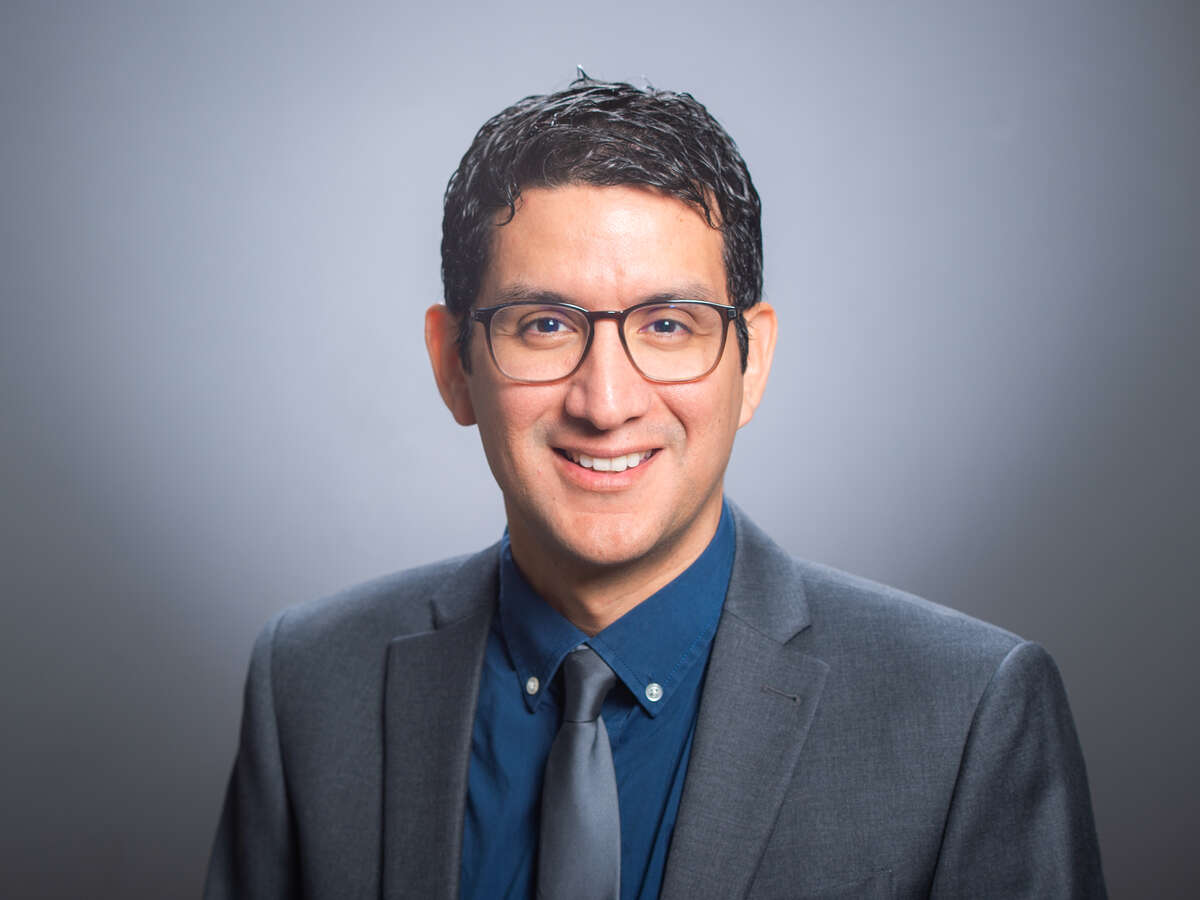
 Javier Neyra, M.DA new study published in The Lancet Respiratory Medicine by a researcher at the University of Alabama at Birmingham highlights encouraging findings for patients facing endotoxic septic shock, one of the most life‑threatening forms of sepsis. Patients who received standard medical treatment plus additional therapy showed a higher likelihood of surviving at both one month and three months after treatment. The additional therapy removes harmful endotoxins from the blood.
Sepsis occurs when the body overreacts to an infection, leading to widespread inflammation and potential organ failure. Endotoxic septic shock is a particularly severe type of sepsis that affects millions of people worldwide each year. Currently, no treatment in the United States specifically targets this condition.
“Endotoxic septic shock remains one of the most challenging syndromes in critical care medicine,” said Javier Neyra, M.D., professor in the UAB Division of Nephrology and first author of the paper. “Despite decades of research, randomized clinical trials in septic shock have rarely demonstrated improvements in survival. Septic shock remains one of the leading causes of death in intensive care units worldwide, underscoring the need for therapies that address the underlying drivers of organ failure. Presenting the Tigris trial results at the Society of Critical Care Medicine provides an important opportunity to engage the global critical care community and discuss how precision medicine can be applied to help address this major unmet clinical need.”
The Tigris trial enrolled 157 adults with endotoxic septic shock, defined by high endotoxin activity and multi-organ failure. Participants received either standard medical treatment or standard treatment plus a therapy designed to remove harmful endotoxins from the blood. The study measured how patients did over time, including their chances of survival and overall recovery.
Although many patients were still in the hospital after the first month, nearly all survivors had been discharged by 90 days. During that same period, the survival advantage for the treated group became more distinct.
The treatment did not lead to more complications than standard care. Most side effects were similar between groups, and serious treatment‑related issues were rare and fully resolved.
Why additional therapy matters
Endotoxic septic shock is extremely difficult to treat, and survival rates have historically been low. The Tigris trial offers evidence that targeting circulating endotoxin, a toxin produced by certain bacteria, may help improve outcomes for some of the sickest patients with sepsis in the ICU.
“The mortality benefit observed in the trial was consistent across timepoints and analytical strategies highlighting the impact of polymyxin B haemoadsorption for circulating endotoxin removal in specific patients with endotoxic septic shock,” Neyra said.
Because recovery from septic shock can take months, researchers stress the importance of studying long‑term outcomes, not just what happens in the first days or weeks. In this study, the separation between groups continued to widen over time, suggesting a lasting benefit.
“I would like to congratulate all Tigris investigators and coordinators, who screened more than 14,000 patients for over five years to complete the study,” Neyra said. “A special thank you to all patient participants and to the UAB critical care nephrology clinical trial group for their dedication and professionalism during the study.”
While the therapy used in the trial is approved in some countries, it is not yet approved for use in the United States. These findings will help inform future regulatory review.
At UAB, Neyra holds the David G. Warnock, M.D., Endowed Professorship in Academic Nephrology. Across the multi-site trial, UAB had the highest enrollment rate.