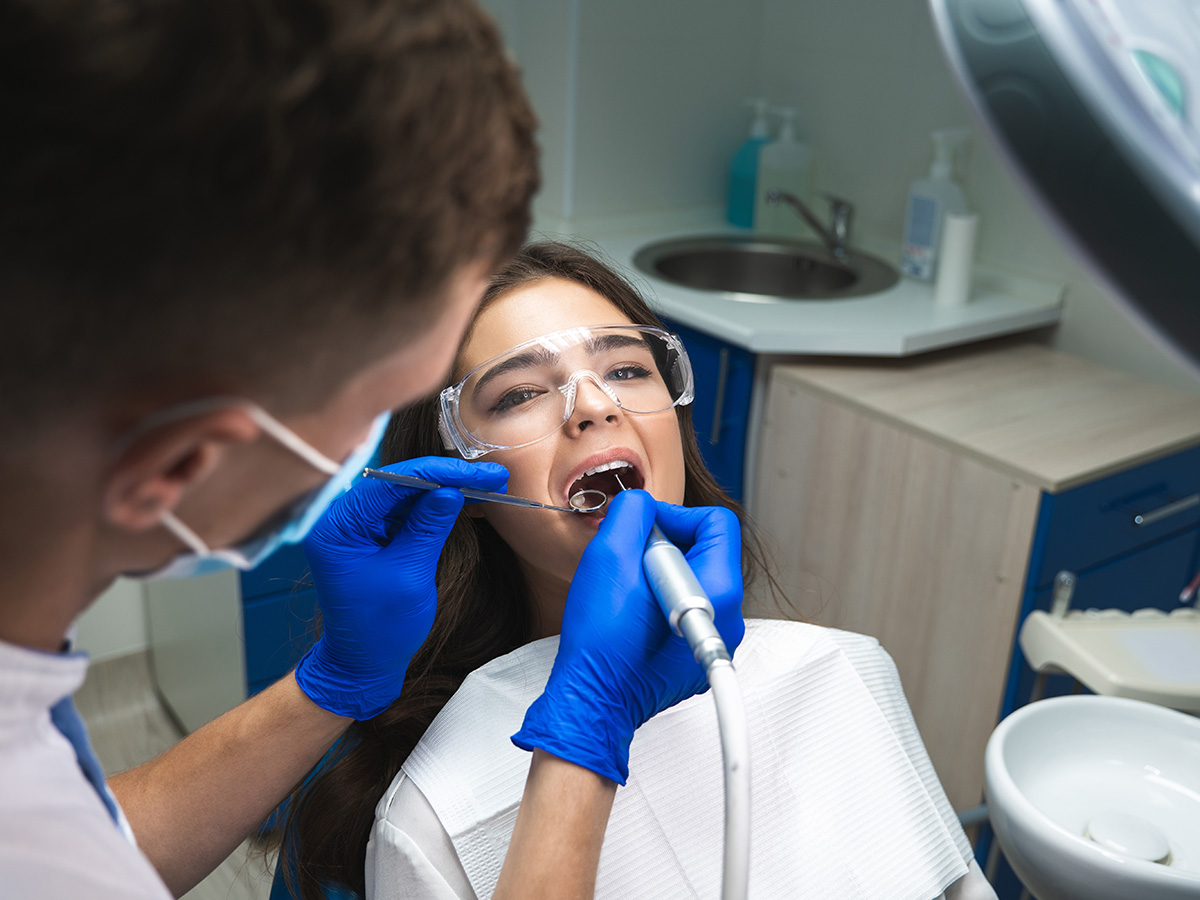
 Going to the dentist can present many challenges and fears for those in places where endodontic care may be scarce. Having an appointment and hearing that a root canal is needed can elevate those barriers and anxieties. But what if a root canal could be avoided?
Research suggests a pulpotomy, or vital pulp therapy, could provide an intermediary option before a root canal is needed in some cases and can be used more often in general dental practice than it currently is. A pulpotomy is a procedure in which a dentist removes inflamed tissue from inside the crown of the tooth while preserving healthy pulp tissue in the roots. This procedure can relieve pain and save the tooth. However, it is not appropriate for every patient, as a root canal is sometimes unavoidable.
In order to close the gap between what scientific evidence supports and what happens in everyday clinical practice, the National Institutes of Health has awarded researchers with a grant totaling just over $1.99 million.
The award will establish the National Dental Practice Training Center, or NDP-TC, a collaboration among the University of Alabama at Birmingham, the University of Texas at San Antonio Health Science Center and the University of Rochester, together with the National Dental Practice-Based Research Network and Project ECHO.
The center will be led by Joana Cunha-Cruz, DDS, Ph.D., professor in the University of Alabama at Birmingham School of Dentistry, and Rahma Mungia, BDS, MSc, DDPHRCS, associate professor in the University of Texas at San Antonio School of Dentistry.
Cunha-Cruz says the goal is to understand what makes it challenging for dentists to adopt the procedure and build training that supports real change in practice.
“Patients in pain may face a delay, travel and extra expense simply because the treatment they need is not available in the office they already trust,” Cunha-Cruz said. “For appropriately selected patients, pulpotomy may provide another option.”
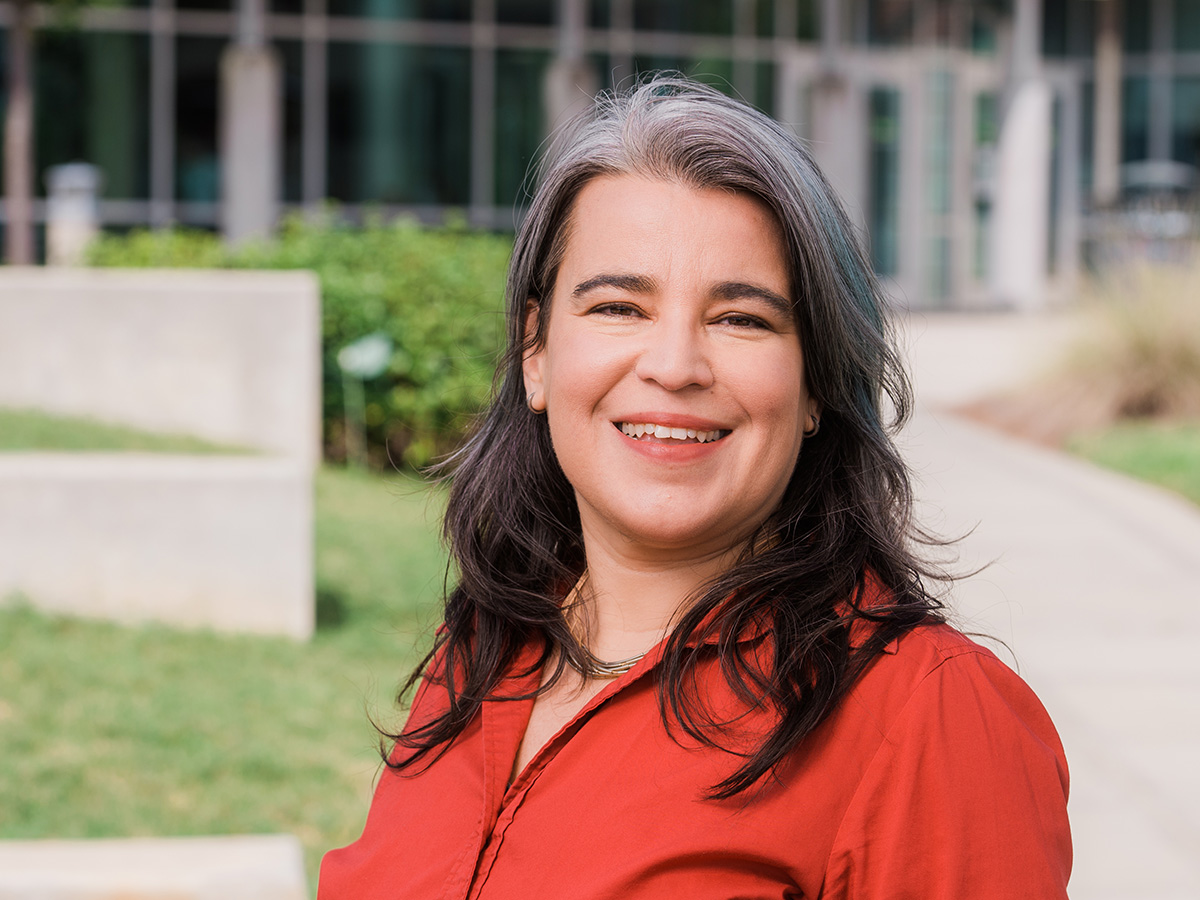 Joana Cunha-Cruz, DDS, Ph.D.Many dentists were trained at a time when the procedure was not routinely taught as a definitive option for permanent teeth, before strong evidence for its effectiveness emerged.
The center’s first course will focus on pulpotomy treatment, using this procedure as an initial model for accelerating the translation of evidence into clinical practice. In its first year, the research team will survey dentists about what stands in the way of using it: clinical knowledge, confidence, technical training, office workflow or access to expert support. The answers will shape the course.
Dentists will then work through patient cases and X-rays, discuss difficult decisions with colleagues and mentors, and practice on 3D-printed tooth models. The training aims to do more than teach a sequence of clinical steps. It will help dentists decide which patients may benefit, which patients need another approach and how to carry out the procedure safely.
“A treatment decision takes place in the context of a patient’s symptoms, clinical and radiographic findings, and the practice environment,” Mungia said. “Case-based learning gives dentists a way to practice that judgment. Hands-on simulation lets them develop the procedural skills before they use them with a patient. Our broader goal is to understand how we can move evidence into everyday practice more efficiently and then apply that model to other areas of care.”
The project began Sept. 1, 2026, and will run through Aug. 31, 2028. It marks the opening phase of an NIH UG3/UH3 award funded through the National Center for Advancing Translational Sciences and the National Institute of Dental and Craniofacial Research. If the team meets its predefined milestones, the project will move into a funded three-year multicenter trial of the training program.
“When we understand the real barriers to putting research into practice, we can build training that actually works," Cunha-Cruz said. "I'm grateful to the NIH for supporting this vision, and I'm confident it will help patients get evidence-based care sooner."
The NDP-TC is designed as a scalable national platform that can be adapted to other evidence-based dental practices beyond pulpotomy, helping shorten the time between scientific discovery and routine patient care.