Department of neurology
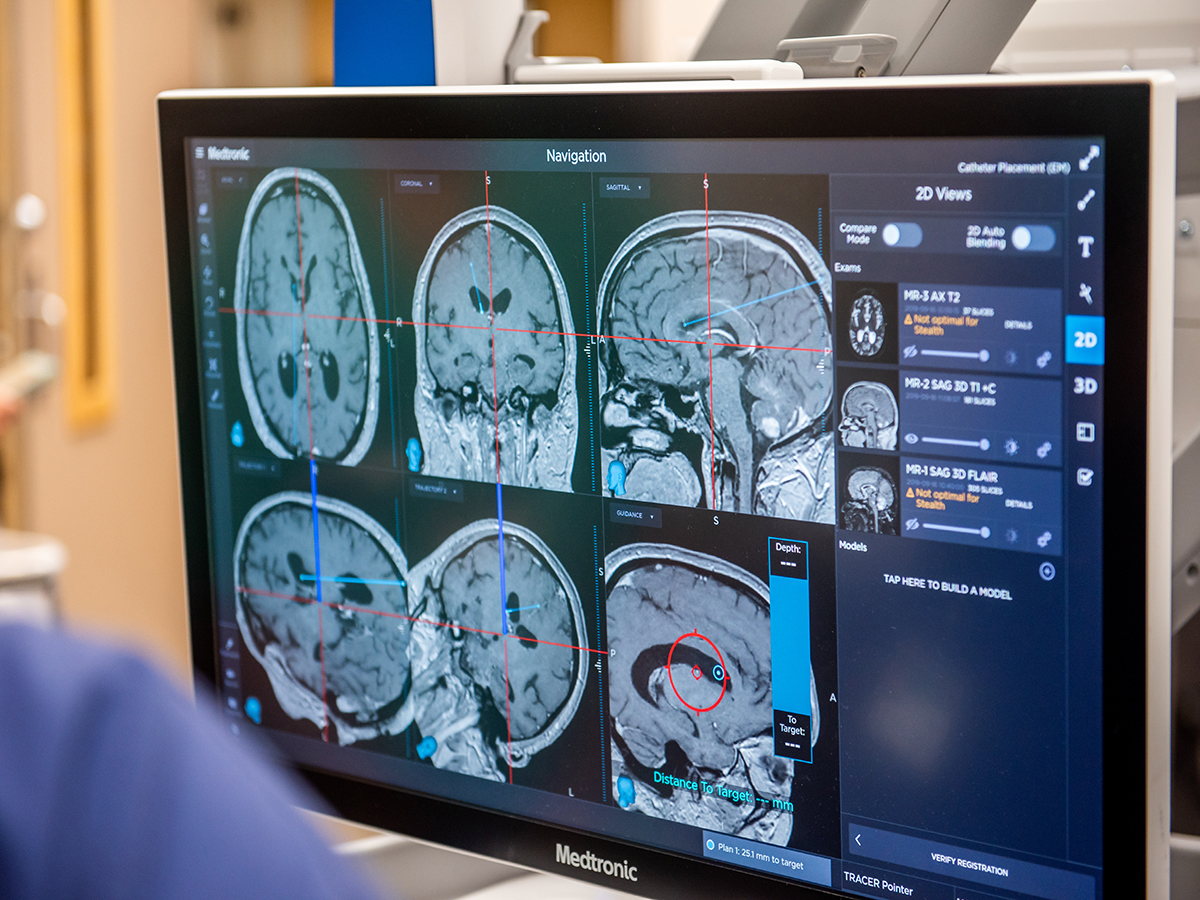
A UAB neurologist shares how symptoms of various movement disorders can be treated with deep brain stimulation therapy.
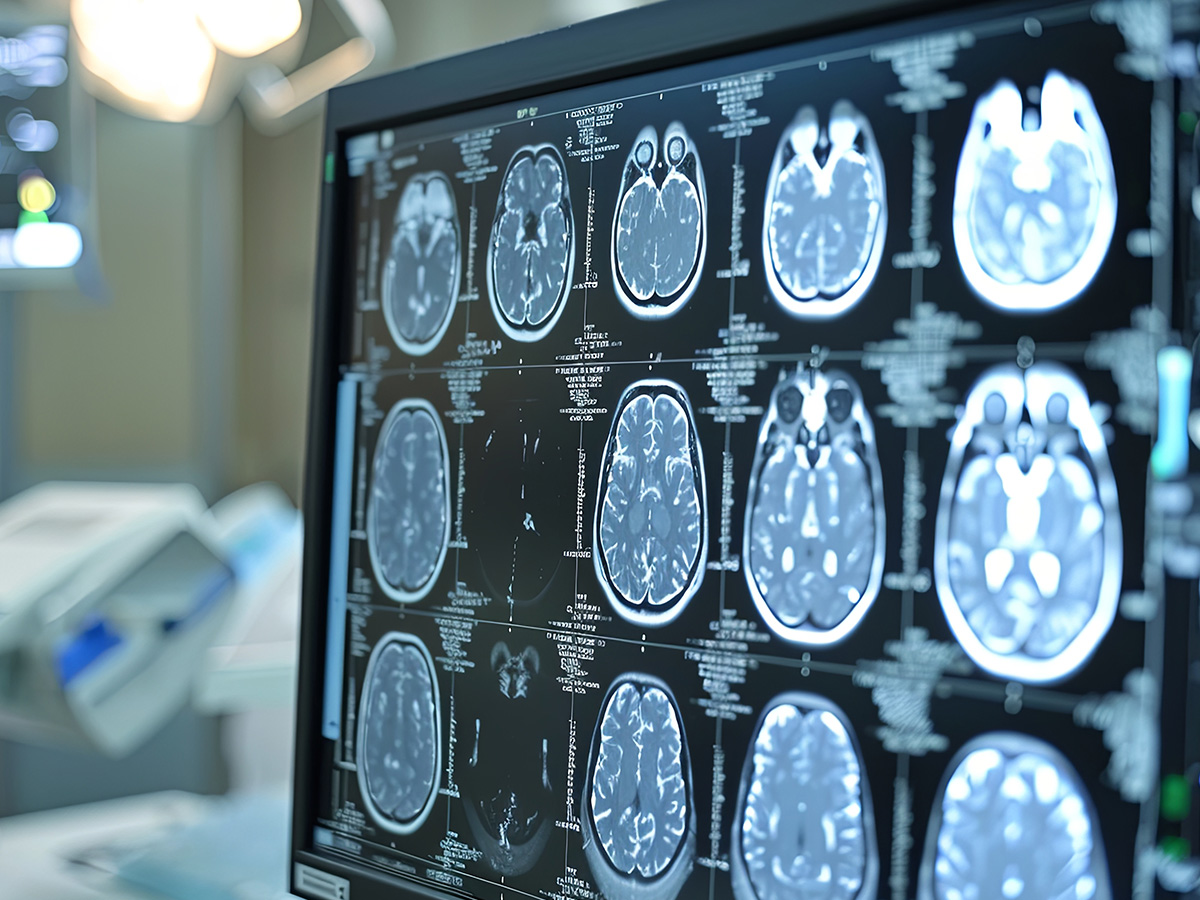
The published study found a correlation between first-time transient ischemic attack and future cognitive decline. Rates of decline between TIA and stroke participants were the same.
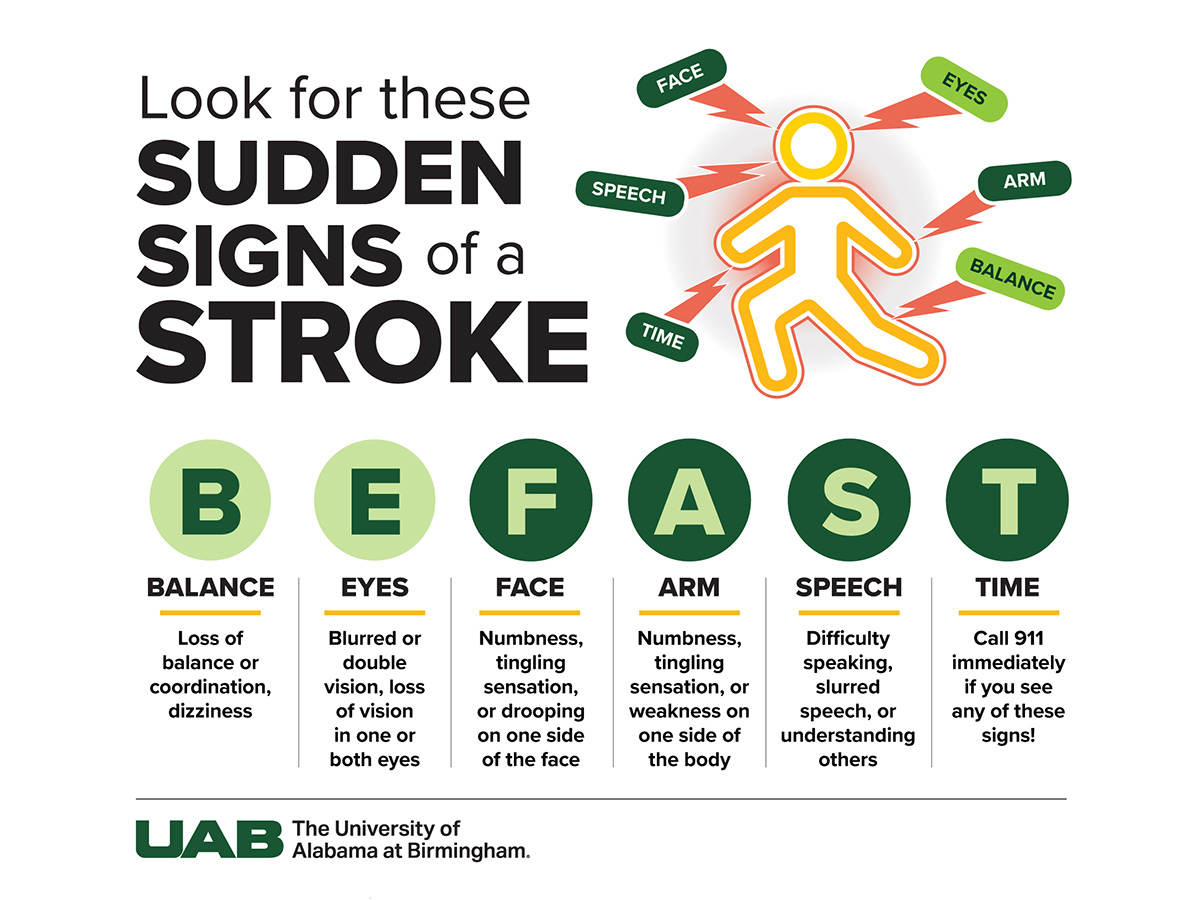
Knowing the symptoms and acting quickly in a stroke emergency can help to minimize long-term effects.

Chronic stress can increase inflammation in the brain, which can impact sleep, cognition and memory and potentially increase one’s risk for neurodegenerative diseases.
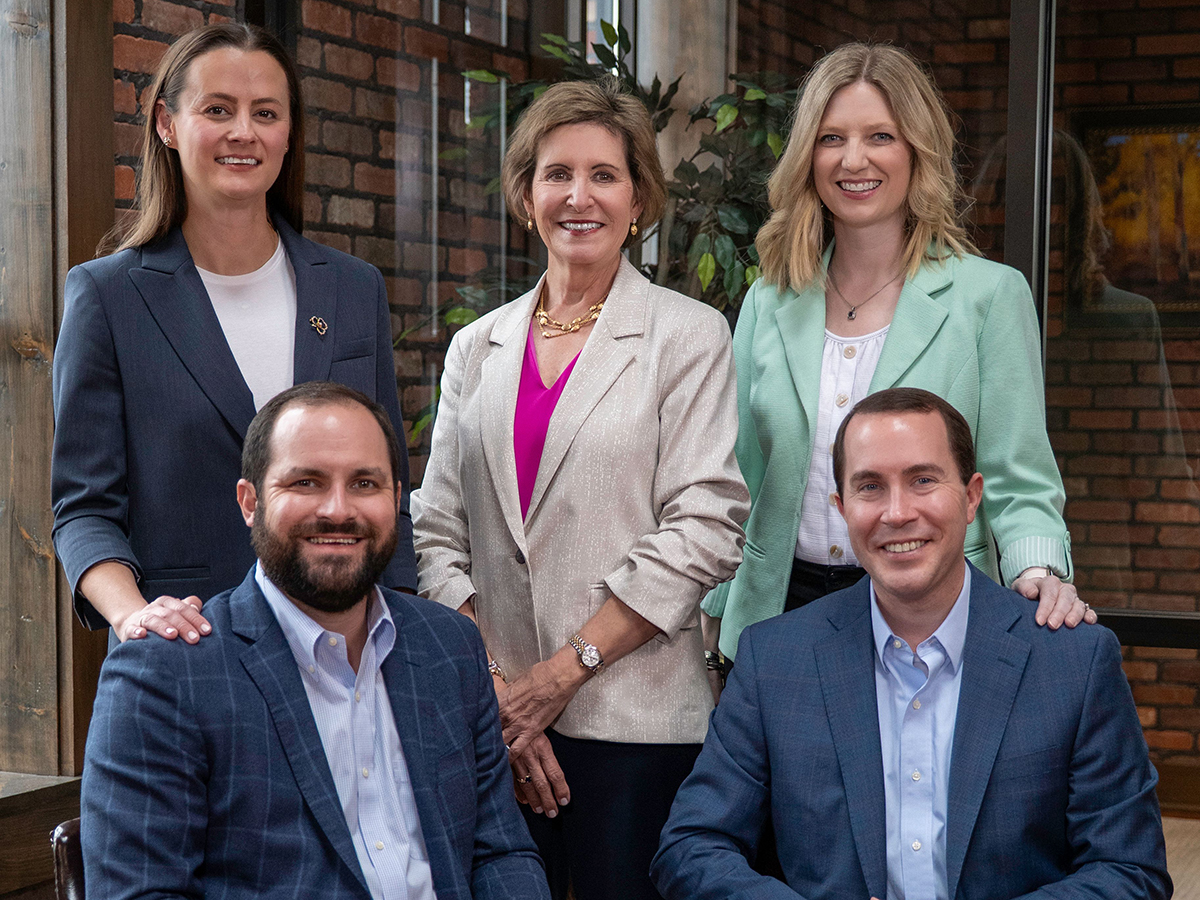
The Killion family of Birmingham has given a $10 million gift to UAB to create the Wayne Killion Endowment for the Center for Neurodegeneration and Experimental Therapeutics and to rename the center the Killion Center for Neurodegeneration and Experimental Therapeutics.

Rachel Smith, Ph.D., is collaborating with researchers across UAB on the two-year project, which will focus on the intracranial neural networks responsible for major depressive symptoms in epilepsy patients.
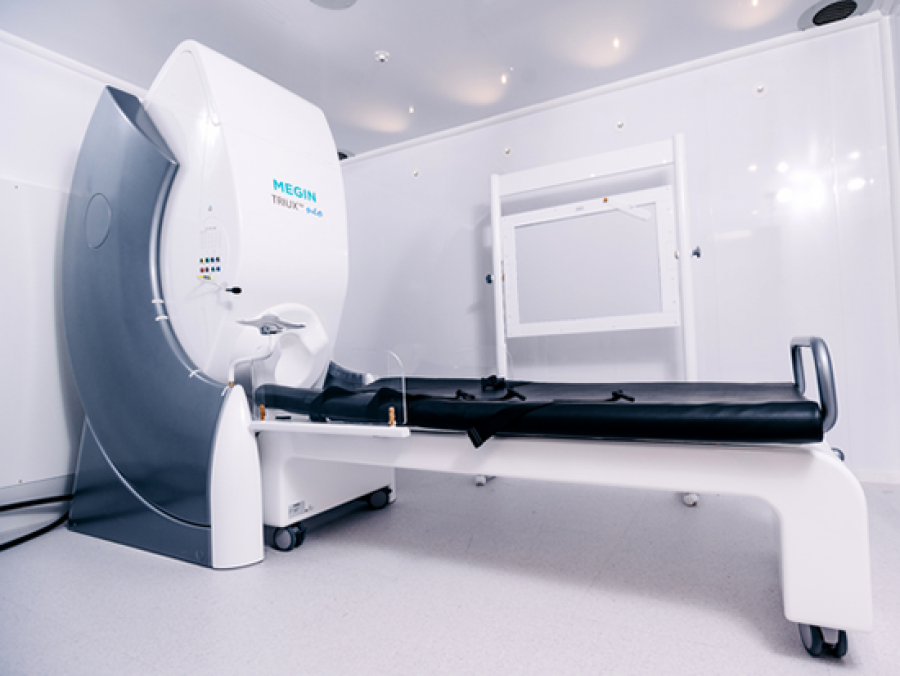
UAB was among the first medical centers in the country to obtain a MEG, having done so originally in 2001; however, evolving technology has created a need for replacing the old technology with a new one.
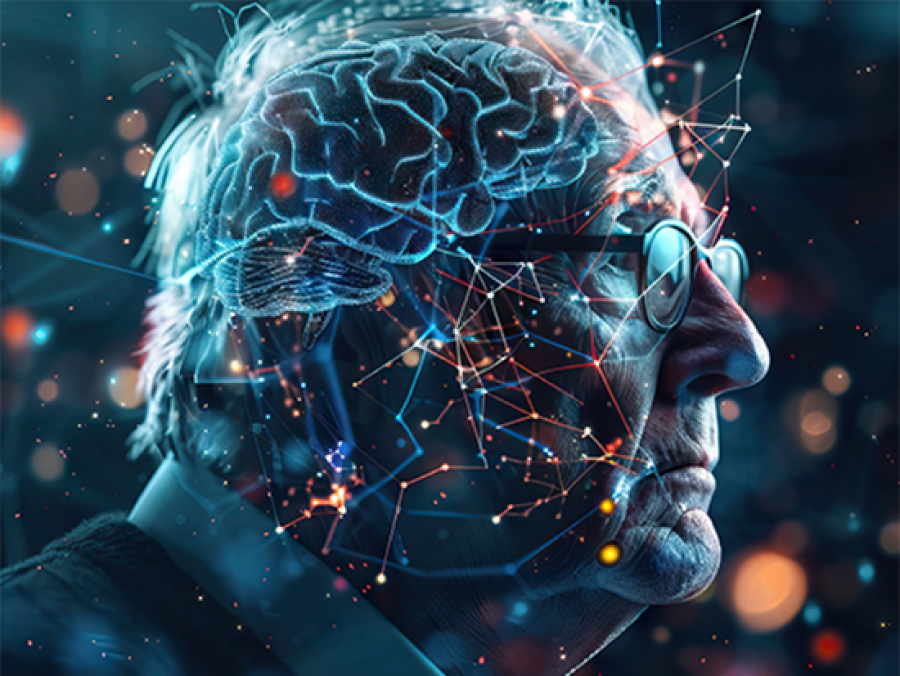
Human proteins identified that explain inter-individual differences in functional brain connectivity
This is a step toward an understanding of the brain that ultimately describes the mechanistic basis of human cognition and behavior.
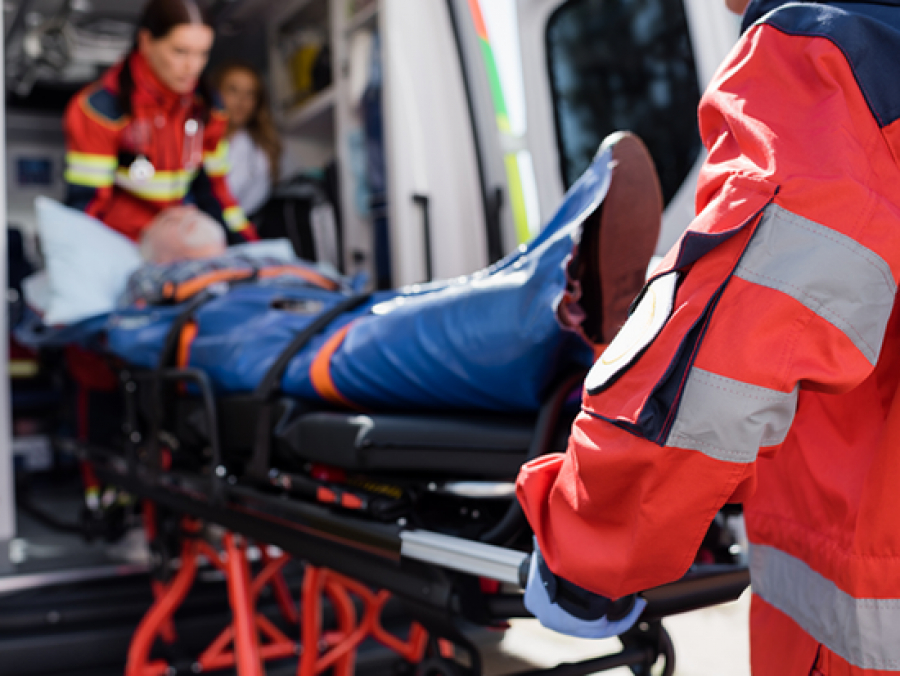
Leveraging the existing Alabama Trauma and Statewide Stroke systems, UAB and ADPH have created a model for a more integrated and effective system of emergency stroke care.
Results suggest that, rather than stimulating both sides of the brain using DBS, unilateral right DBS may avoid DBS-related declines in verbal fluency and response inhibition in patients with movement disorders like Parkinson’s disease.
Blazer Bridge Fund provides financial support to innovative ideas and inventions by the UAB community, encouraging advanced discovery.
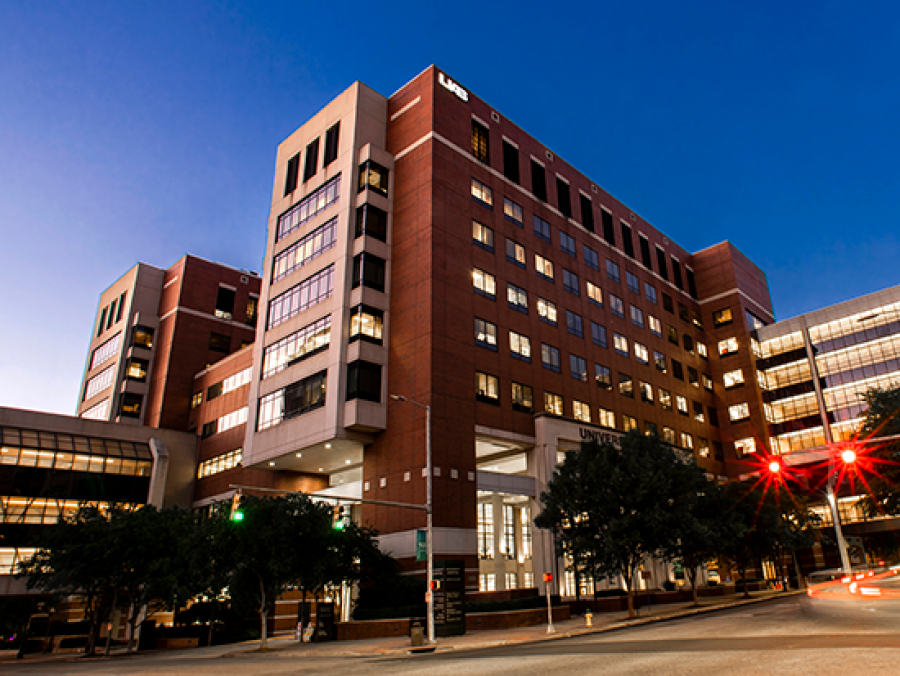
UAB Medicine has received the American Heart Association’s Get With The Guidelines® - Stroke Gold Plus with the added distinctions of Target: Stroke℠ Honor Roll Elite Plus and Target: Type 2 Diabetes™ Honor Roll.
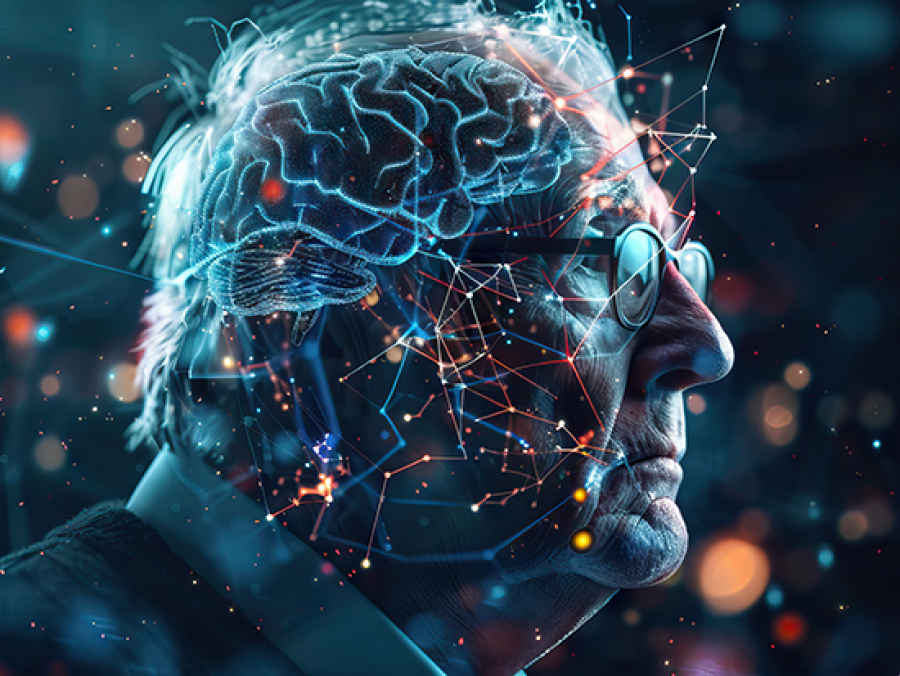
This finding suggests that therapy to remodel synapses could help memory in old age and dementia patients.
For 11 consecutive years, U.S. News has named UAB Hospital the best hospital in Alabama, with several specialties and procedures ranked among the best.
By prohibiting the Activin A protein from functioning, researchers were able to halt the development of dyskinesia symptoms and effectively erase the brain’s “bad memory” response to L-DOPA treatments.
The new, five-year grant will support research in the UAB Alzheimer’s Disease Research Center to address dementia disparities in the Deep South.

Ninety-two percent of evaluable patients treated with INB-200 exceeded a median progression-free survival of seven months. Glioblastoma multiforme is the most aggressive type of cancer originating in the brain.
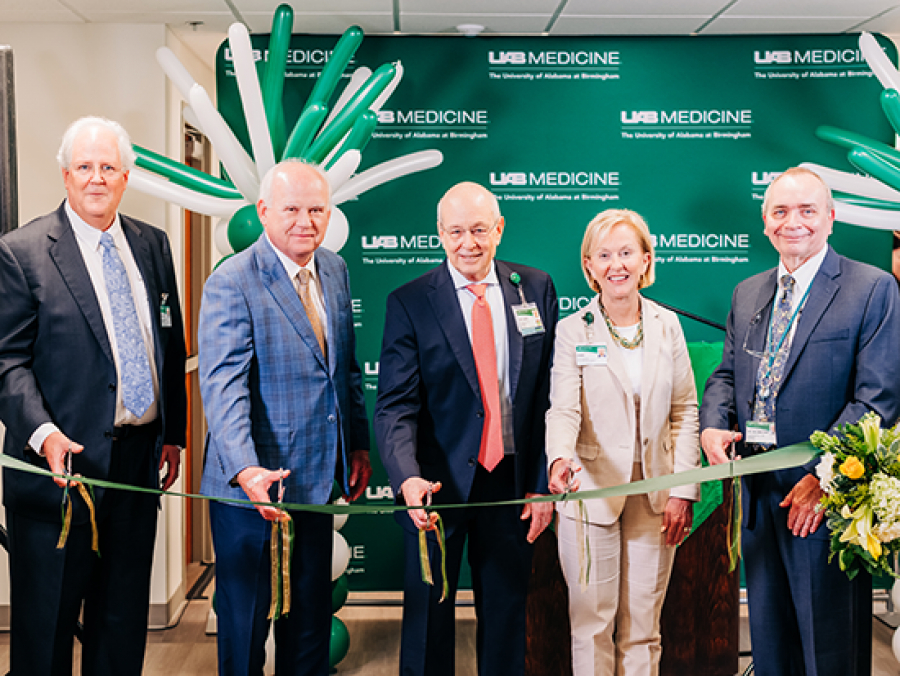
The new Brain Aging and Memory Hub will house the UAB Divisions of Neuropsychology and Cognitive and Behavioral Neurology, as well as the Alzheimer’s Disease Center and the Evelyn F. McKnight Brain Institute.
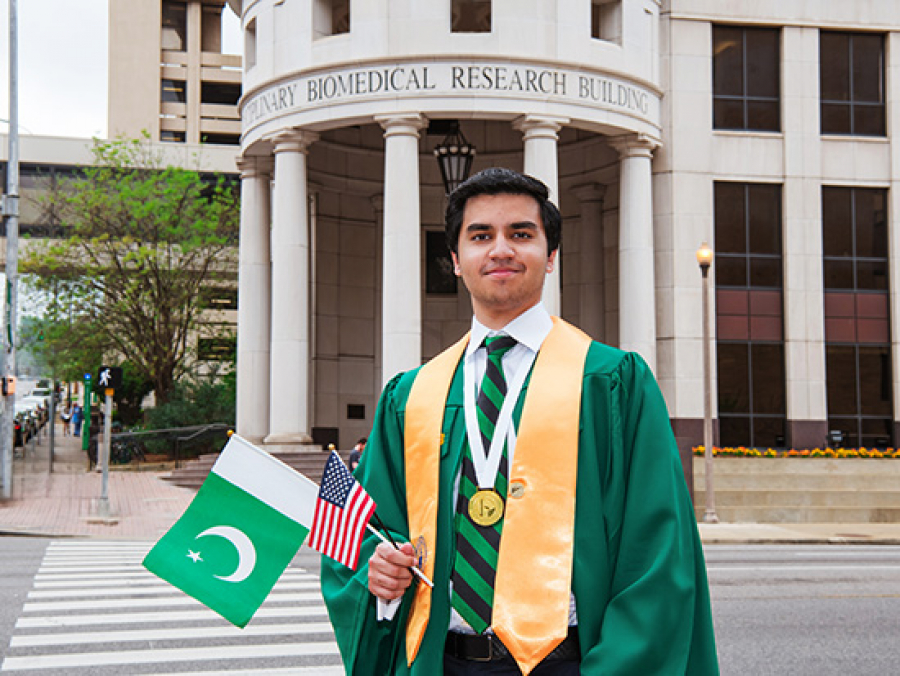
Muhammad Ali Abdullah is graduating with two degrees, profound research and clinical experience, and memories to cherish for a lifetime; he will be returning to UAB this July as a medical student.

The Goldwater Program received 1,353 nominations from 446 institutions this year, and the winners will receive a scholarship covering tuition, housing, fees and books.