Division of cardiovascular disease

The NIH grant will support development of a BionanomatrixTM coating for an aneurysm-therapy flow diverter in the brain.

Researchers at UAB shed light on the link between genetic variants and cardiovascular risk factors in determining heart health.
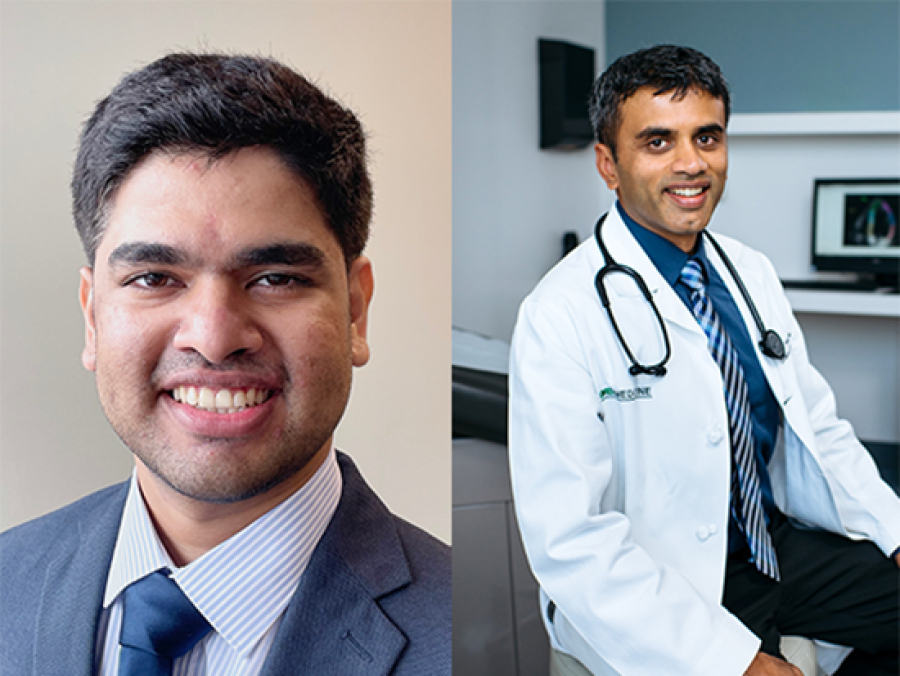
Researchers at UAB reveal the impact of transthyretin protein levels on heart disease risk.

For 11 consecutive years, U.S. News has named UAB Hospital the best hospital in Alabama, with several specialties and procedures ranked among the best.

Researchers at UAB compared three risk-assessment tools for predicting mortality risk.

This new device leads to earlier discharge and an overall increase in patient satisfaction.

This procedure has been clinically proved to help reduce blood pressure in patients for whom neither medications nor lifestyle changes have been successful.

UAB researchers leverage data from the All of Us Research Program to show that carpal tunnel syndrome is a sentinel event for cardiac amyloidosis.

The device will be used to treat patients with symptomatic severe aortic stenosis who are at high or extreme risk for open-heart surgery.

The program is designed specifically to treat women and address the distinct concerns and unique risk factors that women may experience.

A large nationwide study found that Black individuals carrying a genetic mutation in the TTN gene were at an increased risk of adverse clinical outcomes.
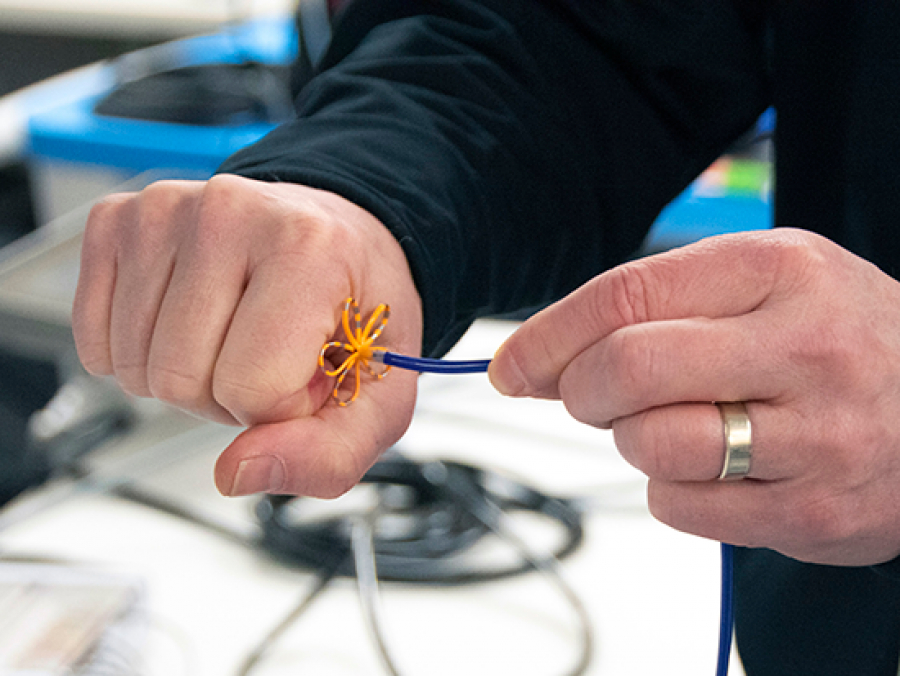
Pulsed-field ablation disrupts the cellular membranes of vein tissue, irreversibly preventing those membranes from conducting electricity. This protects the heart from the rapid impulses which can cause atrial fibrillation.

UAB researchers leverage data from the SPRINT trial to show that intensive control of blood pressure reduces troponin I levels and this decrease in troponin I levels is associated with reduced risk of cardiovascular disease.

Although living with his congenital heart defect has come with its challenges, Bill Wingate hopes he can encourage others with similar conditions.

A healthy lifestyle is about small changes over time that build upon each other.
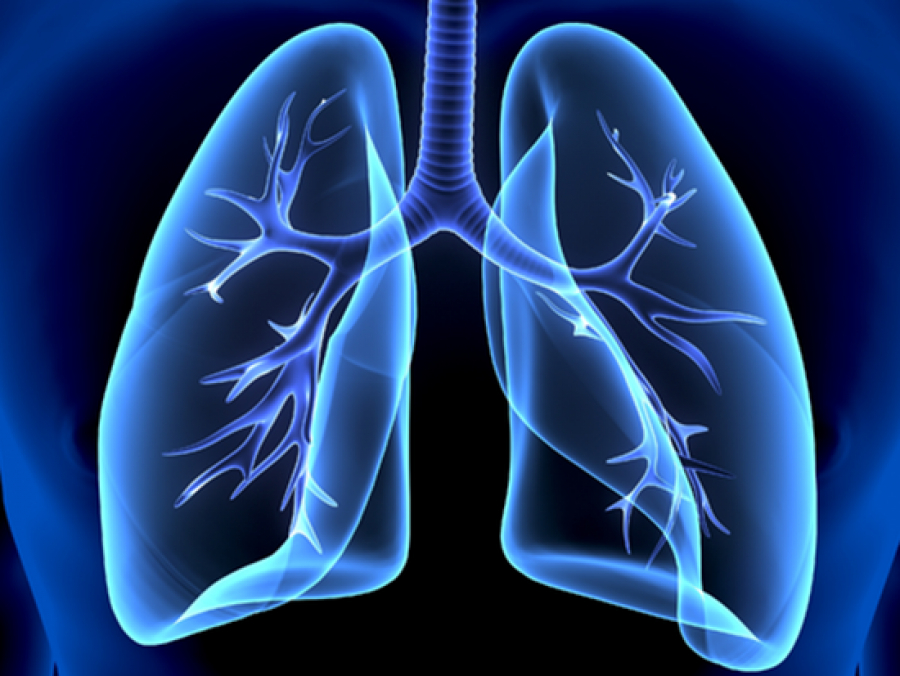
A post-hoc analysis of critically ill COVID-19 patients revealed that high-dose inhaled nitric oxide therapy was more beneficial in reducing the risk of mortality in Black patients compared with their white counterparts.

At 15 months old, Brooke Miley Lillie received a heart transplant. At 19, she received a kidney. At 27, she defied the odds and delivered her first daughter at UAB Hospital.
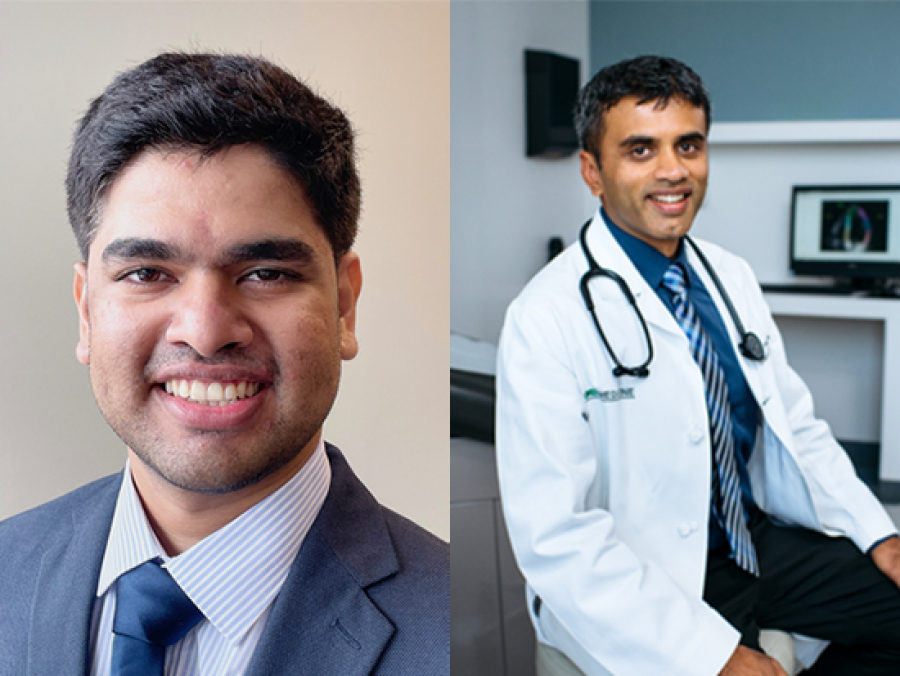
A UAB study evaluating the treatment of severe dyslipidemia showed that only one in three individuals with severe dyslipidemia took lipid-lowering medications without any improvement in the treatment rates over 10 years.

UAB Hospital practice areas were honored with the “Best Hospital” designation, including cancer care, heart care, stroke care, minimally invasive surgery, comprehensive breast care, mammograms, obstetrics and women’s services.
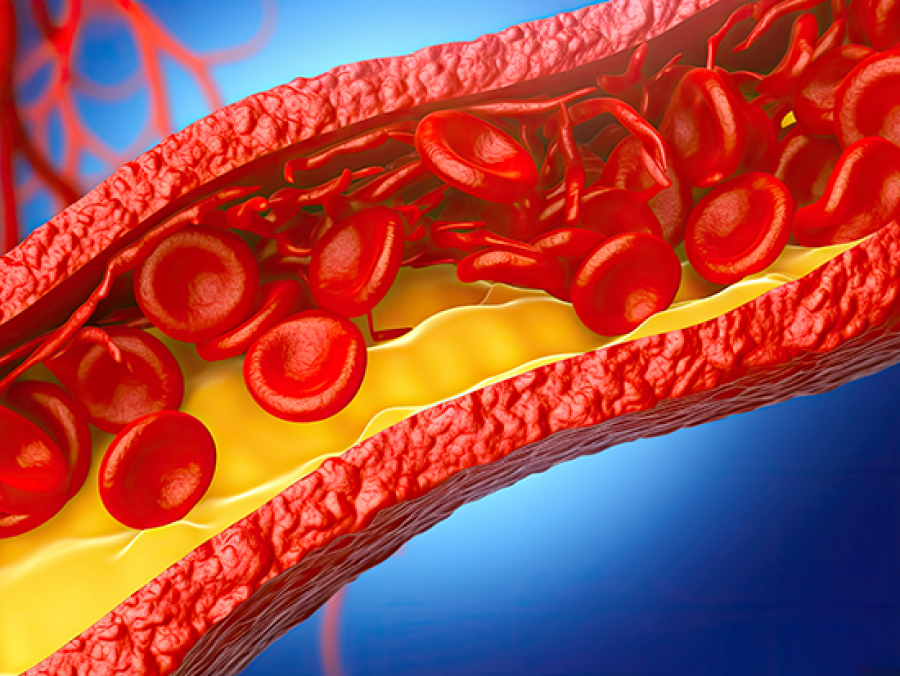
This advance should facilitate atherosclerosis drug discovery and development.