Heart health
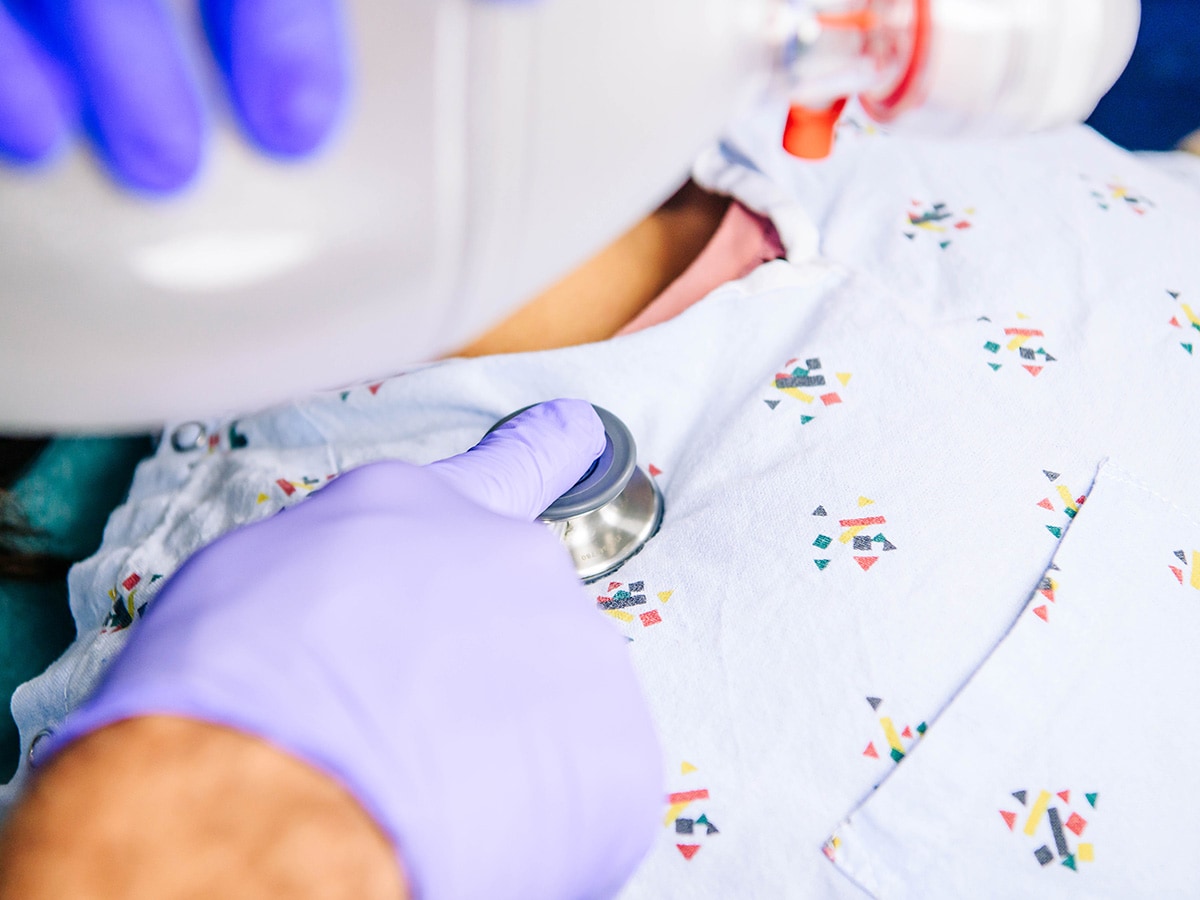
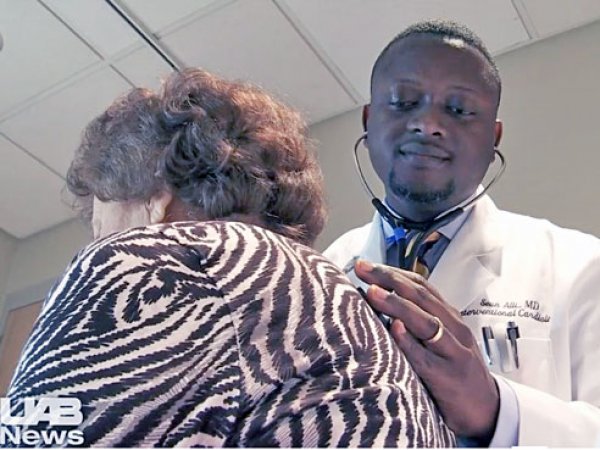
A heart care expert at UAB St. Vincent’s shares his top six signs and symptoms that patients should not ignore.

UAB experts say there are many steps people can take to minimize the impacts of a sedentary lifestyle on their heart health.

Cardiovascular disease is the second leading cause of death among cancer survivors, second only to cancer itself

Martin Young, Ph.D., says moving the clocks ahead one hour in March is associated with a 10 percent to 24 percent increase in the risk of having a heart attack the following Monday.
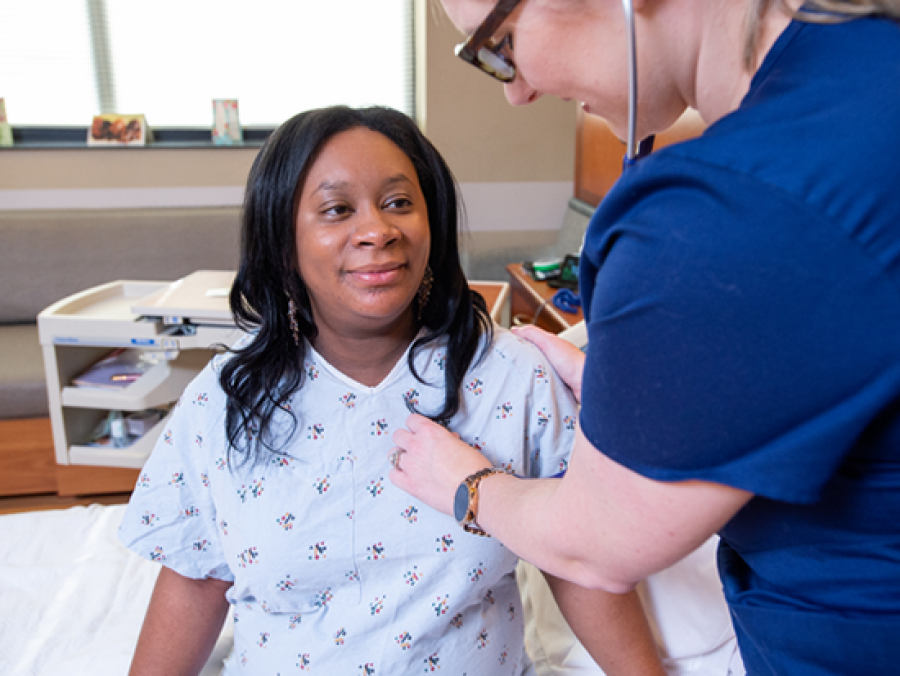
Experts at the UAB Cardiovascular Institute and UAB St. Vincent’s say it is never too early or too late for women to begin protecting themselves from heart disease.
A new study reveals how a bacterial gene and FIVAR-equipped proteins allow pneumonia bacteria to invade heart cells, causing severe cardiac damage.

By focusing on key areas of health, one can enhance their quality of life and enjoy a vibrant, active life well into their golden years.

A healthy lifestyle is about small changes over time that build upon each other.

A UAB expert is offering some of their top tips on how to avoid holiday heart syndrome and enjoy a heart-healthy holiday season.
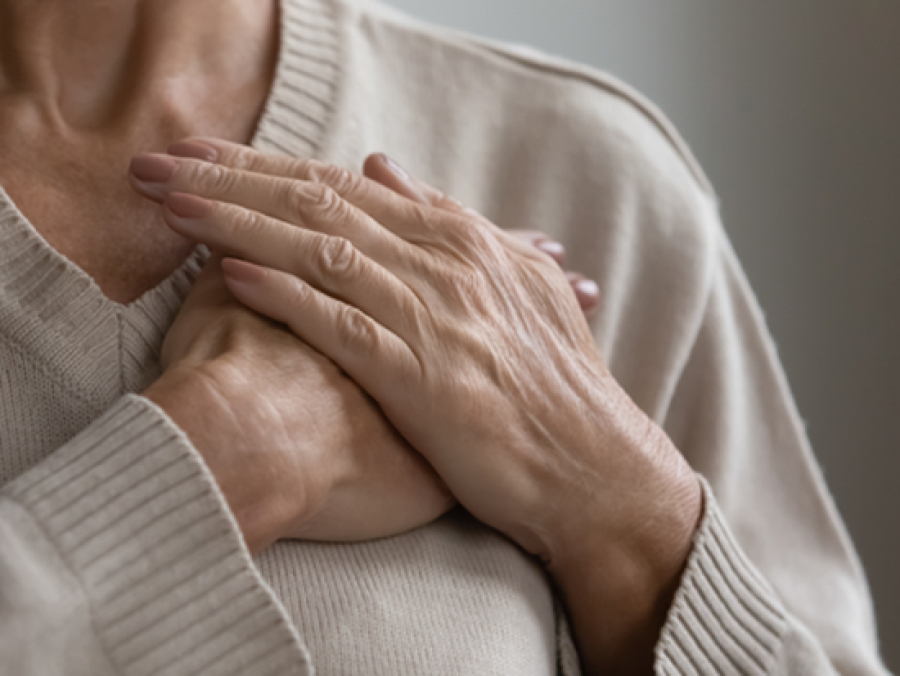
Experts say it is never too late for women to know their risk factors and take steps to prevent heart disease.
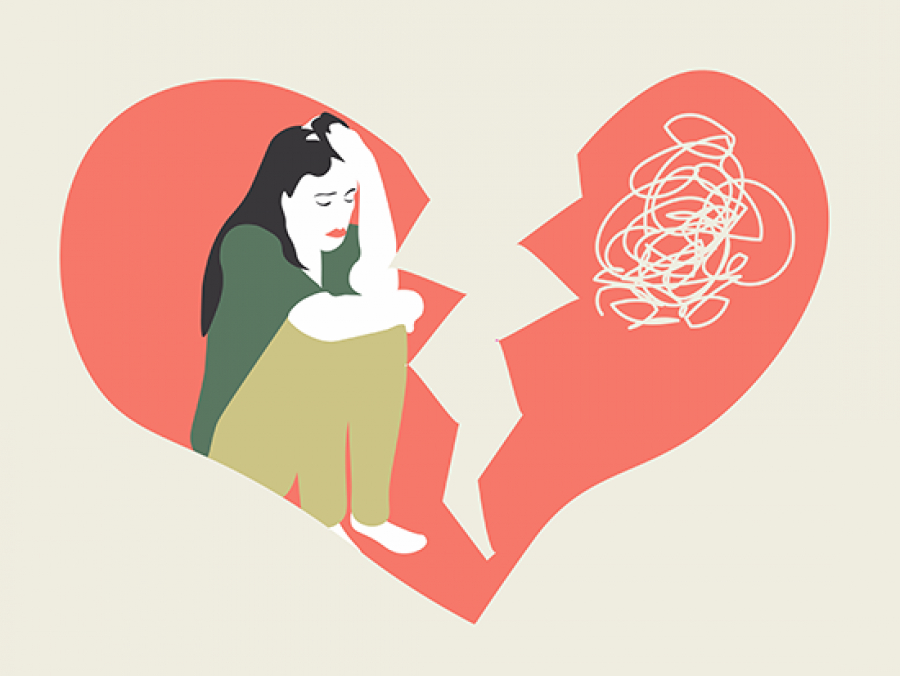
Learn what broken heart syndrome is, who is at risk for it, how to prevent it and more.
For those who had COVID-19, lingering heart problems can complicate their recovery. UAB experts address common concerns that people have with their heart health after COVID-19.
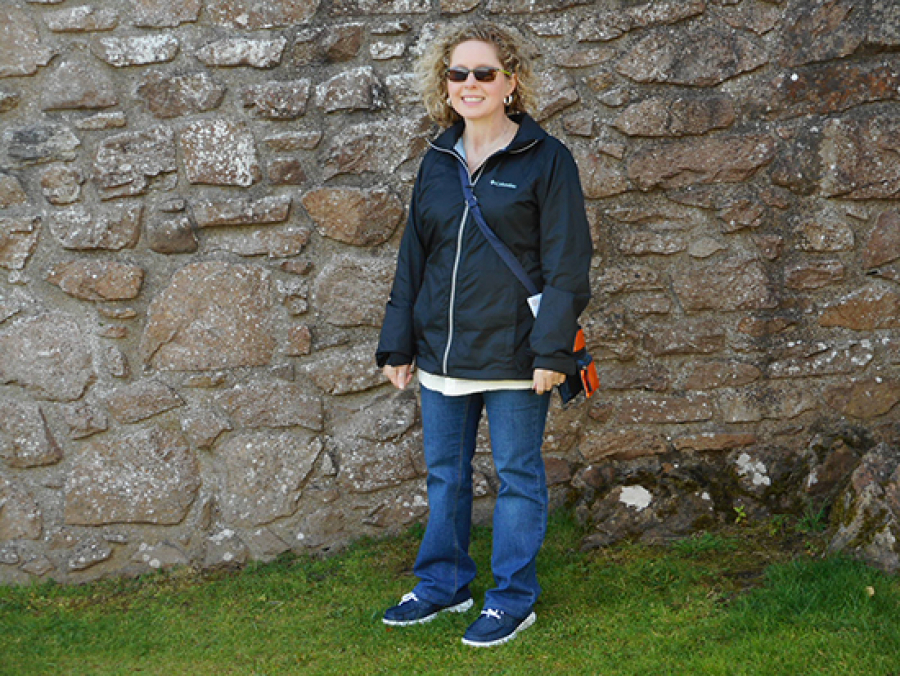
Symptoms of heart valve disease often go undetected or dismissed as a normal part of aging. Patient Karen Hay was unaware and says the procedure at UAB to repair the valve saved her life.
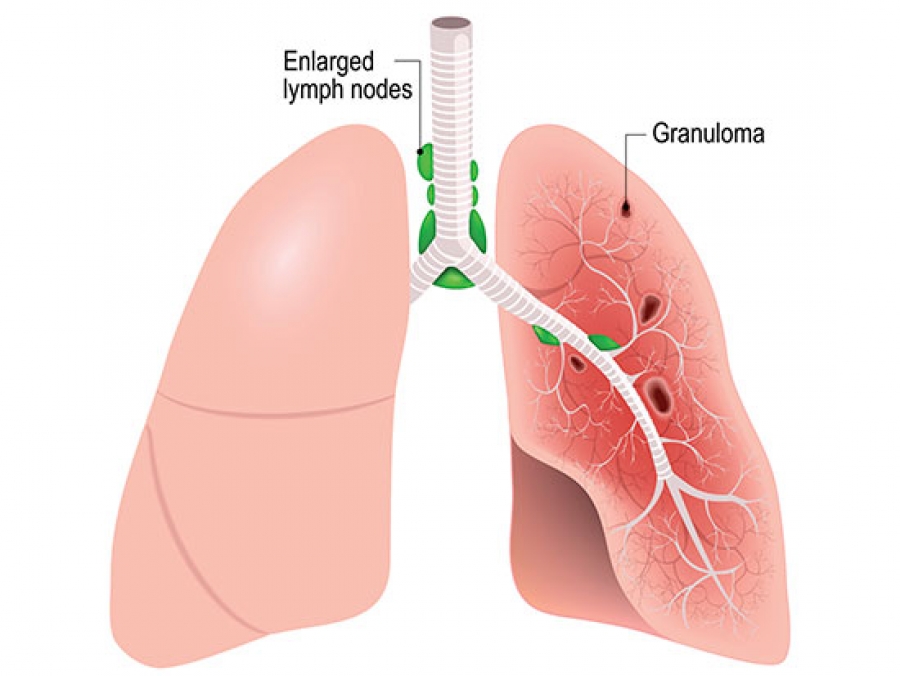
Researchers have found the rate of hospitalization for sarcoidosis has increased, and in-hospital mortality associated with sarcoidosis has decreased.
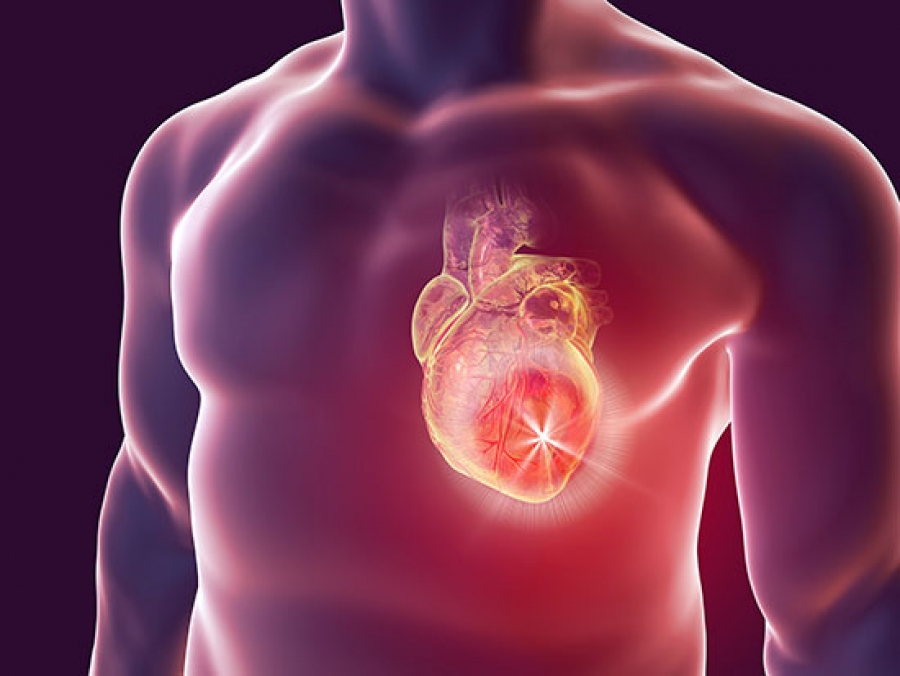
This more comprehensive approach may be needed to find ways to delay the progressive heart failure.
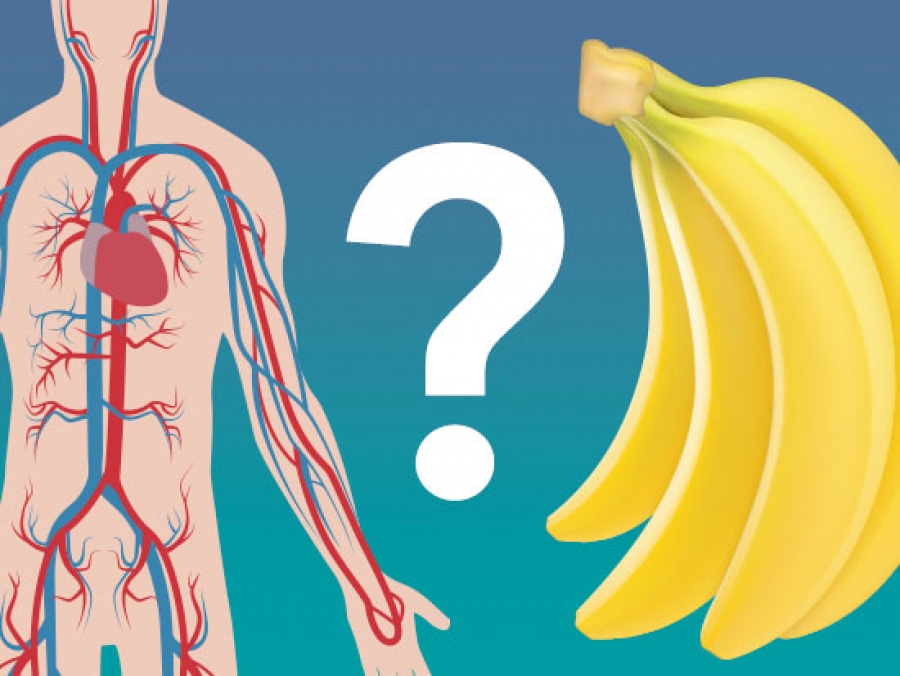
Low dietary potassium leads to calcified arteries and aortic stiffness, while increased dietary potassium alleviates those undesirable effects in a mouse model, suggesting dietary potassium may protect against heart disease and death from heart disease in humans.
The average American consumes nearly 2,000 mg a day over most adults’ ideal amount of sodium intake, excluding salt added at the table. Sodium found in restaurant, pre-packaged and processed foods, and foods like canned vegetables can increase heart disease and stroke risk, among others.
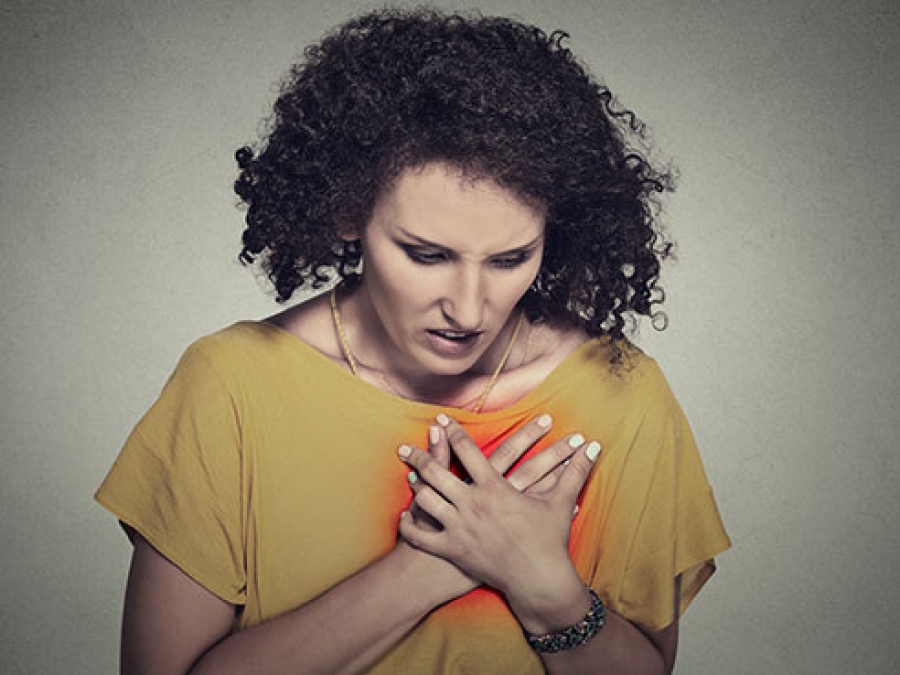
A heart attack can happen even if to those who are relatively young and fit, and genetics can play a role.
UAB is the only hospital in Alabama that can repair leaks around replacement heart valves using minimally invasive techniques.