Research & Innovation

Updates from two important efforts focused on data-driven decision-making and unifying technology strategies across UAB and UAB Medicine.

Inspired by a police press conference, Yuliang Zheng, Ph.D., chair of the Department of Computer Science, developed a way to prove that digital files are authentic while obscuring secret information. His work is now an International Standard in cybersecurity, paving the way for large-scale adoption by tech companies.
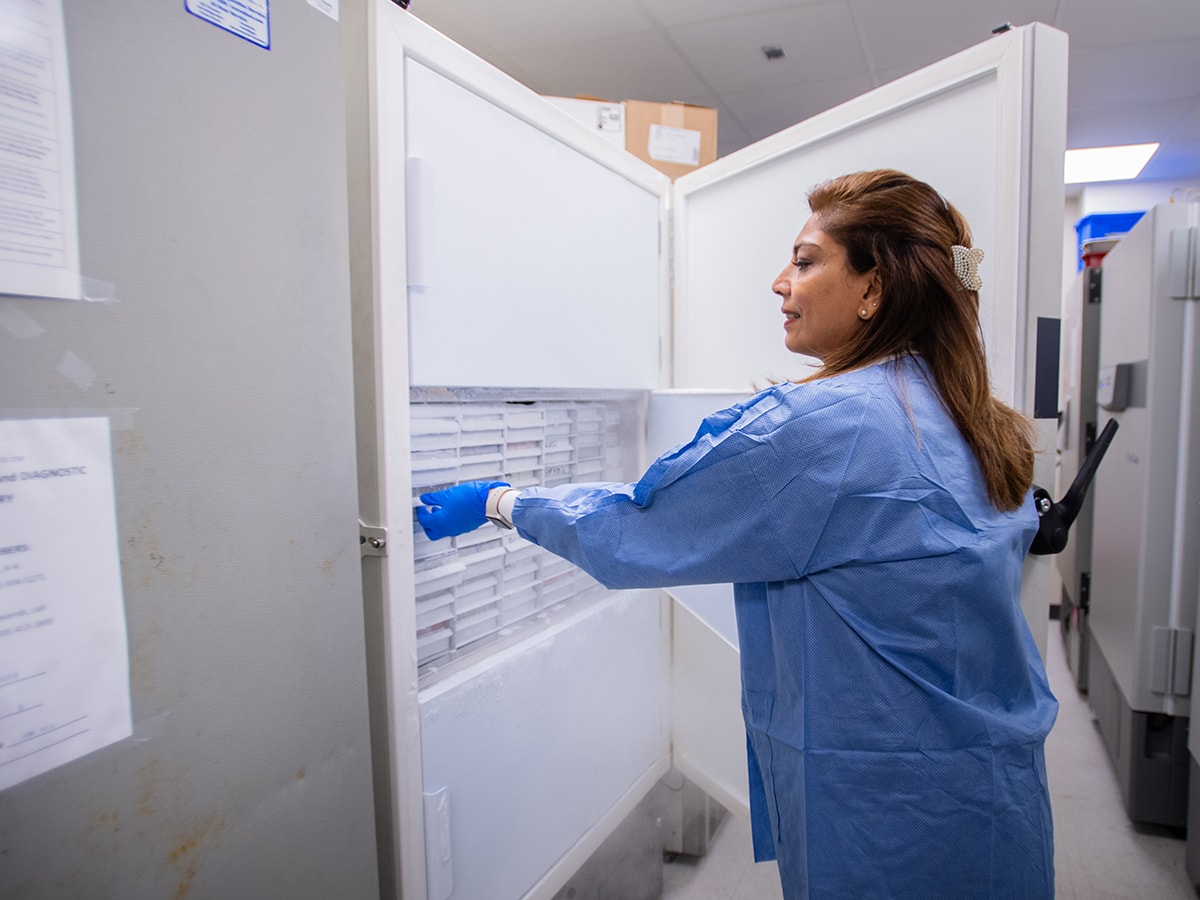
More than 200 UAB labs participate in the voluntary program, which is a partnership between UAB Sustainability and UAB Environmental Health and Safety. In 2024 alone, energy reductions and resource savings reached nearly $500,000.
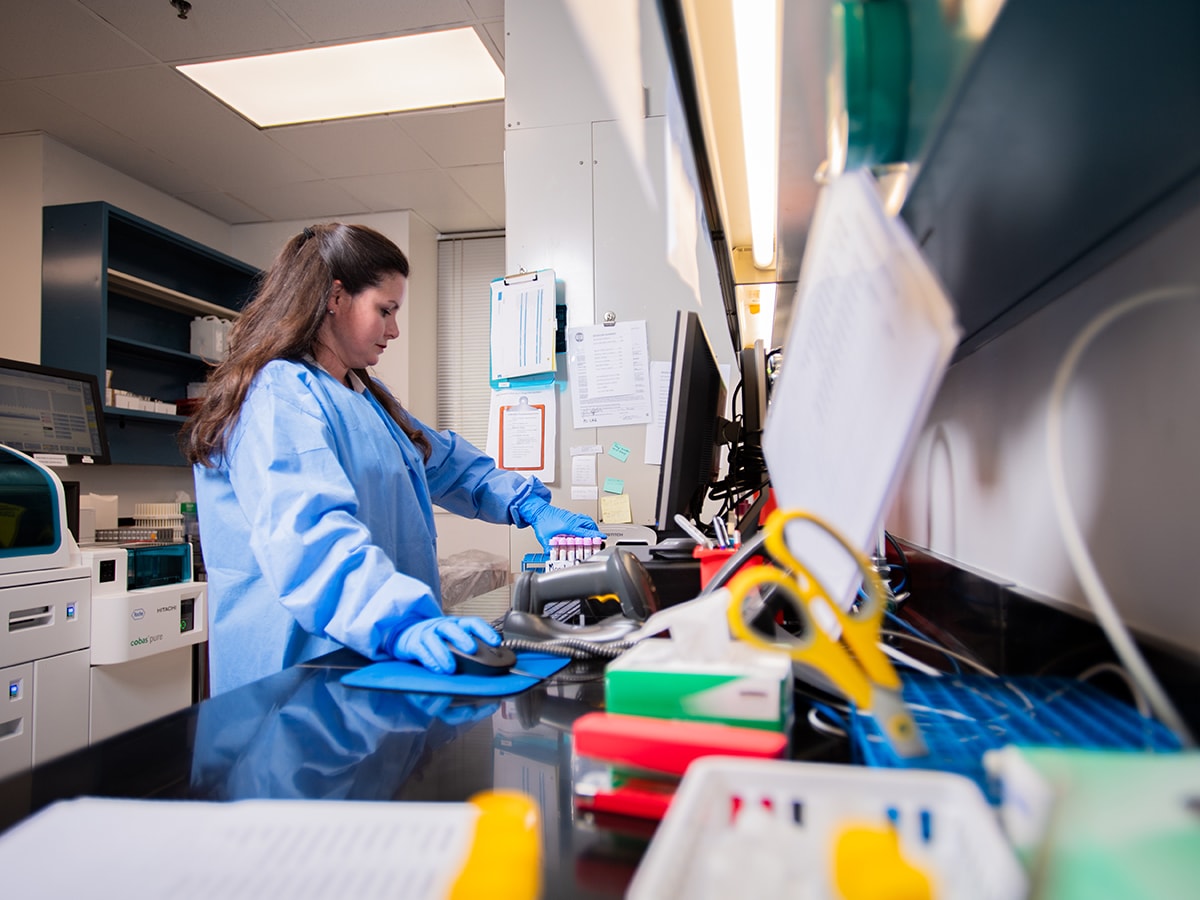
Plans developed through the efforts of more than 100 faculty and staff members have given UAB a blueprint for resilience and creating operational efficiencies that is being translated into tangible progress across the institution’s research enterprise.
A two-semester standalone course, the only one of its kind nationwide that is open to all graduate students, explores the Neurosequential Model of Therapeutics.
The SIF backs large, cross-campus projects that align with UAB's strategic plan, Forging Ahead. Previously funded projects include a mobile maternal and child health project for underserved counties and a multi-disciplinary driving simulation lab. Applications for the next funding round are open now through Sept. 19. Learn more and apply online.
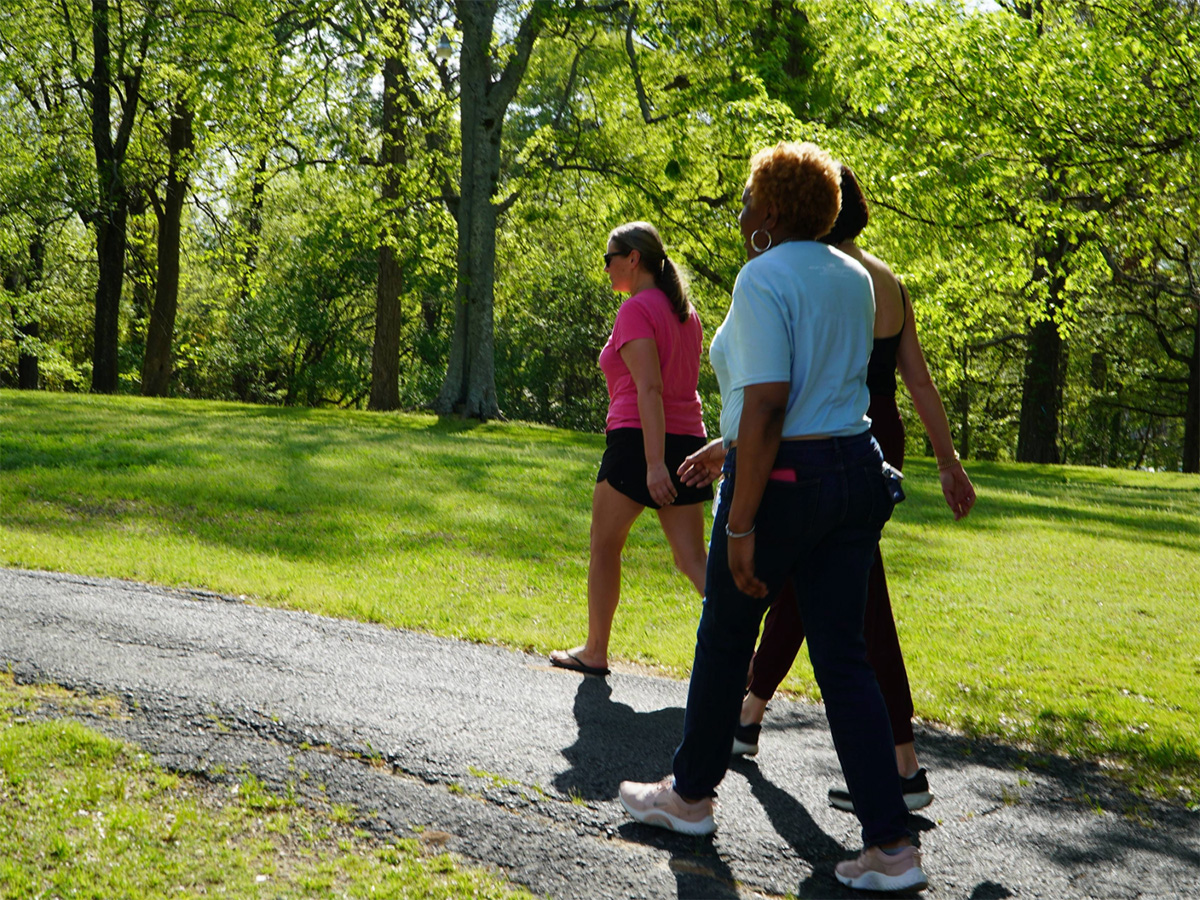
The University-Wide Interdisciplinary Research Center focuses on the involvement of community members, organizations and patients as partners in research and interventions with a mission to prevent disease and improve health for all.
More than 100 faculty and staff are driving progress through their membership in the six working groups of the UAB Research Strategic Initiative. Learn more about their progress in recent months.
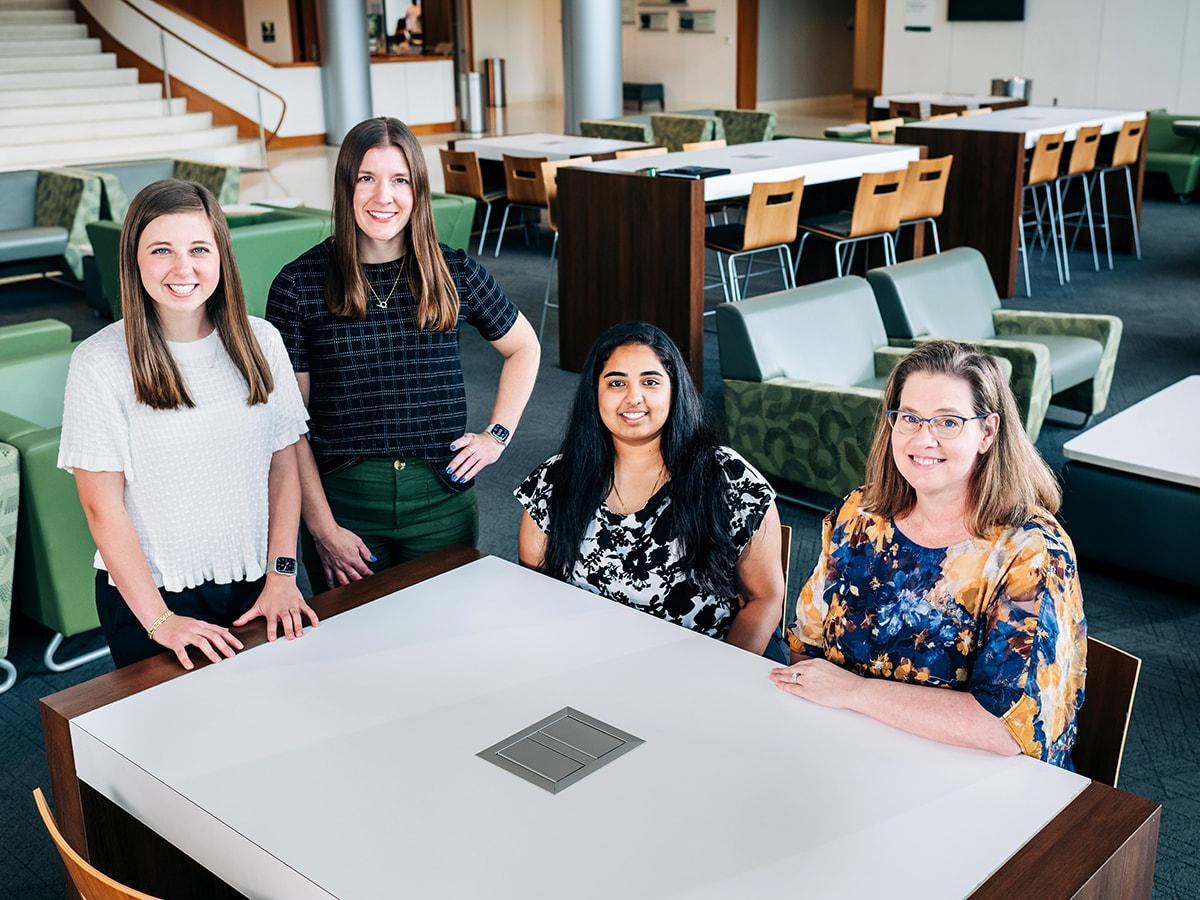
Hear from members of the first cohort of this new program from the Harbert Institute for Innovation and Entrepreneurship. Then check out the beta versions of their software tools for better workplace communication and AI-powered research summaries.

A Collat School of Business researcher studying flexible work schedules found that planning improved satisfaction and reduced exhaustion. We asked a UAB life coach how she helps employees make plans — and how to take advantage of this employee benefit.
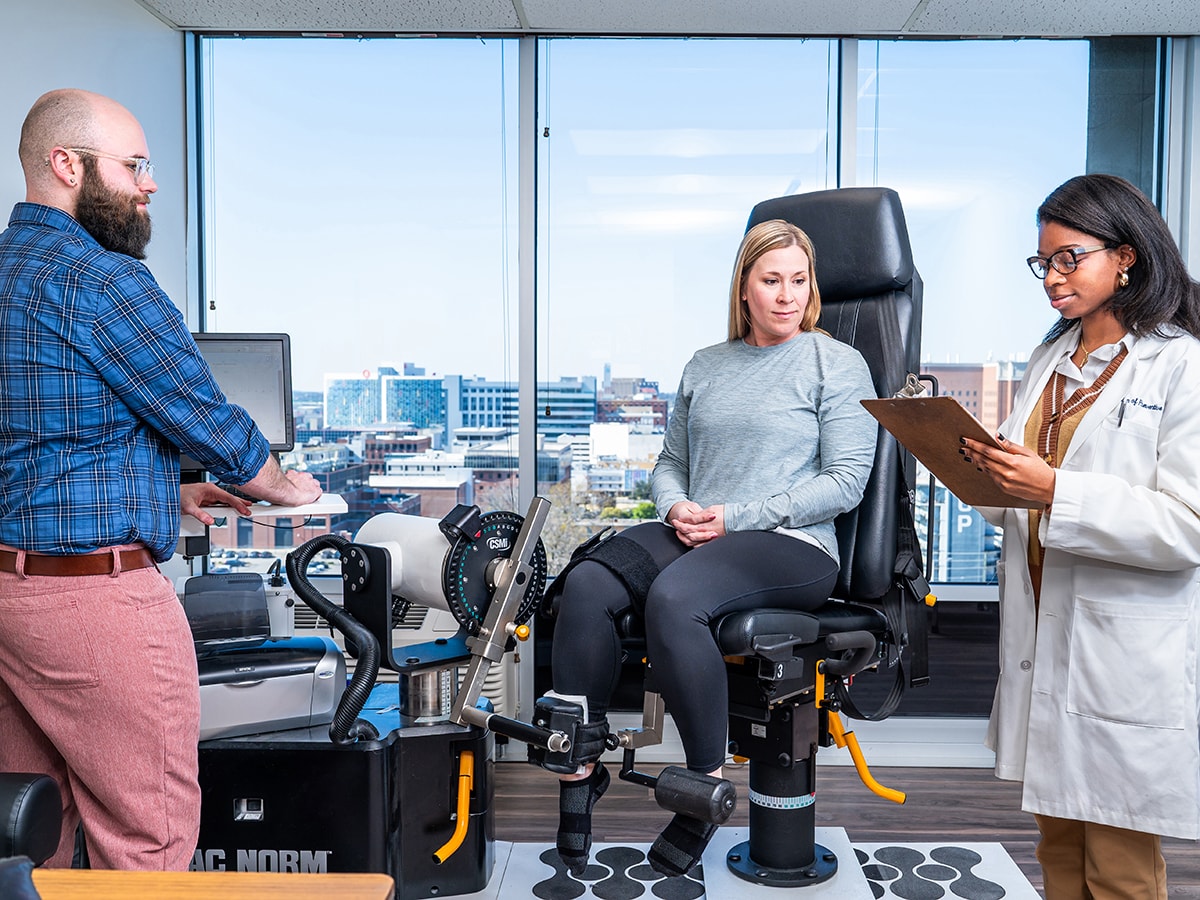
UAB researchers are studying knee osteoarthritis, a condition that will affect nearly half of Americans as they age, using new diagnostic tools. The pioneering research is now enrolling younger participants, starting at age 45.
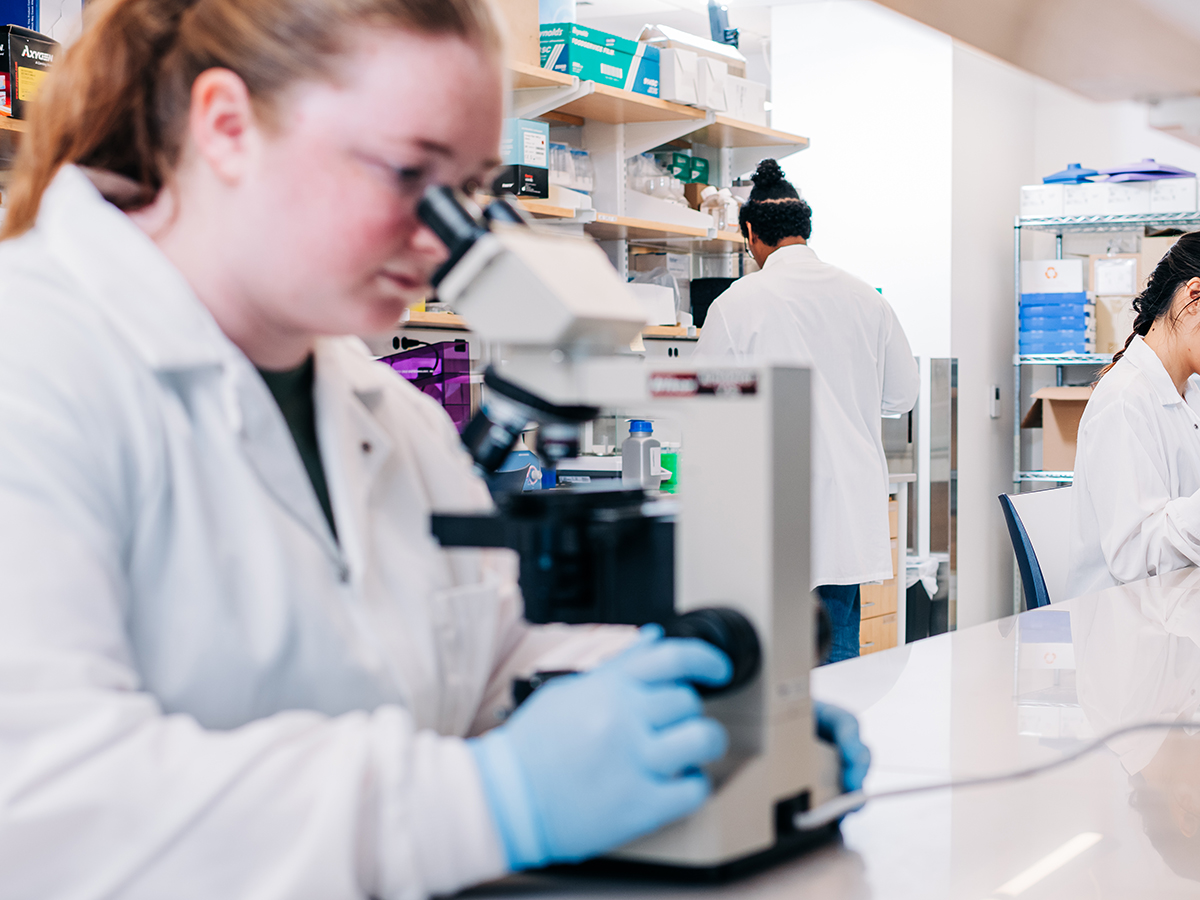
The Academic Research Organization for Clinical Trials, or ARO-CT, has been established to support the expanding infrastructure needs of UAB’s clinical trials enterprise as part of the university’s Research Strategic Initiative.
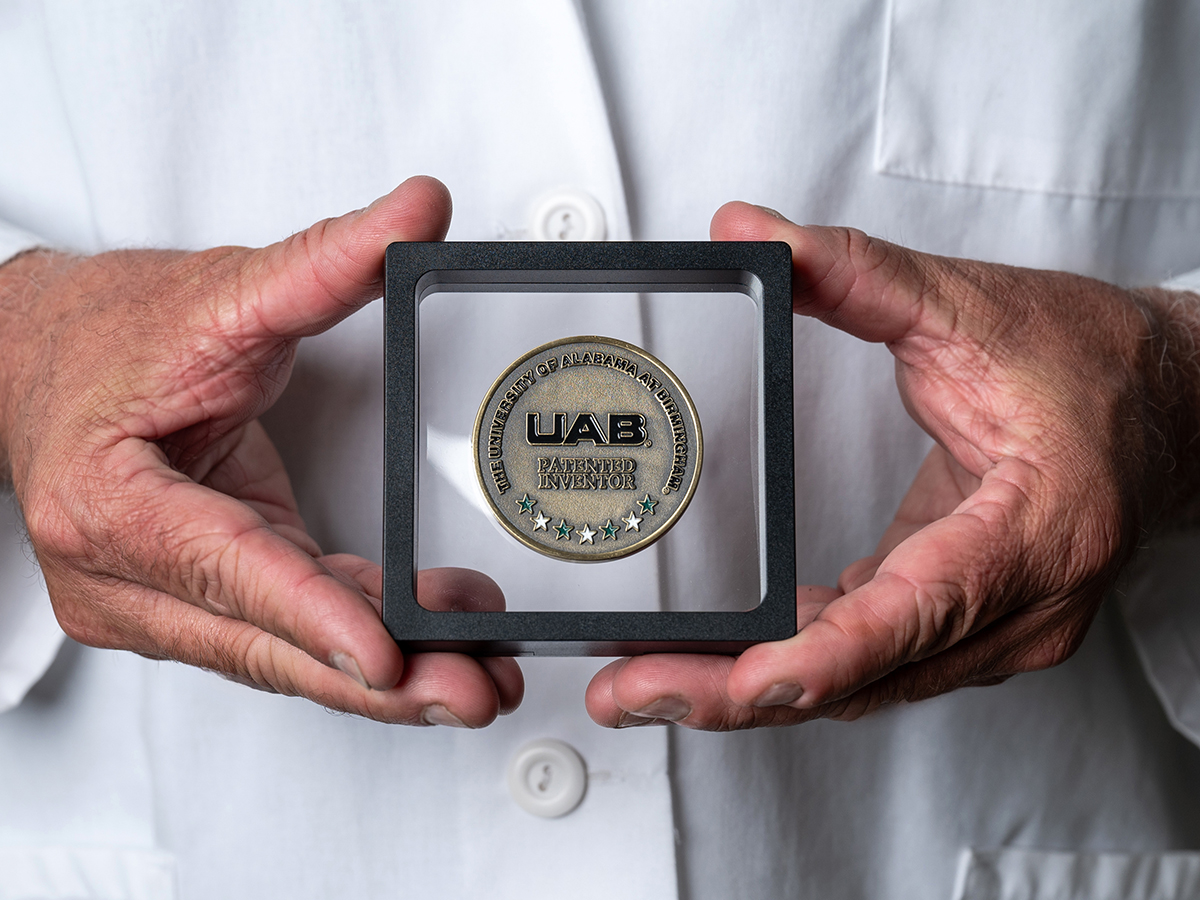
Forty UAB inventors were named on 17 patents in fiscal year 2024. Through the new patent coin recognition program from UAB’s Harbert Institute for Innovation and Entrepreneurship, these faculty and staff, along with patent holders moving forward, are receiving special tokens honoring their hard work and dedication.

UAB sleep specialist S. Justin Thomas, Ph.D., current president of the Society of Behavioral Sleep Medicine, explains the elements of CBTi, a proven front-line therapy, including relaxation techniques, stimulus control and sleep restriction, along with cognitive therapy.
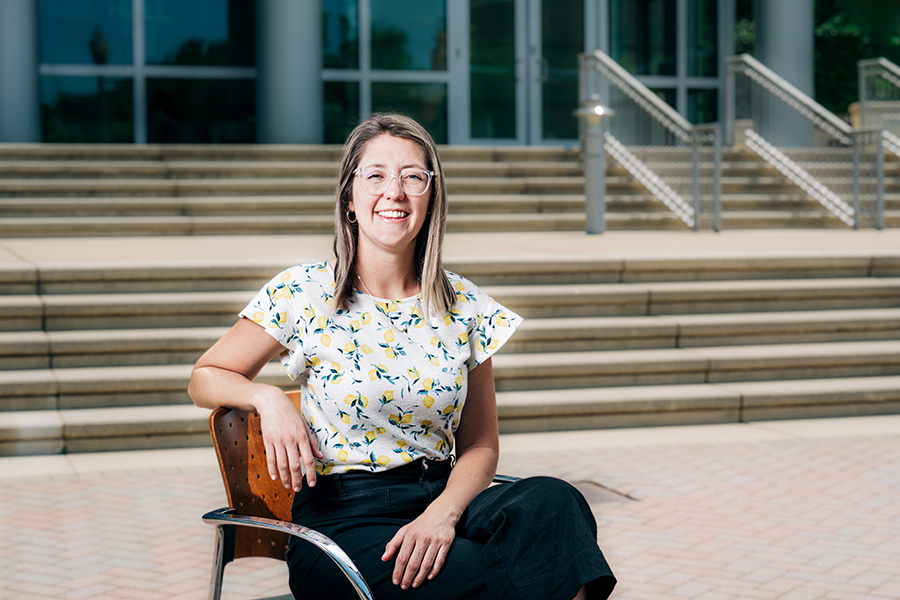
There are now more than 40 City as Classroom courses in UAB’s Blazer Core Curriculum. Data Dive Into Birmingham, launched this past fall, features projects with real-life datasets and guest speakers from local employers such as Alabama Power who explain how they use statistics and data science in their work.
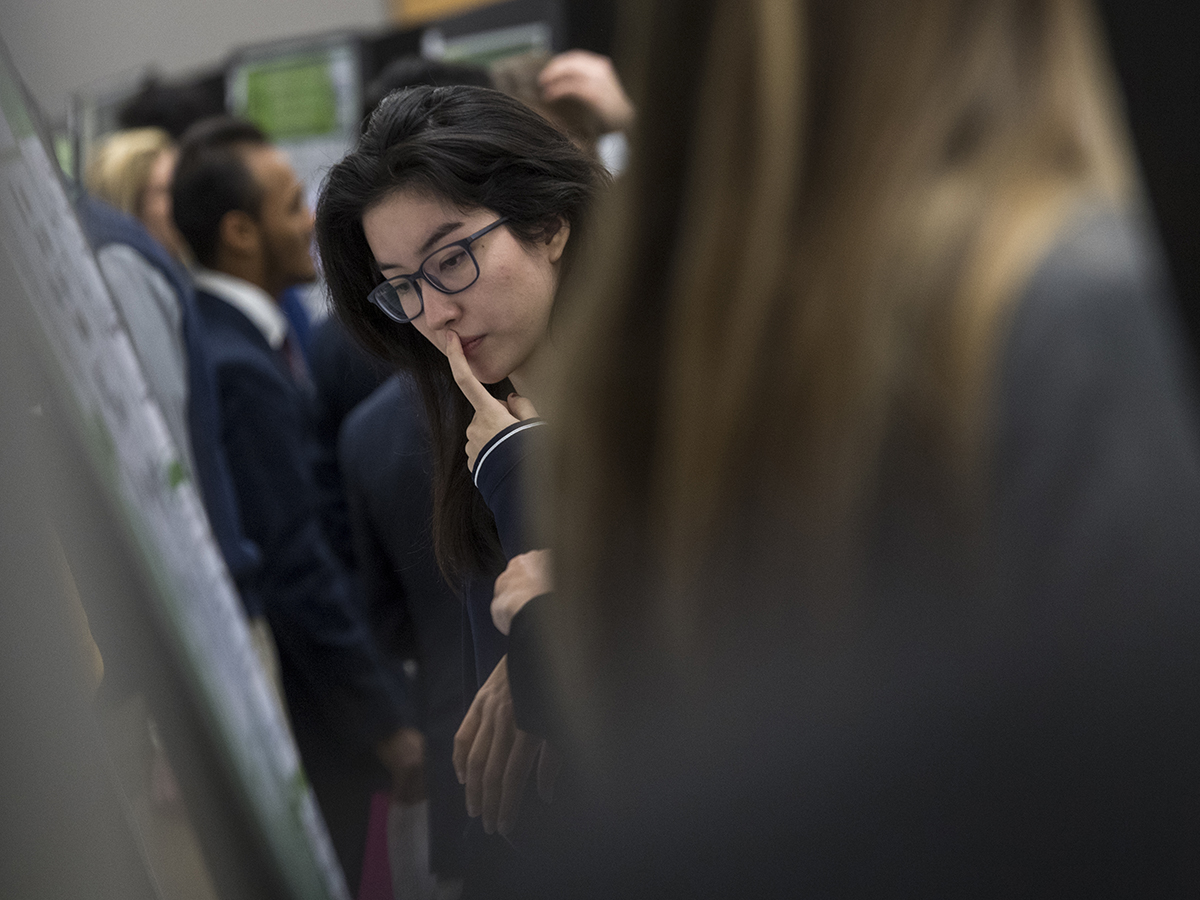
Nearly two dozen faculty members will share results from their research, scholarship and creative activities funded through the FDGP, which supports early-career faculty. The event takes place from 11 a.m.-2 p.m. in the Alys Stephens Center lower lobby.
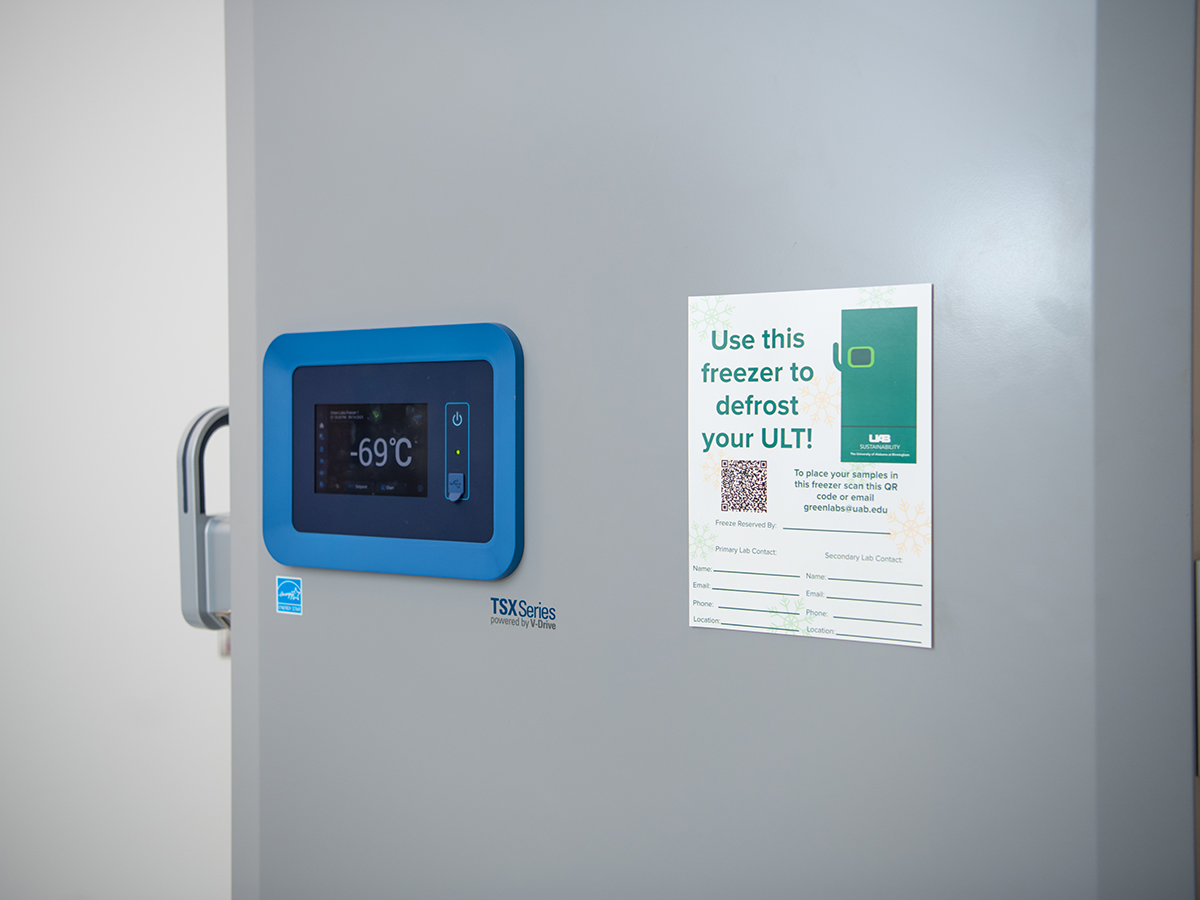
Analysis by UAB Sustainability found that 33 research labs participating in UAB’s Green Labs Program saved an estimated $150,000 in energy costs in 2024.
Ronald Lazar, Ph.D., director of UAB’s Evelyn F. McKnight Brain Institute, explains effective interventions, the importance of choice and why you should start where you are.
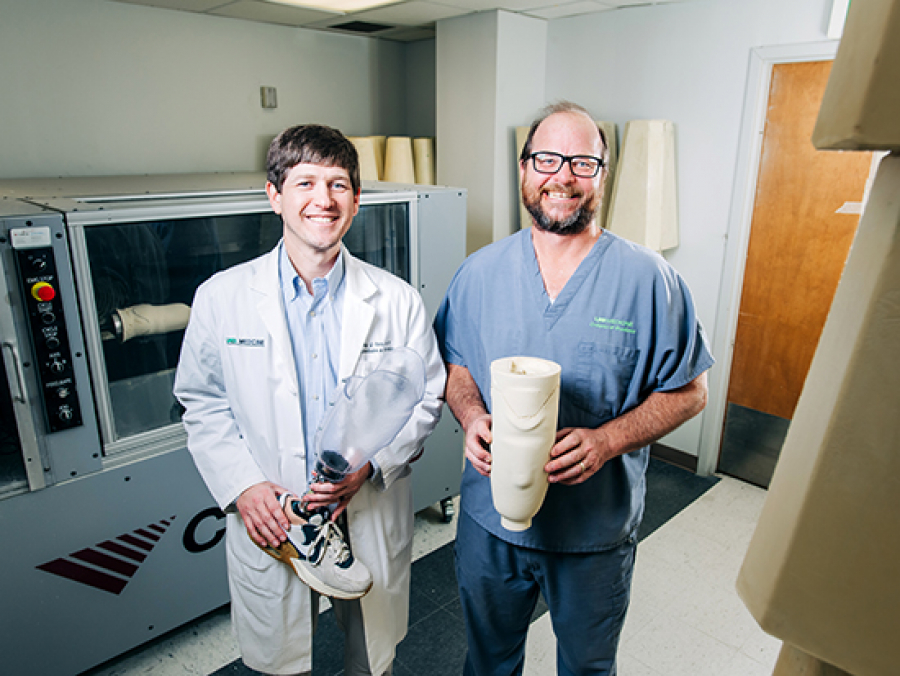
A grant through UAB’s HSF-GEF program is funding the purchase of an advanced 3D printer for the Orthotics and Prosthetics Lab in the Department of Physical Medicine and Rehabilitation, which will make UAB’s Amputee Clinic the first in Alabama, and one of the few nationwide, to offer 3D-printed sockets for prosthetics.

Free will still exists, and no brains are “typical”: Philosopher Josh May, Ph.D., shares some of the lessons he picked up by going back to school and joining a research lab to write “Neuroethics: Agency in the Age of Brain Science,” which was selected as one of the top academic titles of 2024.
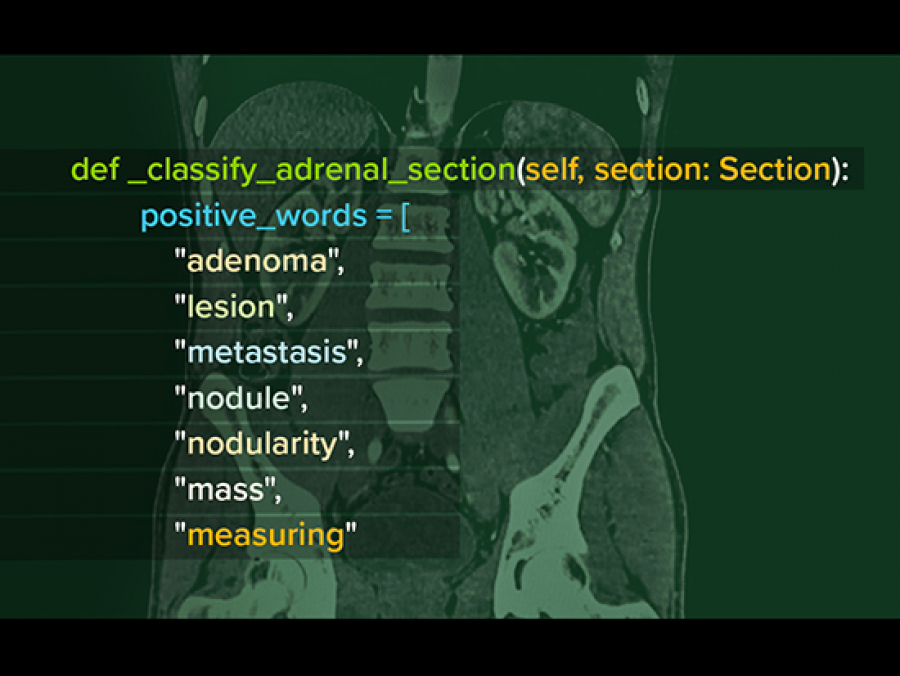
A study published in December 2024 demonstrates how natural language processing techniques, combined with dedicated human personnel, can flag unusual findings in radiology images and connect patients with follow-up care. The work, pioneered in nodules on the adrenal glands, has many applications, the researchers say.
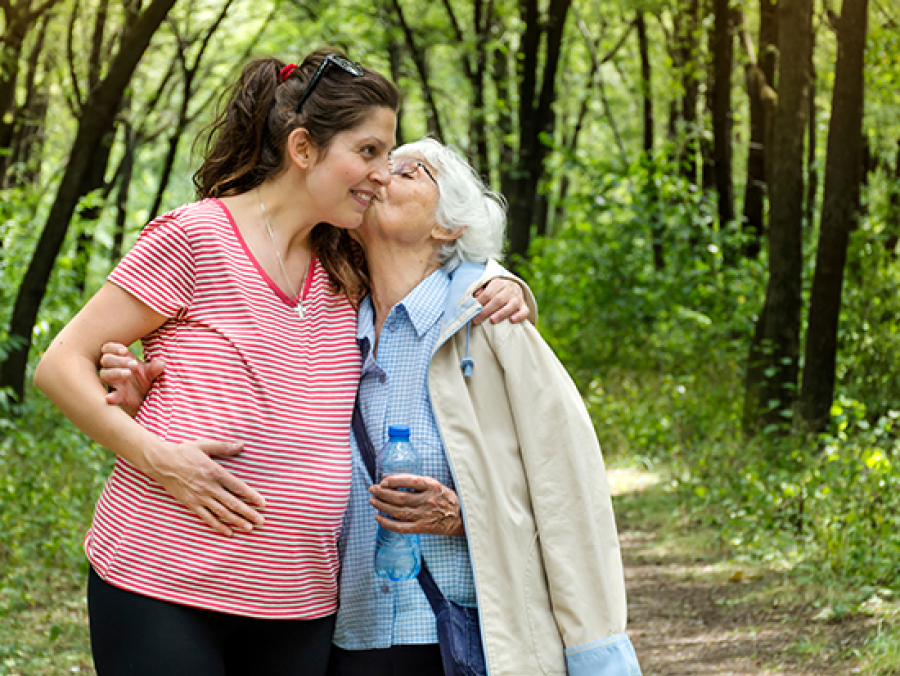
Many studies have linked childbearing to a lower risk of being diagnosed with Alzheimer’s disease and dementia later in life. But in a new study, UAB sociologists found that early-life factors, including a woman’s socioeconomic status in adolescence, accounted for the apparent pregnancy-cognitive connection.
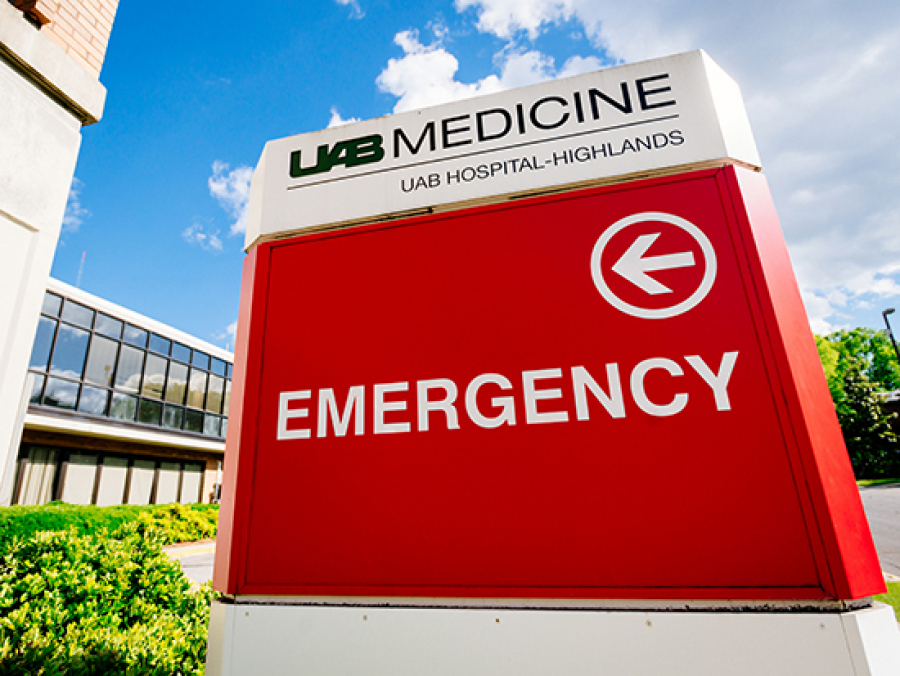
A grant from UAB’s Health Services Foundation General Endowment Fund will support a project testing an AI tool trained to predict fall risk and identify signs of delirium in order to improve patient care and safety for older adults in UAB’s Geriatric Emergency Department at UAB Hospital-Highlands.
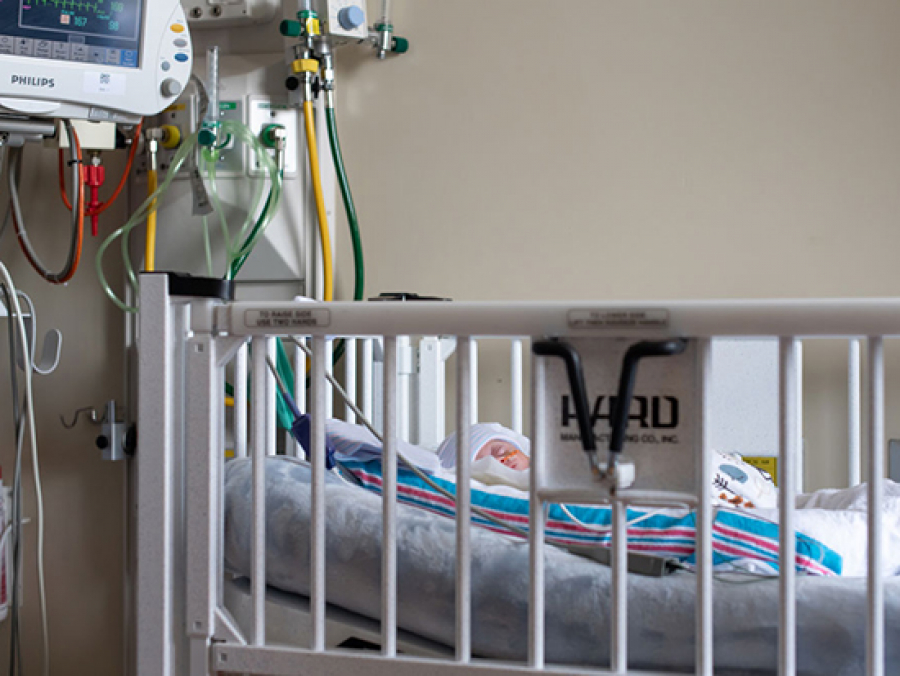
After studying thousands of hours of data from heart rate monitors, UAB clinician-researchers developed algorithms to predict when a baby’s heart rate will drop to unsafe levels in the NICU. With funding from UAB’s Harbert Institute, they will now conduct a clinical trial of a device they have created to intervene automatically.

A 3D printer for prosthetics, navigation for patients on dialysis and a new electron microscope are three of the 11 projects to receive funding. The HSF-GEF faculty grants program is a way for UAB to support innovative ideas from its researchers and clinicians.
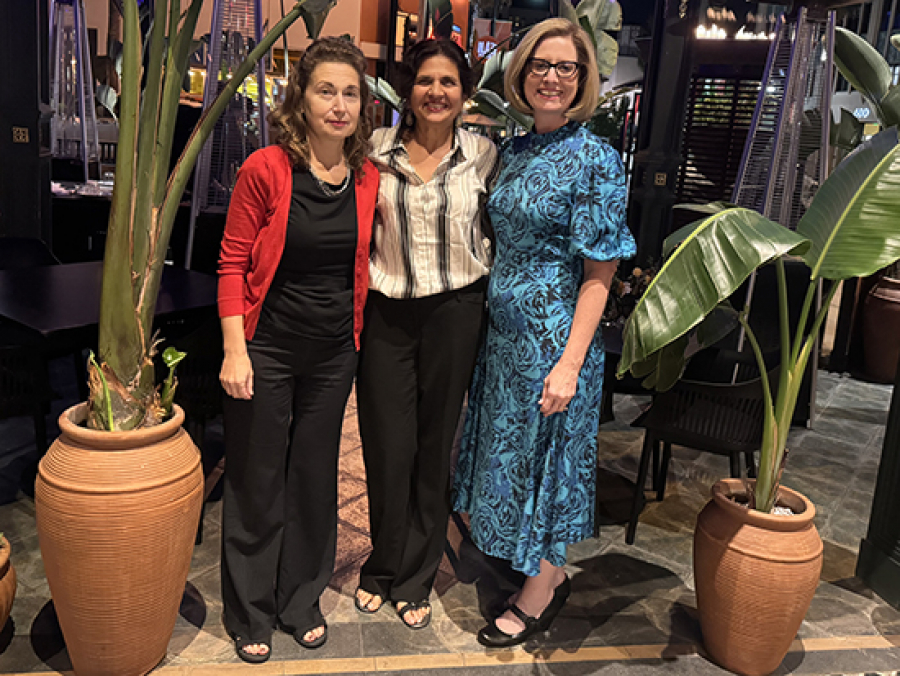
The Denosumab for Type 1 Diabetes phase 1/2 clinical trial, is a collaborative study with the Arthur Riggs Diabetes and Metabolism Research Institute and the Center for Diabetes and Metabolic Diseases at Indiana University.
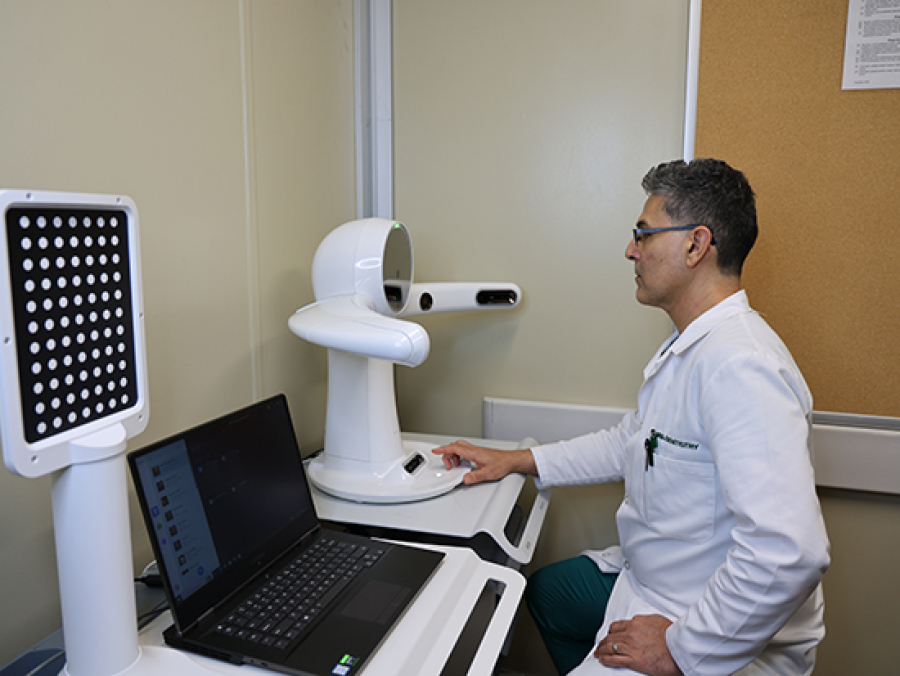
Some 120 million Americans are missing at least one tooth; UAB’s Ramtin Sadid, DDS, M.S., professor and division director for the Division of Prosthodontics, the specialty that focuses on tooth restoration, explains the latest technologies experts are using today.
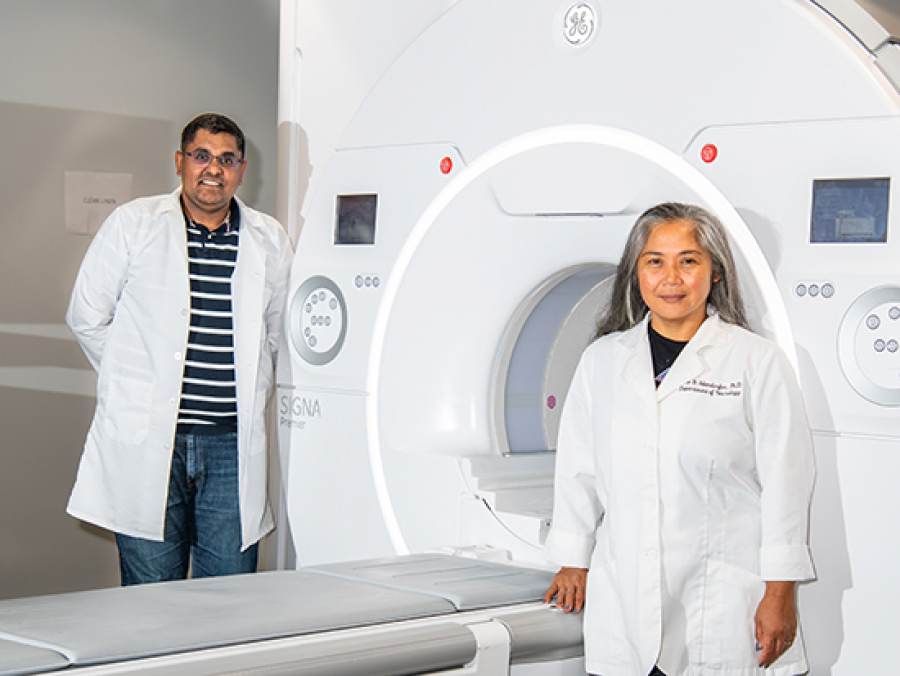
From a 3 Tesla PET/MR to a 0.55 Tesla Freemax, this core facility offers research tools that are crucial to UAB’s neuroscience studies and more, as well as expert advice on the best protocols to use for individual experiments.
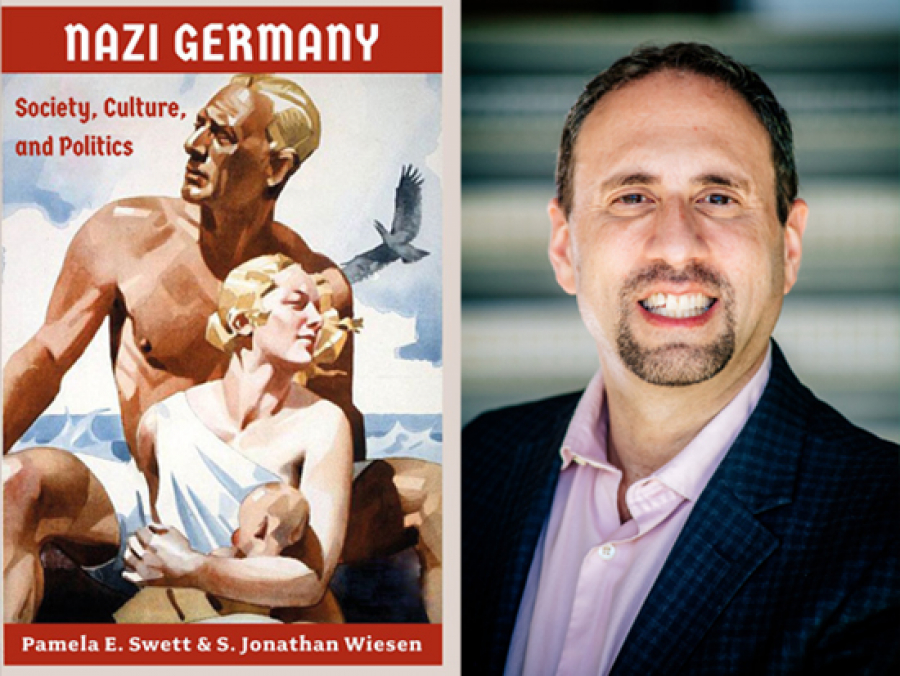
In “Nazi Germany: Society, Culture and Politics,” Jonathan Wiesen, Ph.D., professor in the Department of History, highlights the current understanding, which has been slow to appear in textbooks, of the “tension between coercion and consensus” in the Nazi period, he said.
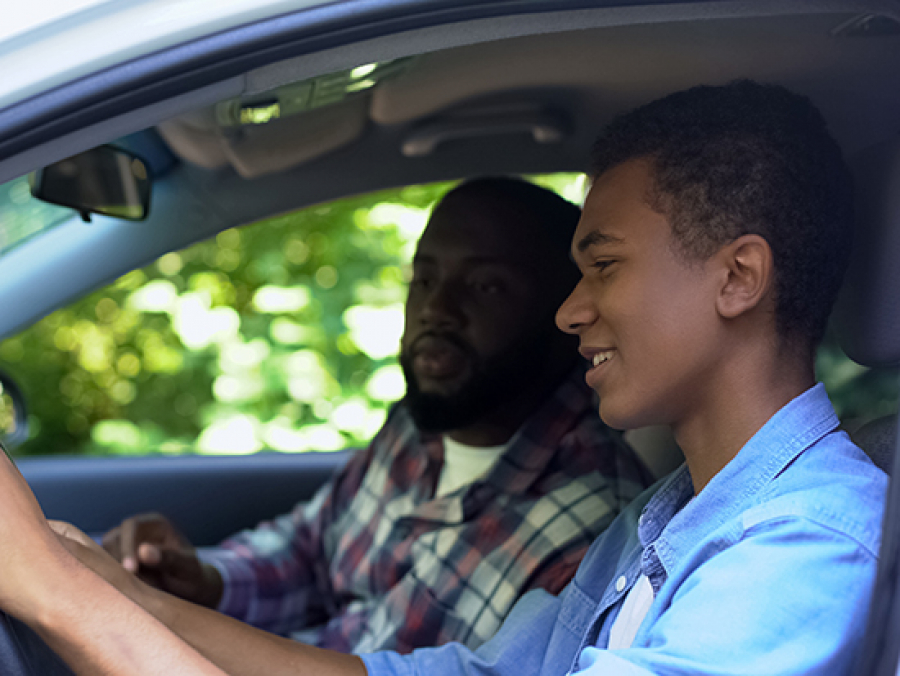
Emma Sartin, Ph.D., MPH, assistant professor in the Department of Health Policy and Organization at the School of Public Health, is leading a Department of Defense-funded project that is developing a virtual assessment to help autistic individuals and their parents decide whether they are ready to drive.