Division of infectious diseases

The Stimulating Access to Research in Residency program, funded by the National Institute of Allergy and Infectious Diseases, is designed to help address the shortage of physician-scientists nationwide.

Vern Bush, Kevin Davis and Brittany Martin are the first-quarter 2024 honorees of the UAB Values in Action Program. Nominations for second-quarter 2024 honorees are open through April 24.
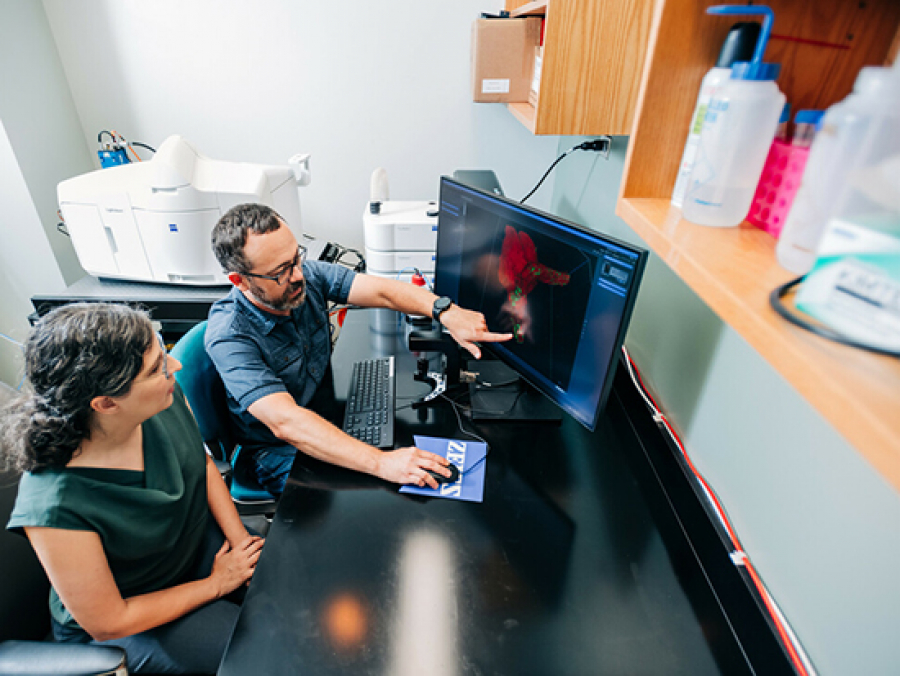
Over its 28 years, this signature program has awarded grants totaling almost $60 million. Meet recipients and see how the HSF-GEF grants make UAB “a place where, if you have a good idea, you can find the support to make it a reality.”
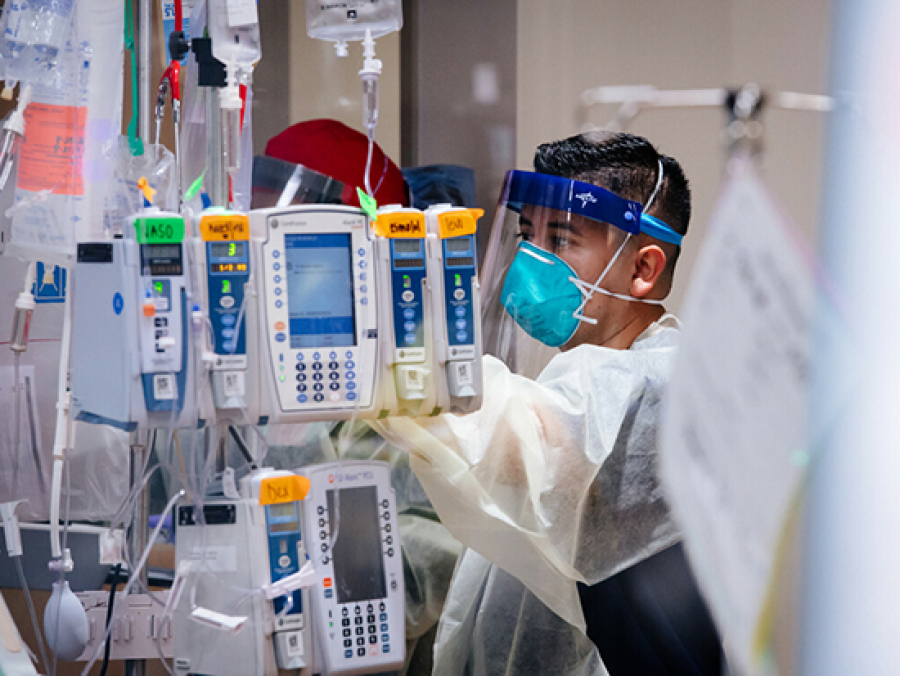
Michael Mugavero, M.D., professor in the Division of Infectious Diseases, received HSF-GEF funding to launch the UAB Learning Health System project, where the people setting the research questions are not individual investigators with their own niche interests, “but the people in the trenches.”
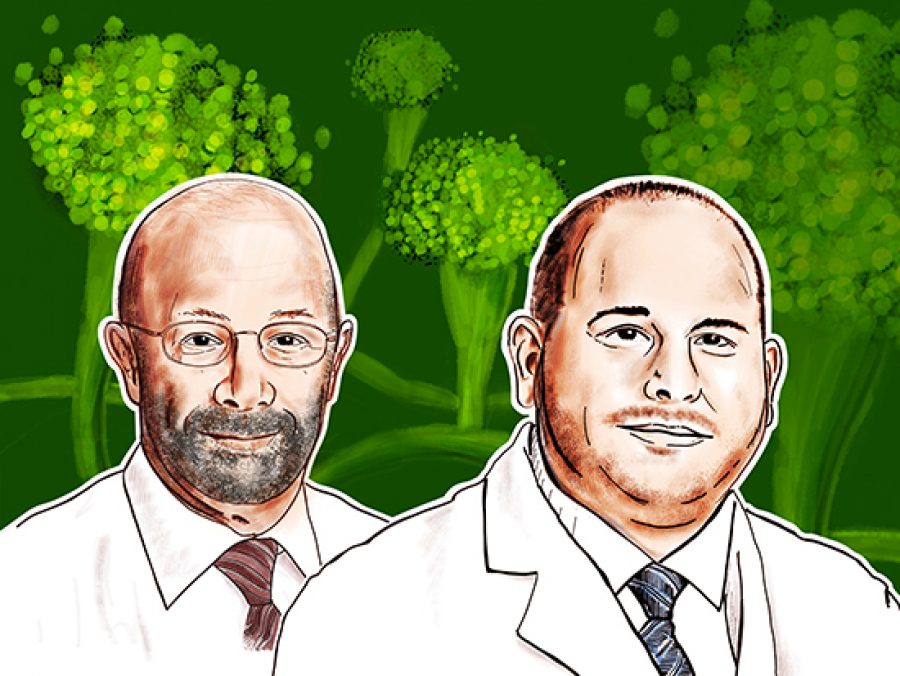
Alabama is a hotbed for fungal diseases — which is why experts in treating and tracking problematic fungi gravitate to UAB. This is great news for Alabamians as killer fungi become a worldwide threat.
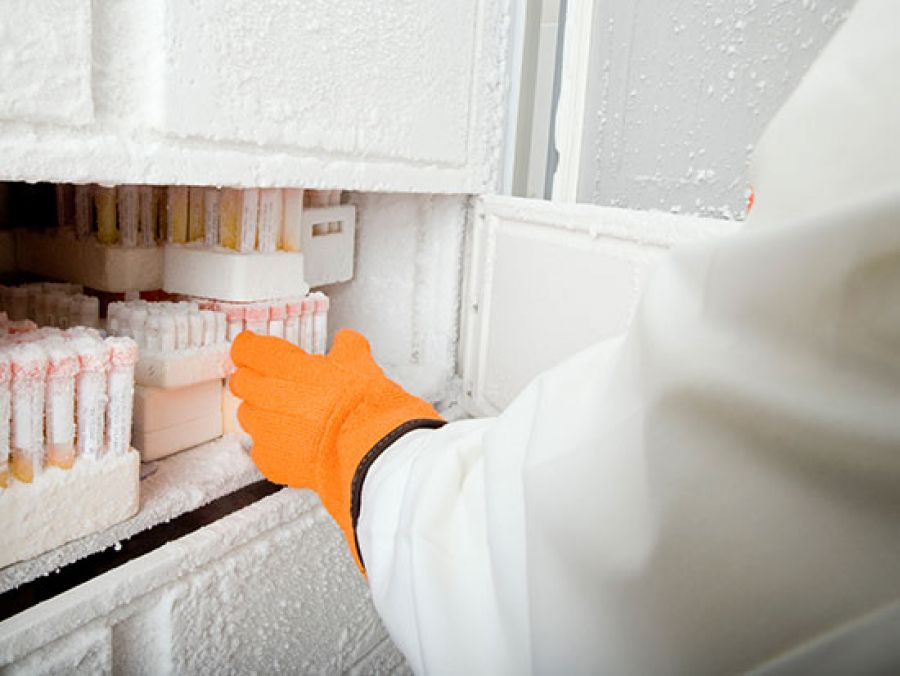
Scientists participating in the UAB Green Labs program explain why they take part, the biggest changes they made and how it has affected their labs.
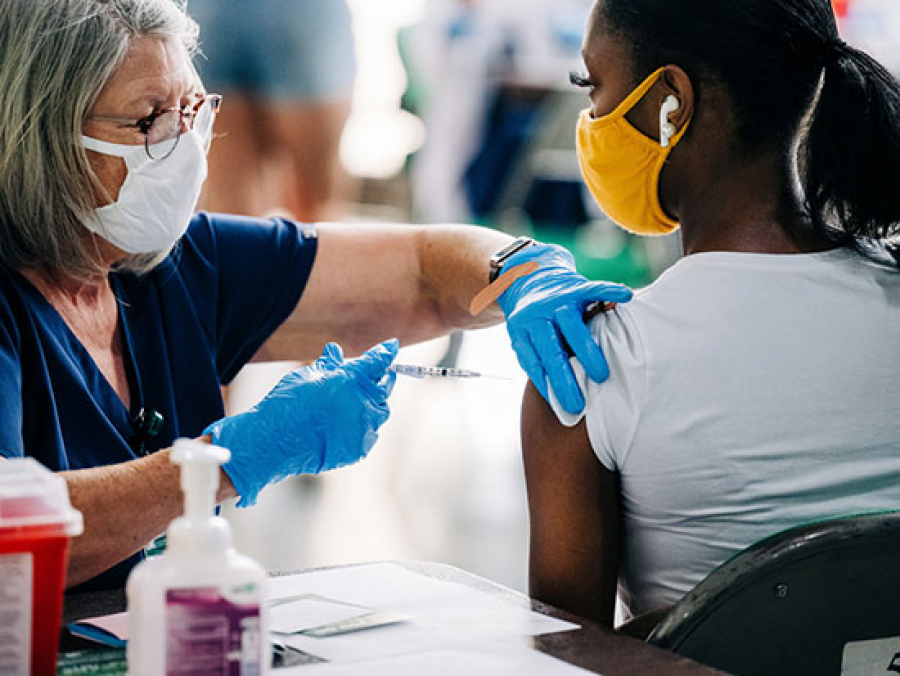
Many Americans say they want to “make sure the shot is safe” before getting vaccinated. That data is already in, says Paul Goepfert, M.D., and vaccine experts are confident that there won't be long-term side effects.

This year, the university recognizes 50 years of service by Jeanne Hutchison, Ph.D., and Ferdinand Urthaler, M.D., and 45 years of service by Robert Kim M.D., and Joseph Lovetto. In addition, 294 employees with 20 or more years and 904 with five, 10 and 15 years will honored for their longevity.