Patient care
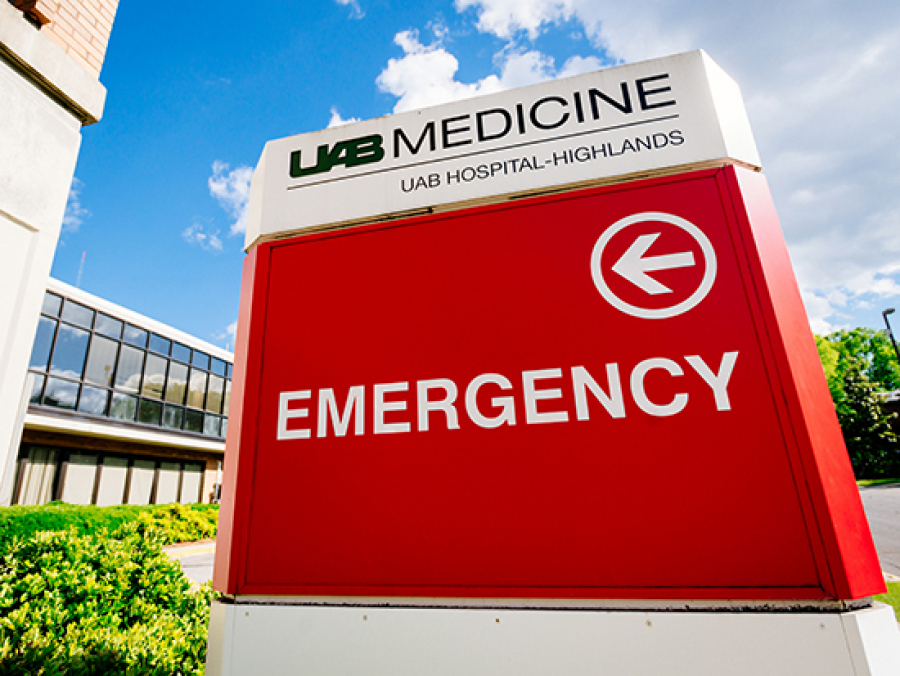
A grant from UAB’s Health Services Foundation General Endowment Fund will support a project testing an AI tool trained to predict fall risk and identify signs of delirium in order to improve patient care and safety for older adults in UAB’s Geriatric Emergency Department at UAB Hospital-Highlands.
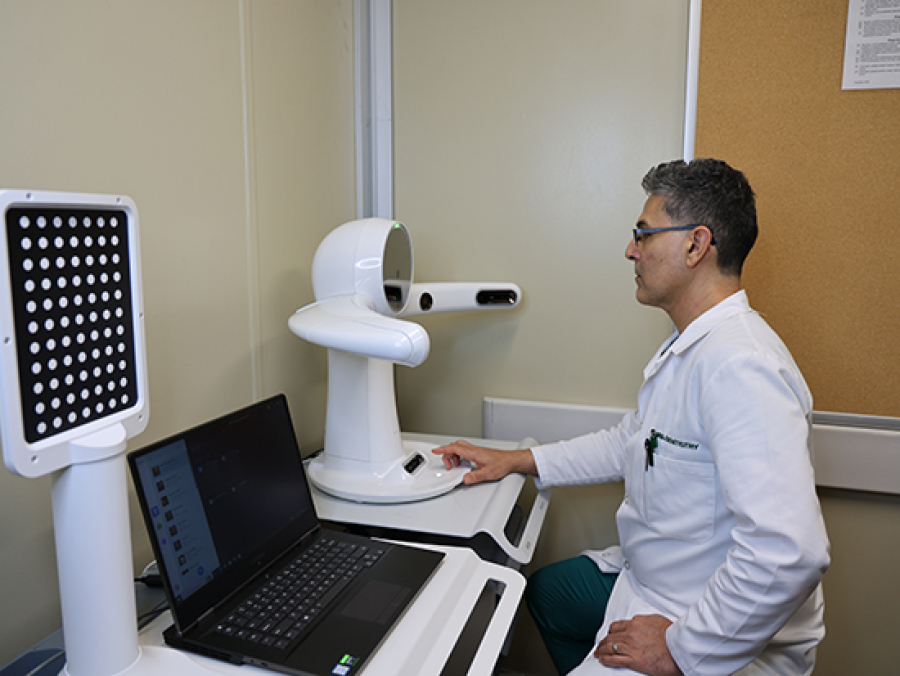
Some 120 million Americans are missing at least one tooth; UAB’s Ramtin Sadid, DDS, M.S., professor and division director for the Division of Prosthodontics, the specialty that focuses on tooth restoration, explains the latest technologies experts are using today.
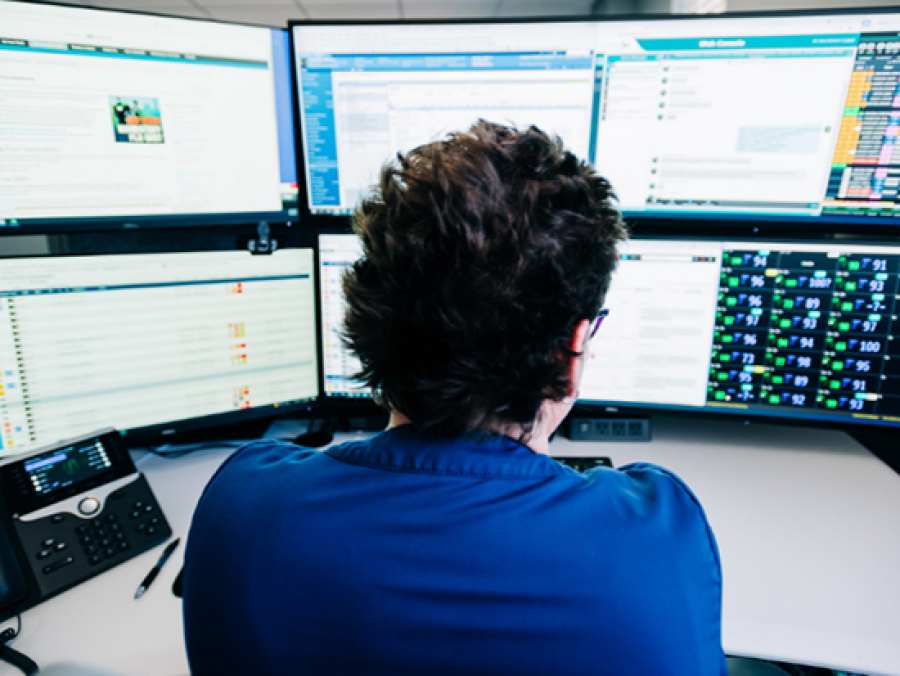
More than 1,000 patients have enrolled in a cutting-edge remote patient monitoring program that gives high-risk patients cellular-enabled blood pressure cuffs, glucose monitors and/or weight scales to take home.
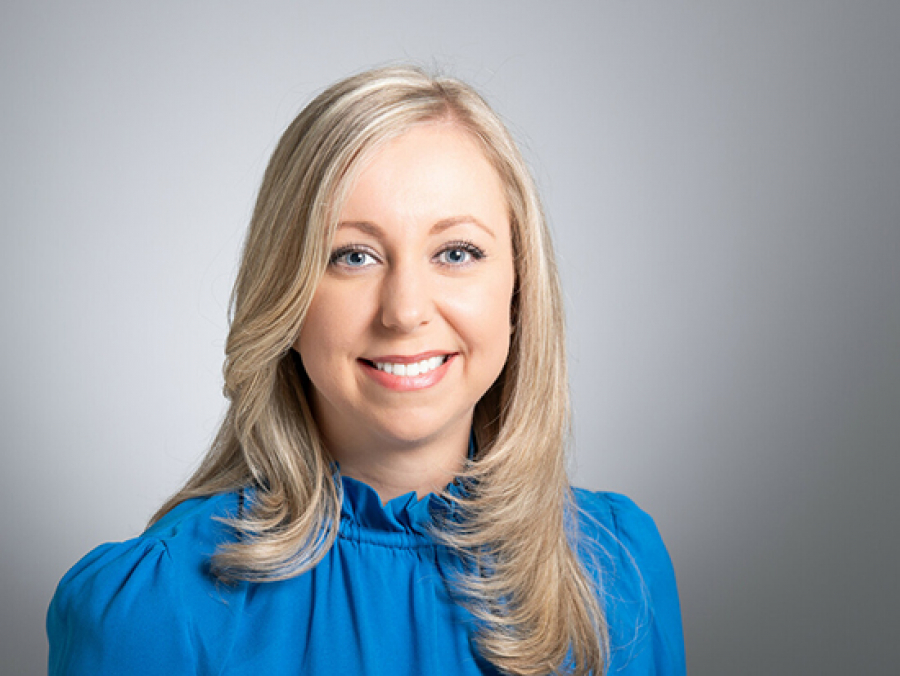
UAB’s newest spinoff is led by Aaron Fobian, Ph.D., a clinical psychologist whose research-backed treatment for FND has attracted attention from patients and providers around the world. Her company offers the first therapist-centered digital platform that is standardized and tailored to each individual patient’s needs at each individual session.

Patients at 29 hospitals and free-standing emergency rooms around the state are now being evaluated rapidly for suspected strokes and other conditions by expert UAB neurologists. The program has provided nearly 7,000 consults for patients — many of whom are routed to potentially lifesaving care or saved from expensive transfers away from their home communities.
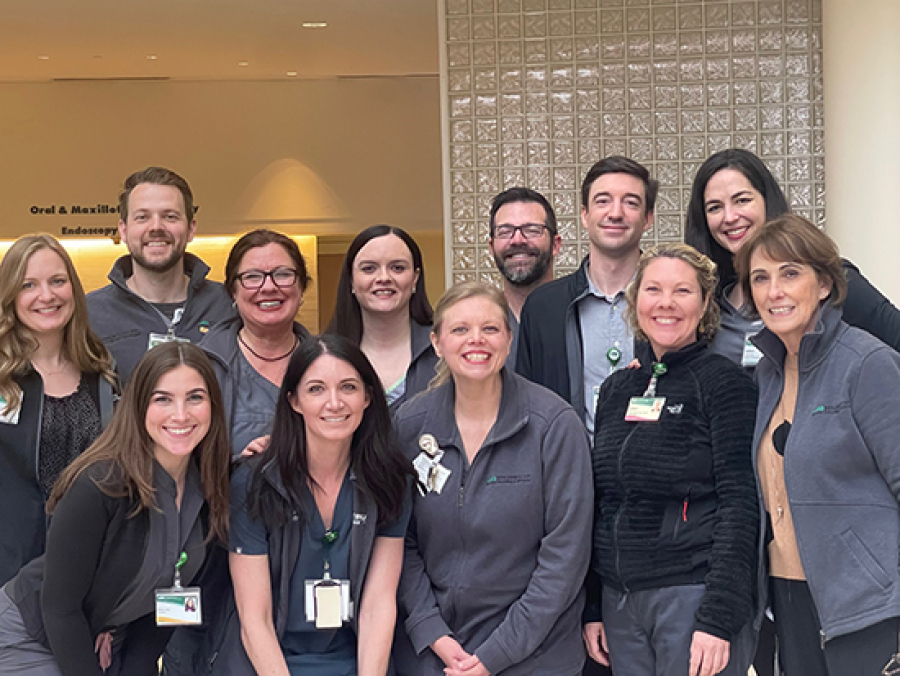
William Boswell, a speech pathologist-voice therapist in the UAB Voice Center, explains some of the innovative treatments available, why patient numbers are rising and what sets UAB apart.
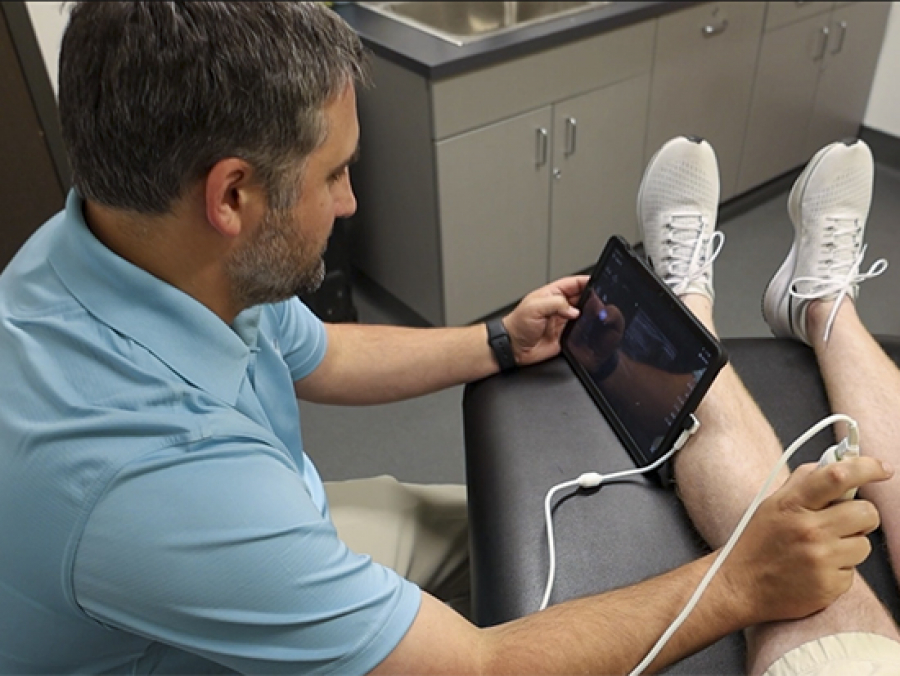
Using a handheld ultrasound device, a trained clinician can rapidly and accurately diagnose anything from kidney stones to heart function, saving time and money for patients in rural and urban underserved areas.
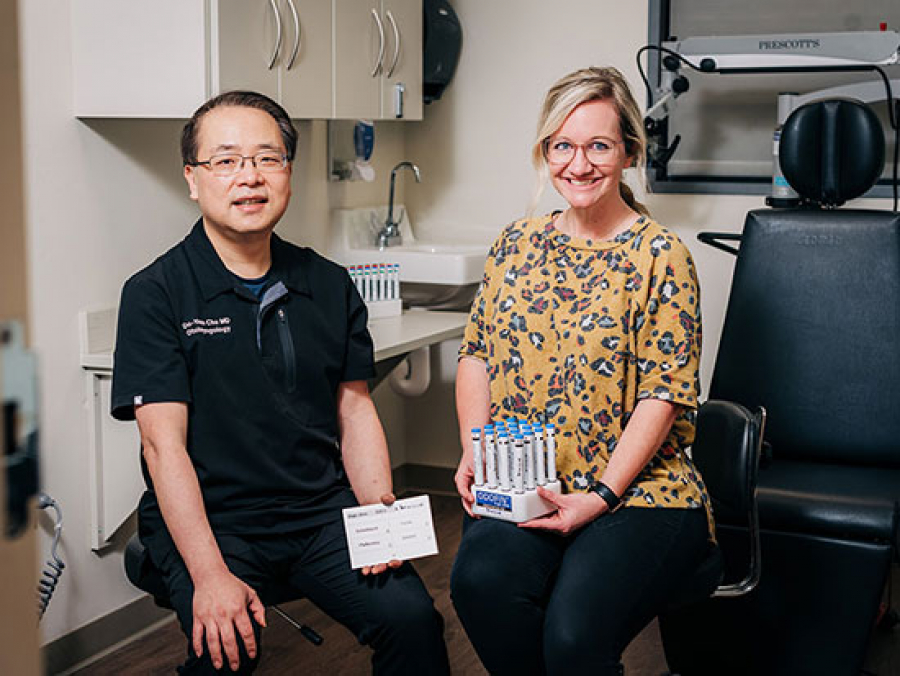
Key takeaways on retraining the nose after COVID, a drug that can take away persistent bad smells and more from Do-Yeon Cho, M.D., director of UAB’s Comprehensive Smell and Taste Clinic.
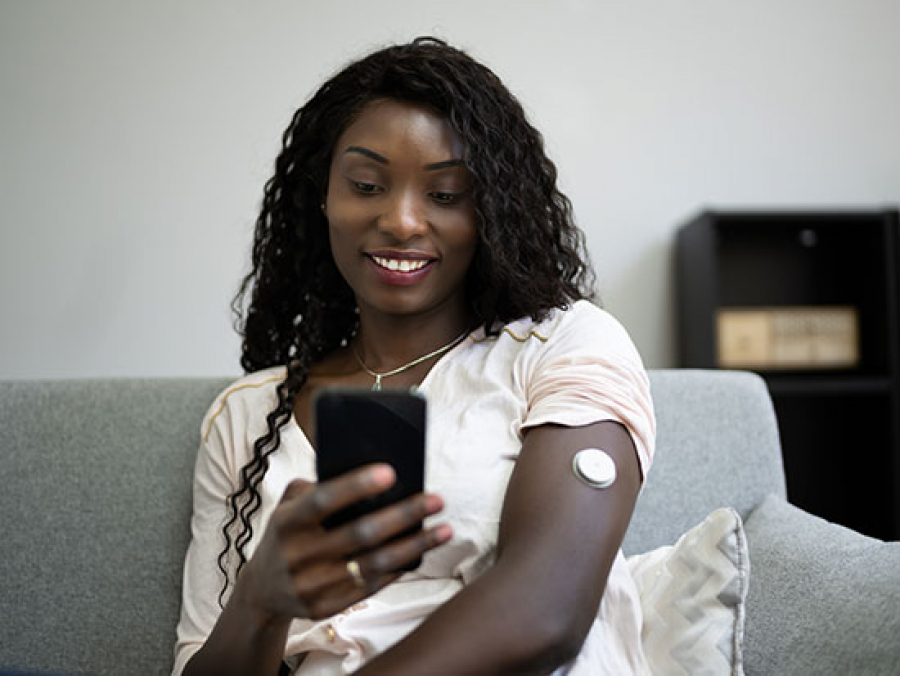
Continuous glucose monitors are “such a useful and impactful behavior modification tool” that half of his patients with Type 1 and Type 2 diabetes now use these devices, said Fernando Ovalle, M.D., director of UAB’s Multidisciplinary Comprehensive Diabetes Clinic. Learn how data leads to better decisions and better control of diabetes.
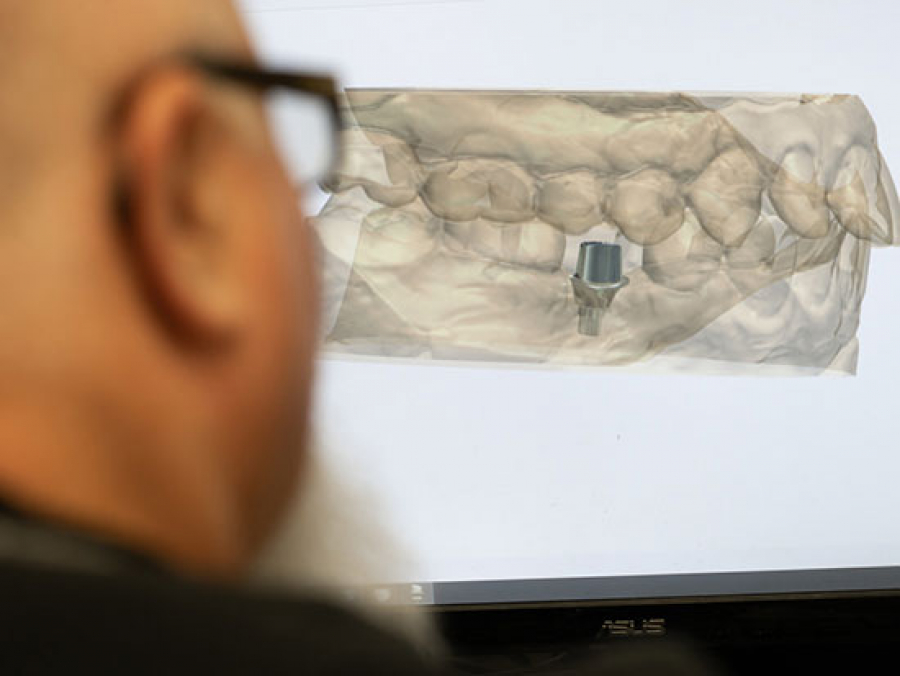
Modern dentists can fix early cavities with resin, use bioactive materials to defend fillings from bacteria and print new retainers on demand. Learn what these innovations mean for patients and why the UAB School of Dentistry is a go-to destination for testing the latest.

After the emergency has passed, where can a snakebite survivor go for answers on healing? UAB’s follow-up clinic, launched in 2021, is part of a comprehensive program evaluating new diagnostics, coordinated care and other innovations.
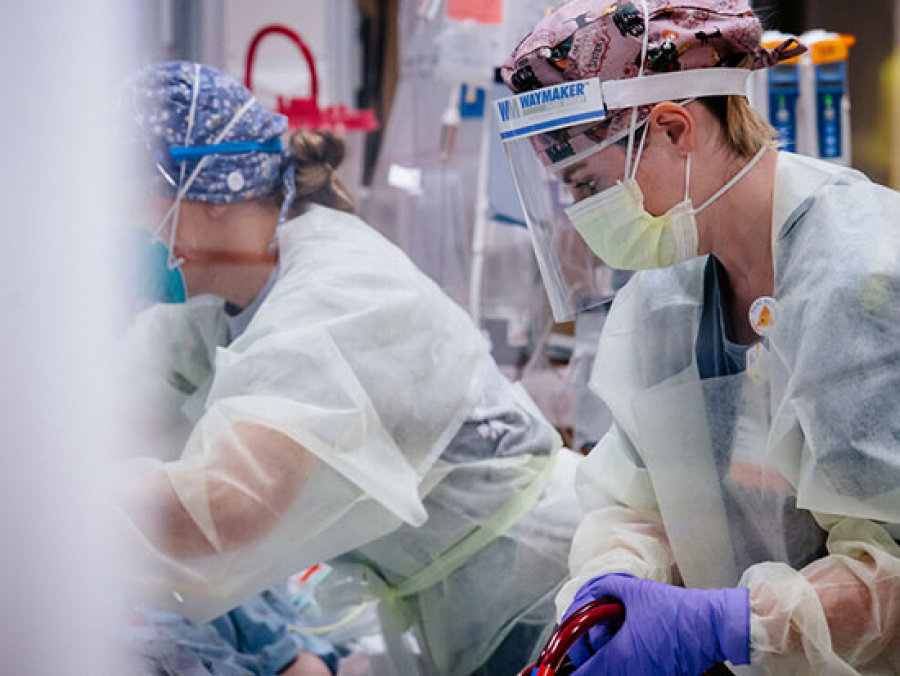
UAB Hospital’s Clinical Practice Transformation group has developed a unique method for helping teams come together to create change and boost employee satisfaction. Although it was designed for health care, it can work in any setting, they say.
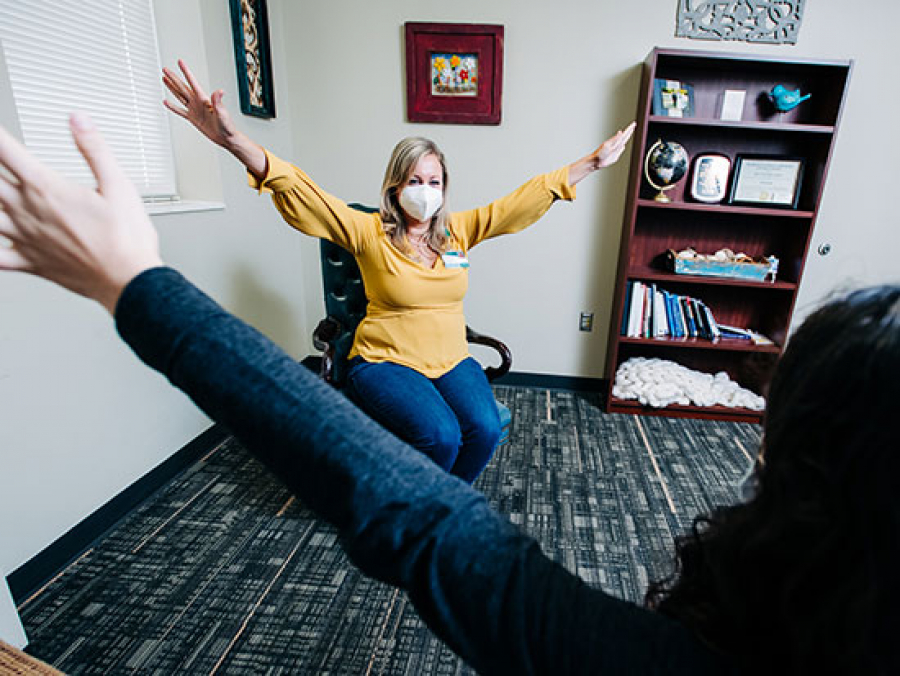
Clinical psychologist Aaron Fobian, Ph.D., has developed a therapy for this debilitating condition that she is now testing in a major NIH-sponsored clinical trial.
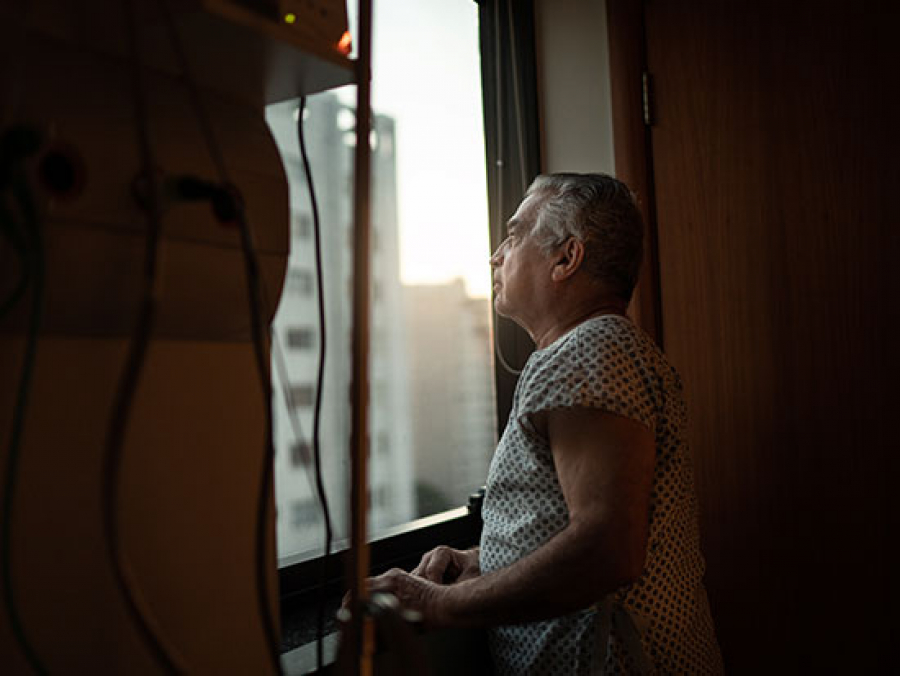
Constraint-Induced Therapy, developed at UAB and used worldwide to help patients regain function after stroke, will be tested as therapy for patients with cognitive difficulties following COVID-19 infection.
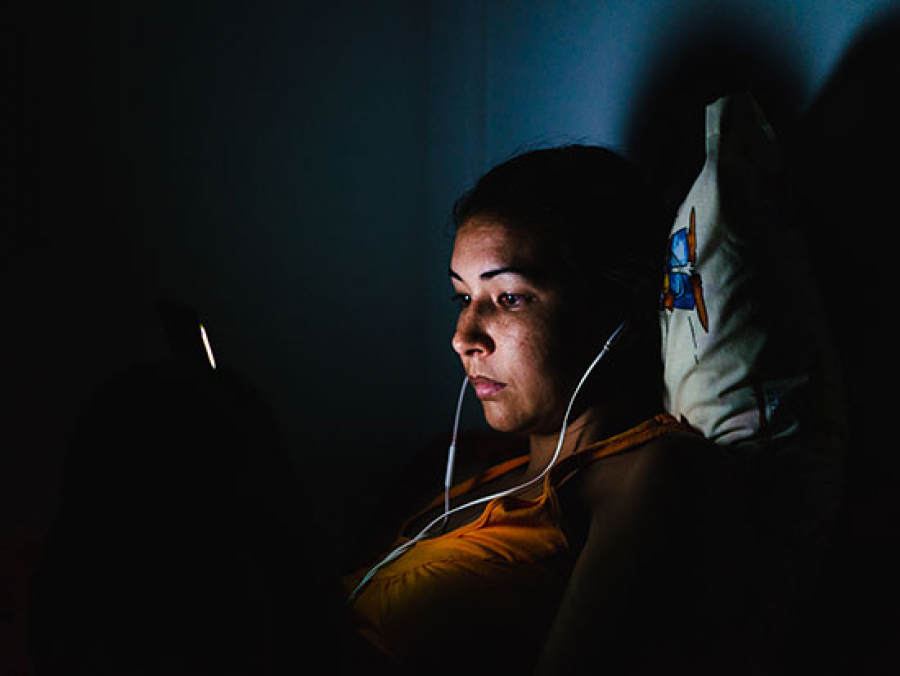
Behavioral sleep medicine specialist Justin Thomas, Ph.D., answers one of Google’s most-searched questions of 2020: “Why can’t I fall asleep?”
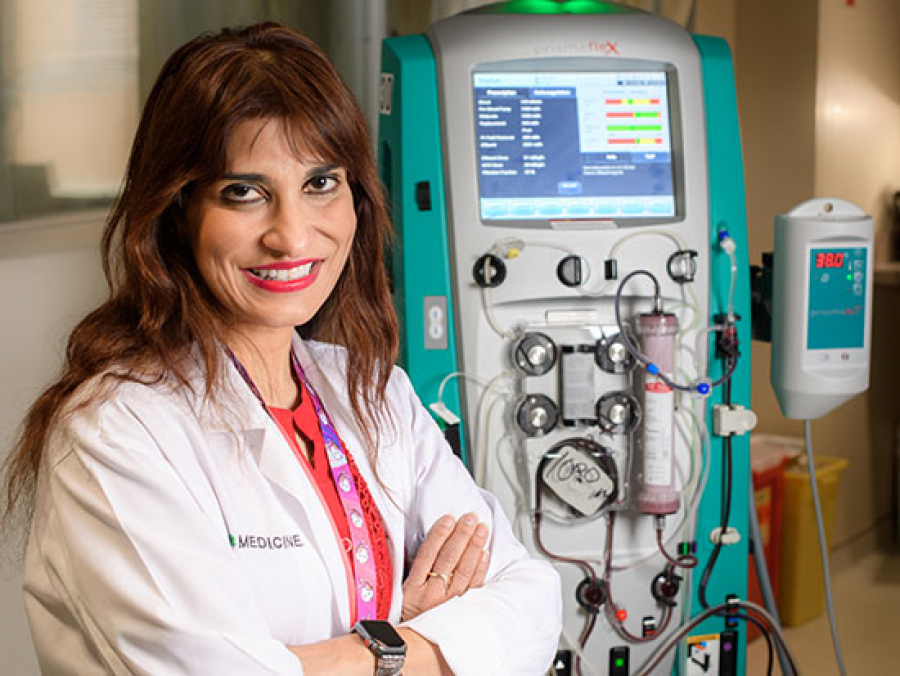
Nephrologist Ashita Tolwani, M.D., is internationally renowned for her expertise in continuous renal replacement therapy. UAB’s CRRT Queen explains this powerful, complex therapy and how UAB became a global leader in the field.

A new textbook by Randy Cron, M.D., Ph.D., the first of its kind, can help physicians diagnose and treat an often-puzzling condition with a host of causes.

Special contact lenses or eye drops can reduce a patient’s final prescription by half in the School of Optometry’s Myopia Control Clinic. That means thinner lenses and also a much lower risk of serious eye problems, including glaucoma and cataracts.