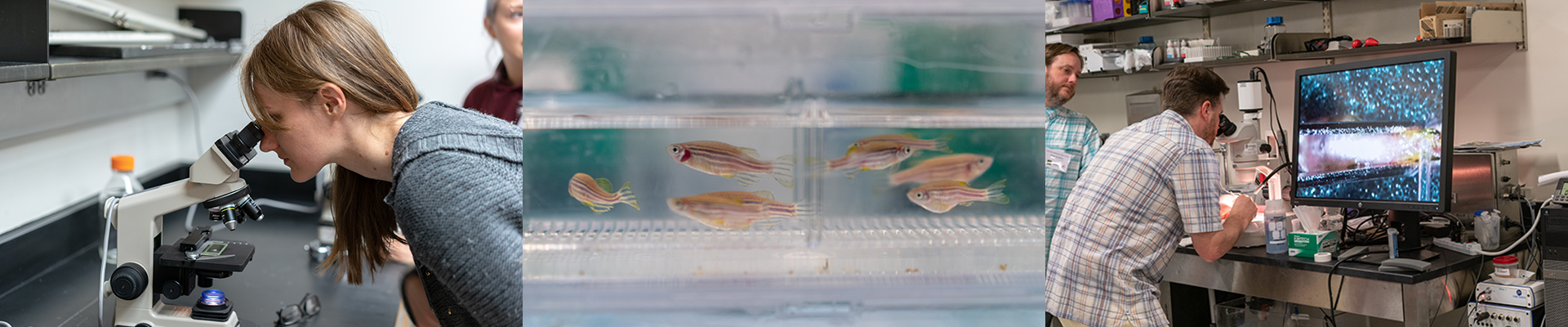
Course Details
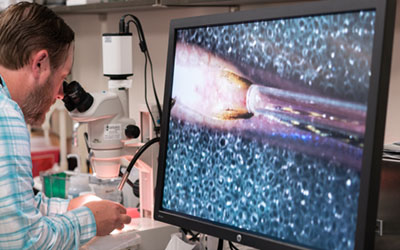
OVPRED 500 - Zebrafish Husbandry Education Online Course
Online Course
This is a 15-week course containing 29 online sessions. The course is available by computer or mobile device through an internet connection.
Zebra 900 - Zebrafish Husbandry Education Short Course
Short Course
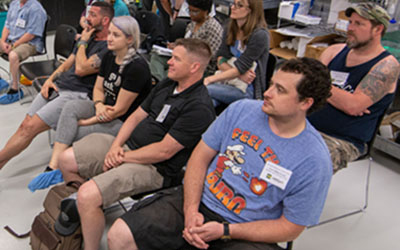
The short course is a hands-on learning experience, in which participants work directly with zebrafish and husbandry equipment. Participants are divided into small groups each day to allow each participant maximal interaction with instructors and time to develop each skill.
Latest News
-
 UAB receives grant to investigate how genetics shape blood pressure response to saltUAB researchers have received a five‑year NIH grant to investigate how genetic differences in natriuretic peptide biology shape salt sensitivity. The study pairs large‑scale genomic discovery with a genotype‑guided clinical trial to uncover mechanisms behind salt‑sensitive hypertension and support more personalized prevention and treatment.
 -

-