Welcome to the Adult CBIT Program!
We are the Children’s of Alabama (COA)/University of Alabama at Birmingham (UAB) Tourette Syndrome Center of Excellence (CofE), Adult Comprehensive Behavioral Intervention for Tics (CBIT) Program
Since 2019, the Tourette Syndrome CofE at COA/UAB began offering an Adult CBIT Program and together our center is able to provide services to individuals with Tourette syndrome and other tics disorders of all ages. The children (age 4 to 21) are seen at Children’s of Alabama while adults (21+) are seen at the UAB Department of Occupational Therapy located in the School of Health Professions. CBIT is administered in both settings by occupational therapists.
-
What is CBIT?
Comprehensive Behavior Intervention for Tics (CBIT) is a non-drug treatment consisting of three important components:
- training the client to be more aware of tics
- training the client to use “competing” behavior when they feel the urge to tic
- making changes to day-to-day activities in ways that can be helpful in reducing tics
-
More about the Adult CBIT Program:
CBIT is a protocol that usually takes 8 sessions over a 10-week time frame. Occupational Therapists and the client focus on all the tics that are bothersome to each client and work on developing a compensatory response to help suppress the tic(s). Some people do not need all the sessions and some people need all of them. We do not hold people accountable for all 8 sessions and base the number of sessions on each person and their needs.
Each session time is different and can run from 30 minutes to over an hour. The first session usually takes the longest because we conduct a great deal of interviewing, gaining better understanding of the client’s tics, what activities or daily occupations the client is having issues with due to tics, and determine if CBIT is something the client desires to participate in.
Our program is highly dependent on the commitment of the client adhering to the practice sessions outside of clinic time. An occupational therapy practitioner will work with each client to promote active participation in activities or daily occupations that are meaningful in the client’s daily life. Our occupational therapists will work to help the client develop a competing response for tics, thereby limiting the interruption of tics on their health, well-being, and participation in their daily occupations.
The occupational therapists in the Adult CBIT Program can see individuals on the campus of The University of Alabama at Birmingham and over a telehealth platform, whatever is better for the person. If an individual desire(s) to use the telehealth platform, the clinic uses Zoom that is HIPAA compliant.
-
How much does the Adult CBIT Program cost?
The initial evaluation is $100, and the other sessions will be $50. We can only take cash, or a check made out to UAB. We will not go over $450 for the entire protocol if we do use all sessions. A physician referral is required.
-
Make a Referral:
A referral must come directly from a medical provider. The referral must say “OT to evaluate and treat/CBIT Protocol”, along with the name and a way to contact the potential client (phone or email). The referral should be faxed to 205-996-0991.
If we receive a referral from a medical provider that we cannot take a referral from, we will let the potential client know.
-
Meet Our Team:
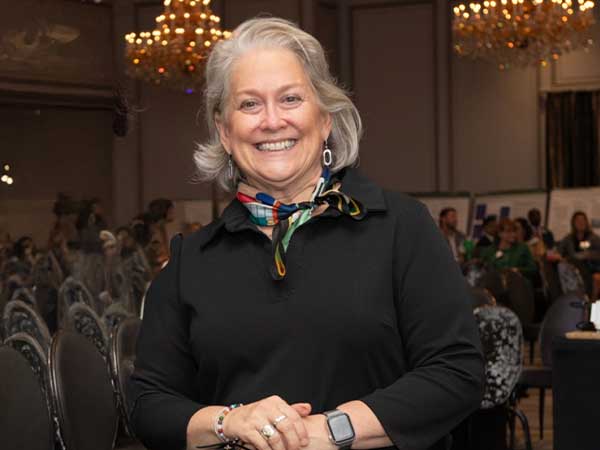
Deek Cunningham, PhD, OTR/L, FAOTA
Deek earned his Master of Science with a certificate in occupational therapy from the University of Alabama at Birmingham in 1998. He completed his PhD in Health Education and Health Promotion in the School of Public Health at UAB in 2024.
His occupational therapy career began in the nursing home field, yet he transitioned to the pediatric arena working in both inpatient settings, psychiatric units, and outpatient settings. Deek later accepted a position in Florida continuing his work with the pediatric population. In 2009, he moved back to South Alabama beginning a new career experience in the field of adult acute care burns, trauma, and home health, while continuing to work with the pediatric population. In 2011, Deek returned to Birmingham and joined the UAB Occupational Therapy Faculty as an Assistant Professor and later in 2014 moved into the Academic Fieldwork Coordinator role.
Deek has been offering CBIT services since he obtained his certification in 2012, by Dr. Douglas Woods, in Minneapolis, MN. He began working with Dr. Jan Rowe in the established CBIT clinic for pediatrics, and then moved into providing CBIT services for adults in 2019.
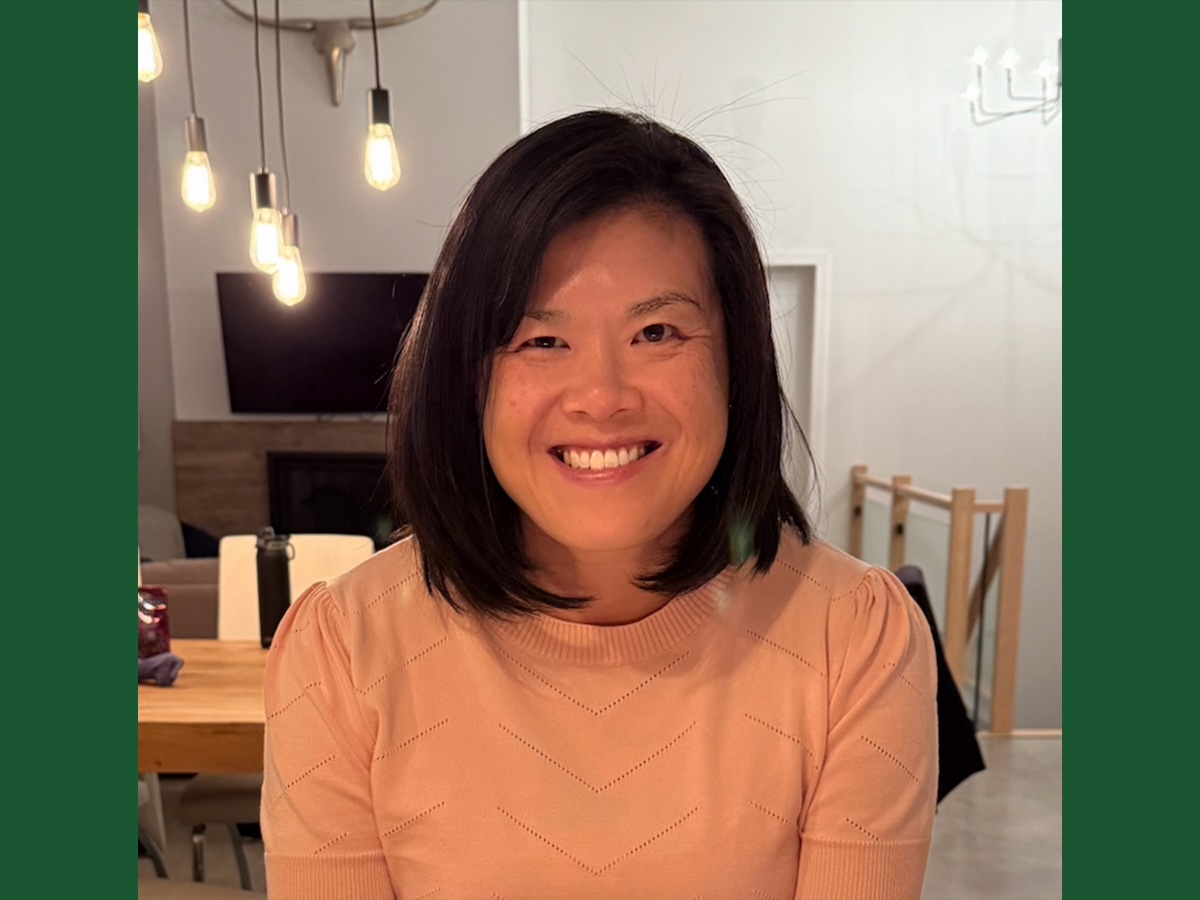
Karmen Mitchell, MS, OTR/L
Karmen earned her Bachelor of Science degree with a certificate in occupational therapy from the University of Alabama at Birmingham in 1998. In 2012, she completed her post-professional Master of Science in the Occupational Therapy program at UAB as well. Karmen spent the early part of her career practicing in acute care, home health and skilled nursing facilities. Since 2002, Karmen has been working full-time as a school-based therapist. She has also worked as a flexi-pool OT for Children’s of Alabama in inpatient rehabilitation since 2009.
In late 2009, Karmen attended a CBIT training by Dr. Douglas Woods at the University of Alabama at Birmingham. In early 2011, Karmen began in the CBIT clinic established and directed by Dr. Jan Rowe and has continued to work closely with Dr. Rowe since that time, as a research assistant and as a qualified CBIT provider. Karmen now provides CBIT services for adults.
-
Additional Resources:
Comprehensive Behavioral Intervention for Tics (CBIT): Questions & Answers
Tourette Syndrome & Tic Disorder Resources
General Websites
Podcast
Obsessive Compulsive Disorder (OCD) Resources
General Websites
Adults with Tourette Syndrome
- Freedom from Obsessive Compulsive Disorder: A Personalized Recovery Program for Living with Uncertainty
- Getting Control: Overcoming Your Obsessions and Compulsions
- Obsessive-Compulsive Disorders: A Complete Guide to Getting Well and Staying Well
- The OCD Workbook: Your Guide to Breaking Free from Obsessive-Compulsive Disorder
- The Habit Change Workbook: How to Break Bad Habits and Form Good Ones
Anxiety Resources
Adults with Tourette Syndrome
- Anxiety Workbook for Teens
- If Your Adolescent Has an Anxiety Disorder: An Essential Resource for Parents
- The Anxiety and Phobia Workbook
Attention Deficit Hyperactivity Disorder (ADHD)
General Websites
- CHADD
- Attention Deficit Disorder Association
- Mastering Your Adult ADHD: A Cognitive-Behavioral Treatment Program
- Disorganized Mind
- ADD-Friendly Ways to Organize Your Life
Work Accommodations
- Job Accommodation Network for Tourette Syndrome
- Job Accommodation Network for OCD
- Job Accommodation Network for ADHD
- Webinar: Workplace Accommodations and Disability Rights from Application to Career
Suicide & Self-Harming Help
Crisis & Emergency Lines
Suicide Prevention Resources
- Parent’s Guide
- College Student Resources
- College Student Suicide Prevention
- College Student Finding Social Support at School
- Substance Abuse and Mental Health Services Administration
- Action Alliance for Suicide Prevention
- Helping Children Understand Suicide
Free Webinar/Training Resources
Specialty Clinics
In 2022, the School of Health Professions (SHP) implemented a Strategic Growth Plan. A key element of this plan added a Clinical Engagement pillar. The mission within this pillar was to forge new business partnerships to deliver preventive and therapeutic services, develop a road map for new products and services, and actively participate in initiatives to expand educational and clinical offerings in underserved communities. Today, the SHP Specialty Clinics are bringing care from our faculty and students directly to those in need in several specialties.
Adult Comprehensive Behavioral Intervention for Tics (CBIT) Program
The Children’s of Alabama (COA)/University of Alabama at Birmingham (UAB) Tourette Syndrome Center of Excellence (CofE), Adult Comprehensive Behavioral Intervention for Tics (CBIT) Program is a 10-week, 8-session, telehealth program that works with adults (21+) on tics that are bothersome to them.
In the initial session, our experts conduct intensive interviews in order to gain a better understanding of the client’s tics and what activities or daily occupations the client is having issues with due to their tics. Follow up sessions generally run from 30 minutes to over an hour. Some people do not need all the sessions and some people do need all of them - the number of sessions is based on each individual and their specific needs.
Metabolic Health Clinic
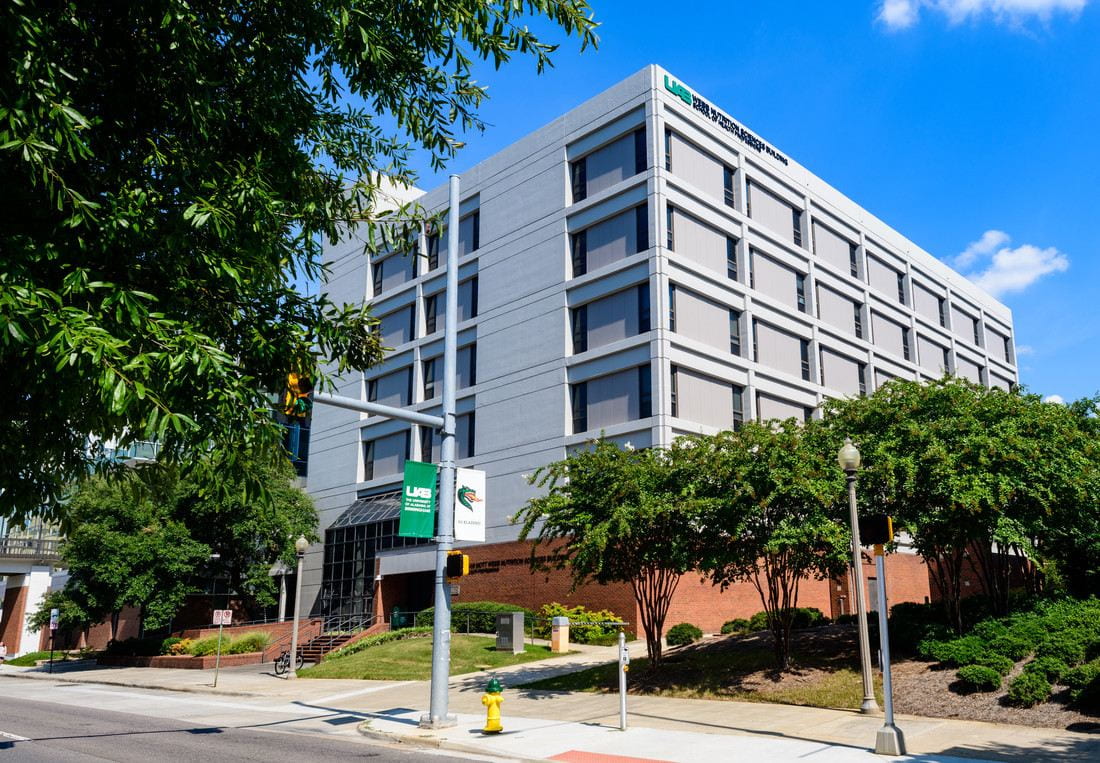 The Metabolic Health Clinic provides nutrition therapy to optimize metabolic health based on the individual metabolic phenotype that is determined by analyzing insulin, glucose and lipid levels. Our team is committed to helping all individuals living with chronic metabolic disease achieve sustained, good health.
Their work begins with addressing the root cause, which is not your body weight, but other factors, including the way your genes and physiology interact with nutrition. Type 2 diabetes is a risk factor for, and is related to, other metabolic diseases. Thus, our team prescribe diets that address not only T2D but all metabolic diseases, including obesity and non-alcoholic fatty liver disease.
Neuroplasticity Rehabilitation Program
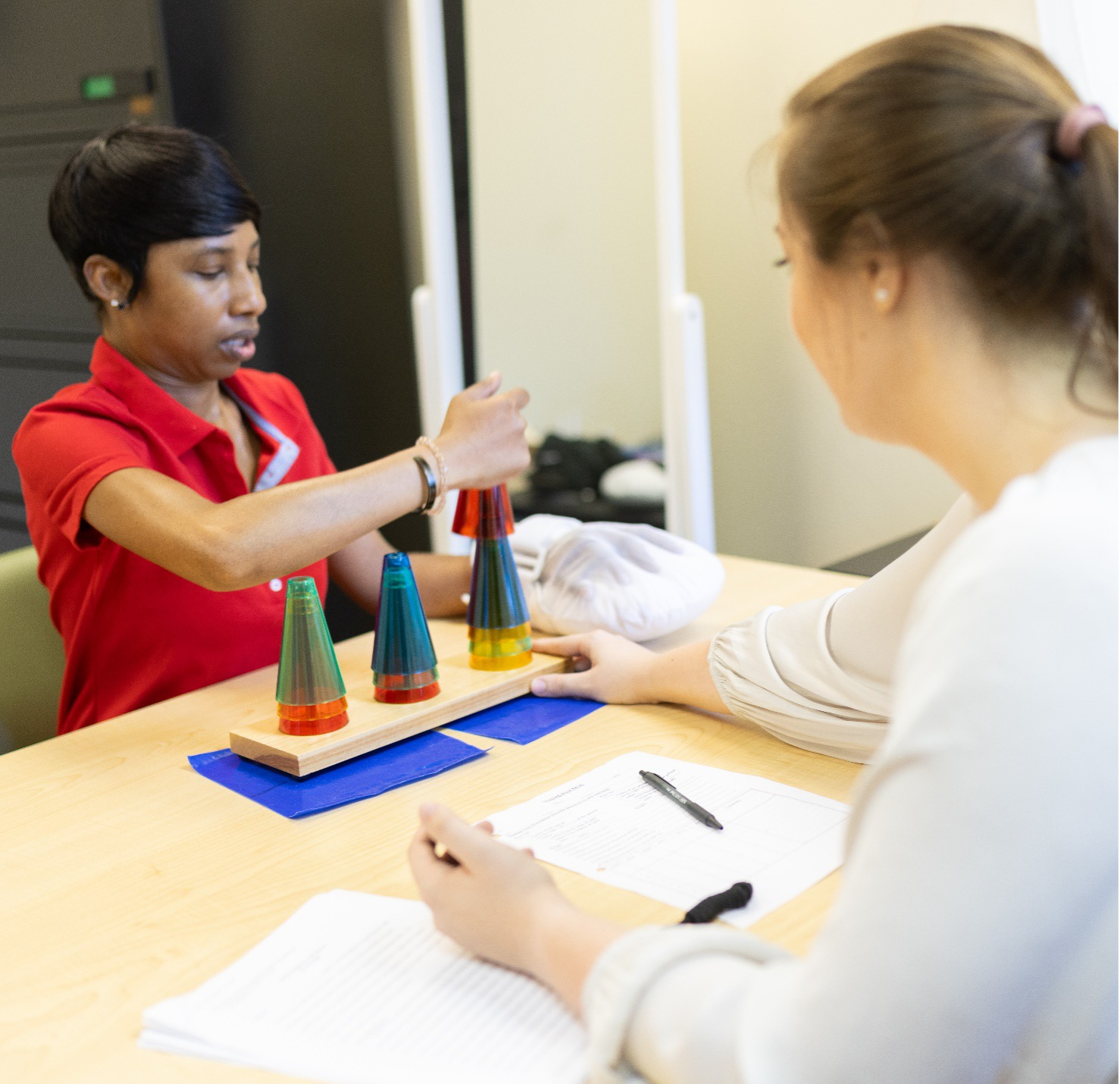 The Neuroplasticity Rehabilitation Program is a faculty-led practice for outpatient neurorehabilitation for individuals with stroke, traumatic brain injury, and multiple sclerosis. Our team consists of UAB faculty who deliver rehabilitation that is driven by evidence-based results and that has been shown to produce beneficial changes in the brain. Our faculty have more than two decades of professional experience in Constraint-Induced Movement Therapy (CIMT) research and clinical practice.
Constraint-Induced Movement Therapy - or CI Therapy - was developed here by the UAB CI Therapy Research Group under the direction of Edward Taub, PhD, and featured in best-selling books “The Brain That Changes Itself” and “The Brain’s Way of Healing” by Norman Doidge, Ph.D.
Adult Sensory Processing Intervention
Many adults experience sensory processing differences. Often, these are difficulties that were unrecognized or undiagnosed in their childhood. Rather than disappearing, these challenges may be hidden beneath years of masking or pushing through, leaving unmet needs that continue to impact daily life. We’re here to support more affirming, sustainable strategies. Sensory processing difficulties can make every day experiences overwhelming, difficult, and painful. We are here to help adults better understand their sensory processing and improve their quality of life.
Student Clinical Experience
Students across all levels – undergraduate through doctoral – and from all five departments work in non-profit clinics like the Firehouse Shelter Clinic (SHP-created clinic providing free access to compassionate care for Birmingham’s unhoused community) and Equal Access Birmingham (a student-run free clinic for the underserved). The SHP specialty clinics work closely with students from our Clinical Doctorate in Occupational Therapy and Doctor of Physical Therapy programs.
Adult Sensory Processing Intervention
Many adults experience sensory processing differences. Often, these are difficulties that were unrecognized or undiagnosed in their childhood. Rather than disappearing, these challenges may be hidden beneath years of masking or pushing through, leaving unmet needs that continue to impact daily life. We’re here to support more affirming, sustainable strategies.
Sensory processing difficulties can make every day experiences overwhelming, difficult, and painful. We are here to help adults better understand their sensory processing and improve their quality of life.
What We Do
Once you have been referred from an approved provider within Alabama, we will schedule your evaluation. This is completed using an online standardized measure, along with observations and an interview by a trained occupational therapist. Sessions will occur virtually through a HIPAA compliant zoom platform.
After we identify the specific subtype and pattern of your sensory processing needs, we provide you with recommendations to improve your sensory processing and better accommodate your sensory needs in daily life.
How It Works
We require at least two (2) one-hour sessions. These can be completed online using HIPAA compliant Zoom.
Session One
This is a detailed evaluation and assessment considering your sensory processing needs and how your sensory processing impacts your daily occupations such as work, leisure, social engagement, activities of daily living, parenting, and sleep.
Session Two
This session will be completed following the evaluation where findings will be explained and therapeutic activities provided to support sensory regulation.
Session Three
This is a one-month follow up session where we evaluate your progress, review your therapeutic activities, make any necessary adjustments or additions, and provide further guidance.
Session Four
We understand that sensory struggles will always be a challenge. We are open to meet with you again if your sensory processing difficulties continue or evolve in the future.
The Cost
The initial evaluation is a flat fee of $225. Additional sessions will be $100 per hour-long visit.
Contact Us
If you have questions about our program or would like to set up your first session, please

Your Future Begins Here
At UAB’s School of Health Professions, you earn more than a degree.
You learn skills and gain experiences that you need to succeed in your career. You participate in the research and innovation that will shape the future of healthcare.
You make connections with peers, faculty, alumni, and others that sometimes can feel a lot like family. You learn to lead, to collaborate, and to look beyond what is already known.
You become part of the legacy we are building here at the School of Health Professions.
Our Accomplishments
Our MSHA program is ranked #1 in the nation and is the highest ranked program at UAB.
Every program that can be ranked by U.S. News & World Report is ranked.
Several of our programs are the only ones of their kind in Alabama.
Every program that can be accredited by a respective agency is accredited.