Uncategorised
UAB OT alumni are working in many different roles and settings. Read updates from your classmates below, and stay in touch by sharing your news and milestones using the Alumni Class Notes form.
Featured Alumni Story
-

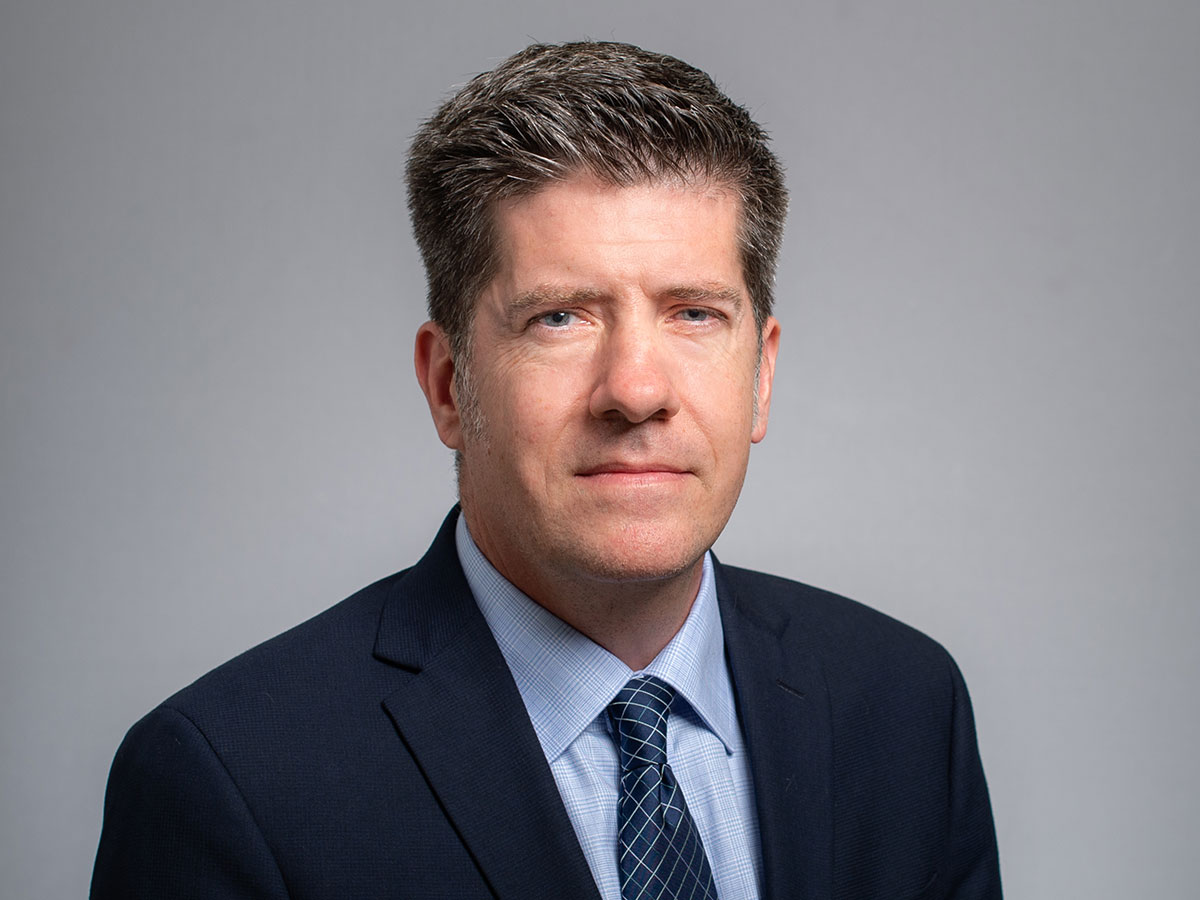
Alumni Q&A: Tim Holley (MSOT '04)
Timothy Holley, DHSc, MSOT, OTR/L, BMS, CEAS, is the founding chair of the Doctor of Occupational Therapy Program at The Chicago School. He earned his MSOT from the University of Alabama at Birmingham in 2004 and has held leadership roles in occupational therapy education, rehabilitation management, and clinical consulting.
Read more
Fall 2025 Updates
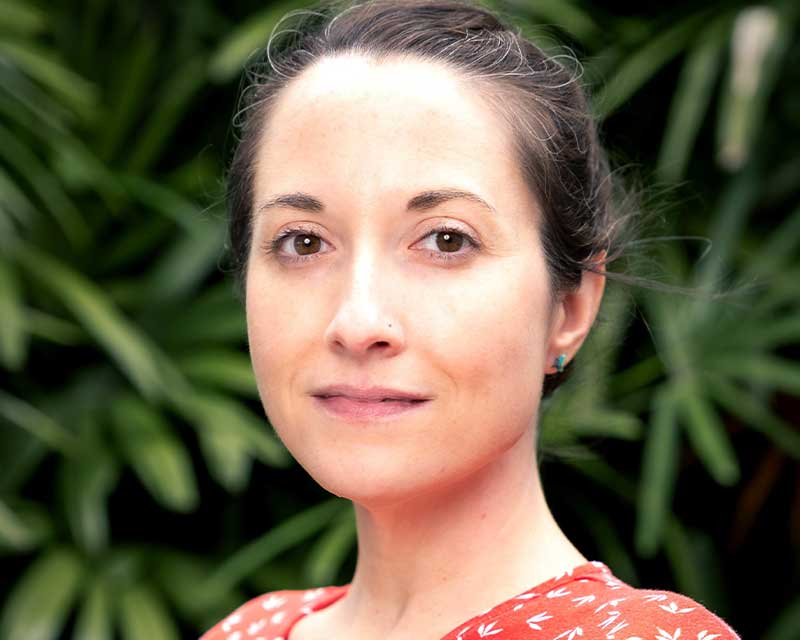
Sarah Blaylock
MSOT, 2009; Low Vision Rehabilitation Graduate Certificate, 2015; PhD in Rehabilitation Science, 2017
Alabama and Honolulu
I am an assistant professor in the OTD program at Hawaii Pacific University, which launched the first OTD program in the state. I live in Alabama and travel to Hawaii for work.
I collaborate on research with Sarah LaRosa, MOT, OTR/L, SCLV, CLVT, also a graduate of UAB’s Low Vision Rehabilitation Graduate Certificate program. We work virtually, building on her clinical work at the Center for Low Vision at Brooks Rehabilitation in Jacksonville, FL. Our research focuses on outcomes from their low vision service delivery model, including projects related to visual acuity measurement and sleep quality.
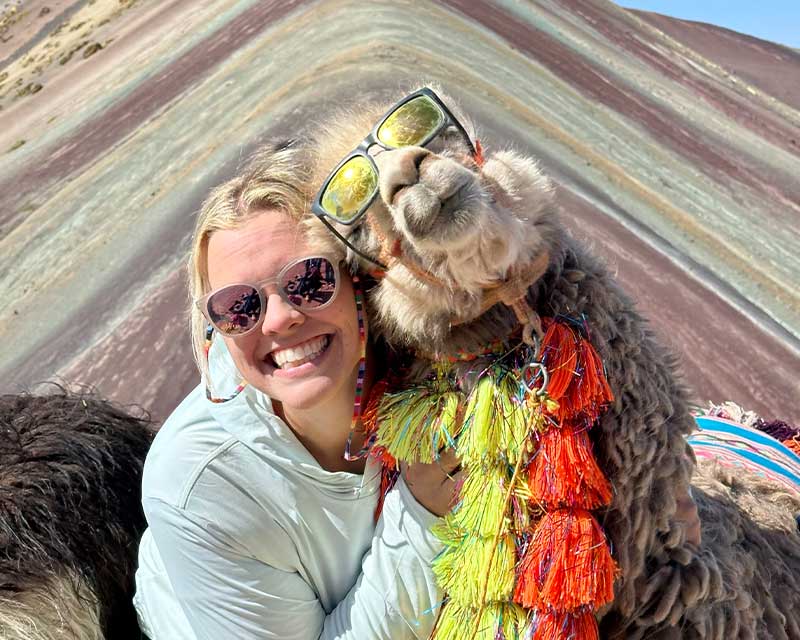
Haley Dean
MSOT, 2016
Birmingham/Trussville, Alabama
I’m currently the director of hand therapy services at TherapySouth, where I manage 25 occupational therapists across 16 locations. I am also an adjunct professor at Faulkner University and serve as a content specialist for the Doctor of Physical Therapy program, teaching hand and wrist coursework during the fall and spring semesters.
I love to travel, and some recent destinations include Peru, Norway, and Switzerland.
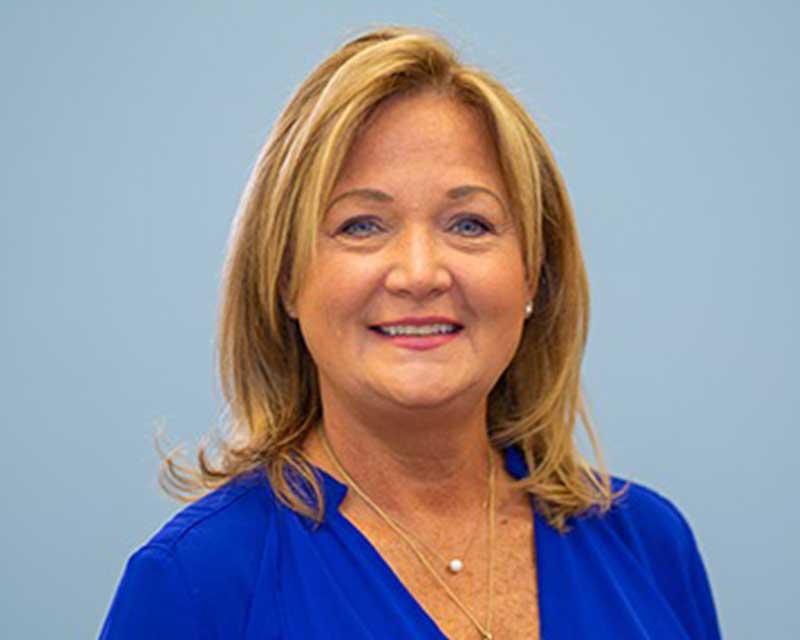
Susan Philhower Denham
BSOT, 1989
Montgomery, Alabama
Thirty-six years have flown by, and I still love this profession. I have worked in almost every OT setting, but hand therapy remains my passion. I recently retired after 25 years at Alabama State University (ASU), where I was a professor and department chair, and now serve as a professor in the OTD program at Faulkner University.
I have helped develop two OT programs in the state—one focused on diversity and underserved populations, and one grounded in Christian values that provides free therapy services to the community. As I begin to wind down my career at Faulkner, the Faulkner Center for Therapy and Research has recently marked 45,000 free therapy visits for our community. Serving as an educator with this group of faculty, students, and clinicians remains one of the highlights of my career.
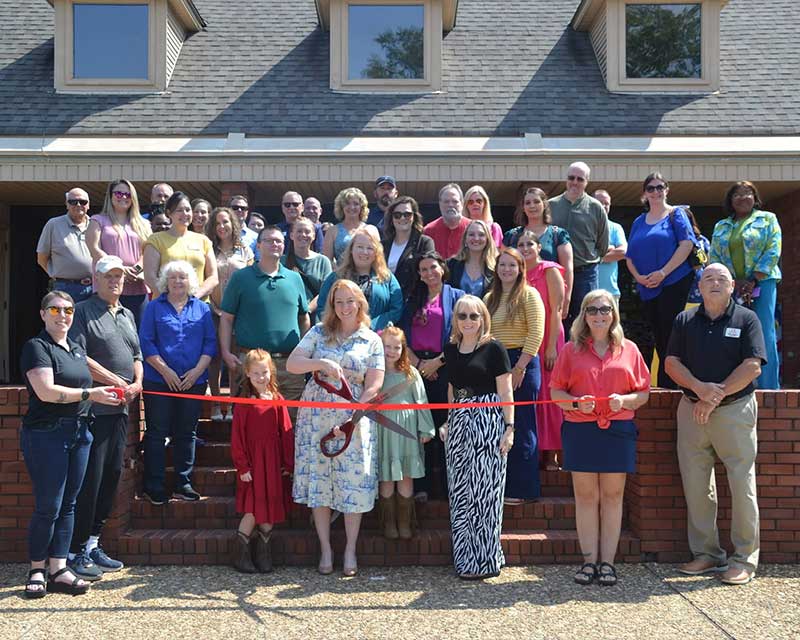
Kathy Lenahan
Post-Professional OTD, 2022
Benton, Arkansas
I launched my own LLC, Alta Integrated Wellness, in September 2025. Alta offers OT services using a whole-health model of care in the community, and we are expanding to include integrated, interdisciplinary treatment teams focused on patient outcomes.
Since graduating, I have taught as an adjunct professor in the University of Central Arkansas OTD program and served on legislative committees within my state OT organization and AORTA. I also attended AOTA Hill Day 2025, where I joined colleagues and students to speak with state representatives about legislation affecting the OT profession.
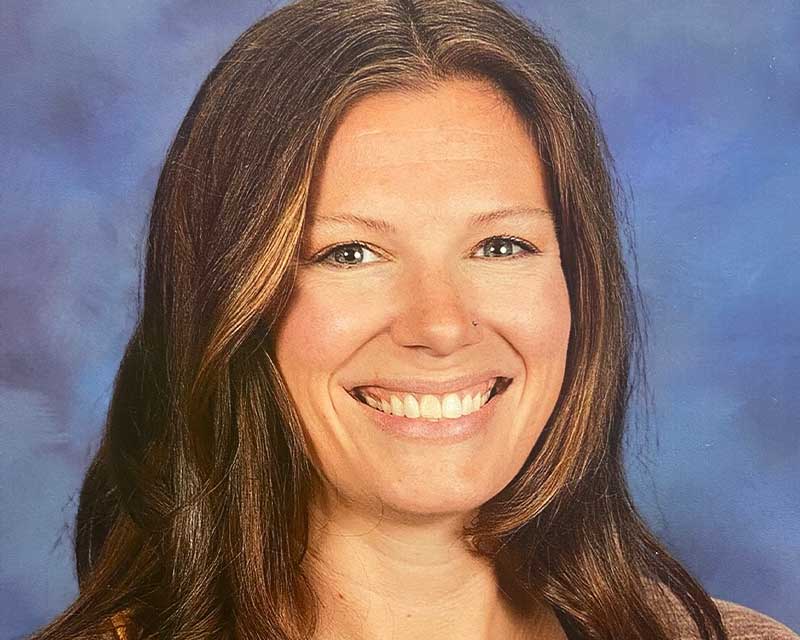
Corey Webb Stone
MSOT, 2012
Colorado Springs, Colorado
I work in a school district in Colorado Springs, where I serve on the district’s special education leadership team as the motor team lead for occupational and physical therapy services.
I also work part time supervising three COTAs in pediatric home health.
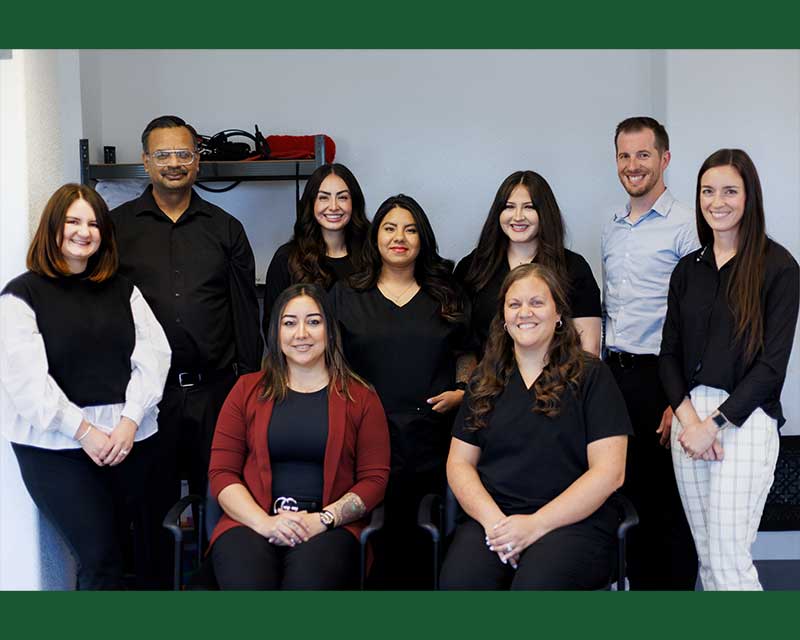
Adam Westenhofer
MSOT, 2013
Deming, New Mexico
In 2022, I opened an outpatient therapy clinic, Vida Therapy Group, to deliver services in a small, rural border town with limited access to healthcare. Three years later, our clinic, which serves a bilingual, low-income community, has grown to five therapists. We are the only practice in our town that provides adult and pediatric occupational therapy, physical therapy, and speech therapy in a single clinic. Many of our staff are bilingual or English-speaking with some Spanish proficiency.
I take on fieldwork students and high school interns to introduce them to careers in therapy while giving them early exposure to clinical practice. At the same time, I’m working with an architect to plan a 5,000-square-foot clinic as we continue to grow. Giving back is also important to me. We donate to Hearts for Autism and Play Sharity Foundation, a local children’s museum, and I’m a member of Community HealthCare Foundation, a nonprofit that provides small grants to organizations across southwestern New Mexico to help improve healthcare services.
Clinics led by Department of Occupational Therapy faculty deliver evidence-based interventions for people with tic disorders, sensory processing differences, stroke, traumatic brain injury, and multiple sclerosis. Our aim is to help people improve their everyday function.
Explore our programs below or visit the School of Health Professions Clinics page for additional services.
Adult Comprehensive Behavioral Intervention for Tics (CBIT) Program
Eight-session, 10-week telehealth program for adults (21+) with Tourette syndrome or other tic disorders.
- During your first session, our team will complete an in-depth evaluation to understand your tics and how they affect your daily activities.
- Follow-up visits are tailored to your goals.
- Partnered with the Child/Adolescent CBIT Clinic at Children’s of Alabama (COA).
- Recognized as the COA/UAB Tourette Syndrome Center of Excellence by the Tourette Association of America.
Adult Sensory Processing Intervention Program
Two- to four-session telehealth program providing evaluation and coaching for adults who experience sensory processing differences that affect everyday life.
- During your first 1-hour session, a therapist will evaluate your sensory processing needs and how they affect your daily occupations.
- In session two, you’ll receive individualized education and strategies to support sensory regulation and the daily tasks you need and want to do.
- After completing two sessions, you have the option of adding follow-up sessions as needed.
- All clients must have a referral from an approved Alabama provider before starting the program.
Neuroplasticity Rehabilitation Program
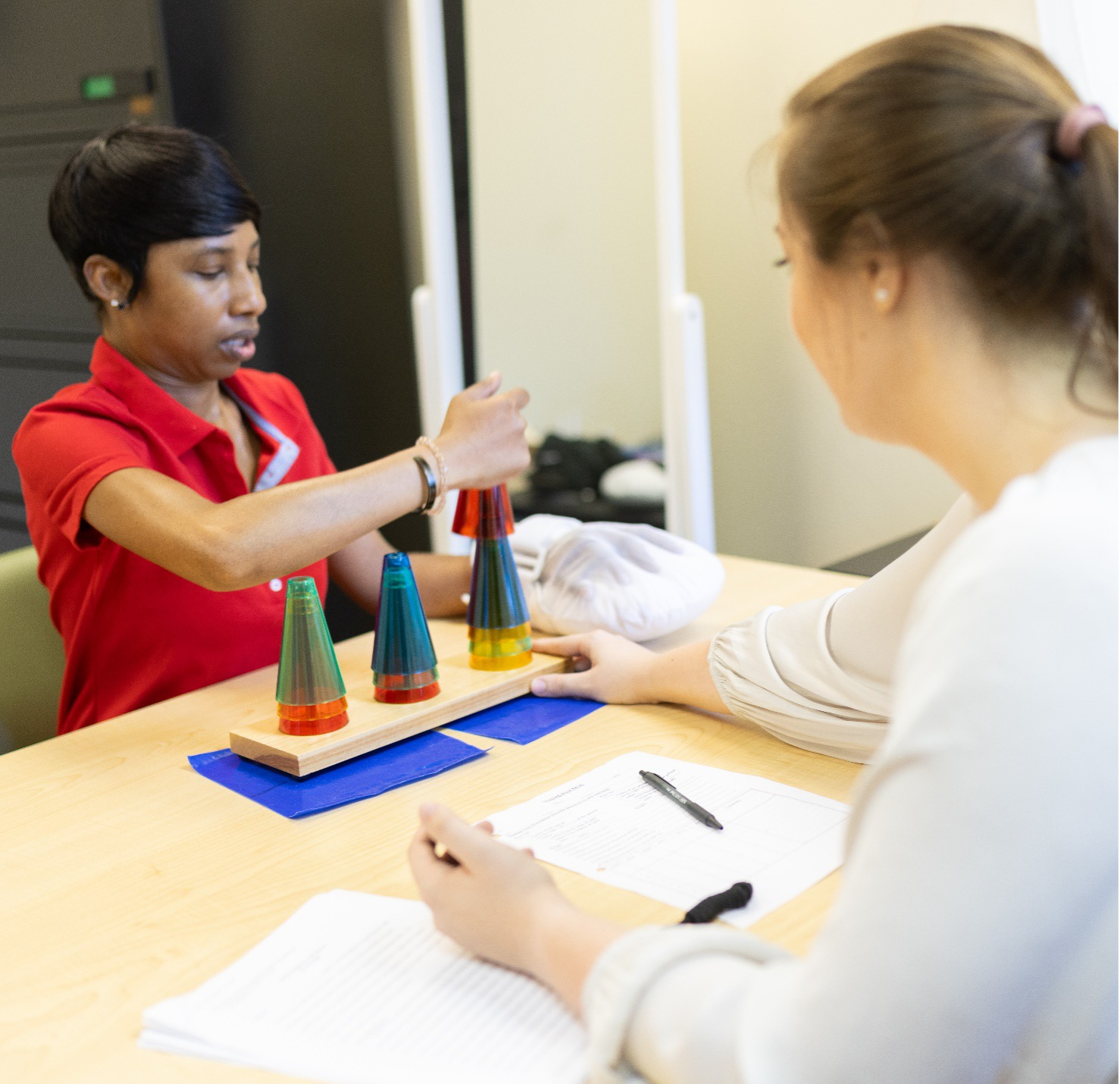 An intensive outpatient program providing upper extremity (arm and hand) rehabilitation for people with stroke, traumatic brain injury, or multiple sclerosis and focusing on interventions that have been shown to produce neuroplastic brain change.
- We deliver evidence-based neurorehabilitation, including Constraint-Induced Movement Therapy (CI Therapy), to promote meaningful, brain-driven improvements in everyday function.
- Our team has more than two decades of research and clinical experience in CI Therapy, which was developed by the UAB CI Therapy Research Group under the direction of Edward Taub, PhD.
- CI Therapy is featured in Norman Doidge’s bestselling books “The Brain That Changes Itself” and “The Brain’s Way of Healing."
Student Training and Experience
The clinics also provide occupational therapy graduate students with opportunities to learn alongside faculty through capstone projects, scholarly activities, and shadowing.
Creative occupations: Joyful class introduces students to art as a powerful therapeutic tool
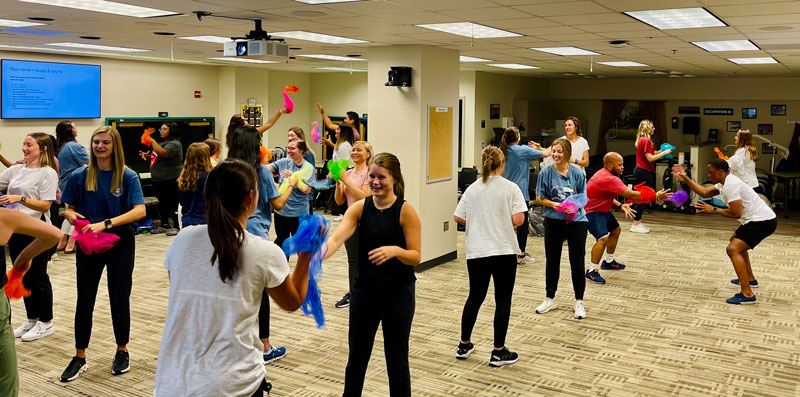 Students feel the joy of creative expression through dance and movement. Each Friday afternoon of their first summer semester, UAB’s entry-level OTD students explore the world of artistic expression in creative occupations class. Many students look forward all week to this course, in which professional artists guide them through first-hand experiences in an array of artistic mediums.
Second-year OTD student Anna Livingston says the class deepened her passion for occupational therapy (OT).
“Creative occupations showed me what sets occupational therapy apart from other healthcare professions and truly reminded me why I want to be an OT,” she says. “As OTs, we can see all the various cognitive, physical, and emotional benefits of creative occupations such as music, art, and movement.”
UAB Department of Occupational Therapy Chair Gavin Jenkins, PhD, OTR/L, ATP, who is course director for the class, notes that arts and creativity are central to our humanity.
“They provide an outlet for expression, connection, meaning-making, and catharsis,” he says, noting the OT profession has integrated art into therapy since its inception in the early 1900s, when therapists first used creative expression to help people with mental health conditions.
‘Art is an access.’
The Department of Occupational Therapy partners with UAB Arts in Medicine (AIM) to bring this course to students, who gain hands-on experience with the healing power of art. AIM’s artists in residence, who work in hospitals and the community to enhance well-being and healing through creative arts experiences, lead the sessions.
For OT students, these artists open a door into the potential of their different mediums, which include visual arts, dance and movement, music, expressive writing, poetry, storytelling, magic, and theater, as therapeutic tools. Students discuss the intersection of OT and these mediums, and then write, paint, draw, act, dance, and more in active exploration.
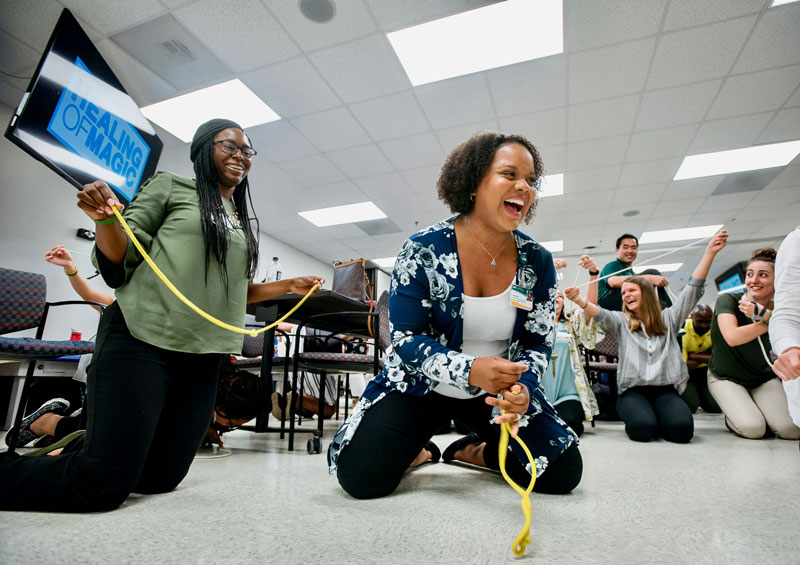 OT students learn magic tricks, which they’ll teach to children with disabilities in the department’s annual Magic Camp. Learning to perform the tricks helps children gain dexterity, confidence and motivation, and better emotional and social function. Rather than tying creative expression to precise elements of occupational therapy, the artists seek to merge their work with its philosophy and spirit, says AIM Director Kimberly Kirklin, MA.
“We align with OT students through our shared goal of enhancing the health and wellness of the people we serve, and hope they leave class with a sense of how they can incorporate art into therapeutic practice,” she says. “Basically, we come from our place, meet them where they are, and move forward with how the arts can support what they want to do for their clients.”
Visual artist Helene Taylor, who has been an AIM artist in residence since 2013, has seen the countless ways art enhances the healing environment.
“Art and any creative experience decrease stress and, for a short moment, let a person feel less like a patient and more like a human,” says Taylor, who leads two course sessions, visual art and folk art.
She hopes to inspire OT students to put art supplies in their toolbox. “It can be as simple as colored paper, scissors, a glue stick, or post-its and sharpies,” she says. “If you begin your sessions with a short doodle art project, for example, you create a nice space to talk about hopes, fears, or progress. Art is an access.”
The joy of personal expression, the power of joy
Creative occupations class is a space for students to learn how they can infuse creativity into OT practice and to explore the role of art self-care. Many find that personal expression creates joy and learn that joy and imagination are powerful tools for healing and rejuvenation.
“It’s a time for them to restore from their studies and work with the other side of their brain,” Kirklin says.
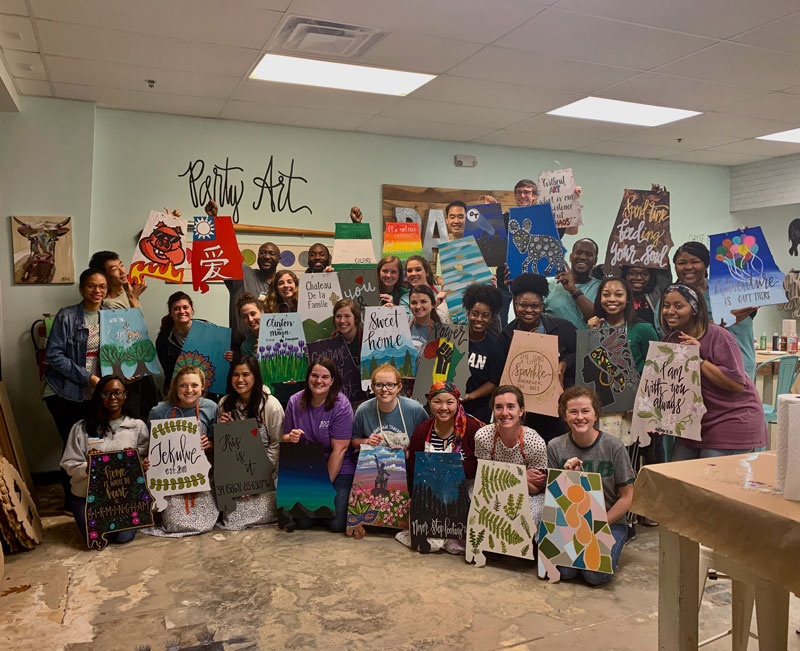 Students use painting as a conduit to express their individuality and gain mental restoration. In one session, AIM dance and movement artist Melissa Turnage brought a portable labyrinth into class. Students walked its loops while turning over a question in their minds. At the end, they may have gained insight into their question, a moment of meditation, or a sense of control. Other mediums, such as expressive writing, give students an opportunity to connect with themselves and each other. Passions
“It’s a safe space for those who choose to share selections from their writing to be vulnerable, which can increase confidence, create connection with others, and improve personal feelings of wellness,” Kirklin says. “All these practices are tools OTs can use with their clients—and for themselves.
If students don’t have artistic expertise, working with AIM’s artists in residence helps these future OTs understand how they could partner with an artist to help their clients.
AIM artist in residence and literary artist Salaam Green, who leads class sessions in expressive writing and poetry, has found integrating arts in health into creative occupations class helps students discover healthy outlets for self-expression and ways to structure narratives for their future work.
“Observing students, researchers, and instructors co-create in the classroom while using ancient and current ways of healing through play, art, and storytelling brings a heightened awareness of the need for consistently creating communities of belonging and care where all feel seen, heard, and witnessed,” she says.
For second-year year OTD student Allison Sortino, the class highlighted the unique position of OT in the world of health professions.
“OT was established as a creative form of healthcare to serve people’s needs holistically,” she says. “This class embodied how science and art can work in harmony to accomplish the greatest good for individuals.”
Request More Info
We want to document your experiences as you travel through South Africa. By filling out and submitting this form, you understand that your posts will be featured on the "OT Life" blog site.
You can submit content as often as you like on anything that captures your interest. Your posts can be long or brief - the most important thing is that they are interesting.
Please remember - the world is watching - so only share what is appropriate for your family and your OT family to see.
Submission Guidelines
- Submit original materials - words and photos.
- If you include a quote, credit who said the quote.
- Treat others as you wish to be treated (be kind in your words and photos).
- Word count: 100 - 300 words.
- Have fun!
Submission Form
Thank you for your interest in UAB Occupational Therapy.
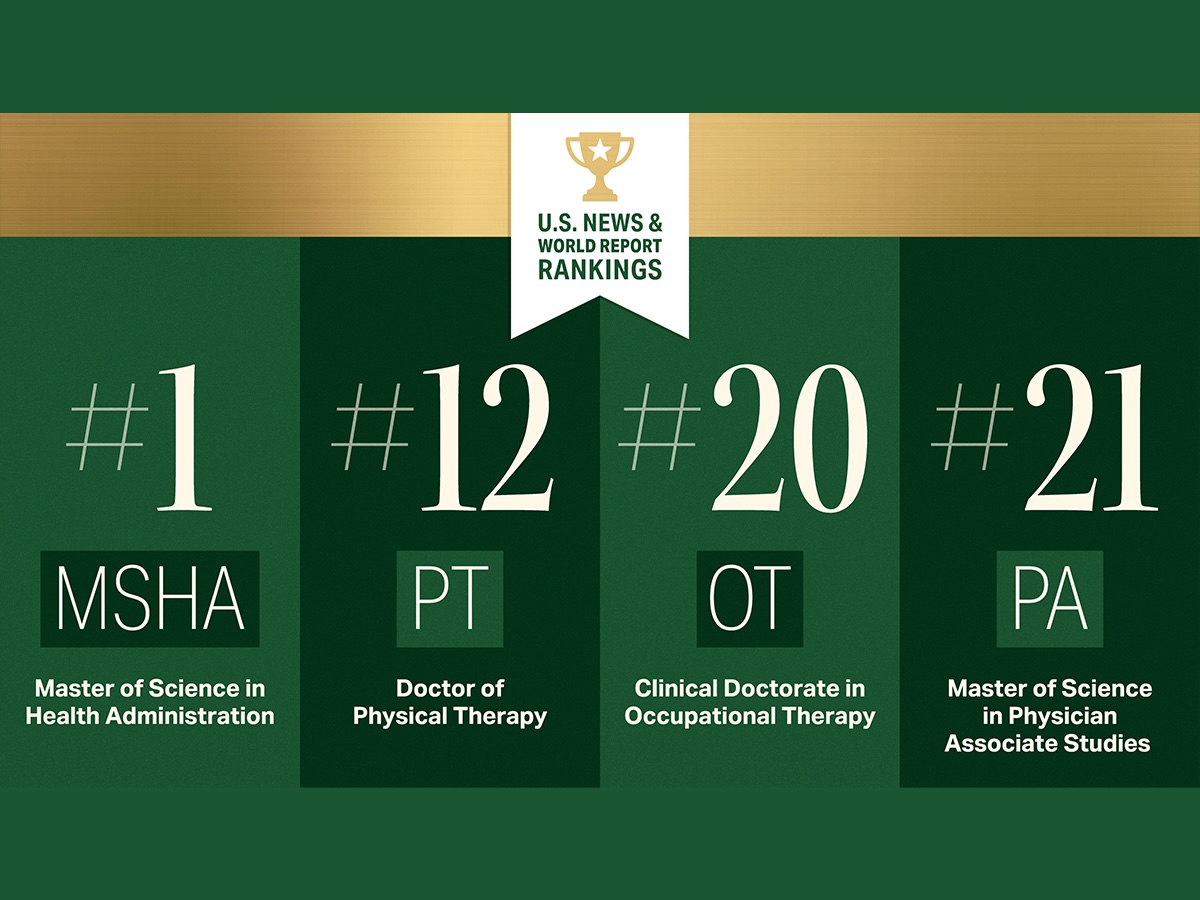
Ranked in the top 25 of the Best Occupational Schools by U.S. News and World Report, the Department of Occupational Therapy at the University of Alabama at Birmingham (UAB) provides these graduate degree and certificate programs:
- Entry-Level Clinical Doctorate in Occupational Therapy (OTD)
- Post-Professional Clinical Doctorate in Occupational Therapy (OTD)
- Low Vision Rehabilitation Graduate Certificate
- Ph.D. in Rehabilitation Science (a joint program with the Department of Physical Therapy).
Stay Informed
UAB OT continues to expand its unique portfolio of post-professional programs. Fill out this brief form to receive information about our latest educational opportunities and other news. By doing so, you agree to receive emails from UAB OT. You may unsubscribe to our emails at any time.
Unsubscribe
We strive to make our emails interesting and informative, but we don't want to clutter your inbox. To unsubscribe, simply fill out the simple form below.
Tell us your story! This form is for faculty, staff, students and alumni of the Department of Occupational Therapy to request coverage for UAB SHP News, Social Media (Instagram, X - formerly Twitter, and Facebook), and our targeted email newsletters.
UAB OT News Policy
Interest in your news is subject to overlap across these channels. Information is used at the discretion of the Department of Occupational Therapy and will be published at a time and with a frequency that best enables us to accommodate requests and produce timely, meaningful communication for our faculty, staff, and students. The more advance notice we have, the better able we are to share about your events and news.
Inaugural Course in Blindness Rehabilitation Equips OTs With In-demand Skills
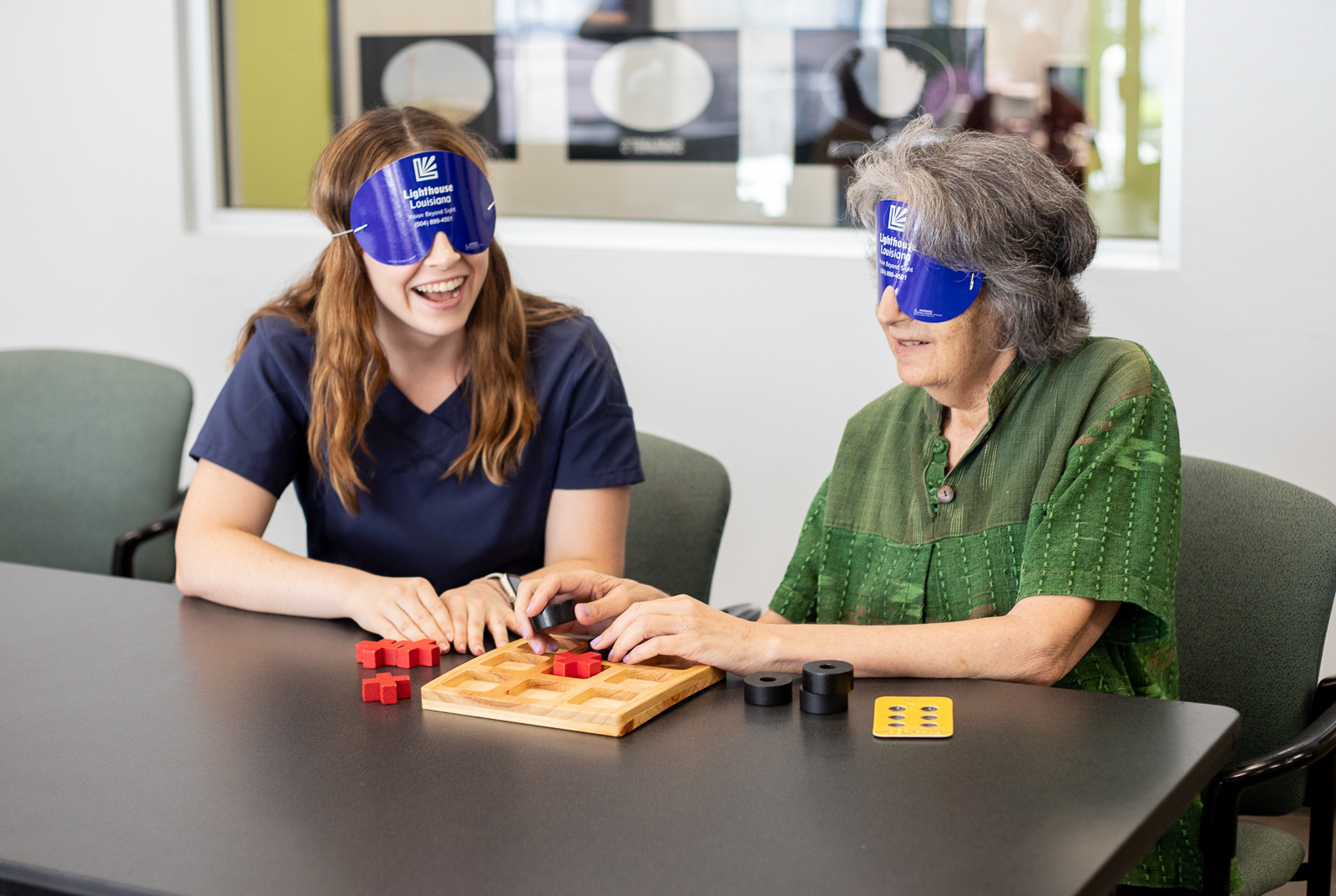 An OT plays tactual tic-tac-toe with a client who is blind so she can learn to engage in leisure tasks with friends and family.
Applications are now open for the Low Vision Rehabilitation Graduate Certificate program’s first course in blindness rehabilitation. This program elective (3 credit hours) will be offered in the upcoming fall semester as part of the Department of Occupational Therapy’s expanding roster of specialized educational opportunities.
“Foundations in Blind Rehabilitation” (listed as “OT 692 - Special Topics in OT” in the UAB Graduate Catalog) aims to equip occupational therapists (OTs) with the skills they need to help clients who are blind optimize their occupational participation and performance.
Right now, few OTs have this training, creating a need and an opportunity for practitioners who are interested in working with individuals without residual vision.
“There are many resources to help OTs to understand low vision and the strategies to optimize a client’s existing vision, but this course is one of the first university courses designed to give OTs the tools needed to enhance function for clients with little to no usable vision,” said Jenice Heck, LOTR, MMC, course instructor and an adjunct professor in the UAB Department of Occupational Therapy.
Heck was born with Leber congenital amaurosis, a rare genetic disease that primarily affects the retina, and is one of the few blind OTs in the United States. She noted that while OTs typically have effective strategies for clients with low vision, those skills often don’t transfer well to individuals without usable vision.
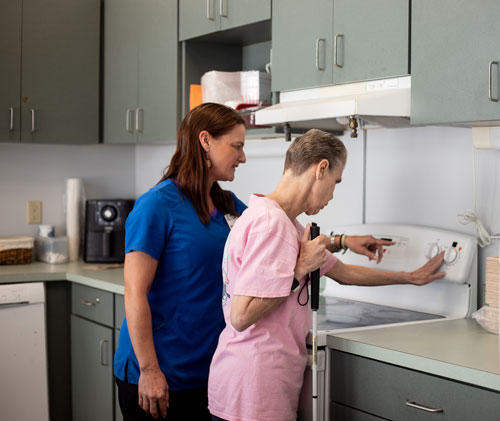 An OT orients a client who is blind to controls on a stove marked with tactual indicators.
‘We live in a visual world.’
To put this into better perspective, Heck said, “Over 50% of the brain is dedicated to processing visual input. So, what happens when vision is removed from the equation? Foundations of Blind Rehabilitation will explore the resources and strategies for successful interventions and outcomes for this population.”
Beth Barstow, PhD, OTR/L, SCLV, FAOTA, director of the Low Vision Rehabilitation Graduate Certificate program and associate professor of occupational therapy, noted that Heck’s specialized knowledge will allow her students to gain valuable skills and fill a significant gap in care for individuals who are blind.
“Jenice is an innovative OT who has skills in blindness rehabilitation that few possess,” Barstow said. “UAB is very lucky to have her join our team.”
Innovative solutions for people without usable vision
Heck, who is chief operating officer at Lighthouse Louisiana in New Orleans, said the course is designed to challenge learners’ clinical thinking skills, provide insight into the needs of people who are blind, and stimulate students’ creativity so they can develop innovative solutions for these clients.
“The ultimate objective [for students] taking the course is to assist clients in becoming comfortable in their own skin, so they can live meaningful lives without depending on their vision. It’s pure OT at its finest,” she said.
Enroll in Foundations in Blind Rehabilitation
If you’re interested in building expertise in blindness rehabilitation, you can take the course as an elective in the Low Vision Rehabilitation Graduate Certificate program (application deadline: August 1) or apply to the UAB Graduate School as a non-degree seeking student (application deadline: August 14).
Research is at the center of the Department of Occupational Therapy. Our mission is to improve the health and well-being of individuals, communities, and society through research and scholarship that focuses on the relationship between people, everyday activities (occupations) and environments. Our faculty and emeritus faculty have a productive and diverse research focus, covering a wide range of topics that fall under three distinct research areas.
Research Areas
Faculty Research
Beth Barstow
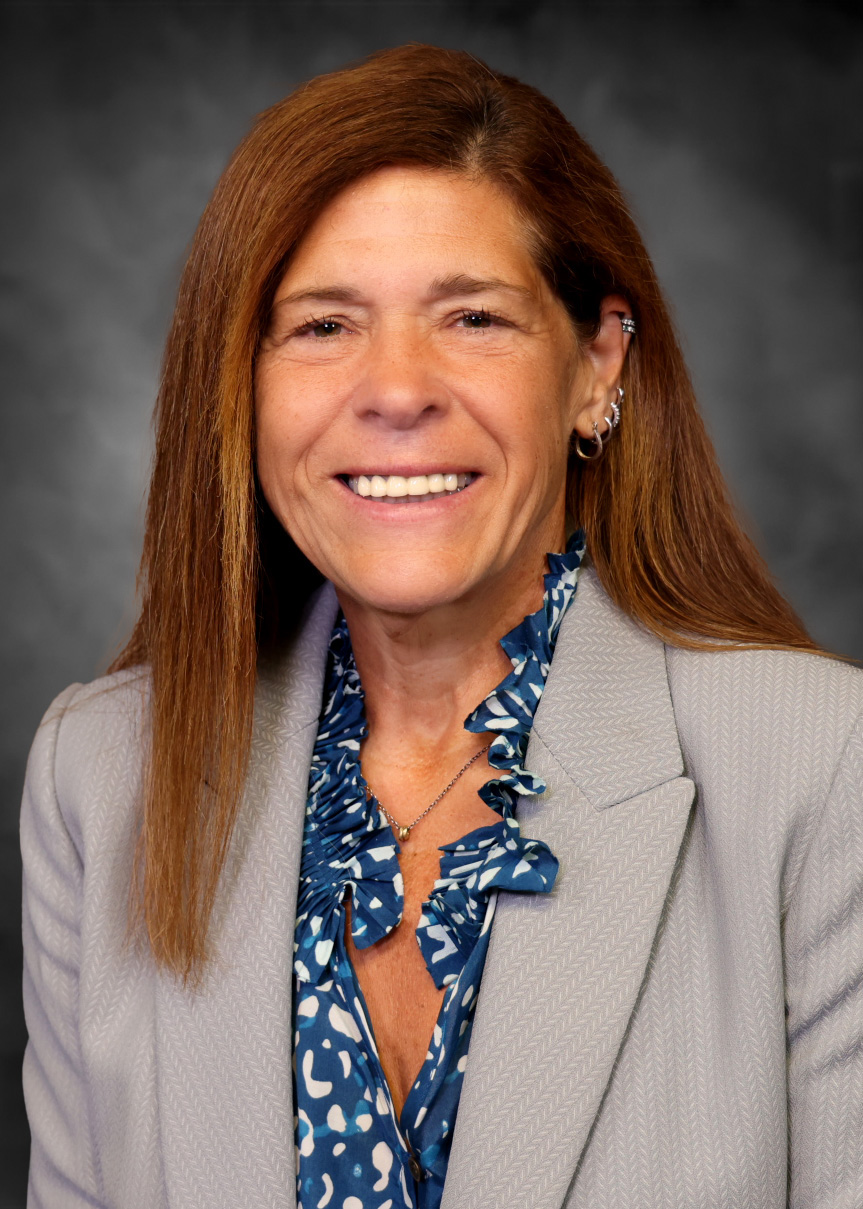
Dr. Barstow’s research is focused on the influence of low vision and disability on participation in occupations and access to healthcare systems. She is a PI of a NIDILRR grant titled “Barriers, Facilitators and Priorities for Adopting Universal Design Principles by Equipment Manufacturers and Public and Private and Recreation Facilities: A Mixed Methods Study. The aim is to explore factors influencing the universal design of programming, equipment and environments in community fitness environments ultimately leading to a framework based on the priorities of personnel and patrons. Dr. Barstow is also a team member of a grant to develop a tool kit to facilitate patient-provider interaction as part of coordinated multiple sclerosis care. The aim of this research is to develop and study integrated models to promote exercise participation through the healthcare system for persons with multiple sclerosis.
Jewell Dickson
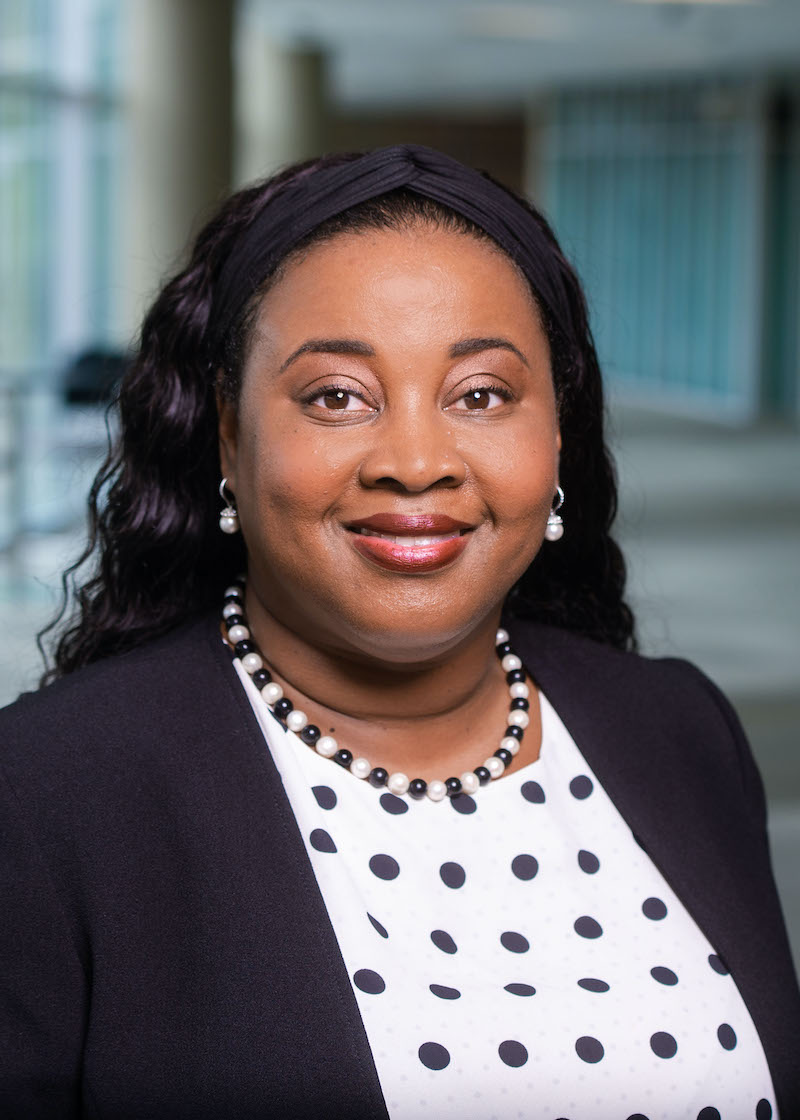
Dr. Dickson’s research is focused on self-efficacy and occupation in incarcerated women, global health, and assistive technology. One of her primary research aims is to develop occupational therapy programs that can help incarcerated women enhance their wellness and self-efficacy. Her recent work also includes the development of an international partnership to address assistive technology needs for children with disabilities in Jinja, Uganda, and a systematic review of pedagogical methods for cultural awareness in occupational therapy education.
Sarah dos Anjos
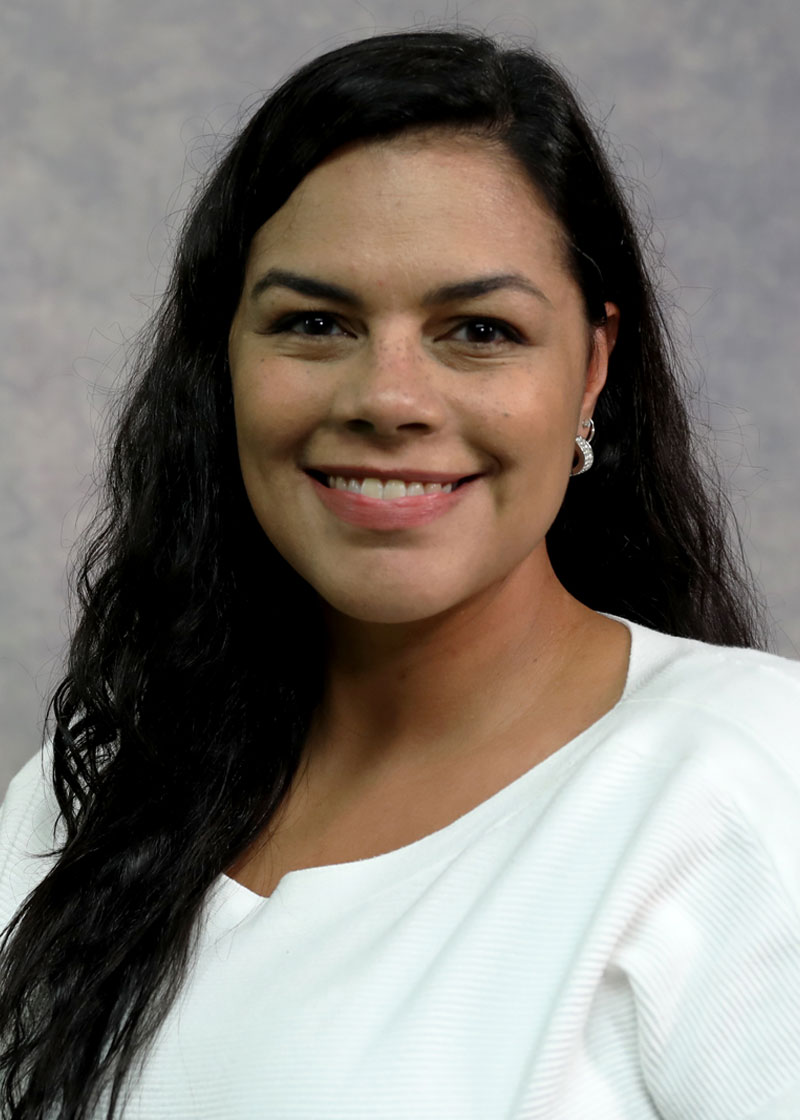
Dr. dos Anjos’s research is focused on developing and enhancing rehabilitation approaches that help individuals with stroke recover and maintain function and quality of life. One of her primary research aims is to develop rehabilitation strategies that help individuals with stroke transfer skills gained in the clinic to real-world settings. Her recent work in this area includes a faculty development grant to determine if combining behavioral strategies with robotic treadmill gait training enhances long-term retention of motor skills in individuals with stroke. Her research interests also include the use of constraint-induced movement therapy for people with stroke. Dr. dos Anjos is dedicated to advancing the integration of stroke rehabilitation research with clinical care and to including in her research the perspectives of individuals with stroke, their caregivers and families, and rehabilitation professionals.
Chris Eidson
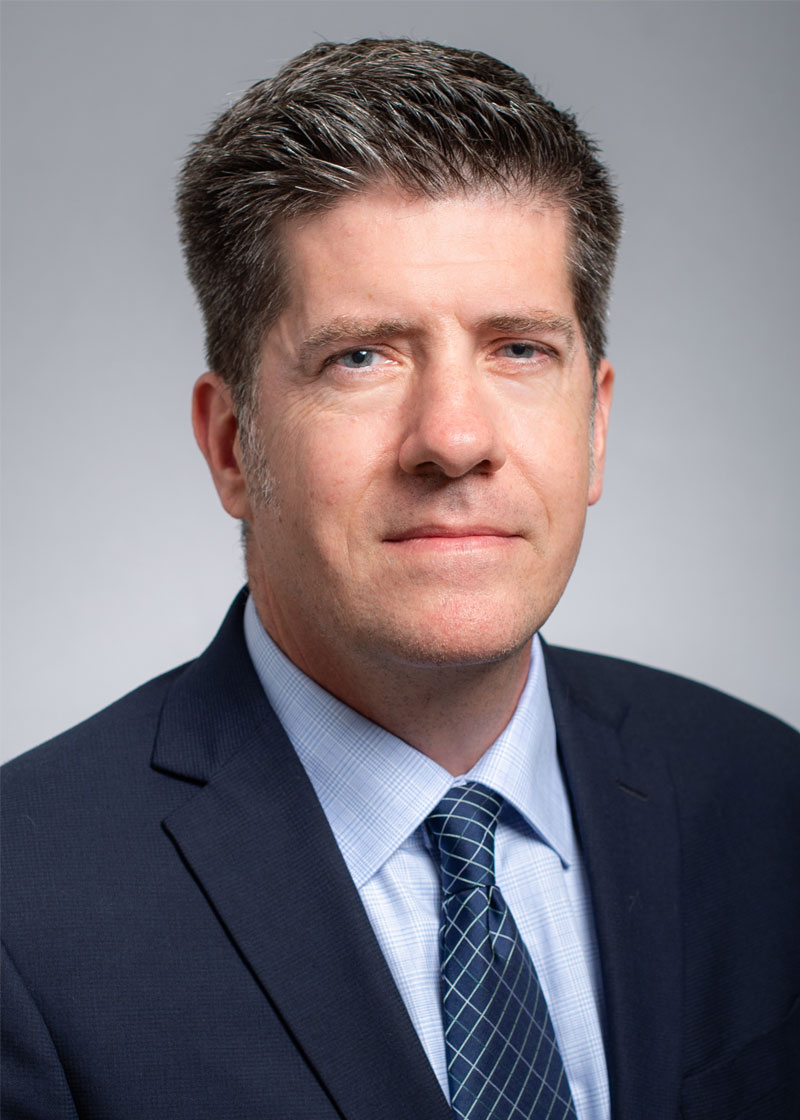
Dr. Eidson’s research is pedagogical in nature, either pertaining directly to teaching and learning, or pertaining to content specific to the coursework that he teaches. He has extensive teaching experience in different venues and topics, having also done numerous presentations at the state, regional and national level related to service learning and team-based learning. Dr. Eidson has an appointment through the Center for Teaching and Learning (CTL) at UAB as a Teaching Fellow, and an appointment as a Faculty Scholar through the Center for Interprofessional Education and Simulation (CIPES) at UAB. He is also a certified Consultant Trainer through the Team-Based Learning Collaborative (TBLC). He has received research funding through UAB and the TBLC.
Gavin Jenkins
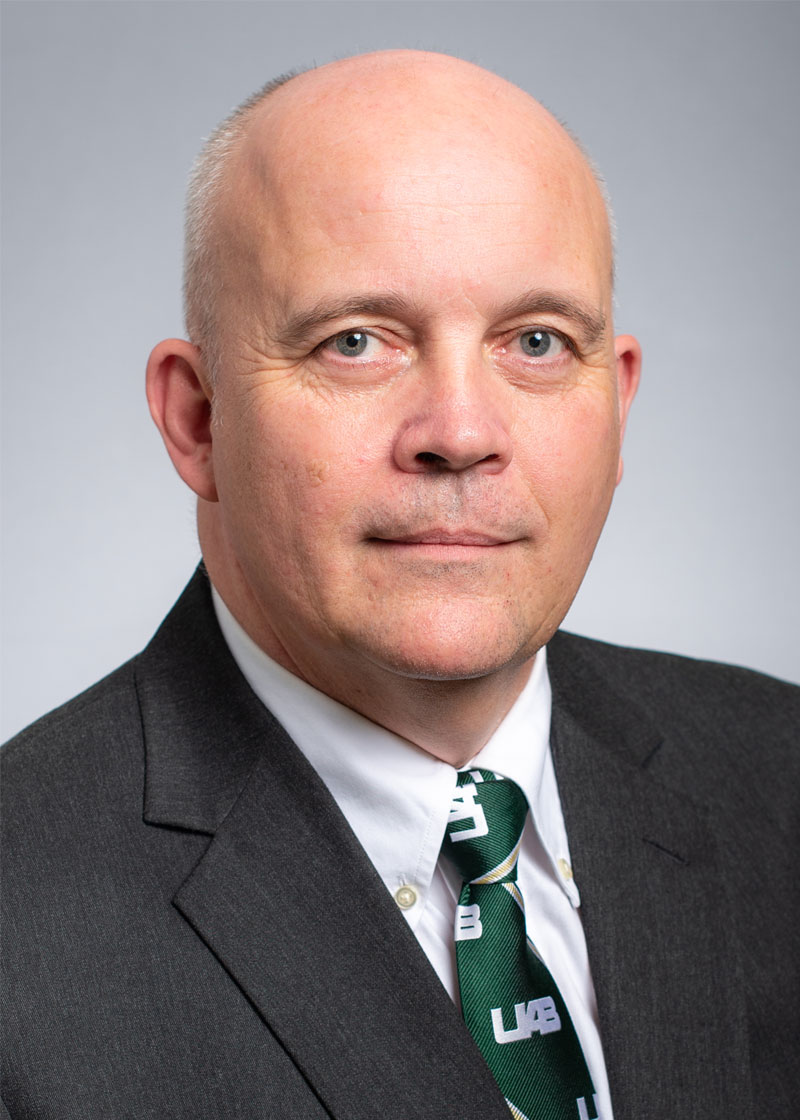
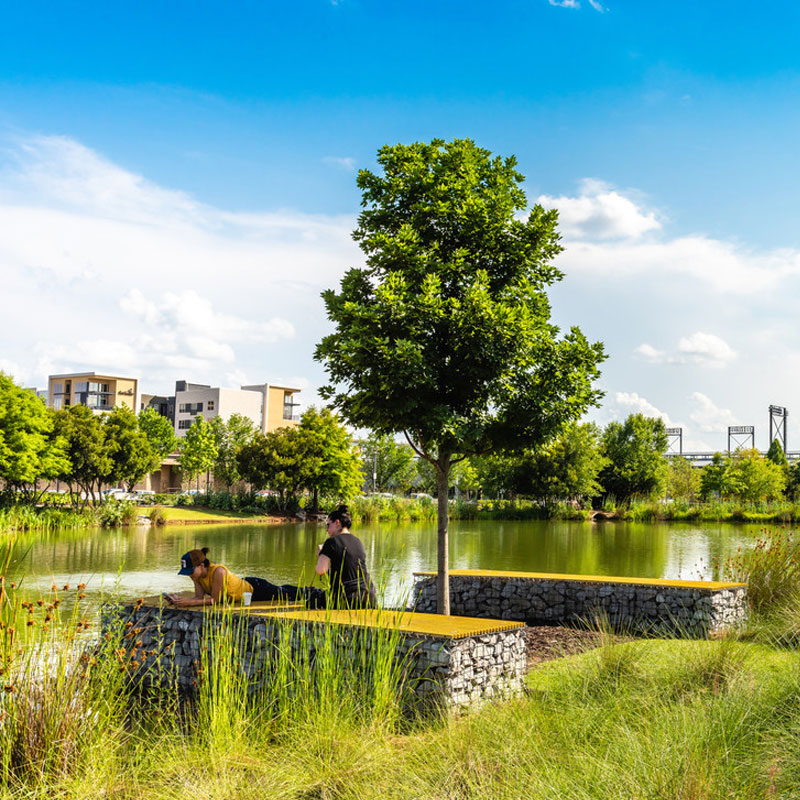
Dr. Jenkins research is focused on the dynamic relationship between the environment and the person, investigating how the environment influences the person but also potentially how the person influences and modifies the environment. The environment can facilitate or limit participation in everyday life and Dr Jenkins specifically focuses on how green spaces, such as city parks, can impact the health and wellness of users and how the learning environment can be influenced by modifications to the physical space. In addition, Dr Jenkins focuses research on the impact of arts and crafts on health, investigating the role that arts, such as magic can have on individuals through the lens of the Model of Human Occupation (Taylor, 2017). Dr Jenkins has received research funding through the Center for the Study of Community Health and the Mississippi Developmental Disabilities Council.
Valley McCurry
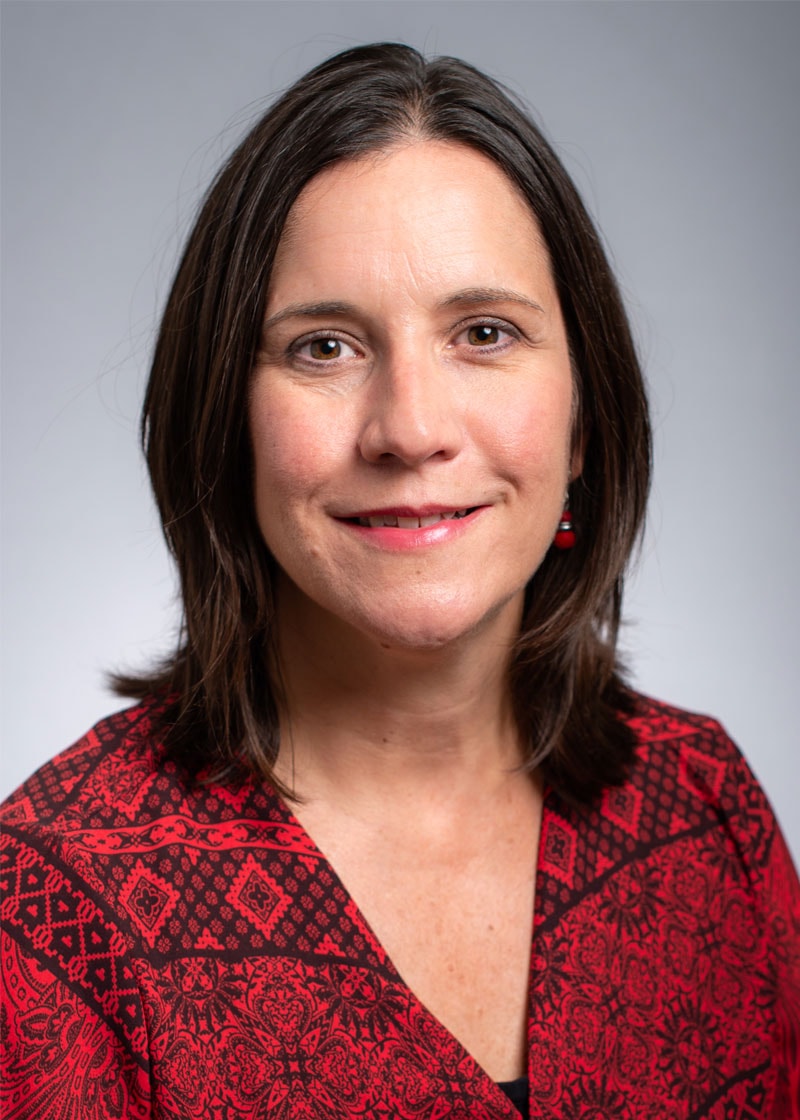
Dr. McCurry’s research is focused on mental health and occupational therapy. Recent projects include exploration of stigma and stereotypes among occupational therapy students, the impact of service learning on self-efficacy and beliefs related to mental illness, and the investigation of factors that influence use of occupational therapy assessments in acute mental health settings.
Sarah Tucker
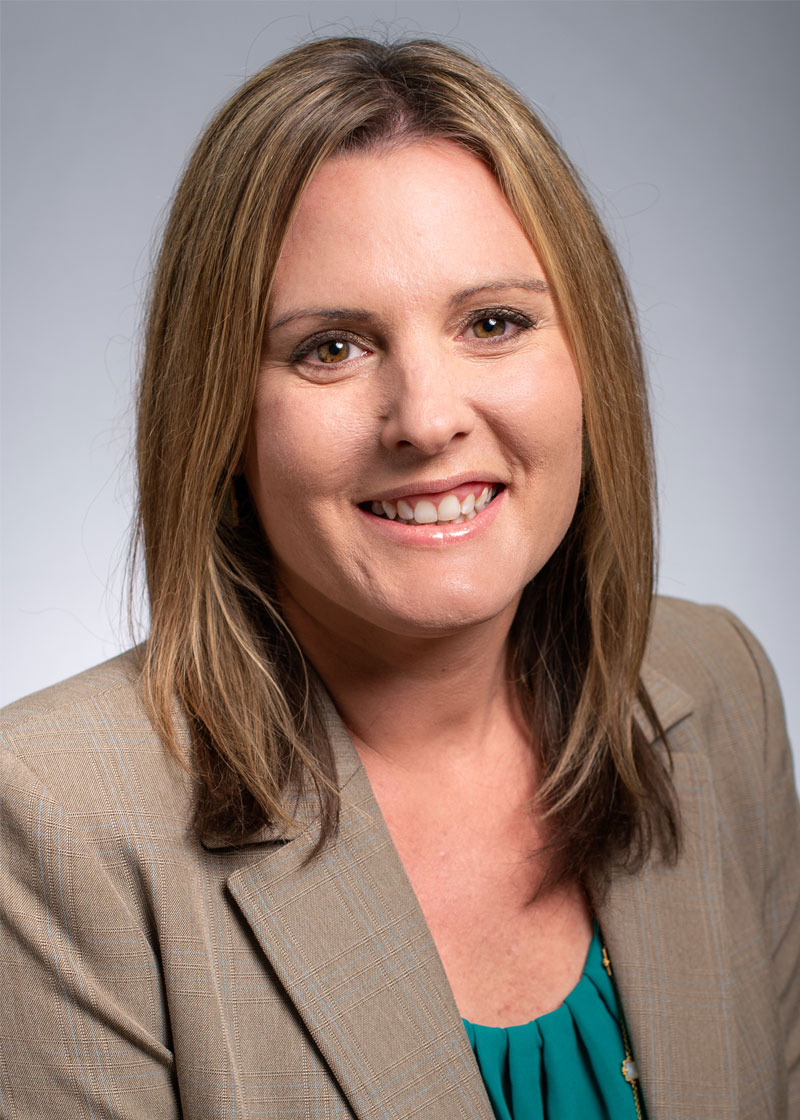
Dr. Tucker’s research is focused on the cycle of incarceration, including at-risk youth and similar vulnerable populations who often encounter the criminal justice system. Dr. Tucker’s research interests include the integration of occupational therapy as a strategy for preventing incarceration and for reducing recidivism rates. Her background in pediatric occupational therapy created a foundation for her doctoral research, where she studied the foster care system specifically related to foster parents’ experiences supporting the mental health and well-being of the children in their care.
Jason Vice
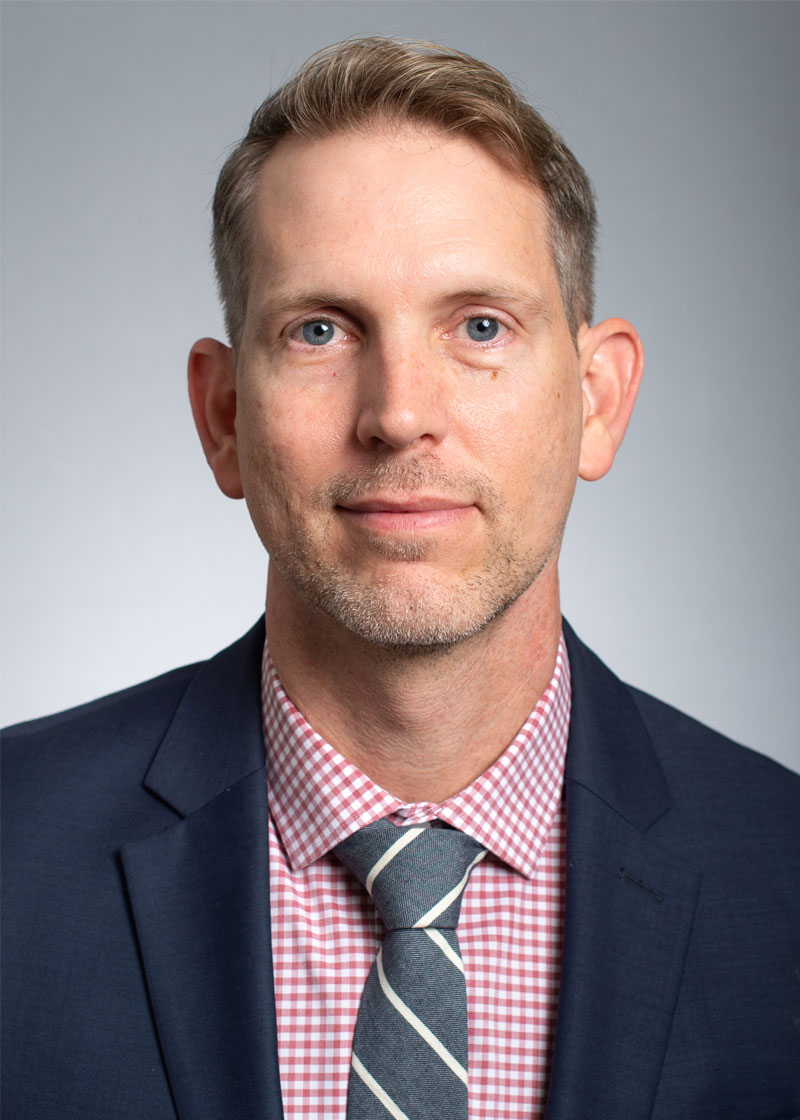
How do learning and experience influence neuroplasticity in the aging brain? Experience-dependent plasticity is evident as the brain matures, however questions remain about the persistence of these underlying mechanisms across the lifespan. Critical periods known to exist in neural development suggest that the efficacy of such mechanisms declines with age. However, considerable evidence from rehabilitation research suggests the brain is at least partially capable of neural reorganization. Dr. Vice’s research uses the visual system as a model for understanding the conditions in which healthy older brains reorganize in response to environmental demands. In addition, Dr. Vice is interested in the functional impact of neurodegenerative disease on vision-dependent occupations and the development of effective clinical treatment strategies. His work is funded through collaboration with researchers from Civitan International Research Center and the UAB School of Medicine.
Laura Vogtle
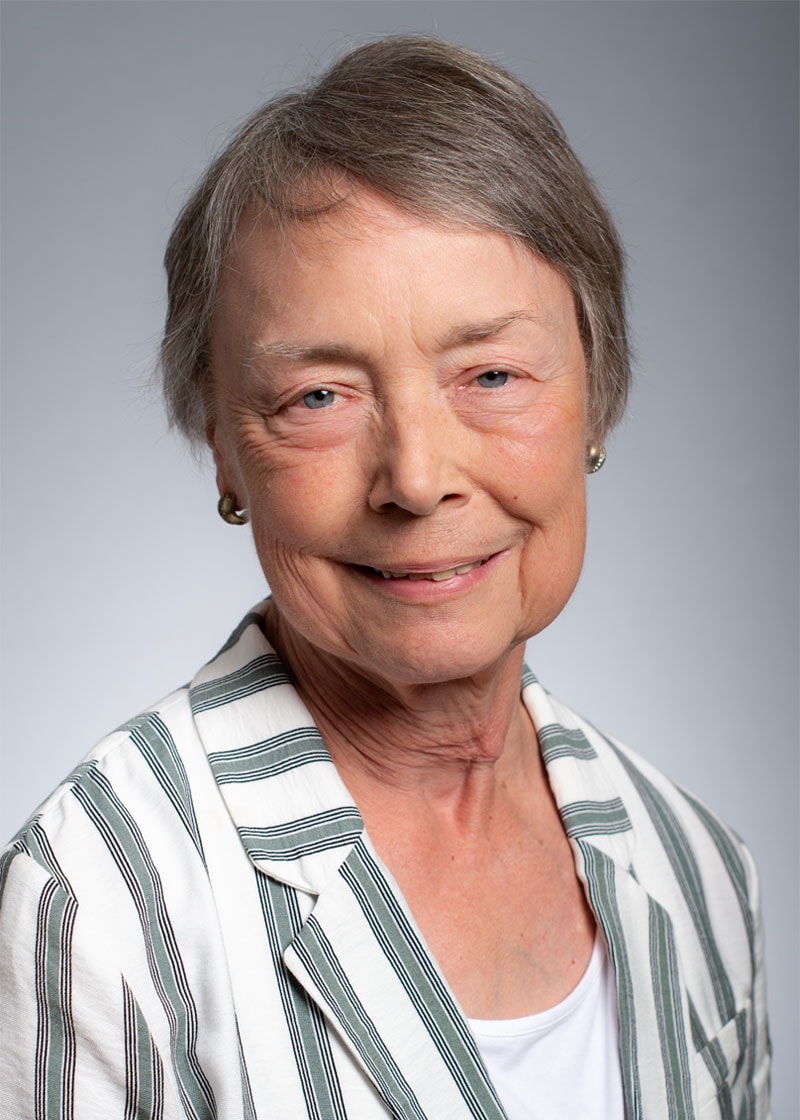
Dr. Vogtle’s research has focused on secondary conditions experienced by adults aging with cerebral palsy, as well as the impact of vision loss on environmental safety and falls. Another line of research addressed quality of life in older adults with epilepsy. Dr. Vogtle has received funding from the Centers for Disease Control and Prevention, as well as from several foundations. A secondary interest has been on providing interdisciplinary education with funding from the Department of Education for the last 20 years, as well as internal funding from the Center for Teaching and Learning to develop an interprofessional course for health professions students at UAB.
Brooks Wingo
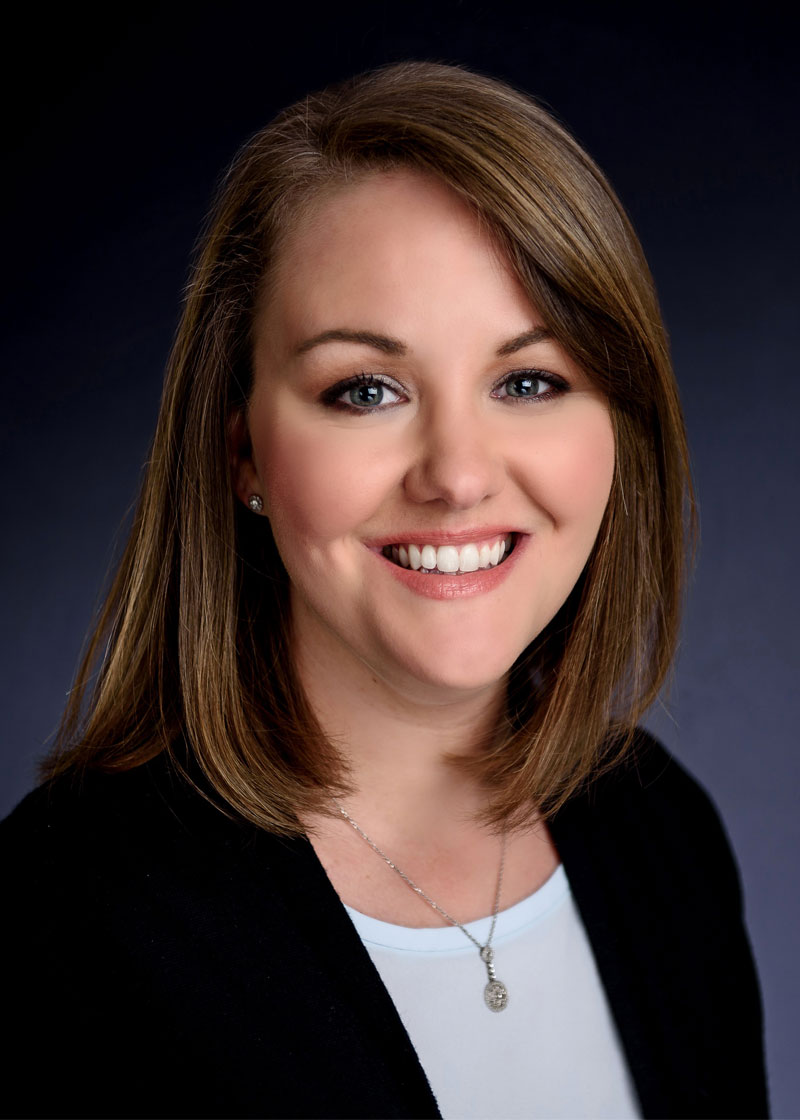
Dr. Wingo’s research interests are in the areas of lifestyle intervention for cardiometabolic risk reduction in people with physical disabilities and complex medical conditions. Her most recent research efforts have focused on understanding the role of dietary patterns on cardiometabolic health and secondary symptoms in adults with spinal cord injury (SCI) and Multiple Sclerosis (MS), as well as adapting evidence-based health promotion interventions for adults with these conditions via telehealth. She has also developed a parallel line of research focused on adaptations to current clinical methods of anthropometric and body composition assessments that better represent the body composition differences seen in individuals with physical disabilities. She completed postdoctoral fellowships in Comparative Effectiveness Research and lifestyle interventions for obesity. These trainings were focused on development, implementation, and evaluation of real-world clinical trials that incorporate patient-centered methodologies into dietary and exercise interventions for special populations. She has experience conducting clinical trials of interventions for minority populations, older adults, patients with multiple medical conditions and adults and children with physical disabilities. She has received funding from the National Institutes of Health, Paralyzed Veterans of America, and the National MS Society.
Hon Yuen
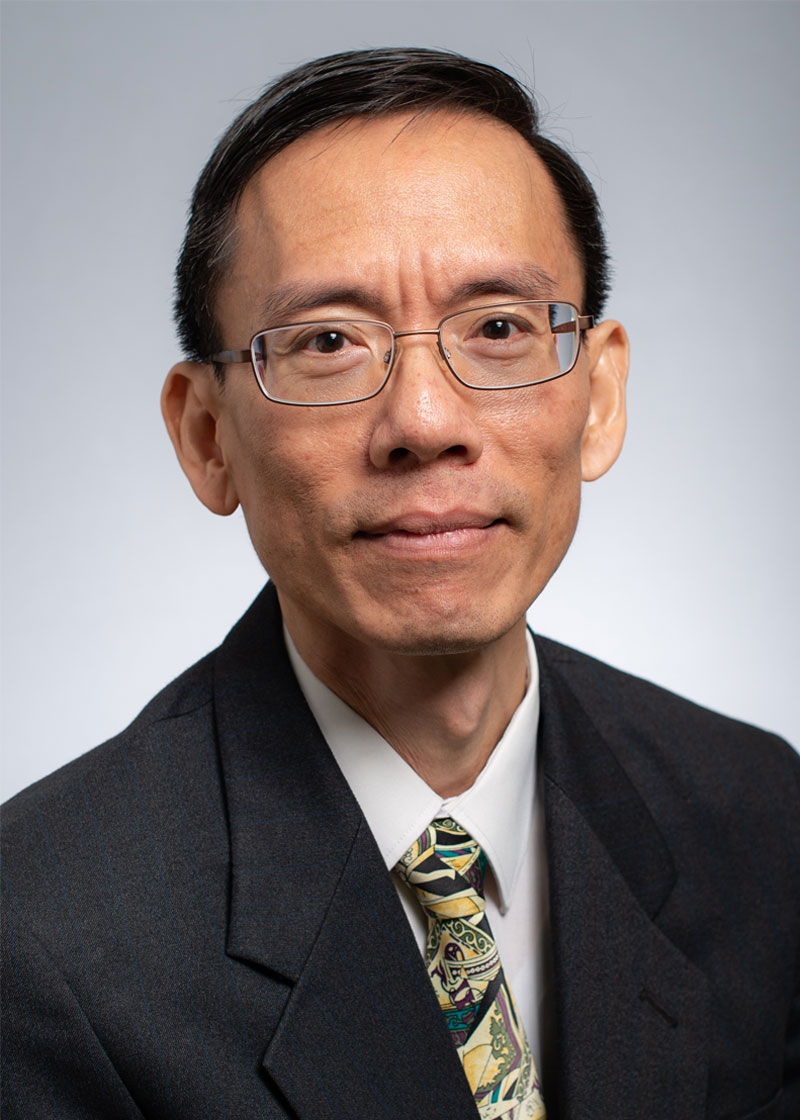
Dr. Yuen is a professor and the Director of Research in the Department of Occupational Therapy at the University of Alabama at Birmingham. He received his educational training to become an occupational therapist at the University of Queensland, Australia. His doctoral training focuses on the area of Research, Evaluation, and Measurement Methodology at the University of Florida. He has more than 25 years teaching experience in several occupational therapy programs in the United States as well as abroad, and has received funding from National Institute of Health (NIH) and several Foundations on different grant projects since 2002.
He has been an NIH grant reviewer since 2006, and has more than 100 peer-reviewed publications in the field of occupational therapy, rehabilitation, health services, and biomedical sciences as the lead or corresponding author. One of his current roles as the Director of Research in the Department of Occupational Therapy at UAB is to mentor faculty and students in grant writing and publications.