A noteworthy prevalence of a recently discovered serotype of oral bacterium, with a possible link to a number of systemic diseases, was found for the first time in a small cohort of African-American schoolchildren in a southwest Alabama town, according to research conducted by Stephanie Momeni, of the University of Alabama at Birmingham.
Momeni presented her research, conducted in the laboratory of Noel Childers, DDS, Joseph F. Volker Endowed Chair and Chair of UAB’s Department of Pediatric Dentistry, at the American Society for Microbiology General Meeting in New Orleans on June 1. The National Institute of Dental and Craniofacial Research provided research funding for the project. Momeni is a Dental Academic Research Training predoctoral fellow in UAB’s School of Dentistry.
Streptococcus mutans serotype k, first discovered in Japan in 2004, has been linked to a number of systemic diseases, including bacteremia, infective endocarditis and hemorrhagic stroke. However, the bacteria evaluated in the present study were missing the proteins suggested to link S. mutans serotype k with these systemic diseases, says Momeni, a doctoral candidate in the UAB Department of Biology, which is housed in UAB’s College of Arts and Sciences.
Oral Bacterium Possibly Associated with Systemic Disease Found in Alabama Schoolchildren
Announcements
CAS News
June 05, 2015
More News
-
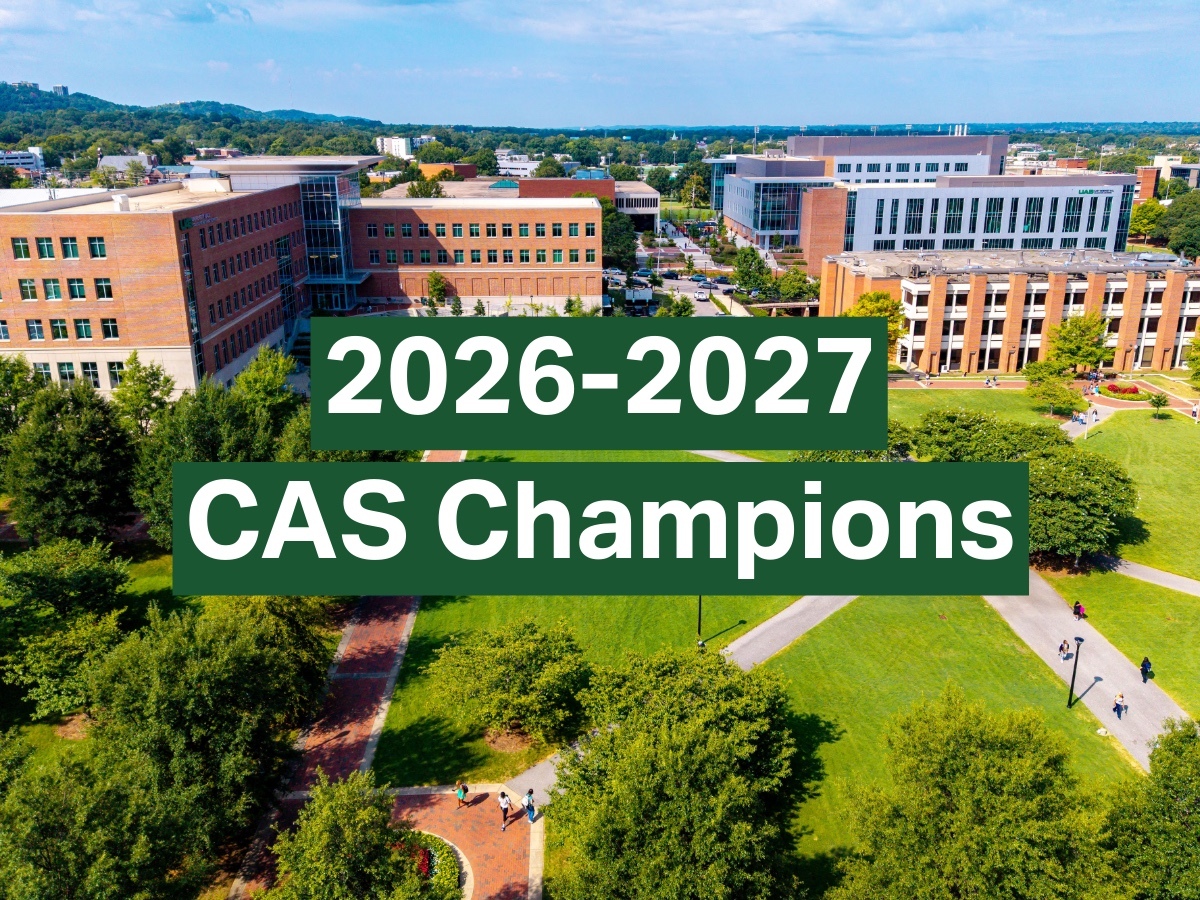 Meet the 2026-27 CAS Champions!CAS Champions are student ambassadors who serve as leaders within the College and are selected to represent the various disciplines within CAS.
 -
 AI-assisted digital twins for building retrofitsUAB researchers are developing an AI-assisted digital twin platform for building retrofit planning.
 -
 Call for artists: Submit ideas for new outdoor sculpture at UAB through Oct. 22The museum-quality, contemporary public sculpture will be installed outside of the Hill Student Center as part of Birmingham’s Legacy Art Trail honoring local visionary leaders.