Healthy Teeth for Kids: Oral Health Tips by Age
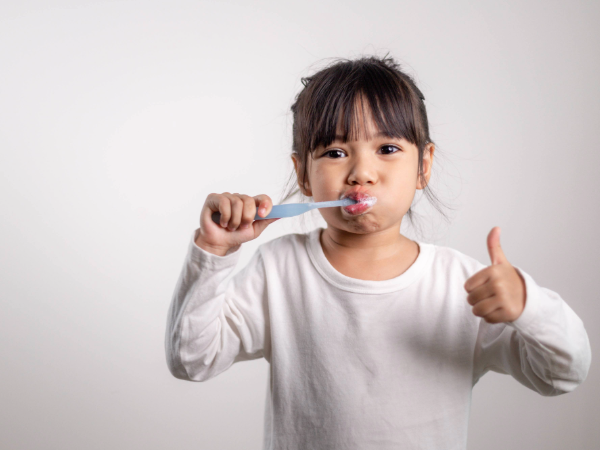 Developing your child's dental routine can feel overwhelming, especially for new parents. Taking care of your child's teeth from the very beginning helps guide permanent teeth into proper alignment while establishing healthy habits that can last a lifetime.
Starting a dental care routine early helps reduce bacteria and plaque buildup and lowers the risk of cavities, one of the most common childhood health concerns.
According to the Centers for Disease Control and Prevention, cavities remain the most common chronic infectious disease among children in the United States.
Yu-Yin Lin, D.D.S., a pediatric dentistry expert with the UAB Dentistry Pediatric Dentistry clinic, shares age-specific guidance to help parents build strong oral health habits from infancy through adolescence.
Oral health for babies and toddlers (birth to age 2)
Start dental care before the first tooth
It is important to begin oral care as early as possible.
“Before brushing is introduced, parents can start using gauze or washcloths to wipe the gums,” Lin said. “This can become a part of the bedtime routine, so children get used to the habit of ‘brushing,’ so it isn’t a surprise when their first tooth comes in.”
Your child should see a dentist by their first birthday.
“When your baby’s first tooth does come in, you should begin brushing it immediately,” Lin said. “You should brush with a soft bristle toothbrush with fluoride toothpaste using the size of a grain of rice.”
Prevent cavities through healthy feeding habits
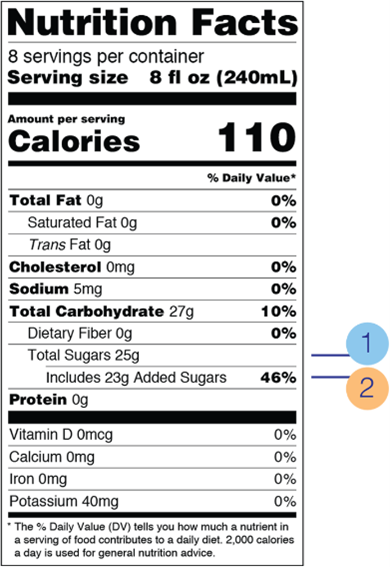 Total sugars are sugars naturally present in many foods and beverages such as fruits and milk. Added sugar is sugar that is added during the processing of foods such as honey, concentrated fruit juices, and desserts.Limiting sugary foods and beverages early can help protect developing teeth.
“We discourage juice before age one and restrict added sugar for children under two,” Lin said. “That means no sweet beverage before age two, and if you do give your child some make sure it is 100 percent fruit juice.”
Parents should also avoid dipping pacifiers into sugar and should not allow children to fall asleep with milk bottles.
“An important thing to know is that babies should not be sleeping with milk,” Lin said. “If your baby needs a bottle to go to sleep, you should only be using water. The sugar in milk sitting on the teeth all night turns into acids, which can erode the enamel.”
Building healthy dental habits for preschoolers (ages 2 to 5)
Brushing twice a day
During the preschool years, brushing twice daily becomes especially important.
“If your child is not used to their dental routine yet and does not want to brush twice a day, be sure to brush at night to clean off what they have eaten throughout the day,” Lin said.
“In this case, bacteria aren’t growing and causing damage to their teeth while they sleep. Once your child accepts this routine, then introduce a second brushing in the morning.”
Children over age 3 can begin using a pea-sized amount of fluoride toothpaste.
Choosing tooth-friendly snacks
Diet plays an important role in preventing cavities.
Lin recommends limiting sugar and restricting snacks to no more than three times per day.
“Choose snacks that don’t remain in the teeth for a while,” she said. “Avoid sticky or starchy foods and opt for calcium-rich foods such as cheese or yogurt. Also, incorporate crunchy fruits and vegetables like apples, carrots, and celery.”
Other healthy snack options include:
- Nuts
- Homemade smoothies with limited sugar
- Avocados
Protecting school-age children's teeth
Supervise brushing and encourage consistency
Parents should continue supervising brushing until children are approximately 7 or 8 years old.
“If your child is struggling to maintain a routine, consult with your dentist to create a personalized plan that suits their lifestyle,” Lin said.
Children who participate in sports should also wear a mouthguard to help prevent dental injuries.
Limit sugary drinks and sports drinks
Lin recommends avoiding carbonated beverages and limiting sports drinks and juice whenever possible.
“If you purchase sports drinks for your child, consider getting a smaller bottle or opting for zero sugar,” she said. “Children will not often finish the whole bottle and instead drink it throughout the day. If the sports drink has sugar in it, they are exposing their teeth to sugar over and over.”
“Sports drinks are for sports practices. Your child should be drinking water the rest of the day.”
The benefits of fluoride and tap water
Drinking water helps support good oral health, especially when it contains fluoride.
“Bottled water has very little fluoride so tap water is a great low-cost way to protect your teeth,” Lin said. “If your community doesn’t have fluoridated water, try toothpaste with fluoride to receive the benefits and talk to your dentist on different ways to keep teeth healthy.”
Fluoride helps strengthen enamel and makes teeth more resistant to decay.
Creating healthy smiles that last a lifetime
Good oral health starts early. Establishing daily brushing habits, providing healthy snacks, encouraging water consumption, and scheduling routine dental visits can help children maintain healthy smiles throughout childhood and beyond.
About the UAB Dentistry Pediatric Dentistry Clinic
Located in the heart of the UAB Medical District in Birmingham, Alabama, UAB Dentistry Pediatric Dentistry provides preventive and comprehensive dental care for infants, children, adolescents, and patients with special health care needs. Services focus on routine care, early intervention, and guidance that supports long-term oral health.
Book an Appointment: (205) 934-4546
Article Attribution
Written by: Kaitlin McKelvy Davis
Medically Reviewed by: Yu-Yin Lin, D.D.S.
More Patient Education
Why Age 7? UAB Dentistry Experts Explain the Importance of Early Orthodontic Visits