University of Alabama at Birmingham (UAB) researchers are advancing cancer prevention and treatment through lifestyle science, molecular targeting, and biomedical engineering.
To mark February as National Cancer Prevention Month, the Harbert Institute is sharing the stories of several UAB innovations aimed specifically at fighting cancer.
Prevention after remission
Wendy Demark-Wahnefried, Ph.D., R.D., Professor in the UAB Department of Nutrition Sciences and the Associate Director of Cancer Prevention and Control at UAB's O'Neal Comprehensive Cancer Center, has worked with her team to create a digital lifestyle management platform designed for cancer survivors.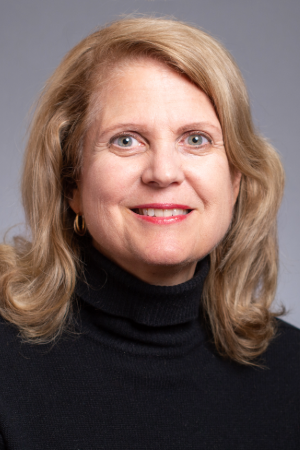 Wendy Demark-Wahnefried, Ph.D.
According to Demark-Wahnefried, prevention does not stop at remission. “Cancer survivors are a vulnerable population,” Demark-Wahnefried said. “Once people have been diagnosed and treated, they’re at risk for a second cancer and a host of other problems such as cardiovascular disease, diabetes, and osteoporosis.”
71 percent of cancer survivors are overweight. With 13 cancers linked to obesity, excess weight can significantly raise the risk of reoccurrence or developing a second cancer, in some cases by 10 to 580 percent.
To address that risk, Demark-Wahnefried and her team developed AMPLIFY (AiM, Plan and act on LIFestYles), a comprehensive web-based lifestyle intervention for survivors.
The program delivers weekly interactive sessions focusing on nutrition, physical activity, and weight management. It includes tailored meal plans, grocery lists, food preparation videos, and strength training guidance. The program is personalized and able to meet users where they are.
Demark-Wahnefried emphasized that survivors are not powerless in their care.
“People can do so much to be partners in their care,” she said. “What you provide your body in the way of food can make it more hostile for a cancer cell to grow, or really permissive for a cancer cell to grow.”
Turning resistance into vulnerability
Benjamin Larimer, Ph.D., Assistant Professor of Radiology at UAB and an Associate Scientist with the O'Neal Comprehensive Cancer Center, is developing a therapy designed to counter tumor resistance.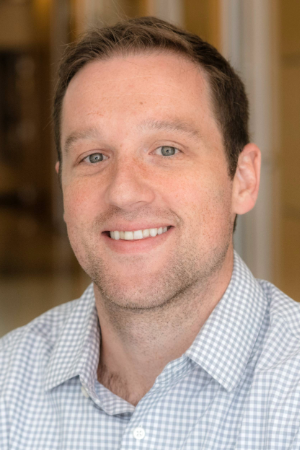 Benjamin Larimer, Ph.D.
Traditional targeted therapies eliminate certain cancer cells but allow others to survive and regrow. Larimer’s approach focuses on calreticulin, a protein that moves to the cell surface when cancer cells die, signaling the immune system.
His team engineered nanobodies that bind to surface calreticulin and deliver therapeutic payloads. As treatment kills tumor cells, more calreticulin is exposed, which creates a cycle that increases the percentage of targetable cells.
“Instead of selecting resistant cells, you’re making the whole tumor more vulnerable,” Larimer said. “What excited me is that this is a fundamentally different way of thinking about targeted therapy. We're designing a system that adapts to the tumor as treatment proceeds, and actually gets better over time instead of worse.”
Engineering precision in tumor ablation
S. Abdollah Mirbozorgi, Ph.D., Associate Professor of Electrical and Computer Engineering at UAB, is focused on improving how tumors are physically destroyed.
Thermal ablation destroys tumors by heating them. But heat spreads symmetrically, while tumors are often irregularly shaped. This can cause damage to surrounding healthy tissue, or incomplete destruction of the tumor.
“When you generate heat, you don’t have control of that penetration,” Mirbozorgi said.
His approach uses alternating cycles of heating and cooling to limit how far thermal energy spreads. By rapidly reversing electrical current, the system can pull energy back before it extends beyond the tumor boundary. The speed of those alternating cycles determines how far the treatment reaches.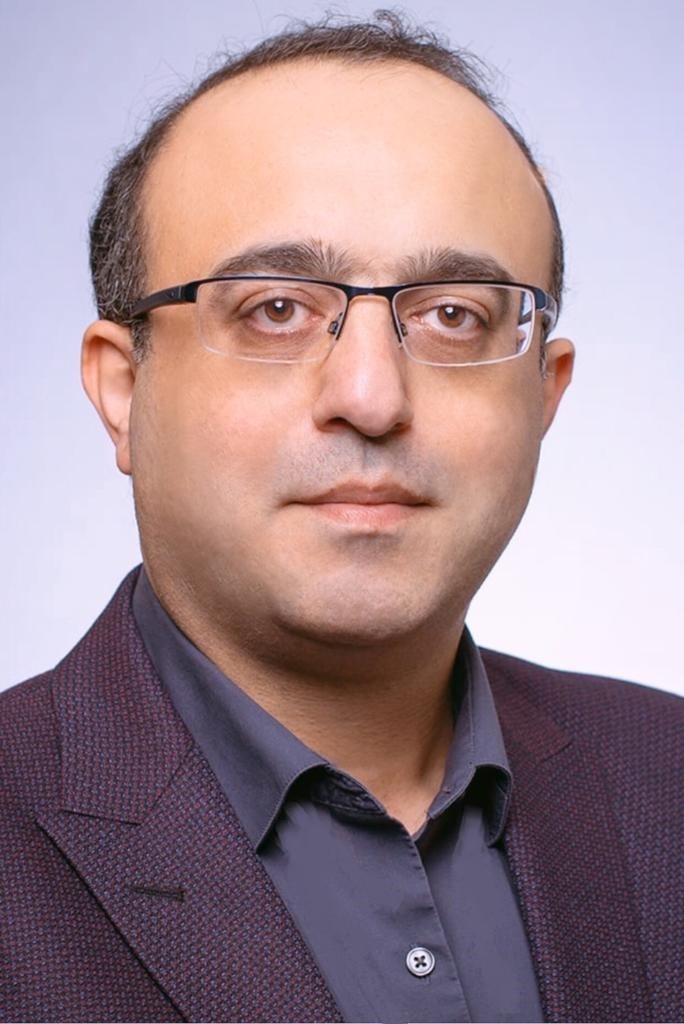 S. Abdollah Mirbozorgi, Ph.D.
In addition, ultrasound beam-forming technology allows the teams to steer thermal energy toward specific regions of the tumor. An ultra-wideband sensing antenna provides real-time feedback by detecting changes in tissue properties during treatment.
Together, these components create a closed-loop precision ablation system designed to better protect healthy tissue, a critical need in areas like the brain, where even small amounts of collateral damage can affect speech, vision, or mobility.
“We hope this device can increase precision and increase survival,” Mirbozorgi said.
A broader view of prevention
From empowering survivors with lifestyle tools, to designing therapies that grow stronger with each cycle, to engineering devices that narrow the margins of tumor destruction, UAB researchers are redefining what prevention and treatment can mean.
To learn more about each invention, contact the researchers at
-- Feb. 26, 2026