Sepsis can cause widespread damage to blood vessels that, if not corrected quickly, can lead to organ injury and death. At the University of Alabama at Birmingham (UAB), researchers are working to understand why vascular damage can persist even after an infection has been resolved, with the goal of developing better ways to identify and treat patients at risk for lasting complications.
Robert Richter, M.D., Associate Professor in the Division of Pediatric Critical Care Medicine at UAB and the PICU ECMO Medical Director at Children’s of Alabama, leads a laboratory studying how sepsis damages endothelial cells, which line blood vessels, and why those cells may not fully recover after sepsis.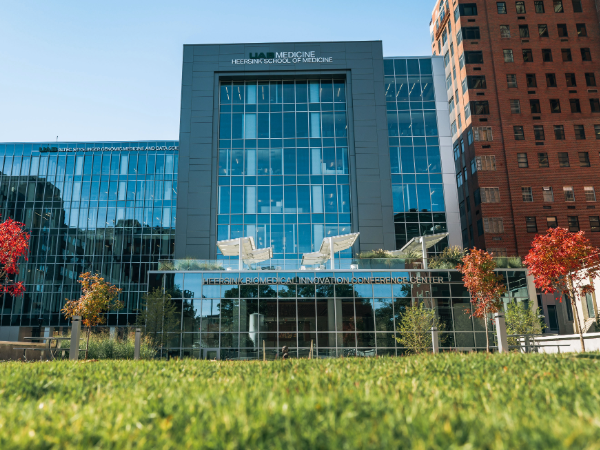 UAB Heersink School of Medicine.
Richter’s team is particularly interested in the glycocalyx, a gel-like protective layer that covers endothelial cells. During sepsis, damage to the glycocalyx can disrupt normal blood vessel function and may contribute to impaired vascular recovery following the infection.
“By identifying the processes that drive blood vessel injury and prevent endothelial cell recovery, we hope to discover new biomarkers that identify patients at risk for persistent organ dysfunction and new therapies that restore normal function of blood vessels during and following sepsis,” Richter said.
One of the team’s most promising findings involves extracellular vesicles, tiny particles that circulate in the blood. Richter’s team found that these vesicles carry active enzymes capable of damaging the protective surface of blood vessels. The finding suggests a previously unrecognized mechanism through which sepsis may contribute to widespread vascular injury throughout the body.
Richter’s interest in this research grew from his experience caring for critically ill children.
“As a physician caring for critically ill children, I have seen how dramatically sepsis can affect patients and families and how few treatments we have that directly address the underlying biology,” Richter said. “That experience motivated me to study mechanisms of vascular injury that could ultimately be translated into better treatments and recovery.”
As World Sepsis Day in September highlights the global impact of sepsis, Richter hopes research will help move sepsis care toward a more personalized approach.
“I hope we move beyond treating sepsis as a single disease and develop ways to identify the biological processes driving illness in individual patients,” Richter said. “Ultimately, this could allow us to pair earlier diagnosis and better risk assessment with targeted therapies that could not only improve survival but also promote recovery after sepsis.”
To learn more, contact the researcher
-- Sept. 15, 2026