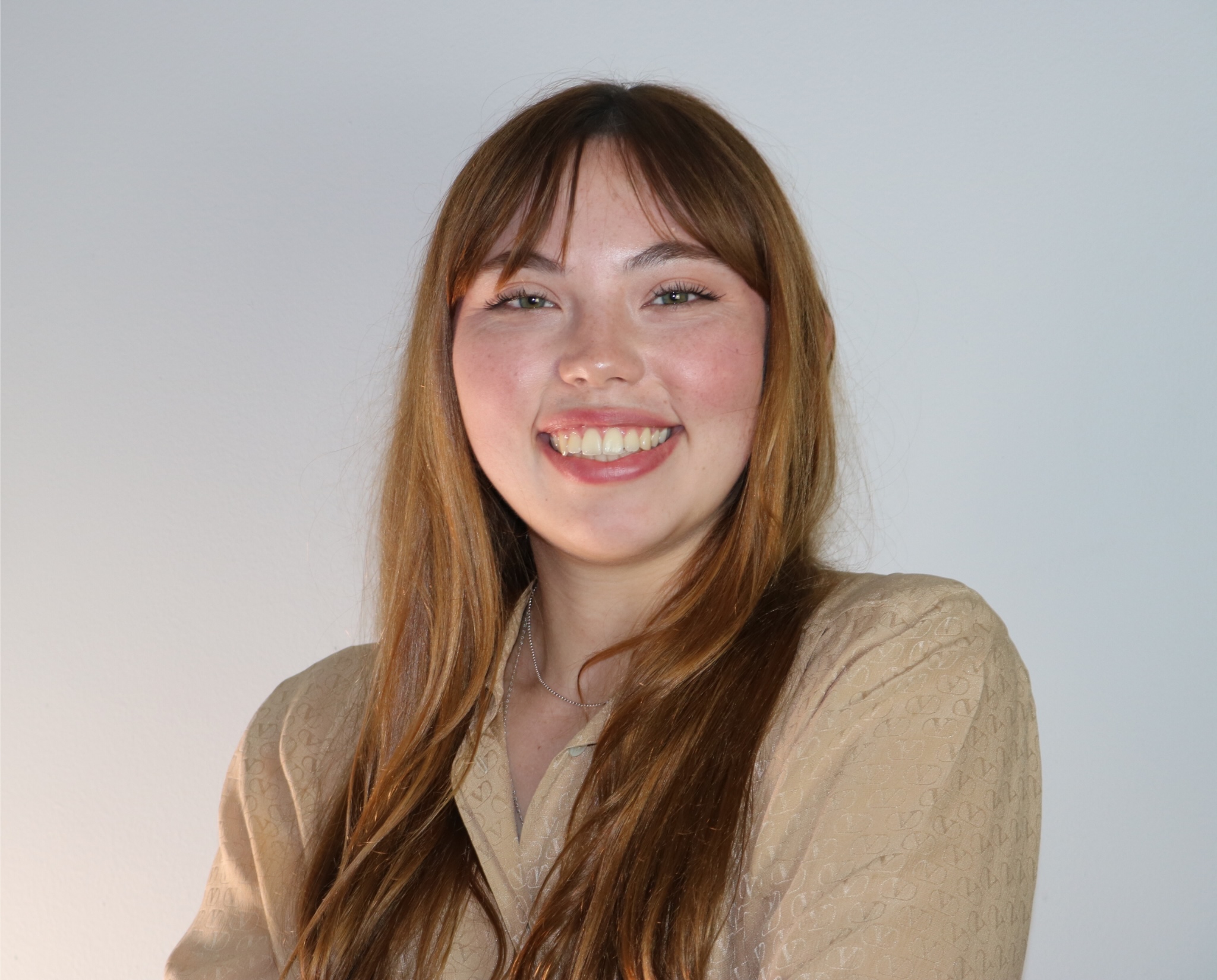
 As a public health major nearing graduation, Lily Wachtel has spent her final semesters at the University of Alabama at Birmingham, not only studying community health challenges but actively working to address them.
The New Orleans native will graduate this December and recently wrapped up her Gulf Scholars impact project in partnership with Live HealthSmart Alabama, a transformational movement to decrease chronic disease and eliminate barriers to making good health simple.
“I think the stars just aligned,” Wachtel said. “I realized this is what I’m meant to do.”
That calling came to life through the UAB Gulf Scholars Program, managed by the UAB School of Public Health. The Gulf Scholars Program is a regional initiative that connects with Gulf South region colleges and universities to prepare students across disciplines to become future leaders in the area. The program focuses on community health and resilience, environmental protection and stewardship, and offshore energy safety. Each student in the program completes an “impact project” in partnership with a faculty mentor and a community-based organization.
For Wachtel, that organization was Live HealthSmart Alabama, the winner of the inaugural University of Alabama at Birmingham Grand Challenge.
According to America’s Health Rankings, Alabama ranks among the lowest in the country, with 67% of residents living with a chronic disease. Live HealthSmart Alabama works to improve the health of Alabamians by addressing key areas of prevention and wellness, physical activity, education, and good nutrition – including food access. Their approach is comprehensive and community-centered, offering services like mobile health screenings, educational resources, and the Mobile Market.
The Mobile Market, one of the organization’s most visible services, brings affordable, fresh, and nutritious food options directly to residents in order to reduce barriers like transportation. Wachtel worked with the Mobile Market to specifically target UAB students—one of the program’s communities—an often-overlooked group when it comes to food insecurity despite being statistically at high risk.
“I read some pretty scary numbers about college students and food insecurity, particularly students at UAB,” she said. “I’ve even experienced some of that myself. Many students don’t even realize how close they are to needing help, and there’s often stigma around using resources that address food access.”
Wachtel’s concern is backed by data from a 2023 UAB-led study, which found that nearly 45% of college students reported experiencing food insecurity, often alongside higher stress and poorer health outcomes. A 2018 campus-specific survey found the rate at UAB to be around 36%.
With support from the Live HealthSmart Alabama team, Wachtel set up near the on-campus Mobile Market stop, armed with flyers and a mission to connect.
“I wanted to meet students where they were,” she said. “Being physically present in the space while having these conversations made all the difference. You can’t miss the resource when someone points and says, ‘Here, this is for you.’ That visual element really helped people connect the dots.”
The result? Immediate impact. Wachtel met students who didn’t know the Mobile Market existed and watched some head straight there after their conversation. Others shared the resource with friends on the spot.
“The quick response helped me realize I was building true awareness around food insecurity and helping to change how people think about food access through resources like Live HealthSmart,” Wachtel said.
“They were incredible to work with,” Wachtel said. “When I came to them with my idea of addressing food insecurity for my project, they helped me shape it into something tangible and impactful.”
“Lily’s insights around the stigma of student food insecurity were incredibly valuable to our team,” said Anrika Steen, a Program Manager at Live HealthSmart Alabama who worked with Wachtel. “Her work strengthened our outreach on UAB’s campus and will continue to support our engagement strategies moving forward.”
As one of only a few public health students in the Gulf Scholars Program, Wachtel brought a unique perspective to the table. At the program’s annual conference in Mobile, she connected with students from across the Gulf South and presented alongside peers working in fields like engineering, business, and marine science.
“The conference showcased projects on everything from mosquitoes to ghost crabs,” she said. “It made me even more excited to represent public health on a larger stage.”
Looking ahead, Wachtel plans to pursue a Master of Public Health after graduating in December. While her next steps are still taking shape, she’s certain of one thing: she’s committed to making health more accessible—and more equitable—across the Gulf South.
“Food insecurity isn’t just about hunger. It’s tied to chronic disease, mental health, and so much more,” she said. “Addressing it is fundamental to public health.”
Thanks to the UAB Gulf Scholars Program and Live HealthSmart Alabama, Wachtel isn’t just preparing for a future in public health – she’s already making a difference.