





Explore UAB

Alzheimer's Disease Center

Driven to overcome Alzheimer's disease and related disorders

Our mission is to overcome Alzheimer's disease and related disorders by conducting, fostering, and enabling research at UAB and through national collaborations, by providing the highest level of care to patients and families, and to educate about aging, dementia, and brain health.

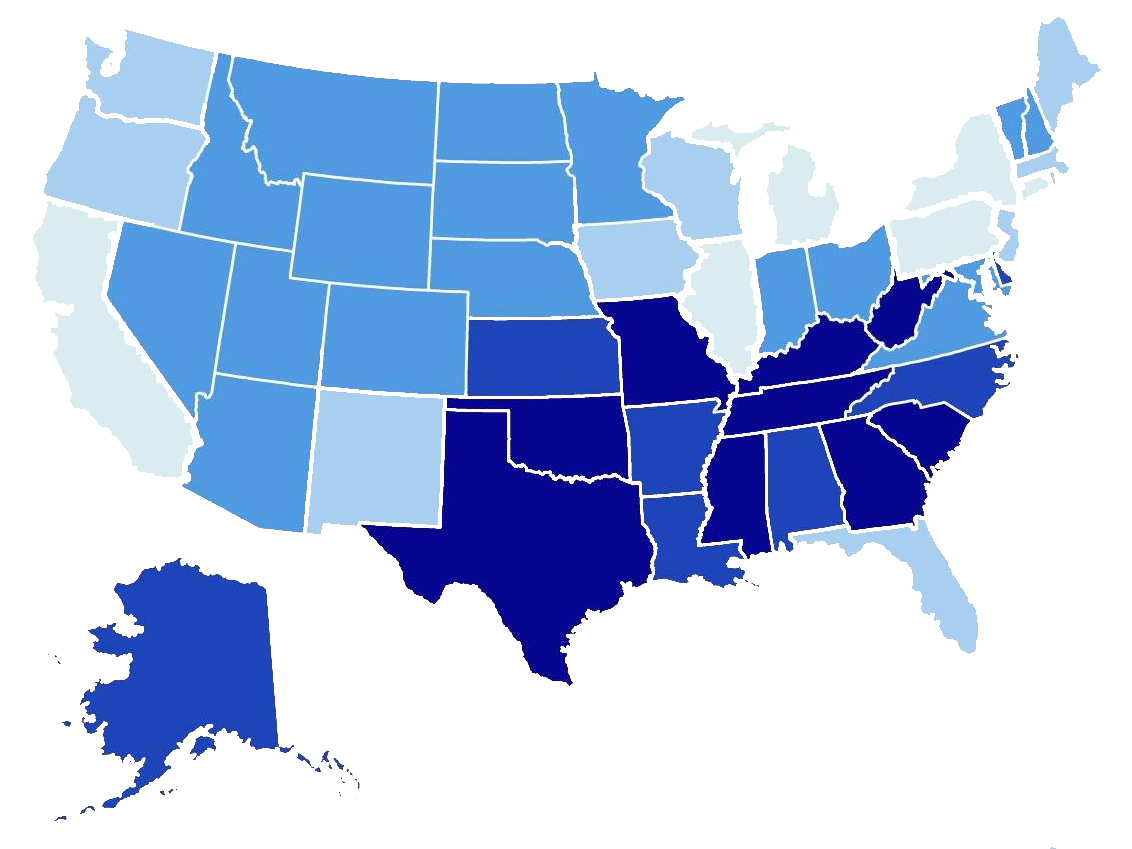
Lowering the rates of Alzheimer's in the Deep South.

Our research focuses on lowering the high rates of Alzheimer’s disease in the Deep South. Alzheimer’s is a serious problem across the country, and by studying how it affects people in our region, we can find ways to help everyone impacted by the disease. [...]

Research

We are training the next generation of clinicians and researchers

We are committed to educating those who are engaged in investigating Alzheimer’s disease and dementia research at the basic science, translational, or clinical level through mentored training, learning opportunities, and exposure to contemporary research methods.

Education

Our clinical team provides world-class expertise and state-of-the-art care

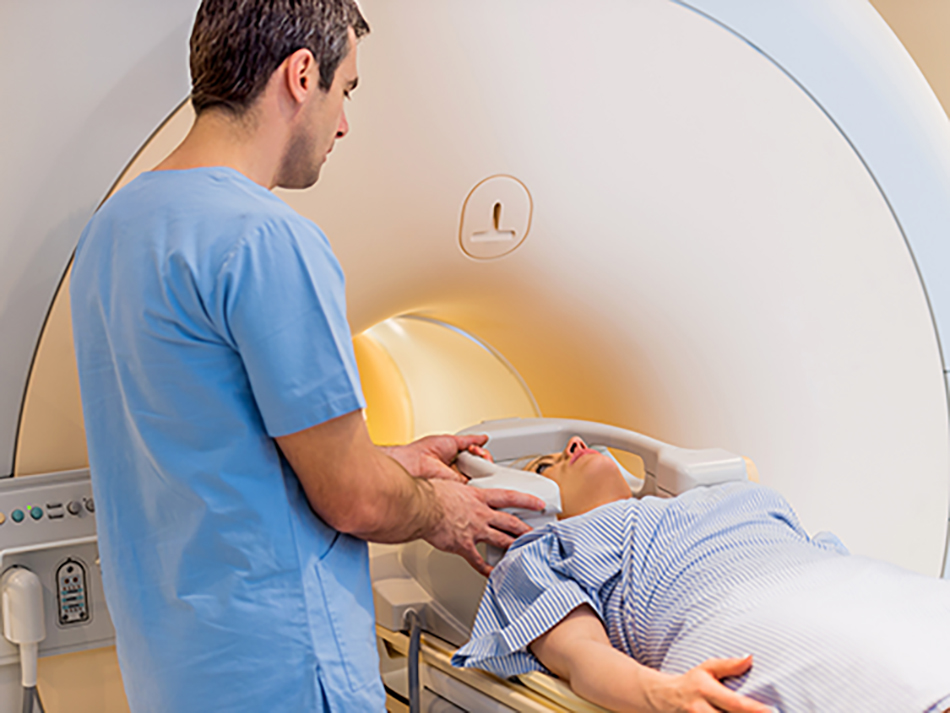
Providing care for neurological disorders for more than 26,000 patients annually. Patients have access to a comprehensive range of modern diagnostic services, including neuroimaging, electro diagnostic studies, neuropsychological evaluations, and neurogenetics studies.

Patient Care
david geldmacherThe Hugh Kaul Personalized Medicine Institute recently awarded two collaborative pilot implementation projects to advance precision medicine at UAB.


David Geldmacher, M.D., professor in the Department of Neurology, will lead a project focused on using patient-specific genetic information to select medications to help attenuate behavioral and psychiatric symptoms in patients with dementia. Warner Huh, M.D., director of the Division of Gynecologic Oncology, and Rebecca Arend M.D., assistant professor in the Department of Obstetrics and Gynecology, will conduct molecular profiling on patients with recurrent ovarian cancer which may enable selection of more targeted treatment against the deadliest gynecologic cancer.