The Immunology research group in the Division of Infectious Diseases brings together internationally recognized laboratory and clinical investigators who study how the immune system controls—and is shaped by—infection, and who translate those discoveries into vaccines and immune-based therapies for the diseases that matter most to our patients and our world.
Research Focus
Anchored by the NIH-funded UAB Center for AIDS Research (CFAR), the Alabama Vaccine Research Clinic, and the Dewberry 1917 Clinic, our faculty pursue a deeply collaborative program in human translational immunology—spanning T cell biology, B cell and antibody discovery, and mucosal immunity. While HIV remains a central focus, our expertise extends across SARS-CoV-2 and other coronaviruses, HPV-associated cancers, influenza, cytomegalovirus, and Chlamydia. Together, the group applies advanced methodologies and conducts clinical vaccine and treatment trials—to turn immunologic insight into protection.
Our research seeks to define the immune correlates of protection against infectious diseases and to use that knowledge to design better vaccines and immunotherapies. Investigators in the group dissect the quality and durability of cellular immune responses—identifying the CD8 and CD4 T cells, including responses to non-traditional and “adapted” epitopes, that distinguish effective from ineffective immune control. Others define the humoral immune response, developing and engineering human monoclonal antibodies, including broadly neutralizing antibodies, against HIV, coronaviruses, and influenza.
A distinctive strength of the group is its focus on the immune response where infection actually occurs—at mucosal surfaces such as the female genital tract and in breast milk—and on the chronic inflammation and immune dysregulation that drive disease in HIV and in post-acute infection syndromes such as long COVID. This laboratory science is tightly coupled to clinical investigation: our faculty lead and contribute to first-in-human and advanced-phase trials, studies of early antiretroviral therapy to limit the HIV reservoir, and trials of immune-based and antibody therapeutics. The result is a translational pipeline that moves discoveries from bench to bedside and back again.
Research Sites
Immunology research in the Division is carried out across a network of dedicated campus laboratories and clinical research facilities. Faculty laboratories housed within the Division and the UAB Heersink School of Medicine are equipped for advanced cellular and molecular immunology. These laboratories enable the group’s signature approaches in T cell, B cell, antibody, and mucosal immunology, and support specimen-intensive studies drawn from clinical cohorts and trials.
Alabama Vaccine Research Clinic (AVRC)
Founded in 1994, the Alabama Vaccine Research Clinic (AVRC) serves as the Division of Infectious Diseases’ center for clinical vaccine research and is the local site for the National Institutes of Health (NIH)-funded HIV Vaccine Trials Network (HVTN). In partnership with community members and collaborators, AVRC investigators conduct early-phase, first-in-human, and advanced clinical trials evaluating vaccines for HIV and other infectious diseases of regional and global significance, including viral hepatitis, influenza, anthrax, smallpox, and varicella. The clinic provides a bridge between laboratory discovery and vaccine development, translating immunologic insights into clinical investigation. Through its clinical trial infrastructure, AVRC supports the collection of high-quality clinical data and well-characterized biological specimens that advance understanding of vaccine-induced immune responses, including both cellular and antibody-mediated immunity. This integrated approach enables AVRC to contribute to the development of safe and effective vaccines while advancing the science of human immunology and infectious disease prevention.
The Dewberry 1917 Clinic
The 1917 Clinic is the largest HIV clinic in Alabama and one of the country’s leading HIV clinics, providing compassionate, comprehensive care for thousands of people living with HIV. Beyond its clinical mission, the 1917 Clinic is a cornerstone of the Division’s research enterprise: its richly characterized patient cohort and integrated research infrastructure support studies of HIV immunopathogenesis, acute HIV infection and early treatment, the latent viral reservoir, therapeutic vaccination, and HIV-associated comorbidities. The partnership between clinic and laboratory allows immunologic questions to be addressed in the populations our research aims to serve.
Key Faculty
Anju Bansal, PhD
 Dr. Anju Bansal leads a research program in T-cell immunology focused on understanding how human leukocyte antigen (HLA) genetics shape CD8⁺ and CD4⁺ T-cell recognition of human pathogens. Her laboratory investigates the role of T cell–mediated immunity in the contexts of infectious diseases, vaccination, and cancer, with a particular emphasis on both classical and non-classical HLA class I–restricted immune responses.
A major goal of her research is to define the correlates of protective T-cell immunity against human viral and bacterial pathogens to inform rational vaccine design. To this end, her group has studied T-cell responses and disease pathogenesis in viral infections, including HIV and SARS-CoV-2, as well as bacterial infections such as Chlamydia and Treponema. Her work has also evaluated T-cell immunity elicited by candidate and licensed vaccines, providing important insights into vaccine efficacy and immune protection.
Another key area of investigation examines how viral coinfections alter T-cell function in people with HIV (PWH) and contribute to cancer development. Her group studies HPV-associated malignancies, including anal and oropharyngeal cancer (OPC), with a particular focus on HPV-driven OPC in PWH. Using integrated viral and host multi-omic approaches, her laboratory seeks to identify mechanisms underlying disease progression and cancer recurrence.
The Bansal laboratory employs a broad range of immunologic, virologic and molecular techniques, including HLA multimer staining, multiplex proteomics, T cell cloning, T-cell receptor repertoire analysis, ELISpot, multiparameter flow cytometry, spatial and single cell based multi-omic assays, molecular biology and organoid generation.
Nathan Erdmann, MD, PhD
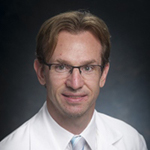
Paul Goepfert, MD
 Dr. Goepfert directs the Alabama Vaccine Research Clinic and leads a translational research program focused on understanding the immune mechanisms that control HIV infection. His laboratory studies HIV-specific CD4 and CD8 T-cell responses and has contributed to key discoveries regarding immune dysfunction, viral suppression, and vaccine-induced immunity. As an investigator in the HIV Vaccine Trials Network (HVTN), he leads first-in-human and advanced-phase clinical trials of preventive HIV vaccines and other vaccines targeting infectious diseases of global importance. By bridging basic immunology and clinical research, Dr. Goepfert’s work aims to identify immune correlates of protection and apply these discoveries to the development of effective HIV vaccines.
Sonya Heath, MD

Dr. Heath investigates the mechanisms of HIV immunopathogenesis and the antiviral T and B cell responses that shape the course of infection. A central theme is acute HIV infection and the use of early antiretroviral therapy to limit the latent viral reservoir, together with therapeutic vaccination strategies aimed at preserving immune function. Her research also addresses the comorbidities that increasingly affect people with HIV, including metabolic dysfunction-associated steatotic liver disease and fibrosis, cardiovascular and metabolic risk, and viral hepatitis co-infection. She carries out this work as an investigator within UAB’s HIV clinical research networks.
James Kobie, PhD
 Dr. Kobie is a translational B cell immunologist whose laboratory works to harness and tune B cell and antibody responses for protection against viral pathogens, with a primary focus on HIV and influenza. His group studies both systemic and mucosal humoral immunity to infection and vaccination across humans and animal models, using single B cell methodologies, immunoglobulin repertoire analysis, and antibody and protein engineering to define what makes an antibody response protective. This work has produced a portfolio of human monoclonal antibodies with antiviral therapeutic activity including several of which have been patented and licensed for clinical development. A distinctive theme of his program is understanding and improving B cell responses in populations at heightened risk of poor immune outcomes, particularly people affected by substance use. He investigates how injection drug use reprograms B cell function and weakens vaccine responses, and he leads a NIDA-funded clinical trial testing whether metformin can reduce chronic inflammation and restore protective antibody responses in people with a history of injection drug use, with and without HIV. He serves as a protocol chair on multiple HIV Vaccine Trials Network trials of broadly neutralizing antibody-lineage vaccines.
Steffanie Sabbaj, PhD
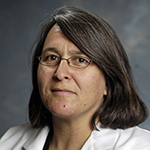 Dr. Sabbaj studies the role of T cells in the protection, pathogenesis, and transmission of human pathogens at mucosal surfaces, with particular focus on the female genital tract and breast milk. Working across HIV-1, human cytomegalovirus, Chlamydia trachomatis, and SARS-CoV-2, she characterizes the tissue-resident and effector-memory CD8 T cells that mediate local protection—showing, for example, how CD8 T cells in breast milk contribute to protection against cytomegalovirus transmission and how Chlamydia-specific CD8 T cells associate with reduced bacterial burden. Her laboratory uses polychromatic, polyfunctional flow cytometry, tissue-resident memory phenotyping, and human in vitro models of vaccine-induced immunity to understand how mucosal immunity differs from systemic immunity in ways that matter for vaccine design.
Any questions? I'd be happy to help.
I'd be delighted to talk with you about the Immunology Research at UAB. Contact me for more details.
James Kobie, PhD, Lead Faculty Contact
Send an Email