The UAB Marnix E. Heersink School of Medicine is proud to announce the winners of the 2026 Dean's Excellence Awards for Faculty, recognizing exceptional faculty members who have demonstrated excellence in teaching, research, service, access and engagement, and mentorship.
The awards honor junior and senior faculty members whose work advances the school’s mission and reflects a strong commitment to excellence in academic medicine.
A reception was held on Tuesday, May 12, to celebrate this year’s Dean’s Excellence Awards for Faculty winners, as well as the recipient of the 2026 Will Ferniany Academic Leadership Award.
“Our greatest resource is our people, and this ceremony is one meaningful way we celebrate our outstanding faculty for the talent, skill, and dedication they share with our community,” said Anupam Agarwal, M.D., dean of the Heersink School of Medicine, as he opened the event. “People like those we honor today are the foundation of the excellence of the Heersink School of Medicine and UAB Medicine. They inspire others both directly through their leadership and mentorship and indirectly through their actions and example.”
Congratulations to the 17 honorees of the 2026 Dean’s Excellence Awards for Faculty. Thank you for your contributions to Heersink and the UAB community.
Mentoring
Senior Faculty
Rachel Sinkey, M.D., Associate Professor, Department of Obstetrics and Gynecology
Junior Faculty
David LaFon, M.D., Assistant Professor, Department of Medicine
Service
Senior Faculty
Elizabeth Worthey, Ph.D., Associate Professor, Department of Genetics
Barbara Van Der Pol, Ph.D., Professor, Department of Medicine
Junior Faculty
Matthew Clark, M.D., Assistant Professor, Department of Pediatrics
Rachel Skains, M.D., Assistant Professor, Department of Emergency Medicine
Regional Service
Shivani Malhotra, M.D., Associate Professor, Huntsville Regional Campus
Research
Senior Faculty
Cynthia Owsley, Ph.D., Professor, Department of Ophthalmology and Visual Sciences
Ronald Lazar, Ph.D., Professor, Department of Neurology
Junior Faculty
Jerry Wang, Ph.D., Assistant Professor, Department of Biochemistry and Molecular Genetics
Kirstie Cummings, Ph.D., Assistant Professor, Department of Neurobiology
Teaching
Senior Faculty
Inga Kadisha, Ph.D., Associate Professor, Department of Cellular, Developmental and Integrative Biology
Ashita Tolwani, M.D., Professor, Department of Medicine
Junior Faculty
Winn Seay, M.D., Assistant Professor, Department of Medicine
Jonathan Kalehoff, M.D., Assistant Professor, Department of Medicine
Access and Engagement
Senior Faculty
Ronit Elk, Ph.D., Professor, Department of Medicine
Junior Faculty
Mohammad Zain Hashmi, M.D., Assistant Professor, Department of Surgery
About the winners
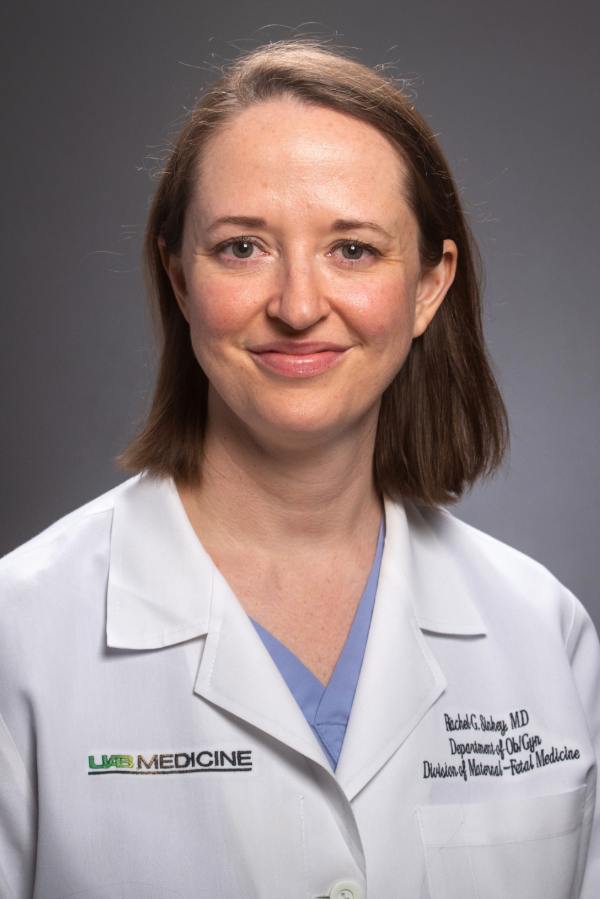
Associate Professor, Department of Obstetrics and Gynecology
Nominators say Sinkey’s influence extends across all levels of training and disciplines. Her mentees include medical students, obstetrics and gynecology and internal medicine residents at UAB and other institutions, maternal-fetal medicine and cardiology fellows, doctoral students from the UAB School of Public Health, postdoctoral scholars, and early-career faculty. Since joining faculty in 2017, she has mentored approximately 40 trainees, including service on six dissertation committees and primary mentorship for three postdoctoral scholars.
These efforts have resulted in 29 national presentations, one international presentation, and 20 peer-reviewed publications with trainees as presenters and/or first authors. The breadth of her mentoring reach and measurable impact reflects sustained excellence in developing the next generation of academic leaders.
According to her colleagues, Sinkey’s mentorship is widely recognized within and beyond Heersink. Her reputation as an exceptional mentor is well established; when trainees or junior faculty seek research mentorship, senior leaders within her division routinely refer them directly to Sinkey. This institutional trust reflects her proven ability to cultivate talent, foster scholarly productivity, and accelerate career development.
“The department and I are incredibly proud of Dr. Sinkey and her deep commitment to mentorship, particularly in the area of research,” said Warner Huh, M.D., chair of the Department of Obstetrics and Gynecology. “I am thrilled that she is making a significant impact on the development of the next generation of women’s health researchers, particularly in the obstetrical and maternity space.”
Sinkey attended Asbury University in Wilmore, Kentucky, for her undergraduate studies and the University of Kentucky for her medical degree. She pursued obstetrics and gynecology training at TriHealth/Good Samaritan in Cincinnati, Ohio. She subsequently pursued sub-specialty training in maternal-fetal medicine at the University of South Florida. Her interests include cardiovascular, lung, and blood diseases in pregnancy and the postpartum period.
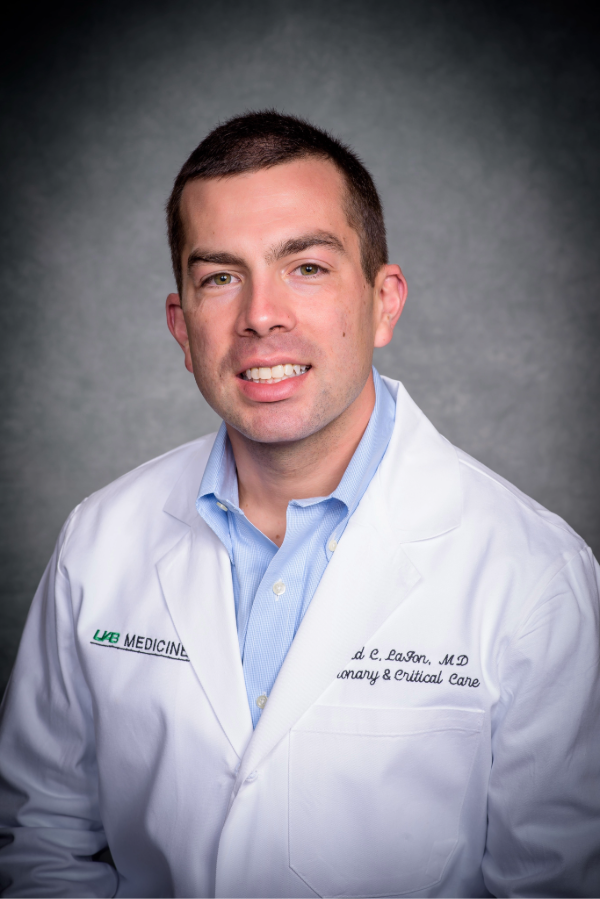
Assistant Professor, Department of Medicine
Since joining the UAB faculty in 2021, LaFon has made a wide-ranging impact, mentoring medical students, residents, fellows, and early-career faculty across disciplines.
LaFon’s commitment to mentorship is grounded in his strengths as an educator. He serves as a long-standing small group facilitator for first year medical students during the pulmonary module, fostering clinical reasoning, teamwork, and professional development. He is also a certified instructor with the UAB Office of Interprofessional Simulation, where he teaches central venous line insertion to residents and fellows with an emphasis on technical mastery and patient safety.
He contributes to the Pulmonary and Critical Care Fellowship Research Training Curriculum, providing hands-on mentoring in research design, analysis, and dissemination. LaFon serves as T32 curriculum director and pulmonary T32 fellowship program preceptor, helping develop a structured training framework that prepares fellows for independent investigative careers. He is also a co-founder of the Department of Medicine Early Career Physician-Scientist Pathway.
In 2025, resident evaluations ranked LaFon among the Department of Medicine’s top clinician-educators, earning him a Teaching Excellence Award.
LaFon’s service extends institutionally and nationally through committee leadership and active involvement in professional societies. Collectively, these efforts represent only a portion of his mentoring work, which spans education, research, and career development.
The success of his mentees includes faculty appointments, fellowship matches, publications, and national awards.
“David LaFon embodies the spirit of the UAB Dean’s Excellence Award for Mentoring,” said Tracy Luckhardt, M.D., interim director of the Division of Pulmonary, Allergy and Critical Care Medicine. “His mentorship is sustained, impactful, and deeply aligned with UAB’s mission.”

Associate Professor, Department of Genetics
“Dr. Worthey has had an exemplary impact on UAB through the many team-first service activities that she has contributed to: the bioinformatics core service, the large multi-PI projects like the Undiagnosed Diseases Network and Center for Precision Animal Modeling, and the very successful leadership of the Genomics-Genetics and Bioinformatics theme (GGB) of the GBS Ph.D. program,” said Anindya Dutta, MBBS, Ph.D., chair of the Department of Genetics and O’Neal Sokol BCRFA Endowed Chair.
Nominators say Worthey has established herself as one of the most consequential service-oriented faculty members at the Heersink School of Medicine. She simultaneously serves as director of the Center for Computational Genomics and Data Science, co-director of the UAB Biological Data Sciences Core, director of Bioinformatics for the O’Neal Comprehensive Cancer Center Bioinformatics Shared Resource, co-director of the GGB theme in the Graduate Biomedical Sciences program, associate director of the Hugh Kaul Precision Medicine Institute, and a PI of the NIH-funded Center for Precision Animal Modeling. Her colleagues explain that the breadth, impact, and sustained excellence of her service contributions—locally, nationally, and internationally—are extraordinary.
Worthey has served on more than a dozen institutional committees spanning faculty governance, tenure and promotion, education, faculty mentoring, student health, graduate admissions, infrastructure strategy, compensation, leadership search committees, strategic planning, and program development.
Similarly, Worthey has participated in nearly two dozen major scientific reviews and advisory panels since coming to UAB. These include multiple NIH study sections, NIH invited workshops and seminars, NASA Space Biology review panels (including as panel chair), United Kingdom National Institute for Health and Care Research study sections, Canadian Institutes of Health Research study sections, and EU European Commission funding reviews. She has also served on scientific advisory boards, including the Jackson Laboratories MMRRC, AbbVie, Intermountain Health, and Utrecht University.
Currently, she serves as an assistant editor for BMC Bioinformatics. Her participation in national genomic sequencing standardization efforts such as those from the Clinical and Laboratory Standards Institute, CDC, CAP, and NHGRI has influenced research standards and clinical genomic diagnostics best practices across the U.S. and beyond.
Nominators say Worthey’s most transformative service contribution has been her support of numerous team science efforts, including multiple U01, U54, P30, R01, and ARPA-H initiatives, contributing to 36 peer-reviewed publications and 12 externally funded grants since her arrival in 2019.
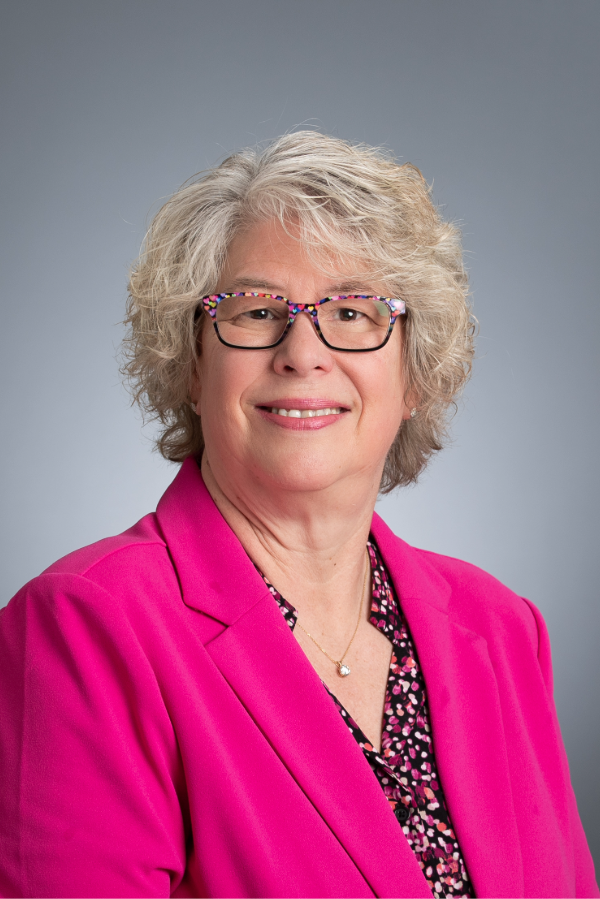 Barbara “Bobbie” Van Der Pol, Ph.D.
Professor, Department of Medicine
Van Der Pol holds the Endowed Professorship in Reproductive Health Research, and her record of service spans more than four decades at the institutional, national, and global levels. Known for her willingness to support critical initiatives at UAB, she holds appointments in both the Department of Medicine and the School of Public Health.
She serves as director of the Infectious Diseases STD Laboratory, where her work focuses on developing and implementing innovative diagnostic tools to improve sexual health outcomes. Van Der Pol also directs the Infectious Diseases STD Clinical Research Organization, supporting UAB investigators in advancing sexually transmitted infection research to strengthen patient care and public health impact.
Her additional roles include associate scientist in the Center for Women’s Reproductive Health, scholar at the Sparkman Center for Global Health, and affiliated faculty member at the Kinsey Institute. Within UAB, she has provided extensive leadership, previously serving as chair of the Department of Medicine Research Development Group, vice chair of the Scientific Review Committee, and a member of multiple research, mentorship, and strategic planning committees focused on faculty development and trainee success.
Beyond UAB, Van Der Pol has led efforts in technology transfer, capacity building, and quality improvement in sub-Saharan Africa and the Caribbean. She is a past president of the International Society for STD Research and has held executive leadership roles in multiple international professional organizations.
Van Der Pol has also made significant contributions through editorial service, national and international scientific leadership, and mentorship of graduate students, trainees, and early-career faculty.
“Dr. Van Der Pol’s history of service to UAB, professional organizations, and the global scientific community, reflects an extraordinary commitment to advancing research, education and public health,” said Martin Rodriguez, M.D., director of the Division of Infectious Diseases.
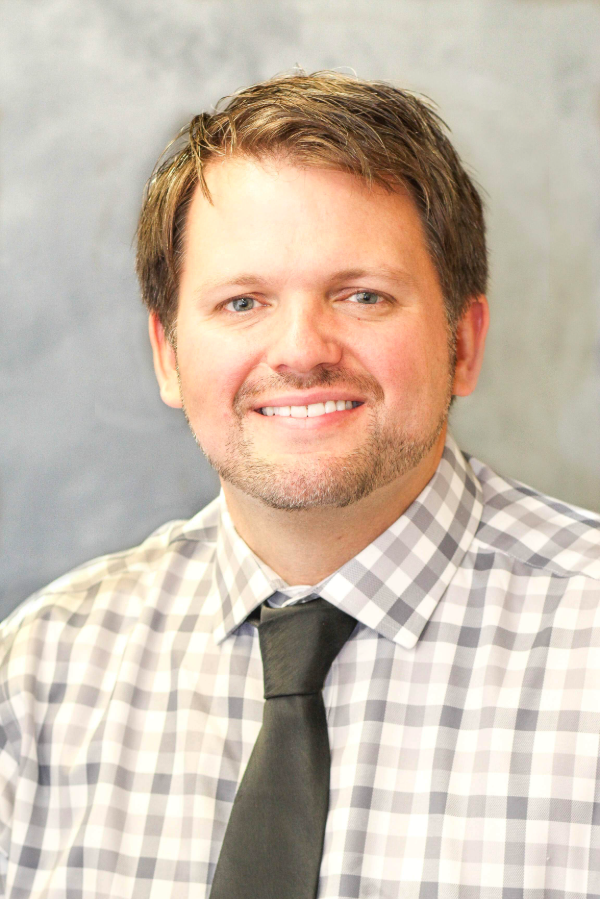
Assistant Professor, Department of Pediatrics
Since joining Children’s of Alabama and UAB in 2019, Clark has emerged as a respected clinician-leader committed to advancing patient-centered care for children with congenital and acquired heart disease. He serves as associate medical director of the Cardiovascular Intensive Care Unit and medical director of the Cardiac Care Unit, where he oversees critically ill pediatric patients requiring advanced therapies, including extracorporeal membrane oxygenation (ECMO), ventricular assist devices (VADs), and complex cardiac management.
Clark has played a pivotal role in strengthening the Heart Center’s capacity and efficiency. He led the transformation of eight Cardiac Care Unit beds into high-acuity “flex” beds capable of delivering ICU-level care, improving patient throughput, reducing delays in urgent interventions and optimizing resources.
Recognizing a gap in regional care, Clark also founded the Pediatric Pulmonary Hypertension Program, which has developed into a referral center providing evidence-based therapies and coordinated multidisciplinary care. Under his leadership, the program has expanded access to specialized treatments and improved continuity of care.
In parallel with his clinical and programmatic leadership, Clark has driven quality improvement initiatives across the Heart Center. He has implemented multidisciplinary rounding processes, standardized care pathways, and simulation-based team training programs that have enhanced patient safety, communication, and clinical outcomes. His work extends beyond UAB through participation in national collaboratives and advisory efforts that shape best practices in pediatric cardiovascular care.
“Dr. Clark embodies outstanding service and leadership,” said Mark Law, M.D., division director for the Division of Pediatric Cardiology. “His efforts to advance access, safety, and clinical outcomes for children have left a meaningful impact on our institution and the patients and families we serve.”

Assistant Professor, Department of Emergency Medicine
Since joining Heersink faculty in 2022, following her emergency medicine residency and research fellowship training at UAB, Skains has demonstrated exceptional leadership in improving emergency care for older adults by bringing together clinicians, educators, and health systems to create more age-friendly care environments.
Skains serves as the Emergency Department physician champion for Geriatric Emergency Department Accreditation at both UAB and the Birmingham VA Medical Center. She has helped lead interdisciplinary teams to achieve American College of Emergency Physicians (ACEP) Level 1 (Gold) accreditation at UAB Highlands, the Southeast's first Level 1 Geriatric Emergency Department, and Level 3 accreditation at the VA. Her work has strengthened age‑friendly emergency care infrastructure, including the introduction of standardized delirium screening, geriatric‑specific clinical protocols, and medication safety monitoring systems.
In addition to her leadership in accreditation, Skains has also expanded education and training in geriatric emergency medicine through the establishment of a faculty CME series and annual “Geriatric ED Bootcamps” to ensure providers are equipped to deliver high‑quality, age‑appropriate care. Through initiatives like the EQUIPPED program, she has further improved medication safety for older patients transitioning out of the emergency department.
Nationally, Skains serves as president‑elect of the Society for Academic Emergency Medicine’s Academy of Geriatric Emergency Medicine and leads initiatives shaping clinical guidelines and quality measures in the field. Specifically, she led development of Geriatric Emergency Medication Safety Recommendations (GEMS-Rx), work that informed the first geriatric-specific American College of Emergency Physicians quality measure to reduce high-risk prescribing for older adults in the emergency department, and oversaw medication safety updates for the national Geriatric ED Guidelines 2.0.
“Dr. Skains has demonstrated extraordinary commitment to institutional, community, and national service focused on improving care for older adults in the Emergency Department,” said her nominators, Andrew Edwards, M.D., chair of the Department of Emergency Medicine, and Lauren Walter, M.D., professor and vice chair of Population Health in the Department of Emergency Medicine. “[She] represents the very best of Heersink School of Medicine junior faculty service: visionary, collaborative, and impact‑driven. She has not only improved care for older adults but has fundamentally reshaped how our institution approaches age‑friendly emergency care.”
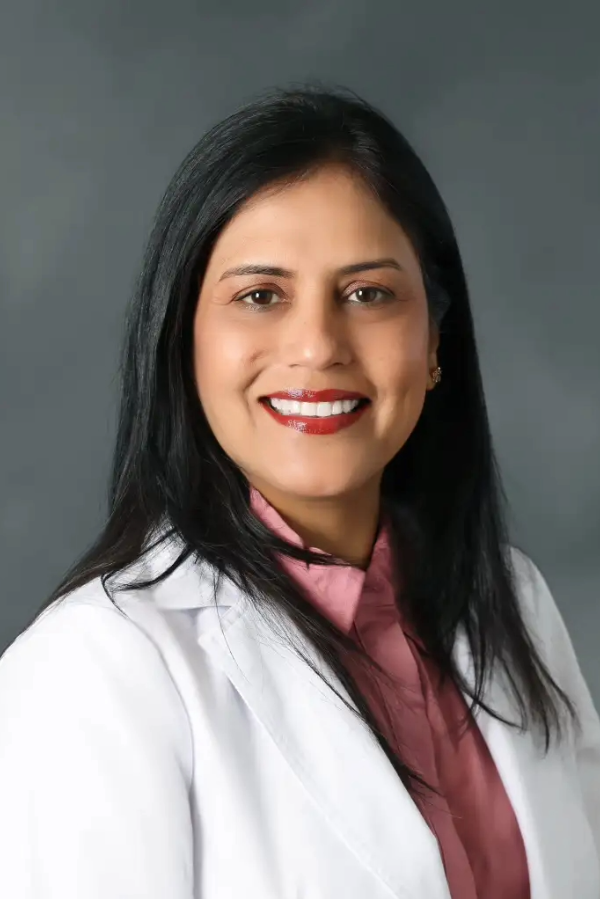
Associate Professor, Huntsville Regional Campus Family Medicine
Shivani Malhotra, M.D., regional chair of the Department of Family Medicine at the UAB Huntsville Regional Medical Campus, joined UAB in 2016. Since then, she has consistently shown leadership, clinical excellence, and a strong dedication to advancing education and patient care in North Alabama.
Malhotra was recognized early in her tenure for her impact as clerkship director for the third‑year medical student family medicine rotation and later as associate program director for the Family Medicine Residency Program. In 2021, she was appointed interim chair of the department and, within a year, named permanent chair. Under her leadership, the department has expanded its faculty recruitment, improved its educational programs, and optimized its clinical operations.
At the campus level, Malhotra is widely regarded as a dependable and collaborative leader. She serves as the clinical liaison for electronic health record for Huntsville and Selma campuses, supporting colleagues with workflows, upgrades, and process improvements. She is currently deeply involved in the transition to Epic on the Huntsville campus. Nationally, she serves on the Board of Directors for the Association of Departments of Family Medicine and contributes to multiple research initiatives, including NIH and PCORI‑funded projects.
“Dr. Malhotra has demonstrated a servant-leader attitude by striving to treat everyone fairly, resolving conflicts with respect and dignity, and ensuring that all team members feel supported,” said Roger Smalligan, M.D., MPH, FACP, regional dean of the Huntsville Regional Medical Campus. “Despite her administrative load, she takes equal call with her faculty.”
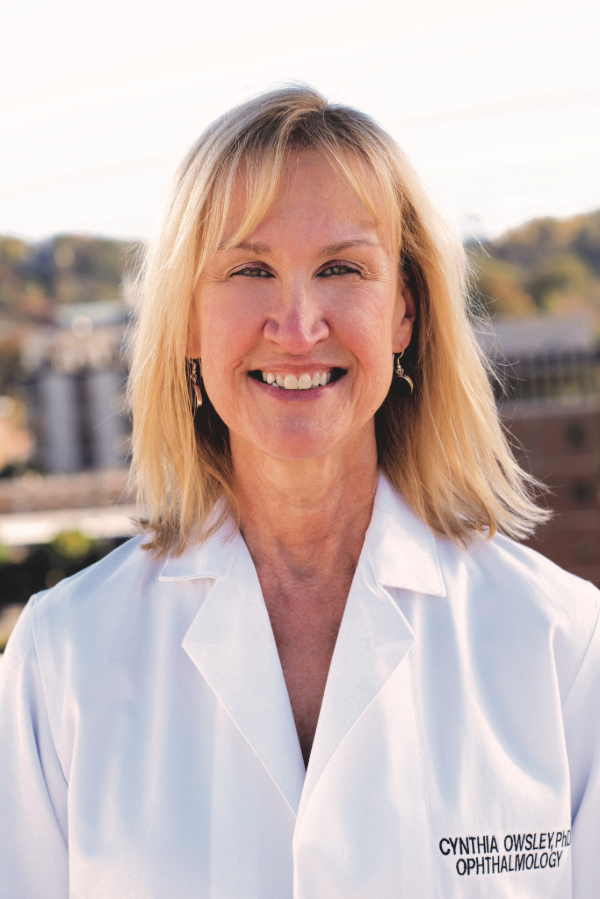
Professor, Department of Ophthalmology and Visual Sciences
Cynthia Owsley, Ph.D., professor and Nathan E. Miles Endowed Chair of Ophthalmology, is a preeminent, nationally recognized vision scientist who continues to make groundbreaking impacts on the field of ophthalmology. She is an experimental psychologist and public health expert who has championed functional assessments that correlate vision loss with underlying retinal structure, especially in older adults navigating real-world challenges such as driving and mobility. Throughout her career, Owsley has shown an inexhaustible capacity for research innovation, with interests spanning aging, visual function and performance, and age-related macular degeneration (AMD).
Owsley joined the Department of Ophthalmology and Visual Sciences in 1986 and established her expertise in vision science through her extraordinary research career. Widely regarded as one of the most influential researchers in visual aging and performance, Owsley was awarded the Glenn A. Fry Award from the American Optometric Foundation and the Bartimaeus Award for her work in vision-related impacts on driving.
In May 2025, the Association for Research in Vision and Ophthalmology recognized Owsley and longtime collaborator Christine Curcio, Ph.D., professor emerita, with the prestigious Proctor Medal, one of vision research’s highest distinctions. One of Owsley’s many landmark achievements includes the development and validation of delayed dark adaptation, the first and only functional biomarker for AMD.
“Dr. Owsley has made tremendous contributions to our department, the UAB Heersink School of Medicine, and the institution,” said Brian Samuels, M.D., Ph.D., The EyeSight Foundation of Alabama Endowed Chair. She continues to propel the field of vision science forward, and our department is incredibly proud of her for this recognition.”
Owsley earned her Ph.D. from Cornell University and completed her postdoctoral training at Northwestern University. She is a UAB alumna, having completed her MSPH at the UAB School of Public Health.
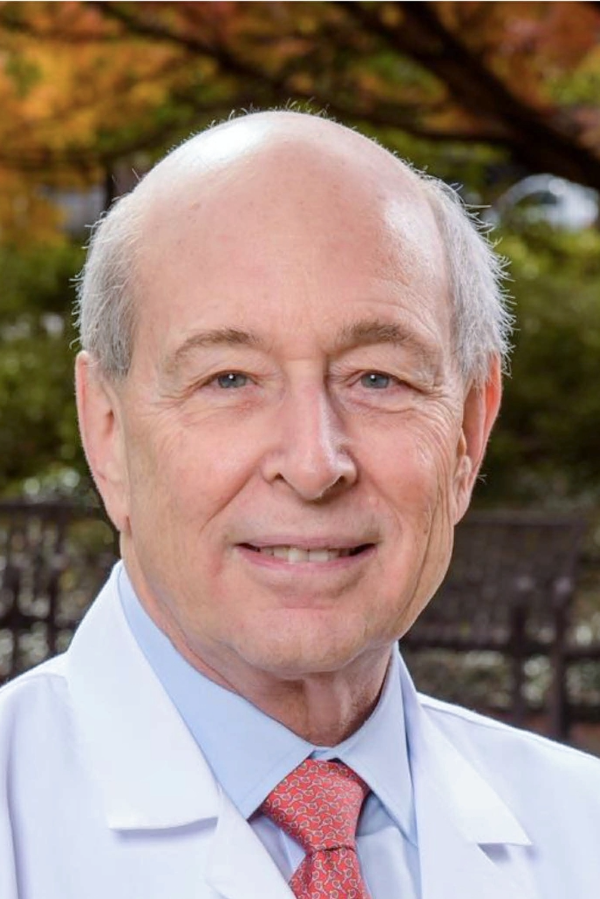
Professor, Department of Neurology
Ronald M. Lazar, Ph.D., FAAN, FAHA, is a nationally and internationally recognized leader in neuropsychology and brain health research and a professor. He serves as director of the Division of Neuropsychology, Evelyn F. McKnight Endowed Chair for Learning and Memory in Aging, and director of the Evelyn F. McKnight Brain Institute at UAB, while holding a secondary appointment in the Department of Neurobiology. Lazar is also a senior scientist across multiple UAB centers, including the Comprehensive Neuroscience Center, the Alzheimer’s Disease Center, and the Integrative Center for Aging Research, reflecting the breadth of his interdisciplinary impact.
With more than 25 consecutive years of federal funding and over $72 million in total research support, Lazar has shaped the field’s understanding of cognitive decline, stroke recovery, and the vascular contributions to brain aging. His work has been published in many of the world’s most influential journals, including Nature, The New England Journal of Medicine, JAMA Neurology, Stroke, and Lancet Neurology. His scholarship has been cited more than 90,000 times, underscoring his lasting influence on clinical practice and research.
At UAB, Lazar has been a visionary leader in translating science into care. He founded the Brain Health Advocacy Mission (BHAM), an innovative program that integrates brain health promotion into primary care. Through BHAM and related studies, Lazar has demonstrated how lifestyle, risk-factor management, and preventive strategies can meaningfully reduce the risk of stroke, dementia, and depression. This and other career initiatives exemplify an enduring commitment to improving brain health across the lifespan.
“Dr. Lazar has been at the forefront of his field for many years, with an extraordinary record of sustained funding, high-impact publications, and innovative leadership that continues to transform brain health research and care,” said David Standaert, M.D., Ph.D., chair of the Department of Neurology.
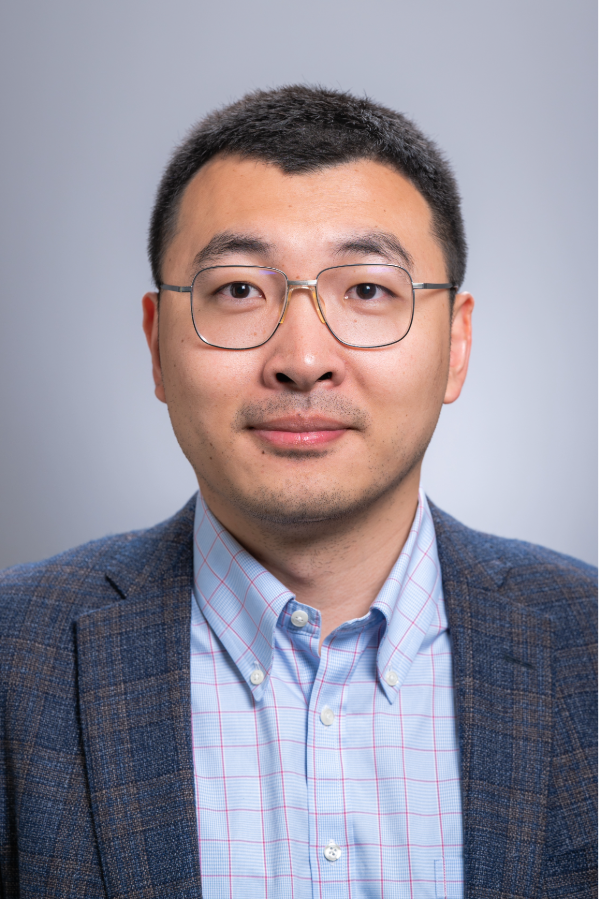 engbin “Jerry” Wang, Ph.D.
Assistant Professor, Department of Biochemistry and Molecular Genetics
Wang joined the UAB Department of Biochemistry and Molecular Genetics as an assistant professor in 2022 and rapidly established a nationally and internationally recognized research program focused on understanding large protein assemblies using cryogenic electron microscopy (cryo‑EM).
His research investigates the structural and biochemical foundations of complex microbial appendages, which play roles in disease, microbial ecology, and bioenergetics. These insights have long-term potential for biomedical and nanotechnology uses.
Wang has published 72 peer‑reviewed articles in high-impact journals such as Cell, Nature Nanotechnology, PNAS, and Nature Communications, including 41 articles since 2022. His productivity is matched by exceptional research support, securing more than $3.2 million in total funding as principal investigator or co‑principal investigator, including a prestigious NIH National Institute of General Medical Sciences Maximizing Investigators' Research Award (R35) and a Department of Energy Basic Energy Sciences research grant.
Outside of his research work, Wang is a committed mentor and educator. He teaches several graduate courses, supervises graduate students in his lab, and serves on multiple thesis committees. Two of his student trainees have received impressive review scores on the highly competitive NIH Predoctoral Individual National Research Service Award (F31), reflecting the strength of his mentorship.
“Dr. Wang is an extremely productive and talented young faculty member who is rapidly developing a world‑class research program,” said David Bedwell, Ph.D., professor and chair of the Department of Biochemistry and Molecular Genetics. “I firmly believe that he will continue with this impressive trajectory of accomplishments.”
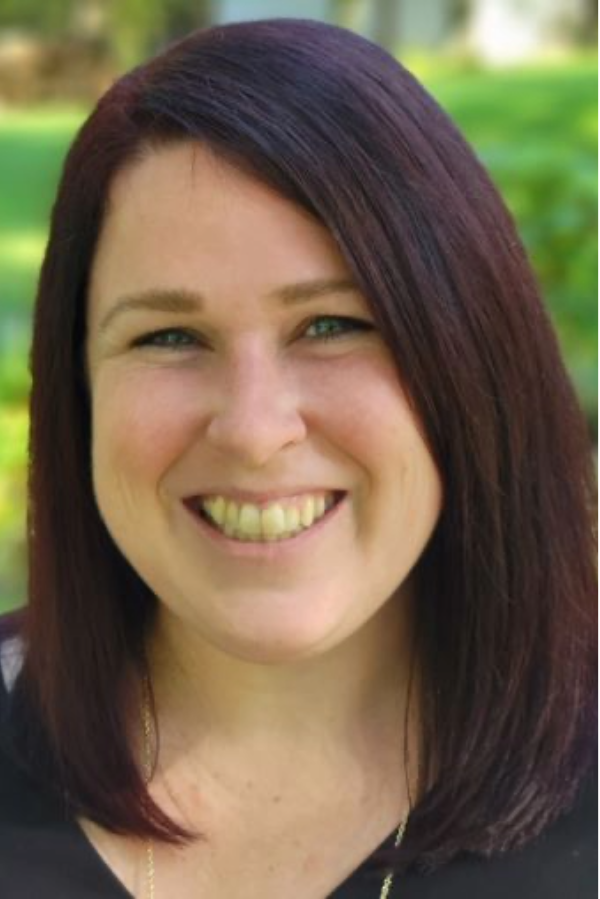
Assistant Professor, Department of Neurobiology
In her lab, Cummings and her research team aim to gain a mechanistic understanding of how the brain acquires, stores, expresses, and suppresses memories in both health and disease. They examine how distinct emotional memories, including those that are aversive (such as fear) and appetitive (such as food and drug reward), are differentially encoded in heterogeneous cell populations, or 'engrams.'
"Dr. Cummings' work uses cutting edge, real time, in vivo imaging of neuronal activity to map how learning and memory works in the mammalian brain with translational implications for post-traumatic stress disorder and potentially cognitive disorders like dementia," said Craig Powell, M.D., Ph.D., chair of the Department of Neurobiology.
These approaches include viral and genetic techniques in transgenic mice, activity-dependent cell tagging, cell- and circuit-specific in vivo optogenetic manipulations, ex vivo whole-cell electrophysiological recordings in brain slices, and in vivo calcium imaging techniques in freely behaving mice including fiber photometry and miniature head-mounted microscopes (Miniscopes).
Cummings' goal is to gain a more comprehensive understanding of these fundamental processes to reveal new therapeutic targets for the treatment of neuropsychiatric disorders including post-traumatic stress disorder and substance use disorder.
Cummings, who is a scientist in the Comprehensive Neuroscience Center and the Civitan International Research Center, is the course director of the UAB Neuroscience Seminar Series. She has recently been awarded several extramural grants as well as funds from the National Institute on Drug Abuse, National Institute of Mental Health, Brain and Behavior Research Foundation, and the Brown Foundation.
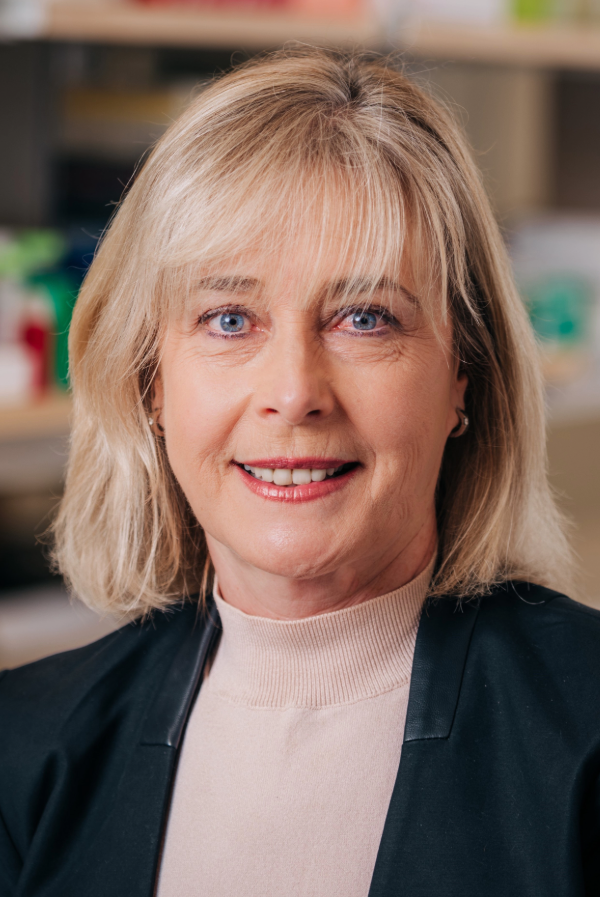
Associate Professor, Department of Cellular, Developmental and Integrative Biology
Kadisha is passionate about human gross anatomy, especially human physiology, and neurobiology. Her background and training in physiology, neuroscience, and neurology empower her to explain and teach the functional and clinical significance of gross anatomy.
“Dr. Kadisha is an outstanding educator who is dedicated to her students and who inspires growth, curiosity, and purpose in the classroom and laboratory,” said Bradley K. Yoder, Ph.D., chair of the Department of Cell, Developmental and Integrative Biology and UAHSF Endowed Chair in Biomedical Research. “She has a passion for teaching anatomy and has developed many resources to increase student understanding of this complex topic.”
Kadisha serves as module director for the Musculoskeletal and Skin Module in the pre-clerkship medical curriculum, where she ensures that foundational anatomical, histological, and physiological principles are delivered with clarity and strong clinical relevance. Her leadership in this role has been consistently recognized by learners, most notably through receipt of the Argus Award for Best Educator–Musculoskeletal and Skin Module and the Dale J. Benos Award for Educational Excellence.
She is a leader in educational innovation and technology-enhanced learning and has played a role in integrating advanced digital anatomy tools, including Complete Anatomy software and Sectra Tables, into multiple curricula. Most notably, she co-developed the Virtual Interactive Brain Atlas, which is an extensive, interactive neuroanatomy resource now formally incorporated into medical, dental, and optometry curricula.
Kadisha’s research interests are in aging and Alzheimer’s disease-related degeneration and regeneration in the brain. Her research aims to elucidate the role of white matter pathology in the development of age-related cognitive deficits. Kadisha’s second research interest is the role of vascular pathology in Alzheimer’s disease, specifically hypertension and the relation between white matter infarcts and AD pathology.
She serves as a scientist in several centers on campus, including the Civitan International Research Center, the Integrative Center for Aging Research, the School of Health Professions’ Nutrition Obesity Research Center, and the Comprehensive Neuroscience Center, among others.
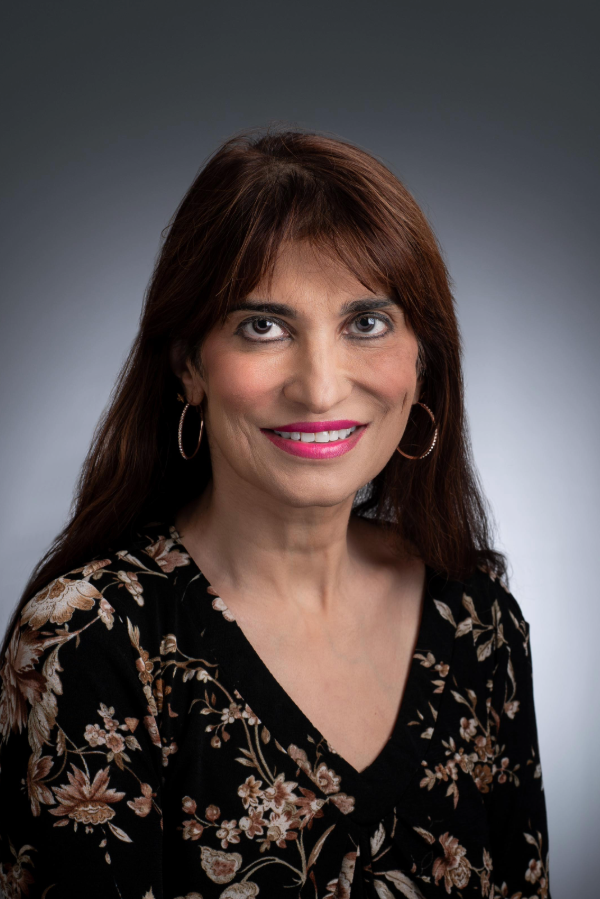
Professor, Department of Medicine
Tolwani, holder of the DCI Edwin A. Rutsky, M.D., Distinguished Endowed Chair in Nephrology, is one of the most accomplished clinician-educators at UAB, with over 25 years of leadership and innovation in nephrology education. Her career reflects an extraordinary dedication to students across the full continuum of medical education.
Tolwani has designed structured curricula, competency-based educational frameworks, and in-service examinations that have shaped the training of nephrology fellows. She has delivered core lectures and interactive workshops in acid base physiology, electrolyte disorders, acute kidney injury, and renal replacement therapy. Topics repeatedly cited by learners as among the most valuable in their training.
She is the founder and director of the internationally recognized UAB Continuous Renal Replacement Therapy Academy, a multidisciplinary educational program she has led for over 17 years. This course integrates simulation, hands-on training, case-based learning, and multidisciplinary instruction and has trained hundreds of physicians, nurses, pharmacists, and trainees from across the United States and numerous countries.
Her ability to inspire the next generation of physicians has been repeatedly recognized with awards, including Master Teacher in the Department of Medicine, Master Clinician in the Department of Medicine, the 2016 UAB President’s Award for Excellence in Teaching, and the 2025 Ellen Gregg Ingalls/UAB National Alumni Society Award for Lifetime Achievement in Teaching.
“Dr. Tolwani excels at translating complex kidney physiology into practical clinical reasoning and has pioneered simulation-based, multidisciplinary educational models that improve both learner outcomes and patient care,” said Timmy Lee, M.D., professor and director of the Division of Nephrology. “Her sustained excellence, transformative educational leadership, and profound impact on generations of learners exemplify the highest ideals of academic medicine.”
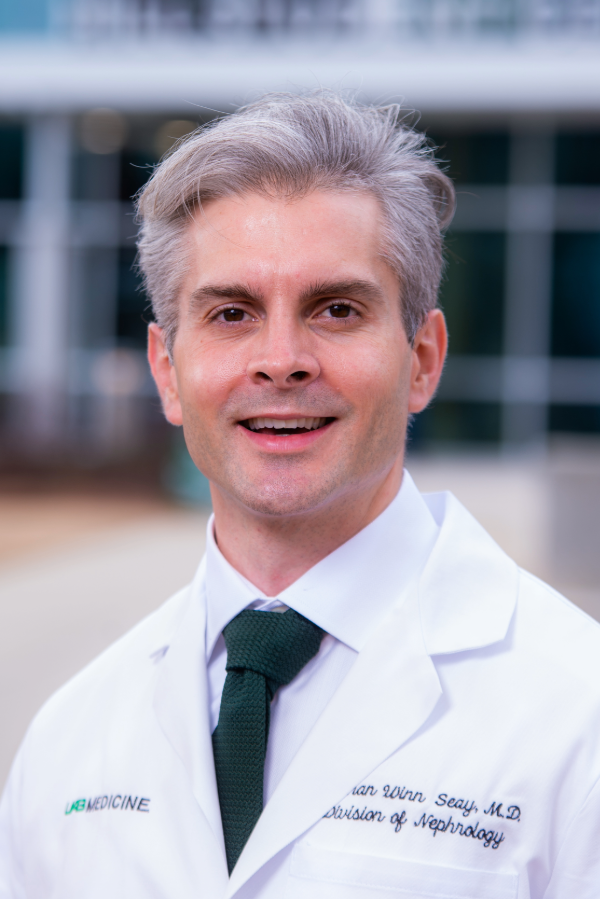
Assistant Professor, Department of Medicine
Since joining faculty in 2020, Seay has established himself as one of the Department of Medicine’s most effective junior educators. His teaching portfolio spans medical students, residents, fellows, and early-career physicians. He has earned multiple honors, including Top Teaching in Nephrology, Outstanding Teacher in Nephrology, and Top 50 Educators in the Department of Medicine.
Seay serves on multiple educational committees, including the Internal Medicine Residency Clinical Competency Committee, Nephrology Fellowship Program Evaluation Committee, and the Internal Medicine Intern Selection Committee. In these roles, he helps develop assessment standards, evaluates trainee performance against ACGME milestones, and guides data-driven improvements to curriculum and program quality.
Through the UAB Healthcare Educators Academy, Seay designed and implemented a comprehensive flipped classroom curriculum for the Nephrology Consult rotation. The curriculum includes 13 structured modules incorporating videos, clinical cases, and active learning strategies. This evidence-based approach replaced a passive teaching model and resulted in improved learner engagement, satisfaction, and application of clinical knowledge.
Seay has leveraged his role as the medical director of UAB Telenephrology to expand the clinical teaching environment by providing learners with high-value, real-world training that reinforces the connection between patient care and teaching.
A dedicated mentor, Seay serves as a residency core faculty mentor, providing longitudinal guidance, semiannual performance reviews and individualized coaching in clinical reasoning, teaching and career development.
Nationally, he serves on the American Board of Internal Medicine Nephrology Longitudinal Knowledge Assessment Item Writing Task Force, contributing to the development of high-quality assessment questions that support physician certification and lifelong learning.
“Dr. Seay is an exceptional clinician-educator whose record of teaching excellence, innovation, mentorship, and measurable outcomes has had a profound impact on learners and training programs,” said Timmy Lee, M.D., director of the Division of Nephrology.
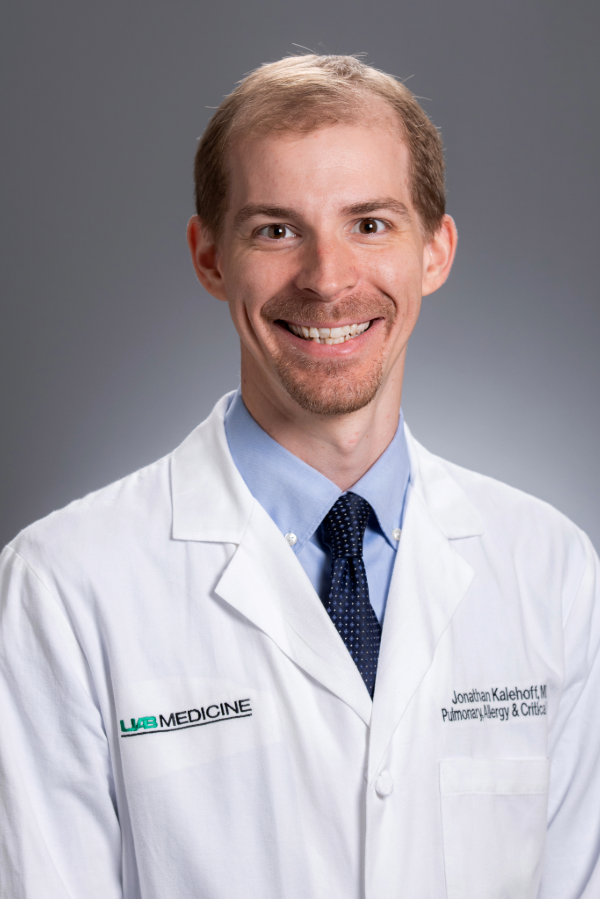
Assistant Professor, Department of Medicine
Kalehoff joined UAB in 2017 after earning his medical degree from the University of Florida. He completed his residency, chief residency and pulmonary fellowship here, and is now a full-time faculty member in the division. Kalehoff teaches residents, fellows, faculty, and international clinicians across a multitude of formats, including bedside instruction and simulation, national lectures, and global conferences.
He is internationally recognized for his expertise in ventilator education. His expertise allows him to serve as a preceptor for the NIH Fundamentals of Mechanical Ventilation Preceptorial Course. In this role, Kalehoff conducts eight structured one-on-one teaching sessions per learner, assessing both knowledge mastery and teaching effectiveness.
In 2025, he served as Site Director for the Multi-institutional Fundamentals of Mechanical Ventilation Course (MFMVC), launching this internationally recognized curriculum at UAB. He was also personally invited to co-teach the MFMVC at Kijabe Hospital in Kenya, where he delivered 15 hours of lectures and small-group instruction to local and international physicians and clinical officers.
As co-director of Global Health Education for the division, Kalehoff co-developed a seven-chapter Global Health curriculum in partnership with the GC3, the Global Critical Care Collaboration. He has also contributed to resident education through the Tinsley Harrison Internal Medicine Residency Noon Conference series and helped develop curriculum materials for the pulmonary consult service.
“Since joining UAB, Dr. Kalehoff has established himself as a transformative educator whose impact spans bedside teaching, curriculum innovation, national course leadership, and international medical education,” said Tracy Luckhardt, M.D., interim division director of the Division of Pulmonary, Allergy and Critical Care Medicine. “In every context, he demonstrates intellectual rigor, innovation, and deep commitment to success.”
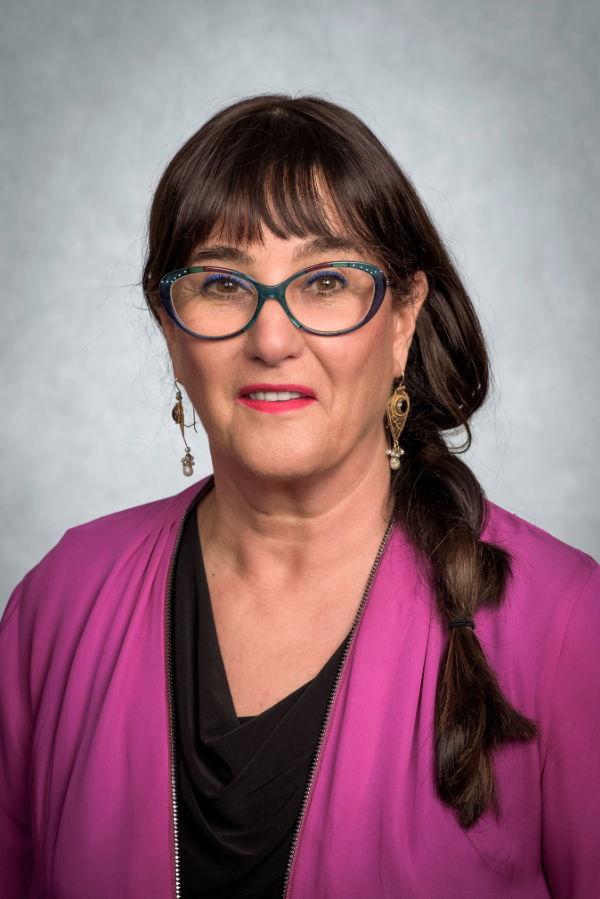
Professor, Department of Medicine
Elk is a pioneer in Community-Based Participatory Research (CBPR) for palliative care, a scientific approach in which academics partner with communities facing large health burdens. CBPR interventions often result in reduced symptom intensity for patients who otherwise would not have access to quality care. These results demonstrate Elk’s work’s impact on public health and are a measurable demonstration of increases in access and engagement.
Elk and the regional African American community created one of the first ever community-created training programs for palliative healthcare professionals. The program trains clinicians who provide care to older African Americans with serious illness to understand, respect, and acquire skills to provide culturally concordant care, and respect their lived experience in the healthcare system.
In 2024, Elk was awarded an NIH K07 leadership award to build a national CBPR program for professionals working to improve outcomes in vulnerable older adults. Elk used this award to help train over 500 researchers, clinicians, educators, and healthcare leaders from across the country. Training participants reported a significantly higher level of understanding of community values, as well as significantly elevated levels of confidence to follow the community’s preferences and recommendations.
“Dr. Elk’s work to enhance health equity for older adults is valuable and very rare,” said Kenneth Boockvar, M.D., director of the Division of Gerontology, Geriatrics, and Palliative Care. “She has shown that partnering with underrepresented communities is an effective strategy to increase access and engagement, improve quality of care, reduce health disparities, enhance trust in the healthcare system, and provide the community a sense of ownership of the process and the outcome.”
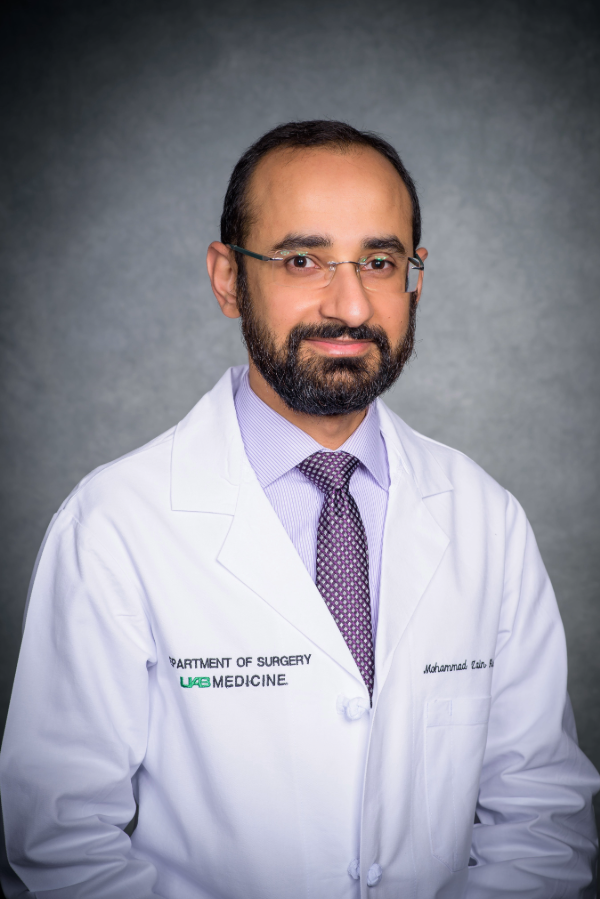
Assistant Professor, Department of Surgery
Since joining UAB as an assistant professor in 2021, Hashmi has rapidly become a national leader in rural trauma access and teletrauma innovation. As director of the UAB Teletrauma Program, he has pioneered a first-in-Alabama model that provides real time specialty trauma support to rural emergency departments. Through video consultation, remote assessment, and expert guidance during the most critical moments of injury, Hashmi’s teletrauma initiative has enabled earlier hemorrhage control, guided triage decisions, and led to more expedient transfers.
His contributions have been recognized through the 2025 UAB President’s Award for Excellence in Support of Shared Governance, the ACS Future Trauma Leaders Award, and multiple invited national lectureships.
Hashmi is equally distinguished as a mentor and an educator. He has mentored over a dozen trainees, many earning national awards or competitive placements, and he authored the new Teletrauma chapter for the 2025 ACS Rural Trauma Team Development Course, shaping how rural clinicians across the country are trained to manage high-risk trauma cases.
"Dr. Hashmi's contributions to UAB and beyond are redefining what is possible for trauma access in Alabama," said Jeffrey Kerby, M.D., Ph.D., division director of the Division of Trauma and Acute Care Surgery.