Carlos J. Orihuela, Ph.D., professor in the Department of Microbiology, was part of a spaceflight research project that examined why many individuals who survived pneumonia later experienced serious heart complications.
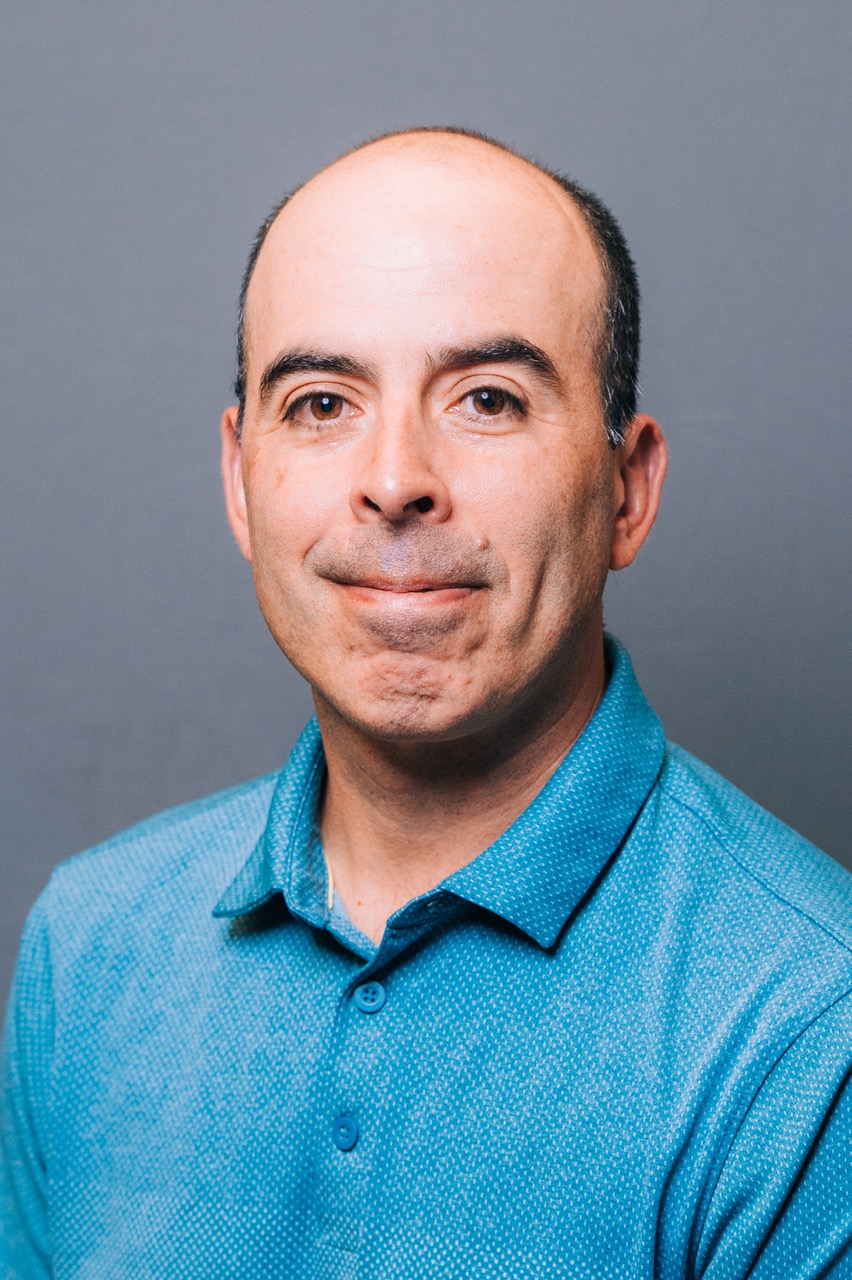 Carlos J. Orihuela, Ph.D., professor in the Department of MicrobiologyThe study focused on Streptococcus pneumoniae, the bacterium responsible for most cases of community-acquired pneumonia, and how infection affected cardiac tissue. The biological mechanisms linking pneumonia to later cardiovascular disease remain difficult to define.
The project was designed to address that gap by focusing on the biological processes that connect infection to heart injury.
“Our central goal was to better define the molecular and biological mechanisms by which Streptococcus pneumoniae damaged cardiac tissue during infection,” Orihuela said. “Ultimately, the intent was to identify pathways and signaling events that could be targeted early to prevent adverse cardiac outcomes following pneumonia.”
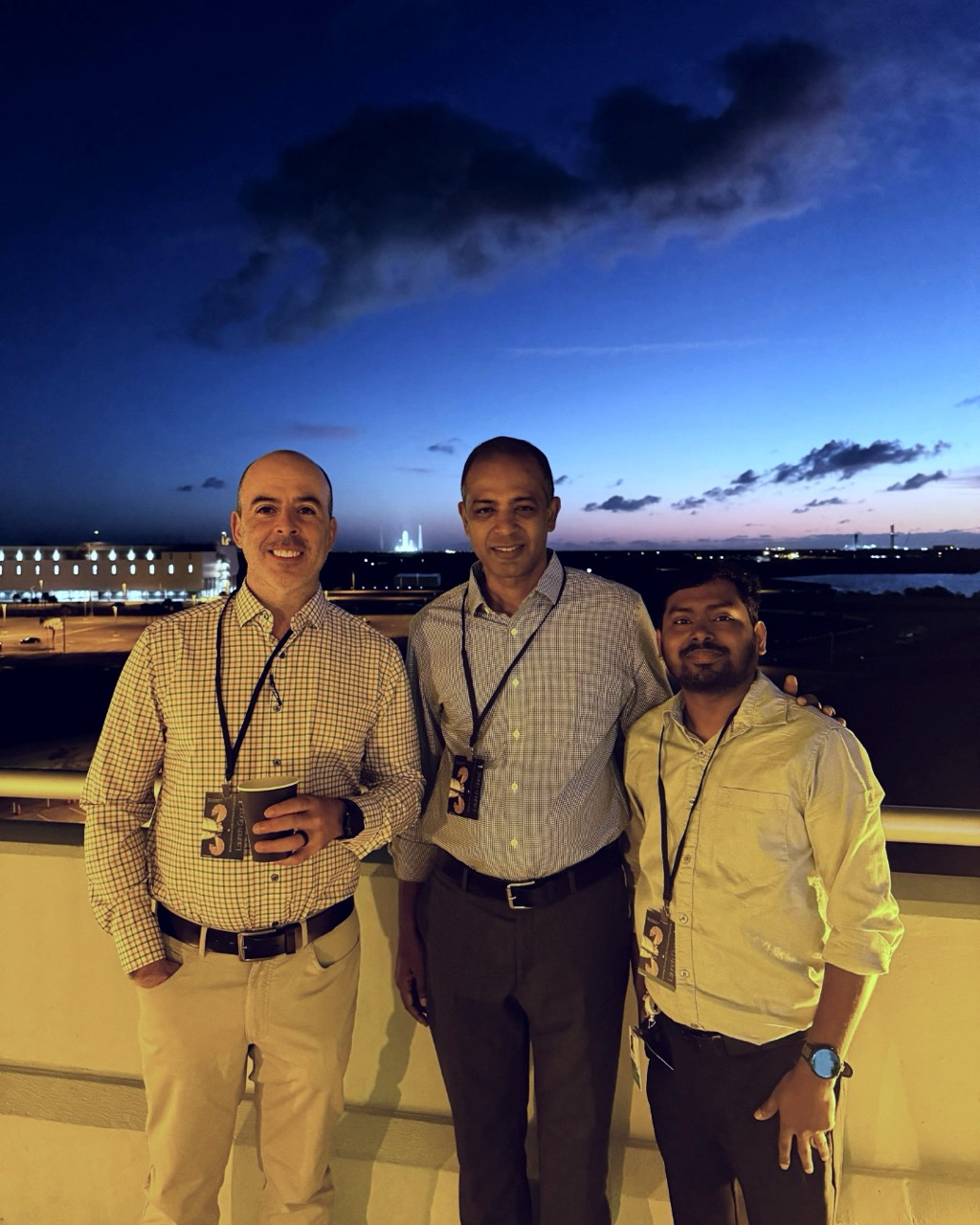 From left: Carlos Orihuela, Ph.D., Sethu Palaniappan, Ph.D., and Vipin Chembilikandy, Ph.D.To study these mechanisms under conditions that could reveal otherwise hidden changes, the research team used the microgravity environment aboard the International Space Station, where disease processes can be accelerated.
“By using microgravity, we were able to amplify biological processes that were subtle or transient in traditional models,” Orihuela explained. “This allowed us to uncover early drivers of cardiac pathology that might otherwise have been missed.”
The Department of Microbiology’s involvement in the project grew out of longstanding work in the Orihuela Lab focused on pneumococcal pathogenesis and infection-driven heart injury. That expertise formed the foundation for the study and was combined with advanced tissue engineering and spaceflight platforms developed by Palaniappan Sethu, Ph.D., professor in the departments of Medicine and Biomedical Engineering.
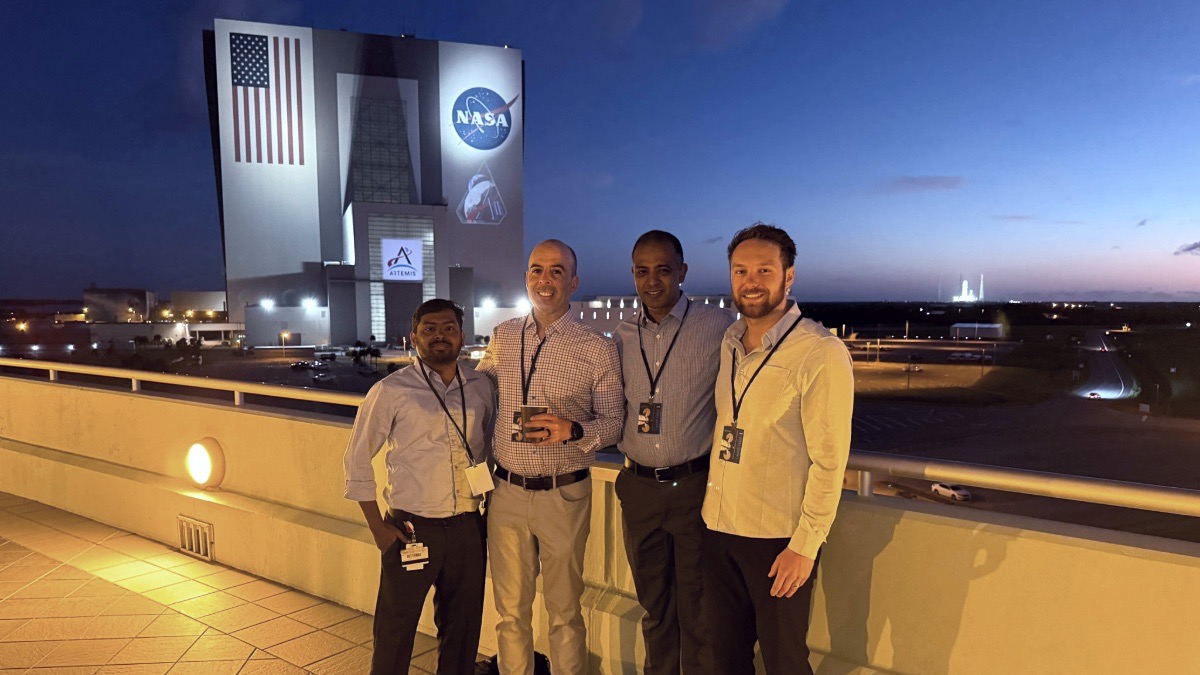 From left: Vipin Chembilikandy, Ph.D., Carlos Orihuela, Ph.D., Sethu Palaniappan, Ph.D., and Grant Vellinger (Redwire).Orihuela and Sethu collaborated for more than three years on cardiac organoid infection models through other funded research efforts. The opportunity to adapt those models for spaceflight emerged through a National Science Foundation and NASA research grant written and obtained by Sethu, with Orihuela’s laboratory serving as co-investigators. Technical support and spaceflight integration were provided by Redwire.
Within the project, the Department of Microbiology shaped the infectious disease framework of the experiment. Orihuela guided the overall biological questions, infection design, and interpretation of how bacterial behavior intersected with host cardiac responses.
 Vipin Chembilikandy, Ph.D., postdoctoral fellow in the Department of MicrobiologyIan C. Berg, Ph.D., an instructor in the Department of Biomedical Engineering, and Vipin Chembilikandy, Ph.D., a postdoctoral fellow in the Department of Microbiology, contributed to experimental planning, bacterial strain testing and selection, and development of sample-processing strategies to ensure the returned samples would be highly informative.
Once returned, the samples were expected to reveal infection-induced molecular signatures associated with severe cardiac injury, including changes in host gene expression, inflammatory signaling, and markers of tissue damage.
Orihuela said the work also extended beyond the immediate study and informed future research directions.
“This initiative opened the door to a new generation of accelerated disease models that blended microbiology, cardiology, and spaceflight biology,” Orihuela added. “More broadly, it positioned UAB Microbiology to integrate infectious disease research with unconventional but highly informative research environments.”
The project also highlights the broader potential of combining microbiology with nontraditional research platforms such as spaceflight.
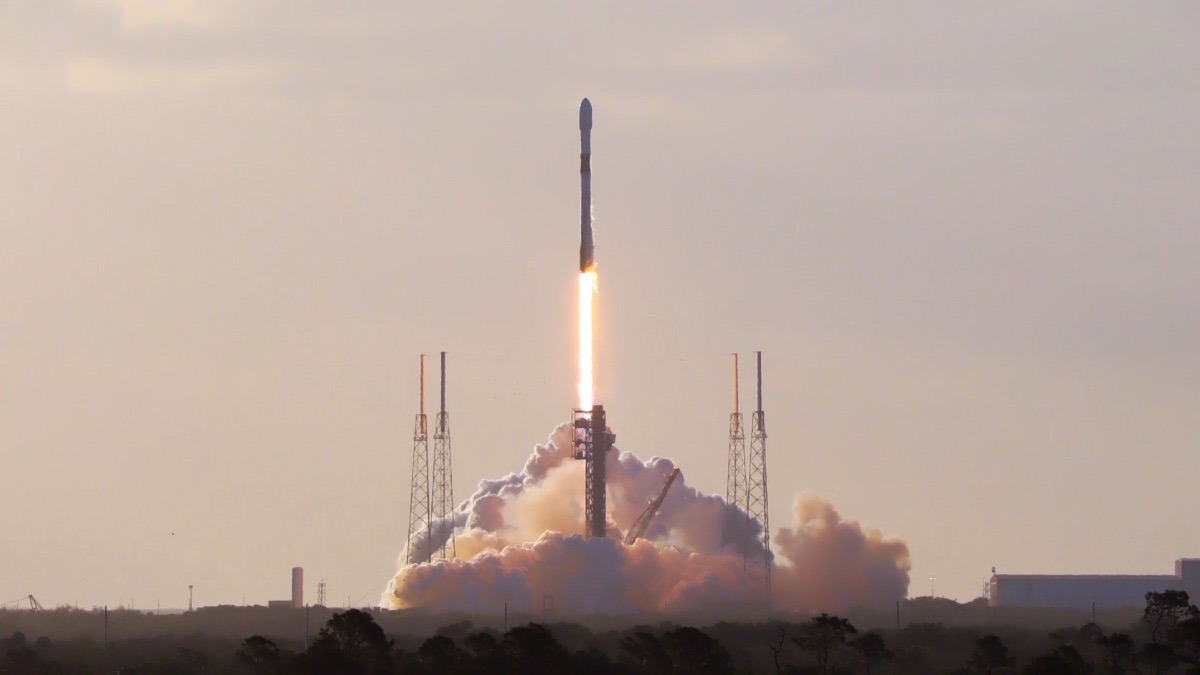 A SpaceX Falcon 9 rocket launches carrying experimental samples for Orihuela lab research.“This work reflects the bold vision and transformative potential of modern microbiology,” said J. Victor Garcia-Martinez, Ph.D., professor and chair, Charles H. McCauley Endowed Chair in the Department of Microbiology. “By taking fundamental questions about infectious disease into the unparalleled environment of space, Dr. Orihuela and colleagues are redefining how we uncover the hidden drivers of human disease. This kind of imagination, paired with scientific rigor and collaborative excellence, allows us to push beyond traditional boundaries and accelerate discovery. We are not only advancing knowledge but also shaping a future where innovative approaches lead to tangible improvements in human health on Earth and beyond.”