Key Inisghts
A UAB expert explains how to recognize hand, foot and mouth disease, prevent its spread, and know when to seek care.
 A UAB expert explains how to recognize hand, foot and mouth disease, prevent its spread, and know when to seek care.Hand, foot and mouth disease, or HFMD, is a highly contagious viral illness most common among children younger than 5, with cases occurring often during the summer and early fall. Claudette Poole, M.D., an associate professor of pediatrics at the University of Alabama at Birmingham and Children’s of Alabama, explains what parents and caregivers should know about recognizing, managing and preventing the spread of HFMD.
“Young children are particularly susceptible because they have not yet developed immunity to many of the viruses that cause HFMD,” Poole said.
Close contact in schools and daycare centers make it easier for HFMD to spread, sometimes before a child shows symptoms or after they begin feeling better.
Know the signs
HFMD often begins with fever, sore throat, decreased appetite and generally feeling unwell. Painful mouth sores can follow, along with red spots or blister-like lesions commonly found on the hands and feet. The rash can also appear on other areas of the body.
“The combination of mouth sores and a rash involving the hands and feet is very characteristic of HFMD,” Poole said. “However, other viral illnesses can cause fever, mouth sores or rashes, so parents should not feel that they have to make the diagnosis themselves but should speak with their child’s pediatrician to determine the best treatment plan for them.”
Prevent the spread
HFMD spreads through respiratory secretions, fluid from blisters, contaminated hands and surfaces, and stool. The virus can remain in stool for several weeks after symptoms improve.
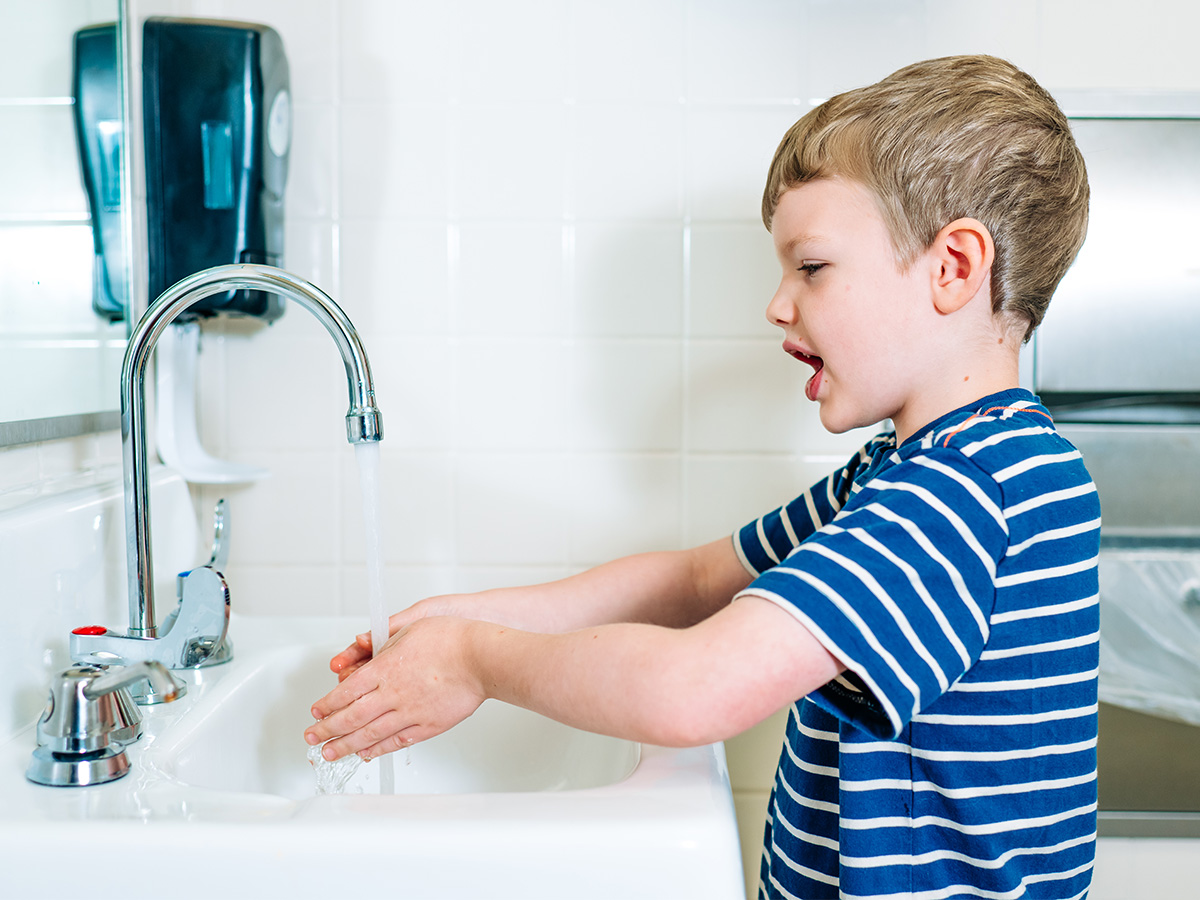
Parents and caregivers can reduce transmission by washing hands thoroughly, cleaning frequently touched surfaces and shared toys, and avoiding sharing cups, utensils and other items that encounter saliva.
Because several different viruses can cause HFMD, children can also get the illness more than once.
Focus on hydration
There is no specific antiviral treatment for typical HFMD, but most children recover within seven to 10 days. Parents should focus on keeping children comfortable and hydrated, particularly because painful mouth sores can make drinking difficult.
“The two things I encourage parents to focus on are how the child is acting and whether the child is drinking,” Poole said. “A child with an impressive-looking rash who is alert, drinking and gradually improving is generally less concerning than a child with only a few visible spots who is lethargic or refusing fluids.”
Parents should contact a healthcare provider if a child is drinking very little, is urinating significantly less, becomes unusually sleepy or difficult to awaken, or has severe or worsening symptoms.
Returning to school or daycare
Children should stay home if they have a fever, feel too unwell to participate normally or have uncontrolled drooling from painful mouth sores.
Children generally do not need to wait for every blister to disappear before returning. Once they are fever-free without fever-reducing medication, feel well enough to participate and do not have uncontrolled drooling, returning is generally reasonable. Families should also follow their school or childcare program’s illness policies.
Because the virus can continue to spread after symptoms improve, good handwashing remains important even after children return to their normal routines.