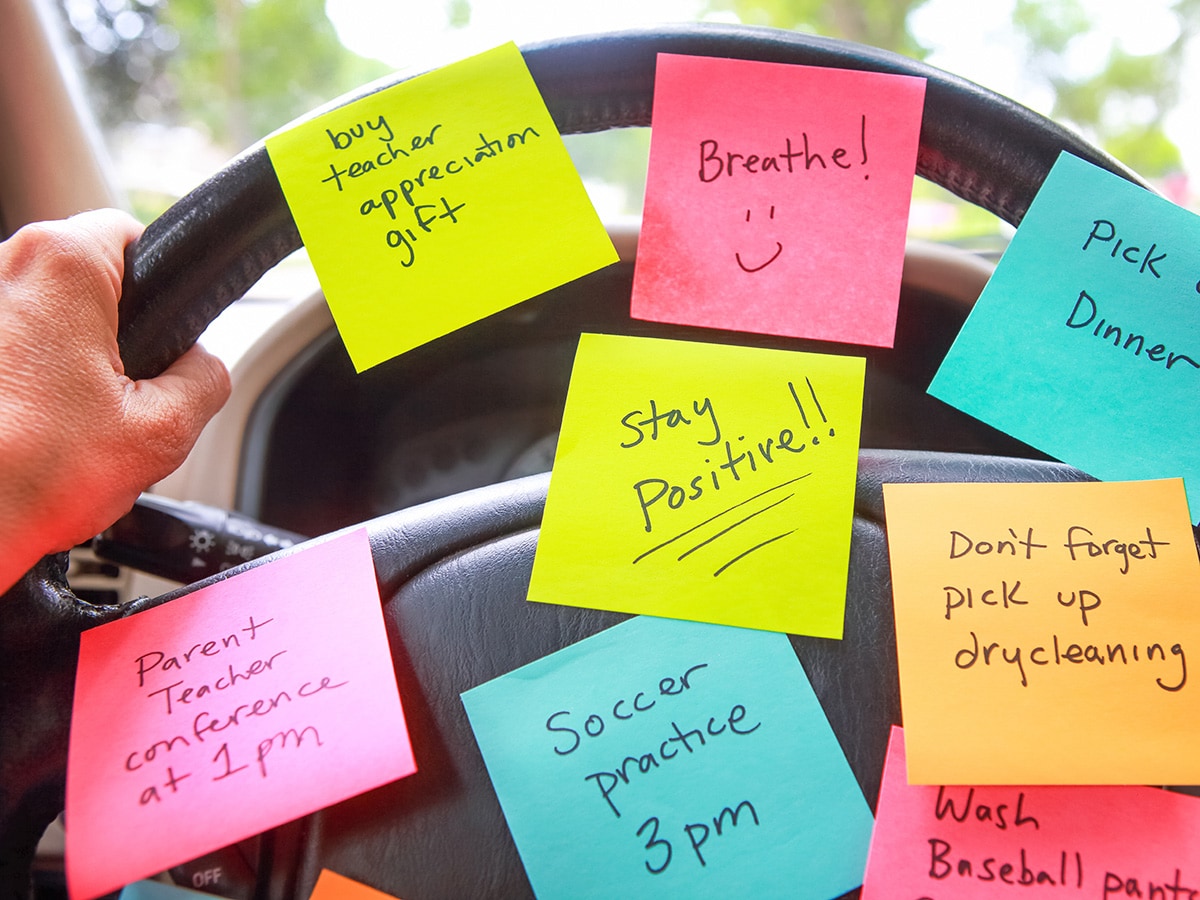
 One UAB counselor offers several tips to manage busy lifestyles while prioritizing ways to avoid burnout. Many people who manage a busy lifestyle find themselves battling the voice or feeling that suggests rest is wrong. For people who feel responsible for others, rest can feel like a luxury that must be earned. This way of thinking can be introduced in a variety of ways.
“There’s a message that rest is lazy and that we aren’t ‘good enough’ unless we are depleted,” said Heather Jordan, University of Alabama at Birmingham Employee Assistance and Counseling Center senior counselor. “I meet a lot of people who received the message, from parents, grandparents and others, that if you’re not being productive, then you’re being lazy.”
Jordan says this thought process often follows people into their adulthood, careers, parenting, caregiving and more.
For those who believe responsibility means never slowing down, Jordan shares tips for balancing obligations, finding time to relax and examining the thought patterns that fuel this belief.
The weight of dependability
Many find themselves being the colleague who always steps in at work, the parent organizing carpool or simply the friend who will answer the midnight call. Reliability becomes a responsibility in and of itself for some.
However, this dependence created from being consistent tends to lead to burnout. This can be reflected in many ways but often subtly looks like a heaviness when the phone rings or a long sigh before answering an email.
“Self-care, and rest is part of self-care, is not selfish,” Jordan said. “If we are not resting and caring for ourselves, eventually our mental health and even our physical health may reflect that.”
Jordan also cautions against over-committing. Being known for being responsible does not mean enrollment and acceptance of extra duties. Knowing when to decline and share certain tasks can mean the difference for the mind and body.
What rest can look like
Jordan encourages the practice of “small rests.” This is the act of taking short, intentional rest moments that can be built into the rhythm of a regular day — for example, five minutes on the patio, a meal eaten at a table instead of a steering wheel or a few seconds of looking out the window at a hawk on a neighboring building.
“It doesn’t have to be a vacation or a perfectly planned spa day, just a deliberate pause inside an otherwise full life,” Jordan said.
Simple ways to rest throughout the day include:
- Step outside for a few minutes or sit on the patio to pause and recharge
- Take time to eat a meal without multitasking or rushing
- Spend a few quiet minutes with a pet or calming presence
- Look out a window or spend time in nature to let your mind settle
- Sit in your car briefly before going inside to reset
- Take the long way home to create a little extra quiet time
- Set a short timer to sit, listen to music or decompress
- Pause between tasks to rest before moving on to the next one
 Jordan says, for people whose lives revolve around supporting others, these moments are often the only kind of rest available.
Know when to ask for help
Some clients resist the idea of asking for help, especially those raised to be self-sufficient.
Jordan commonly uses a soccer analogy to help others understand that asking for help is not failing.
“No one moves the ball from one end of the field to the other alone,” Jordan said.
Delegation is not about shedding responsibility but distributing it in ways that protect long-term capacity. Some examples include asking a co-worker to take on a project, asking a partner to handle the laundry or paying someone to mow the yard because the peace of mind is worth it.
And sometimes, rest requires letting go of how things are done.
“Being done is better than being perfect,” Jordan said. “For example, the dishwasher loaded the ‘wrong’ way is still loaded, and the laundry done once a week instead of every day is still clean.”
Sustaining care for others
For parents, children are always watching. When kids grow up in households where adults never sit down or never allow themselves to be off, Jordan says kids can absorb the belief that being needed and being depleted are the same thing.
“That belief fuels much of the anxiety I have seen in the next generation,” Jordan said. “Students already stretched between college applications, AP classes, sports and organizations are becoming convinced that slowing down is the same as falling behind.”
Jordan emphasizes that modeling rest in the home is one of the most important things a caregiver can do.
Watching a movie all the way through, saying no without explanation or taking Sunday afternoons off are a few ways one can model rest. These moments allow children to see what it looks like when an adult chooses to stop. This balance is not the same as abandoning responsibilities; it is the intentional choice to prioritize relaxation when doing so is not a conflict to impeding deadlines or jeopardizing obligations.
Rest is the very thing that allows long days to be sustainable. It is the pause that protects peace and the quiet moments that makes the loud ones bearable.
“Being the best you can be requires rest,” Jordan said. “That rest makes you much better at what you do, and that is how the people we care for receive the best of us.”