Key Insights
- Zasmine Hymes-Green, M.D., anesthesiologist and assistant professor in the University of Alabama at Birmingham Department of Anesthesiology and Perioperative Medicine, explains what first-time patients can expect under anesthesia and shares ways to reduce anxiety before surgery.
- Anesthesia is generally safe and tailored to each patient’s medical history, health conditions and procedure, making communication with the anesthesia team an important part of surgical care.
- Patients undergoing anesthesia are continuously monitored throughout surgery, including their heart rate, blood pressure, oxygen levels, breathing and body temperature.
- Common concerns about anesthesia, including waking up during surgery or not waking up afterward, are exceptionally rare and are addressed through multiple safety precautions and close monitoring by anesthesiologists.
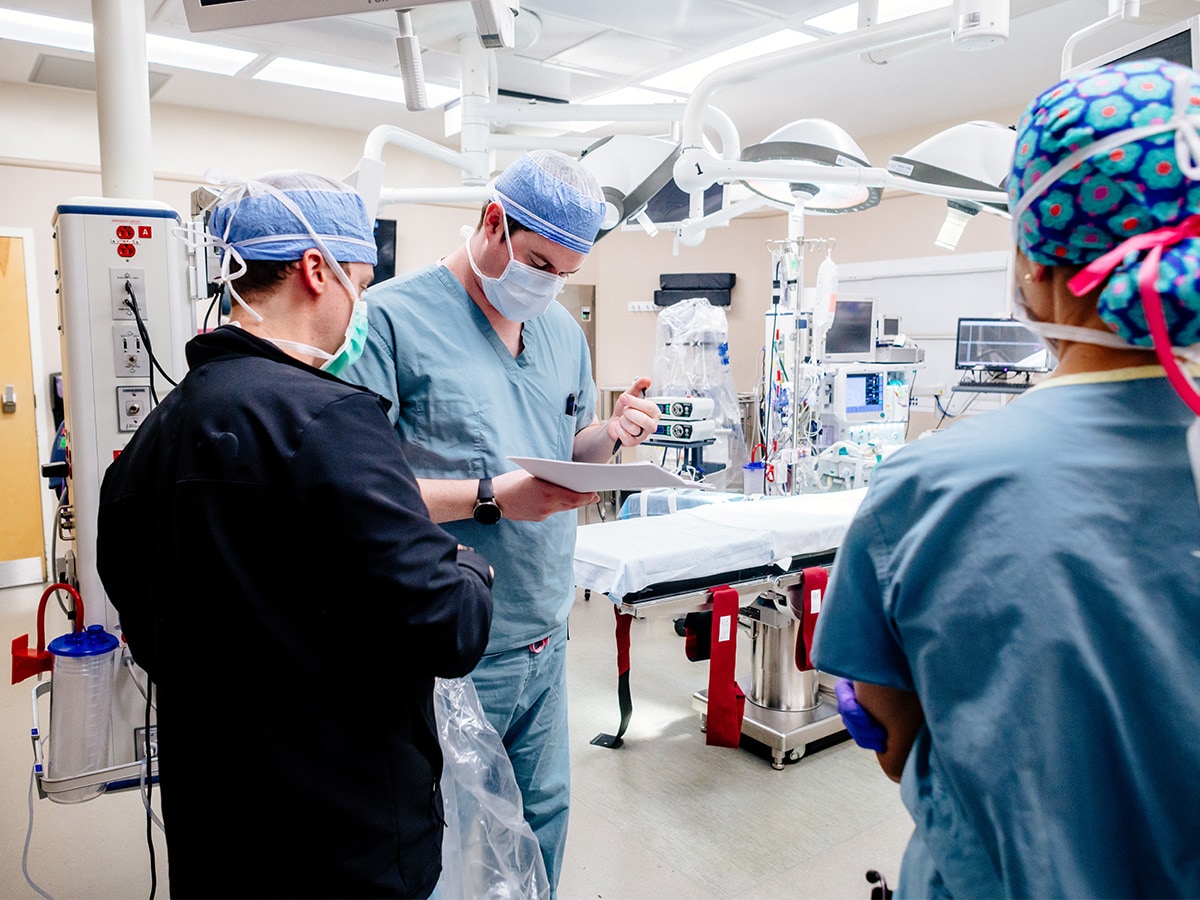 Feeling nervous before receiving anesthesia? A UAB anesthesiologist shares her expertise and offers guidance for first-time patients.Feeling anxious before receiving anesthesia for the first time is a common concern many people experience. While it is natural to feel nervous before an operation, understanding the process can ease fears and provide reassurance to patients.
The University of Alabama at Birmingham’s Zasmine Hymes-Green, M.D., anesthesiologist and assistant professor in Marnix E. Heersink School of Medicine Department of Anesthesiology and Perioperative Medicine, provides her professional insight on anesthesia and tips to those undergoing surgery for the first time.
What is anesthesia?
Anesthesia is a combination of medicines and practices that allows a patient to undergo medical interventions comfortably and safely. It temporarily turns off the body’s ability to feel pain and sensation. For the average person, anesthesia is overall safe.
“The lightest form of anesthesia uses local numbing medications to reduce pain without providing sedation,” Hymes-Green said. “This is like receiving numbing injections for dental procedures.”
The deepest form of anesthesia is general anesthesia, in which an individual is in a deep unconscious state and does not feel or remember anything.
What is the process of going under anesthesia?
Prior to an operation, a lot of thorough preparation is done by the patient’s medical team to ensure a safe and smooth process.
The general process of going under anesthesia is laid out in three steps:
- An anesthesiologist will speak to the patient before surgery. Included in this discussion is the patient’s medical history, the plan for anesthesia and answering any questions the patient may have.
- When the patient is taken to the operating room, monitors will be attached for experts to closely observe the patient’s vital signs. The patient will then breathe into an oxygen mask.
- In most cases, the medicine that makes patients fall asleep will be given through an IV. After this is done, the patient will be fully asleep.
How can anesthesia affect the body?
Anesthesia can affect the body in various ways such as influencing blood pressure, heart rate and body temperature.
 Zasmine Hymes-Green, M.D.“This is why we monitor your vitals throughout your entire procedure,” Hymes-Green said. “Your medical history and medications also play a role in how anesthesia can affect the body.”
Certain individuals can be at an increased risk for negative reactions from anesthesia, she says, including those with a severe allergy to certain medications, heart and lung disease, various neurological conditions and genetic conditions related to anesthesia.
Because each patient has a unique background, medical history, and different risk assessments undergoing different procedures, anesthesia is individualized to meet patient needs. For those reasons, it is crucial for patients to communicate with their anesthesiologist about their medical history prior to every surgery to help minimize those risks and ensure appropriate care.
What can a patient undergoing anesthesia for the first time expect?
While undergoing anesthesia, the patient is never alone. A certified team of experts will always be there to monitor the patient before going to sleep, while they are asleep and when they wake up.
“If it is your first time having anesthesia, it is perfectly normal to be nervous, scared or even cry,” Hymes-Green said. “Know that your anesthesia team will be with you the entire time during your procedure.”
For some people, emotions of anxiety or nervousness may never go away fully, but the medical team can help minimize these feelings.
“The more information that you provide can help to reduce fear and build a stronger rapport with your healthcare team,” Hymes-Green said. “Our goal is to provide safe anesthesia and help you have a stress-free experience during the process.”
Another way the healthcare team can help reduce anxiety in patients before an operation is by administering a premedication when safe and appropriate. The most common premedication is benzodiazepine, a class of prescription sedative medication which is given through an IV and helps reduce anxiety by depressing the central nervous system and slowing brain activity.
During surgery, all vitals are being monitored, including blood pressure, heart rate, oxygen levels and temperature. Breathing is also monitored via an anesthesia machine.
“Anesthesiologists also monitor your body’s position,” Hymes-Green said. “We ensure that your head is in a neutral and comfortable position, your arms and legs are properly padded and secure and your face and eyes remain unobstructed.”
What are patients most afraid of when it comes to anesthesia?
According to Hymes-Green, patients are generally afraid of the unknown.
“During surgery, patients are asleep, and it takes an incredible amount of trust in their healthcare team to care for them while unconscious,” Hymes-Green said.
Common fears regarding successfulness of surgery are waking up in the middle of surgery or not waking up at all. Most misconceptions that cause these fears stem from stories where patients may have had unexpected outcomes.
“Everything we do in medicine comes with benefits and risks,” Hymes-Green said. “We perform numerous checks and balances to ensure your healthcare team does as much as possible to minimize these exceptionally rare risks.”
Useful tips for patients from Hymes-Green:
- Communicate anxiety to the medical team, including the surgeon, nurse and anesthesiologist.
- Have a support person or care person during the pre-operative phase of the procedure.
- Ask questions. There are no questions too small or too large for experts to answer.