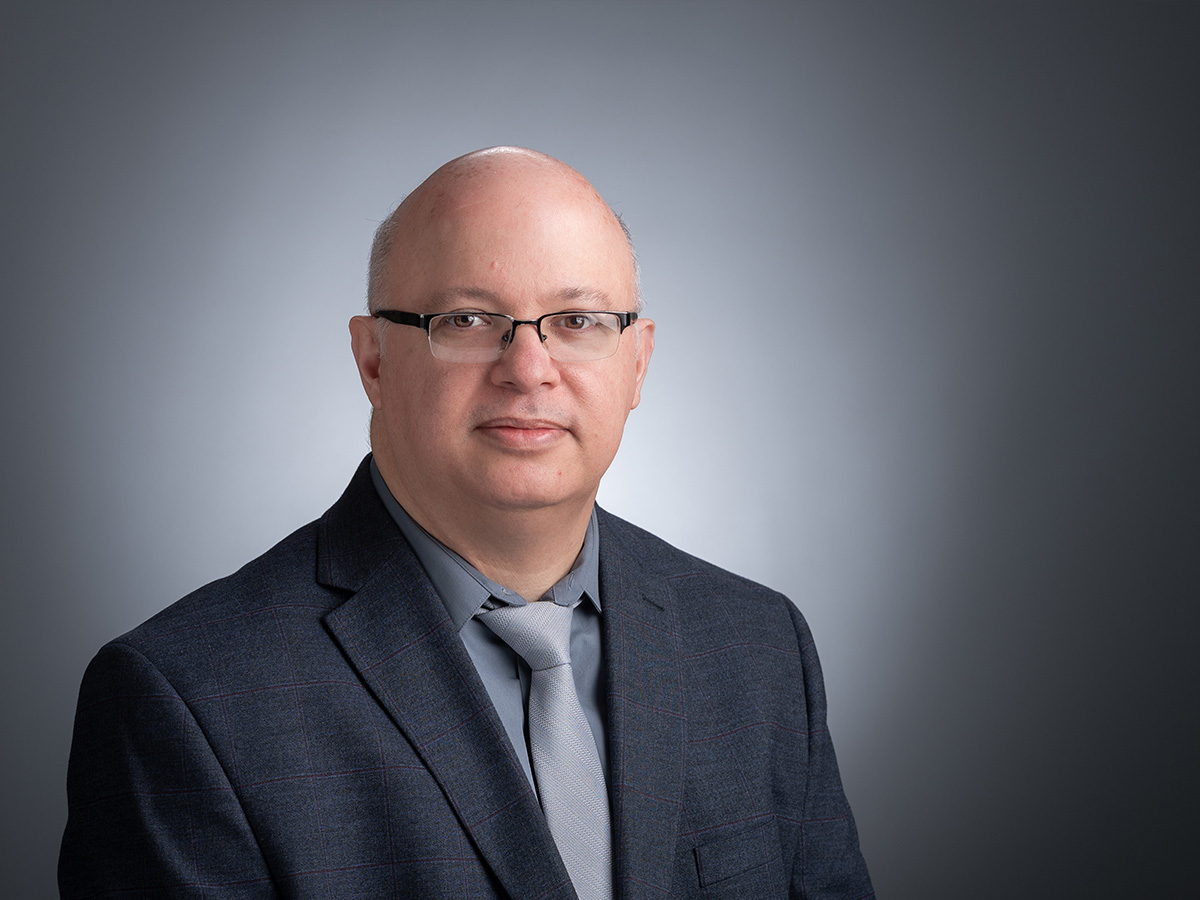
 Luciano Costa, M.D., Ph.D., led the MajesTEC-3 clinical trial, which shows that using a new two-drug immunotherapy regimen can lead to long-lasting remission for patients with multiple myeloma. (Photography: Ian Logue)A researcher at the University of Alabama at Birmingham O’Neal Cancer Center helped lead a clinical trial for a new therapy that shows promise for patients with multiple myeloma — an aggressive bone marrow cancer. The MajesTEC-3 clinical trial has shown that using a new revolutionary two-drug immunotherapy regimen can lead to long-lasting remission for patients with multiple myeloma. Luciano Costa, M.D., Ph.D., director of the Multiple Myeloma Program and the Mary and Bill Battle Professor of Multiple Myeloma, is the lead author of the publication in the New England Journal of Medicine.
The study involved 587 patients whose cancer had returned after previous treatments. Some patients received the standard of care treatment, and others received the new combination treatment of teclistamab and daratumumab. After three years, more than 83 percent of the participants who received the new combination therapy had experienced no disease progression. This extended remission period is far longer than what existing therapies have provided in the past. Unique to this combination, and different from prior treatments, recurrences were extremely rare for patients beyond the first year of treatment, invoking the possibility that many of these patients may be cured.
“Multiple myeloma has been regarded as an incurable cancer,” Costa said.“Every cancer is incurable until its cured. I think we are in a moment in the history of myeloma therapy where we’re crossing that threshold where most patients who are being diagnosed today are going to have a lifespan that is comparable to their peers who do not have myeloma. We are flipping this from being a cancer that is mostly incurable, to being curable in most patients.”
With this new treatment, the daratumumab helps activate T-cells in the immune system. The teclistamab pushes the body’s immune T-cells cells toward myeloma cells, helping them identify and attack the cancer. Data showed that patients who received the new therapy earlier had better immune fitness, which suggests a longer progression-free survival. Both teclistamab and daratumumab have been approved to treat multiple myeloma for years; but prior to this trial, they had not been combined. This sets a new benchmark for therapies used to treat patients with recurring myeloma.
In multiple myeloma, plasma cells are transformed into cancerous cells that grow out of control, crowding out the normal cells that help fight infection. The cancer cells get into the blood marrow, which can lead to bone fractures, anemia and renal failure, among other problems. In 2025, the National Cancer Institute estimated there were more than 36,110 new cases of multiple myeloma. It is considered the second most common blood cancer and the 10th most common cancer.
“We are flipping this from being a cancer that is mostly incurable, to being curable in most patients.”
“This study changes dramatically how we understand the biology of myeloma,” Costa said. “There are drugs that have been fundamental in myeloma until now. This study shows that this entirely immunotherapy-based approach without those traditional drugs yields far better results.”
Costa says these are some of the best results ever reported for patients in this population. The Food and Drug Administration has granted this study a national priority voucher to expedite the review, leading to the approval of this combination on March 5, less than 4 months after the results were first disclosed.
“This really will give another option to patients,” Costa said. “An option that arguably is superior to all the options implemented up until this day. And that comes with an improvement, not only in how long they live and how long they stay disease-free, but also in the quality of life, since quality of life was much improved with this combination. UAB now leads a national trial testing this very combination in patients with newly diagnosed myeloma where the potential for a cure is even greater.”
This new therapy can offer hope for the thousands of patients impacted by multiple myeloma each year, including Sally Herring, an episcopal priest and a UAB patient.
This clinical trial patient is using her experience to help others
Herring was diagnosed with multiple myeloma in 2017. Years prior to her diagnosis, Herring was diagnosed with monoclonal gammopathy of undetermined significance, also known as MGUS, a precursor for multiple myeloma. After her diagnosis, Herring’s physicians in UAB Hematology Oncology watched her closely for years until they noticed her blood counts dropping. Once her blood counts dropped to a certain level, her doctors officially diagnosed her with multiple myeloma.
She entered a clinical trial during her first diagnosis. Unfortunately, her cancer returned in 2022. Costa and Kelly Godby, M.D., professor in the UAB Division of Hematology and Oncology, presented Herring with the treatment options available to her. Herring decided to enroll in the MajesTEC-3 clinical trial.
“I have known both Dr. Costa and Dr. Godby for so long that, when they mentioned the trial as a good option for me, I trusted the recommendations they provided,” Herring said.
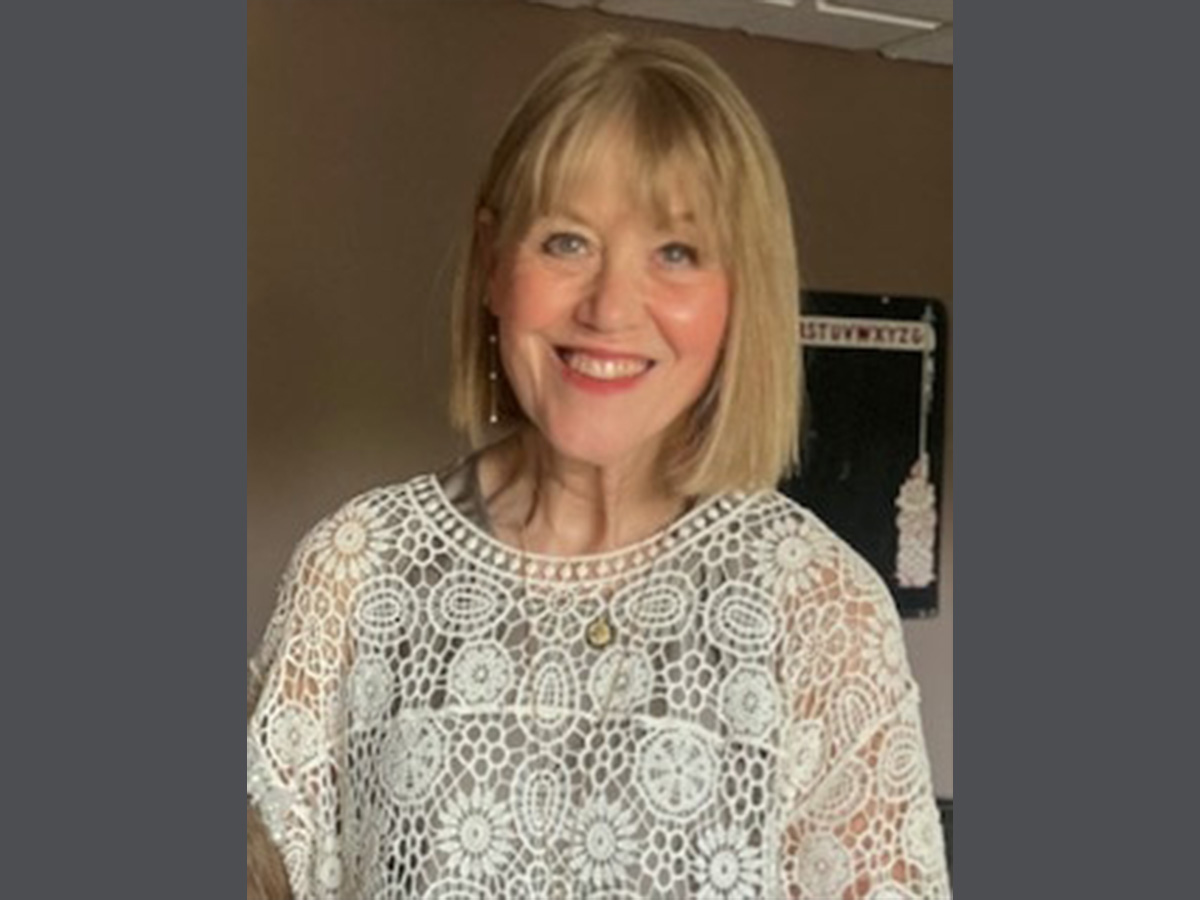 This new therapy can offer hope for the thousands of patients impacted by multiple myeloma each year, including Sally Herring, an episcopal priest and a UAB patient, who has been cancer-free for three years. (Photo provided by Sally Herring)During the trial, Herring received the new two-drug immunotherapy regimen. Every few weeks, she would receive the injections and get her blood work done to track her progress. Herring has been cancer-free for three years.
“Every month my blood work comes back clear, I thank God for another month of being cancer-free,” Herring said.
Herring uses her cancer journey as a way to help others. While working as a medical social worker at UAB and now as a priest at Saint Stephen’s Episcopal Church, she continues to offer hope to fellow cancer patients as they embark on their own cancer treatment journeys.
“My experience has helped me in my own ministry,” Herring said. “My cancer diagnosis is not who I am, but it allows me to talk to patients about what it is like to face something you are uncertain about. I am happy to be able to share my gifts with others facing difficult diagnoses.”
To learn more about clinical trials at UAB, visit onealcanceruab.org.