Severe bleeding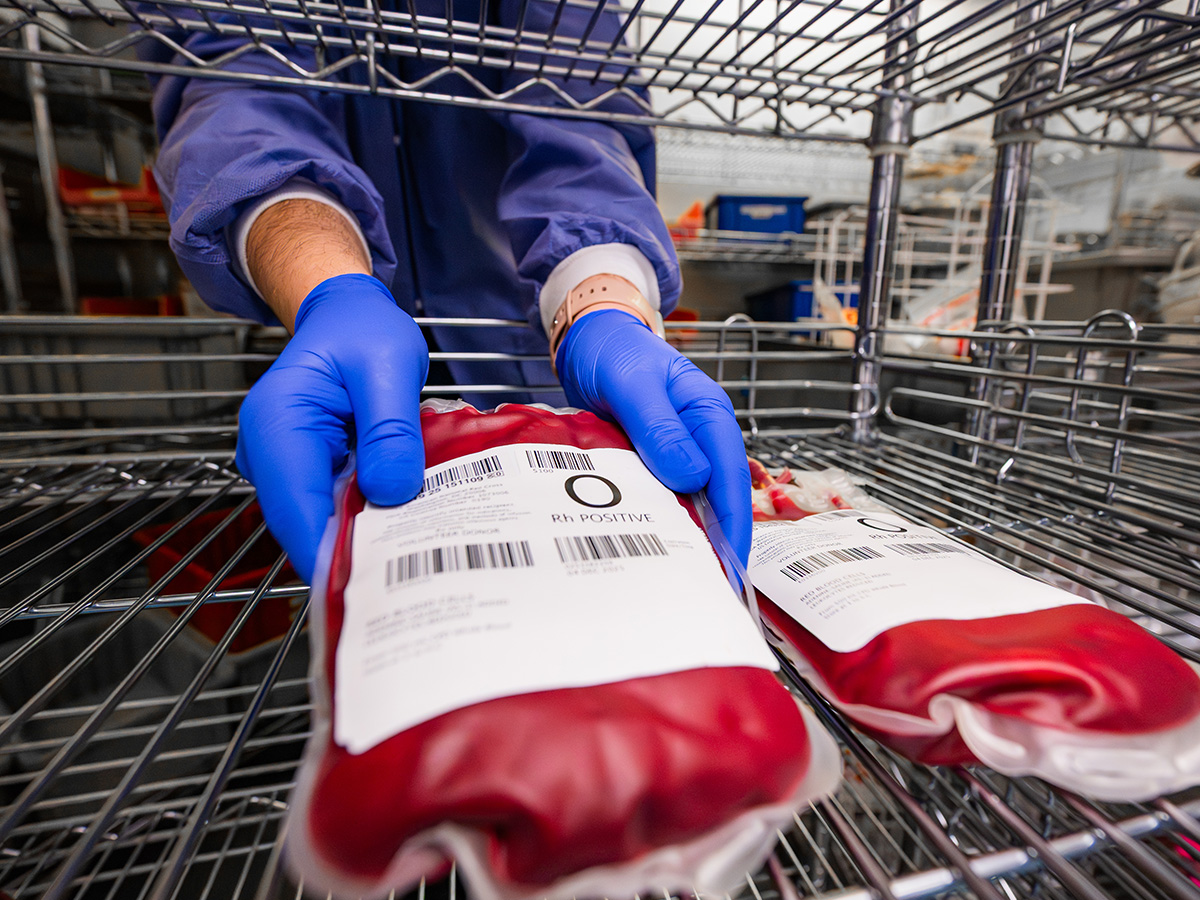 is one of the leading causes of preventable deaths in trauma patients in the United States, especially among victims of car accidents. Approximately 42 percent of patients who survive a car accident and are alive by the time emergency services arrive die from uncontrollable bleeding. By getting blood transfusions prior to arriving at the hospital, patients have a higher likelihood of survival. Researchers at the University of Alabama at Birmingham Division of Trauma and Acute Care Surgery recently received a grant through the Safe Streets and Roads for All Grant Program to help develop a plan aimed at reducing post-crash fatality in Central Alabama through evidence-based enhancements.
The grant totaling more than $333,000 will be put toward developing a Comprehensive Safety Action Plan to support the implementation of prehospital blood transfusion and telehealth-enhanced EMS care for crash victims. Central Alabama faces high post-crash deaths, many of them due to uncontrolled bleeding. UAB experts say these deaths could be preventable with prompt bleeding control and blood transfusion.
Prehospital blood helped one UAB patient beat a zero percent chance of survival, so why is it still underutilized? Learn more at uab.edu/news.
In addition to prehospital blood transfusions, real-time telehealth support from trauma care experts can empower EMS providers in delivering and coordinating complex lifesaving care closer to the scene of injury. UAB will partner with community stakeholders to create a plan for EMS agencies to be able to strategically use prehospital blood and telehealth to guide medics in the field administering care to trauma patients.
“Every minute we delay transfusing blood to these trauma patients, their risk of death increases by 2 percent,” said Mohammad Zain G. Hashmi, M.D., assistant professor of surgery and principal investigator on the proposal. “Where you live should not determine if you live. This grant will allow us to work with community stakeholders to develop a plan that helps us ensure that every eligible patient who needs prehospital blood or telehealth-enhanced EMS care in Central Alabama can receive them.”