Department of microbiology

A UAB microbiologist provides insights into how bacteria are widespread on various surfaces, ultimately debunking the five-second rule.
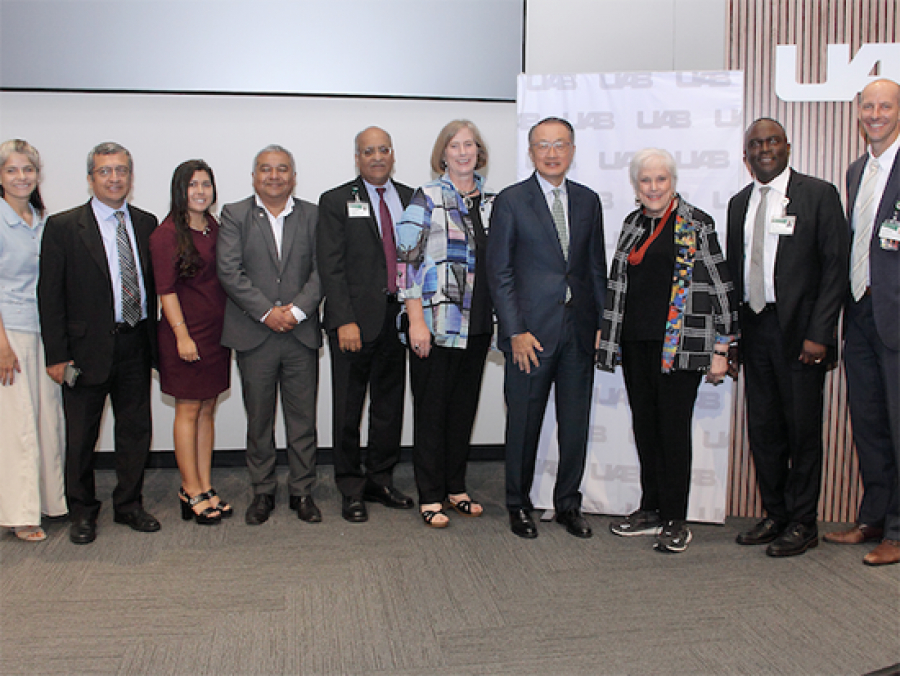
This innovative program addresses global health initiatives and medical training in Peru with Partners in Health, known locally as Socios En Salud, in Lima, Peru.
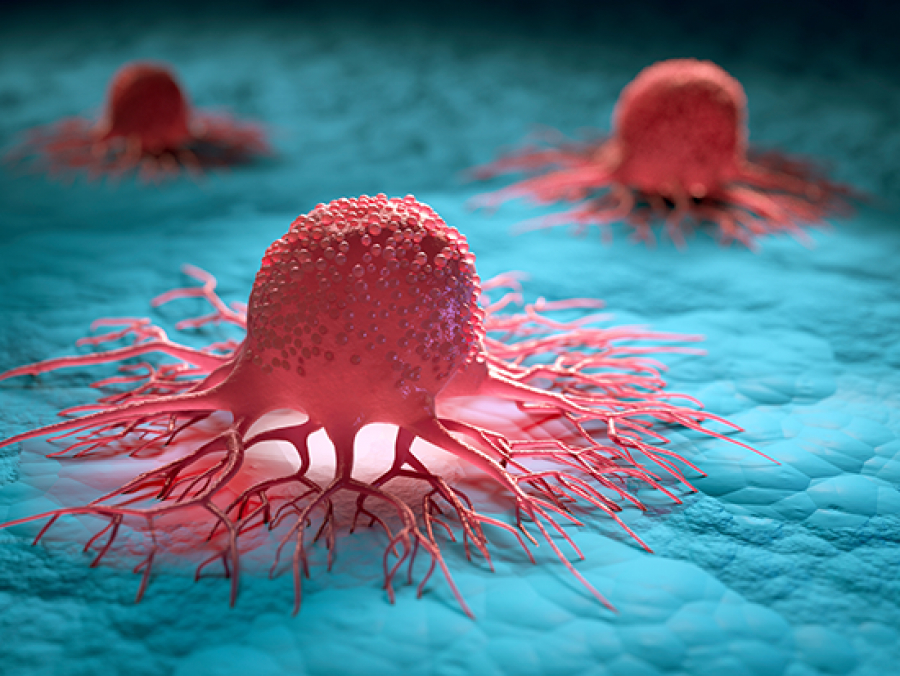
The regulator HIF1α functions in a cancer-microenvironment that lacks oxygen, and it may be involved in resistance to immune checkpoint blockade therapy.

Michael Niederweis, Ph.D., and Cynthia Owsley, Ph.D., who collectively hold 23 patents, have been recognized for approaches to DNA sequencing and detection of impaired dark adaptation, respectively.
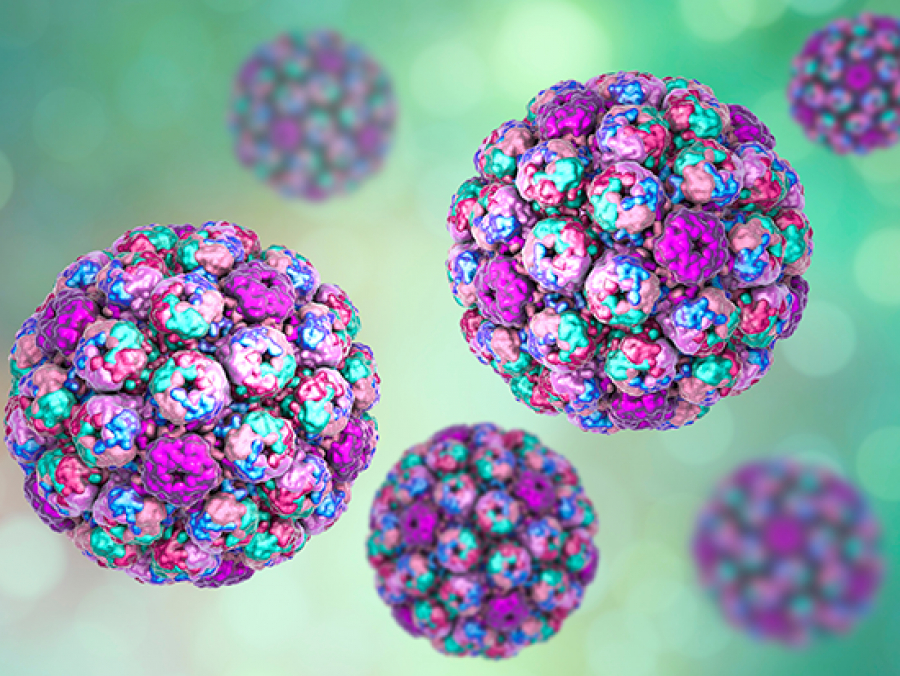
There are no effective antivirals against BK polyomavirus in transplanted kidneys. A better understanding of its replication will offer new ways to protect those kidneys.

A UAB gut health researcher shares five tips to help you maintain a healthy gut while enjoying holiday meals and treats.
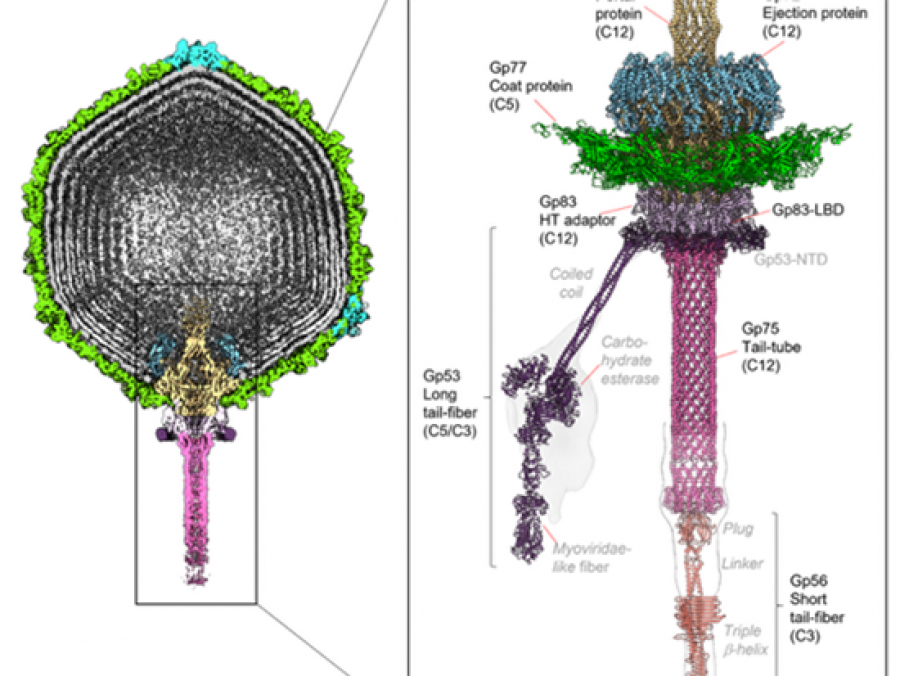
Bacterial viruses, known as phages, are the most abundant biological entities on the planet and are increasingly used as biomedicines to eradicate antibiotic-resistant pathogenic bacteria.
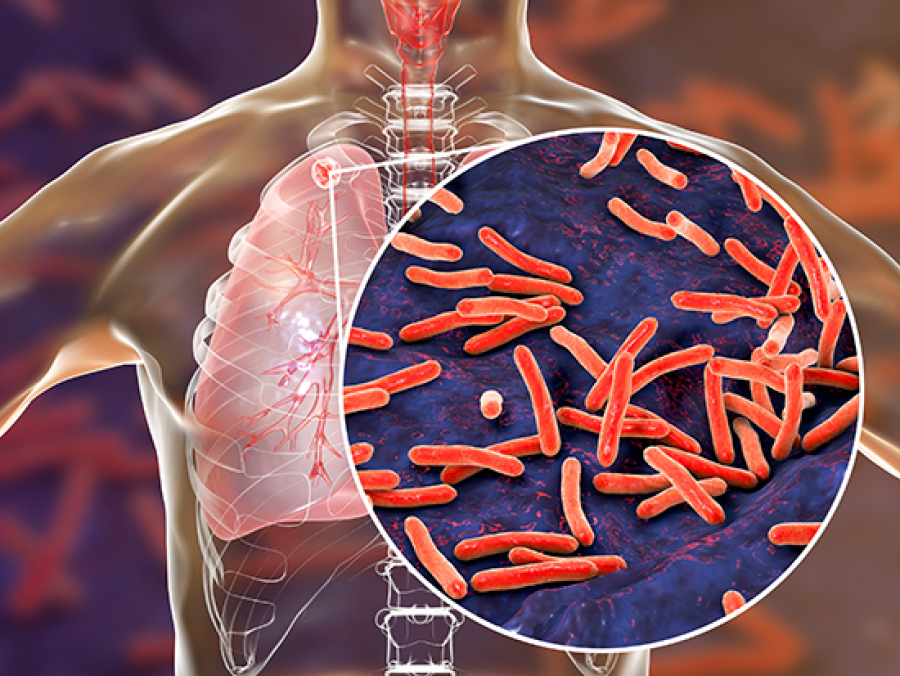
Goal of this UAB-led service is transforming the global landscape of TB research through accelerated study of human TB tissue.

Indirect benefits could include how to lessen rejection of transplanted organs and damage to the transplanted tissue.
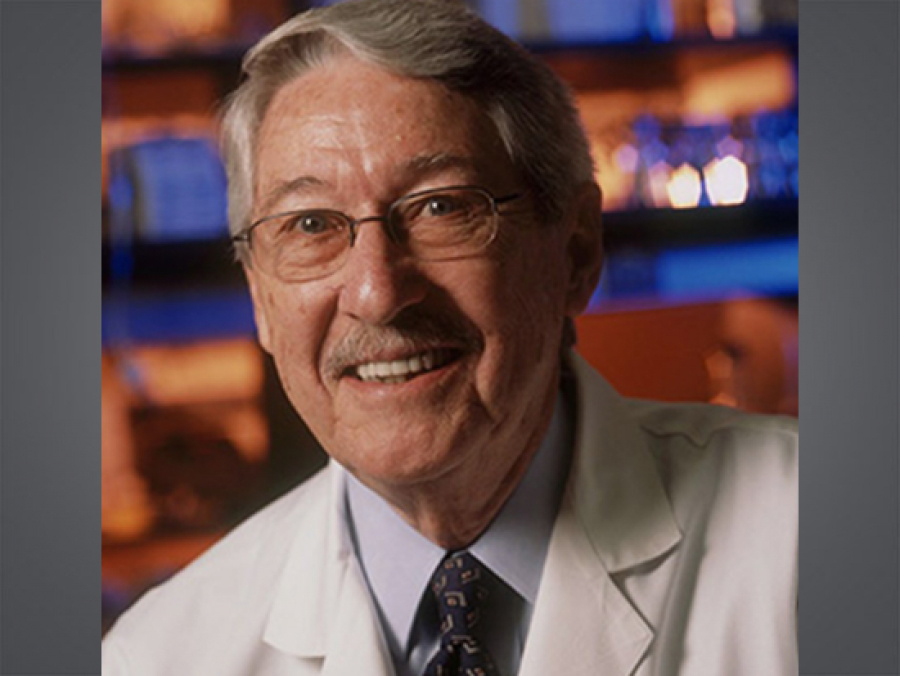
Cooper recently won the Albert Lasker Award, known as “America’s Nobel Prize,” given to the living person considered to have made the greatest contribution to medical science.

Lund is the fifth Distinguished Fellow from UAB named since 2019, a sign of the strength of immunology research at UAB.
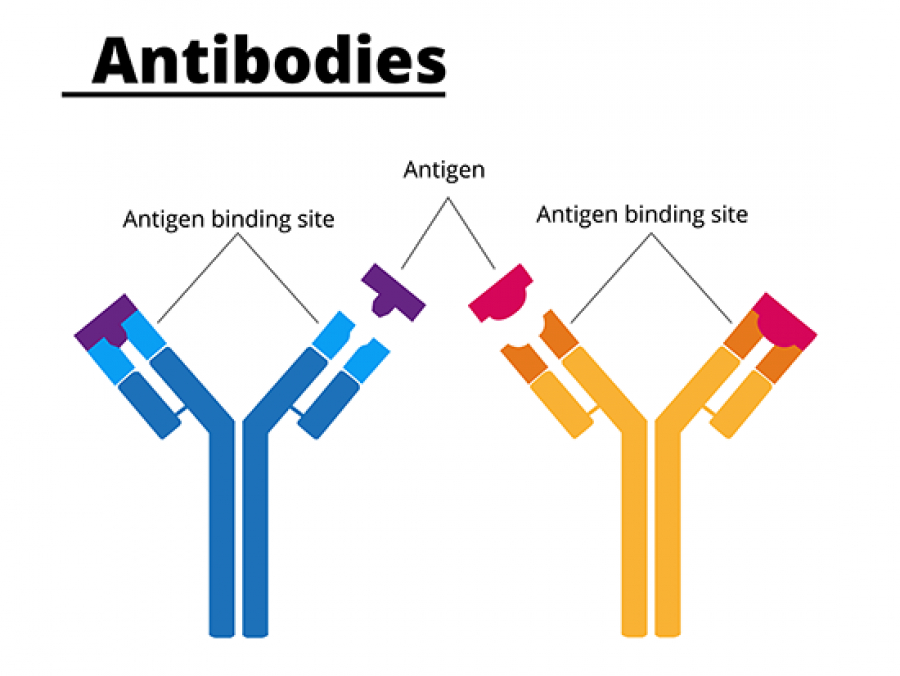
The site-directed addition of a polymer on the antibody trastuzumab helped this cancer-fighting antibody cross the blood-brain barrier.
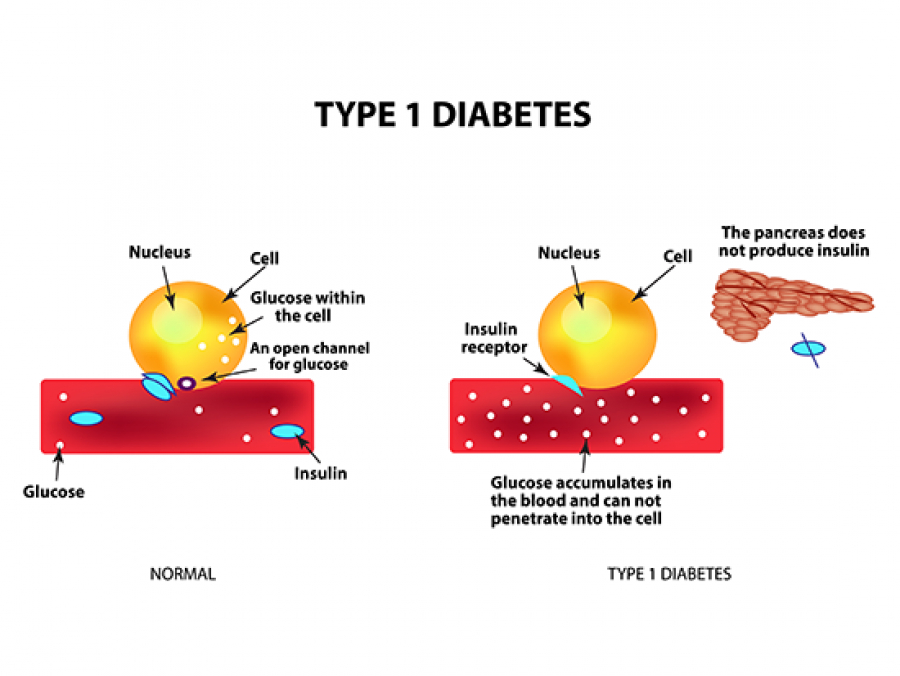
Vaccination of neonatal mice with group A Streptococcus promotes clonal expansion of B cells that produce antibody against GlcNAc. The association of reduced Type 1 diabetes risk after group A Streptococcus infection is dependent on these GlcNAc-specific B cells.
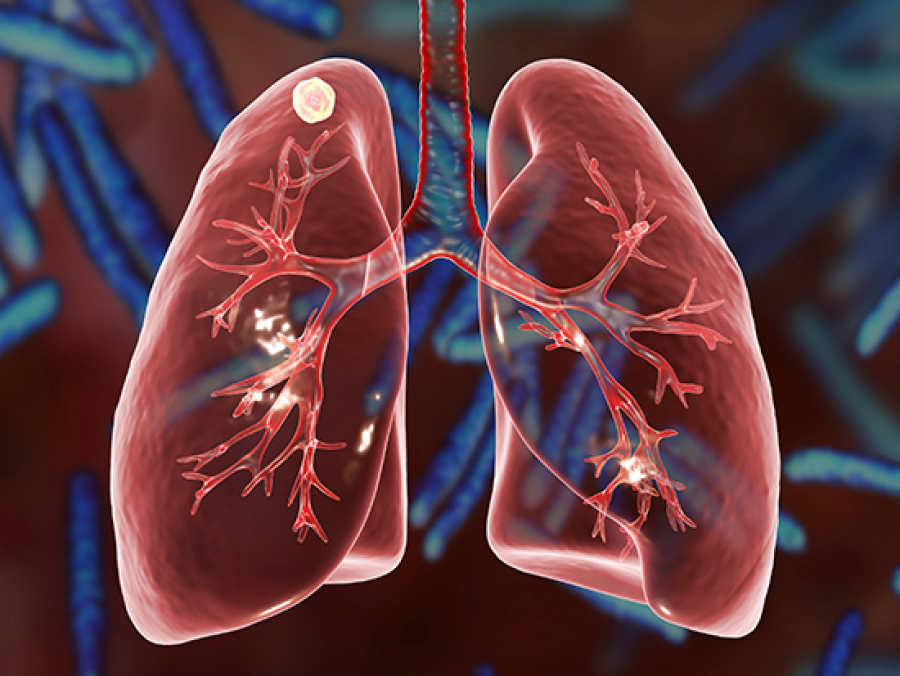
Tuberculosis, the world’s leading infectious disease killer, caused 1.6 million deaths in 2021, along with 10 million new cases of tuberculosis every year.

The Blazer Bridge Fund is intended to identify and assist in the development of promising ideas, discoveries, innovations and/or technologies from UAB faculty and staff that have commercial potential.
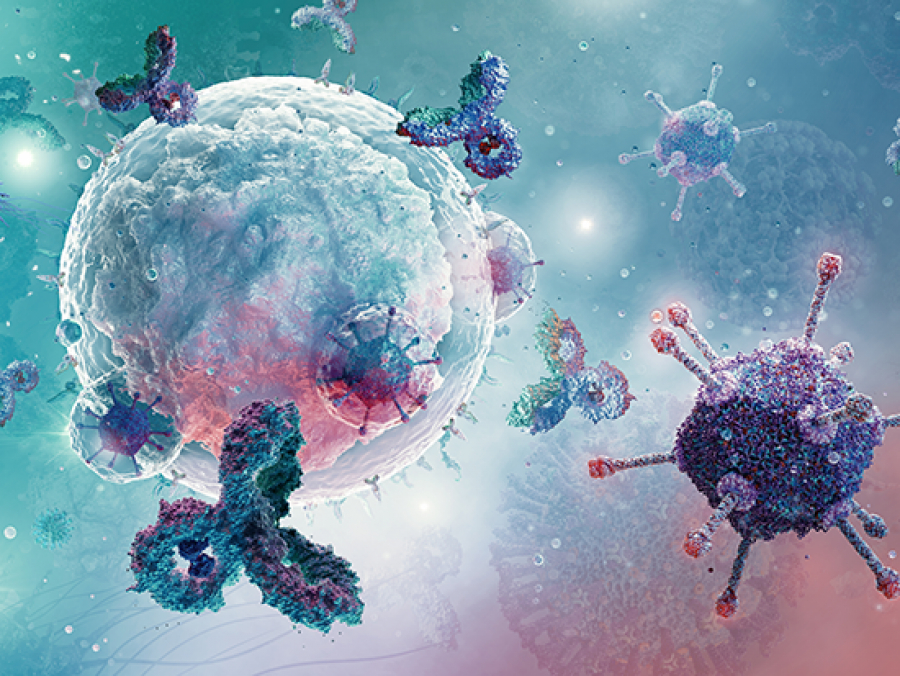
Lung-resident memory B cells produced during influenza are long-living immune cells that migrate to the lungs from draining lymph nodes and lie in wait as early responders that can quickly react to future infections. They are key sentinels against subsequent viral variants.
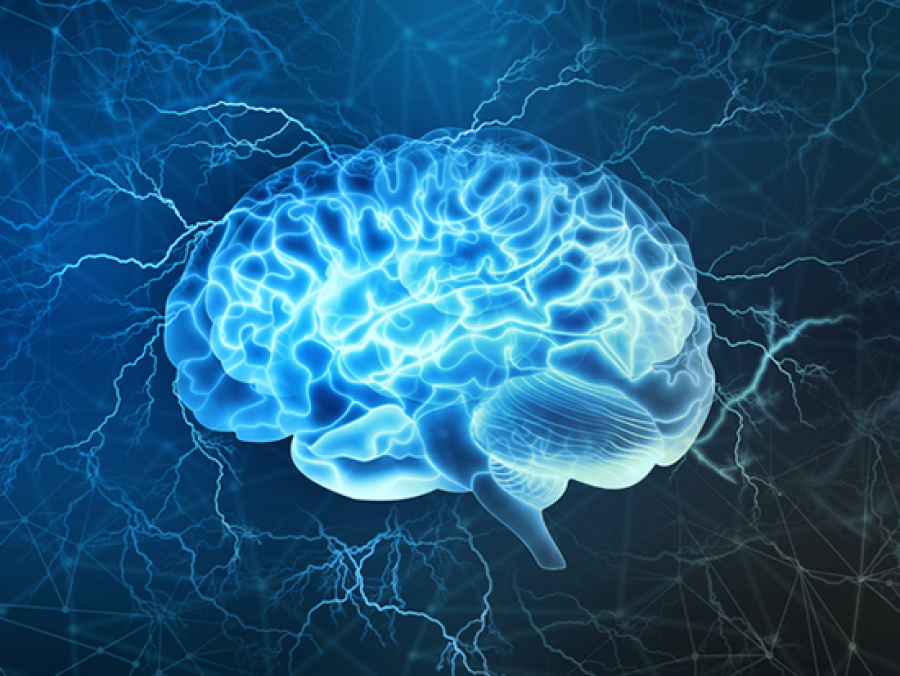
Periodontal disease is one of the leading causes of tooth loss in adults and may be a risk factor in the development of Alzheimer’s disease.
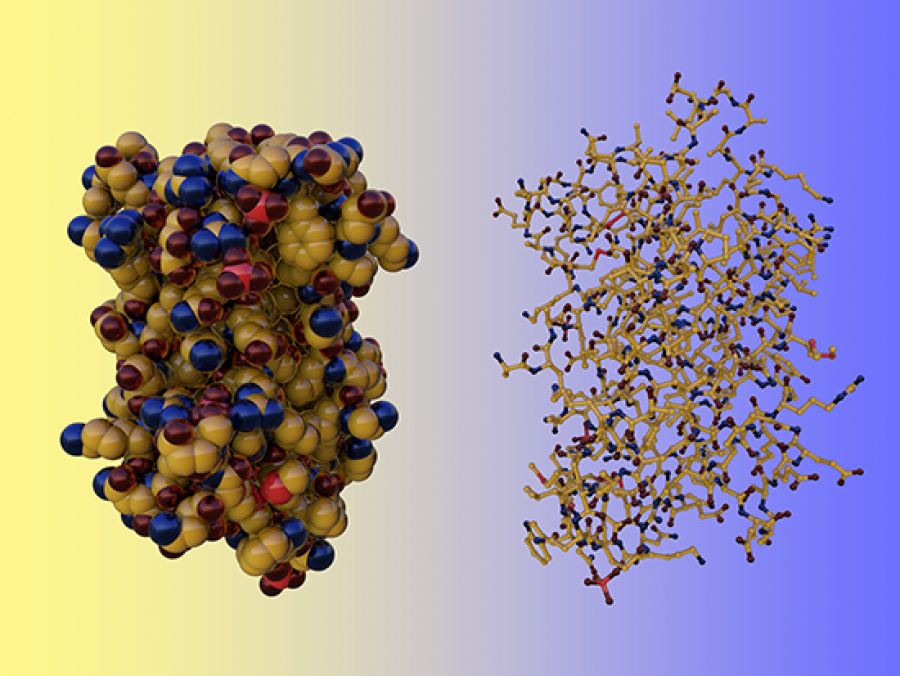
Knowledge of this previously unrecognized mechanism may aid therapy for patients with interleukin-6 signaling mutations and hyper-IgE Syndrome, or HIES.

These effector memory B cells appear poised for a rapid serum antibody response upon secondary challenge one year later, and evidence shows that the cells in this subset differ from all previously described memory B cell subsets.
Having a bacterial infection at the same time as COVID-19 is a greater risk factor for COVID-19 severity and mortality than previously described risk factors such as advanced age, male sex or various comorbidities.