Department of microbiology
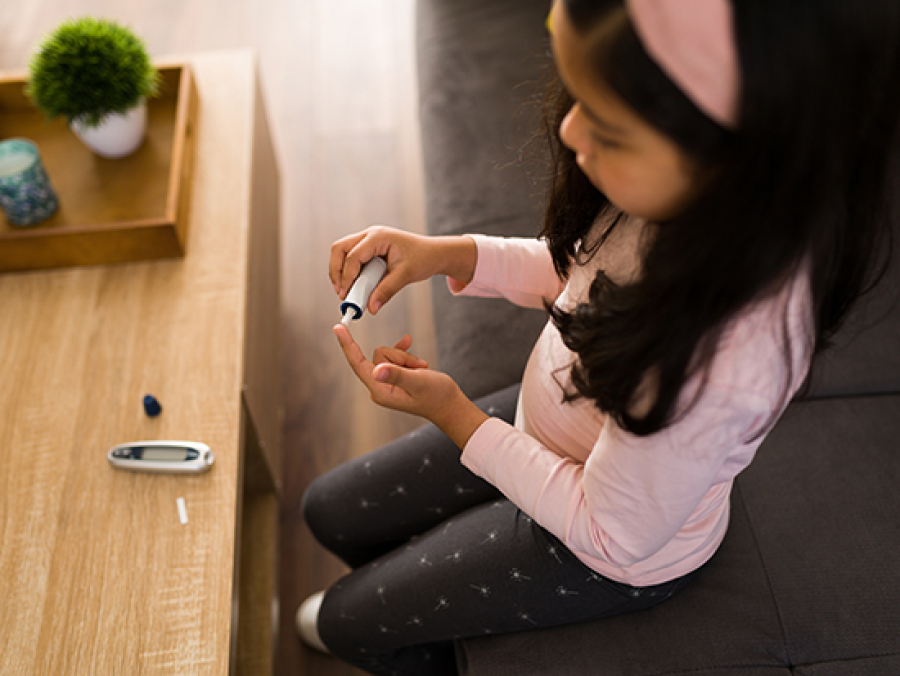
The clinical trial focused on very young children, who have a more rapid loss of the pancreatic beta cells than do adolescents. The trial was constrained to a low-dose level, but showed safety and tolerability and reduced serum glucagon, a secondary outcome.
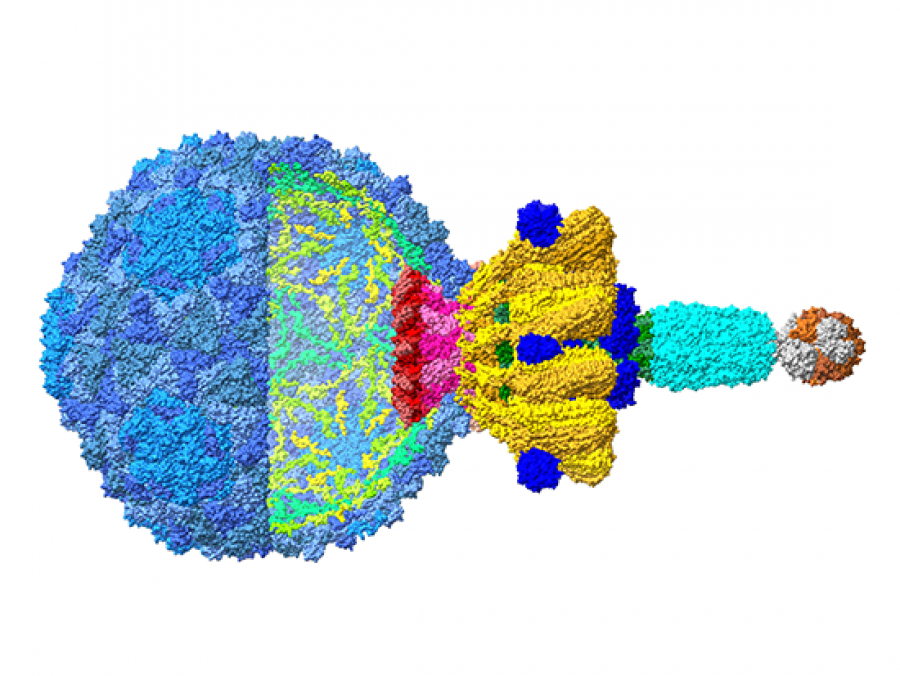
High-resolution knowledge of structure is a key link between viral biology and potential therapeutic use of the virus to quell bacterial infections.

A novel activity against hypothiocyanite has been found for an E. coli enzyme and homologs enzymes in Streptococcus, Staphylococcus and Bacteroides species, with implications for diseases like cystic fibrosis and inflammatory bowel disease.
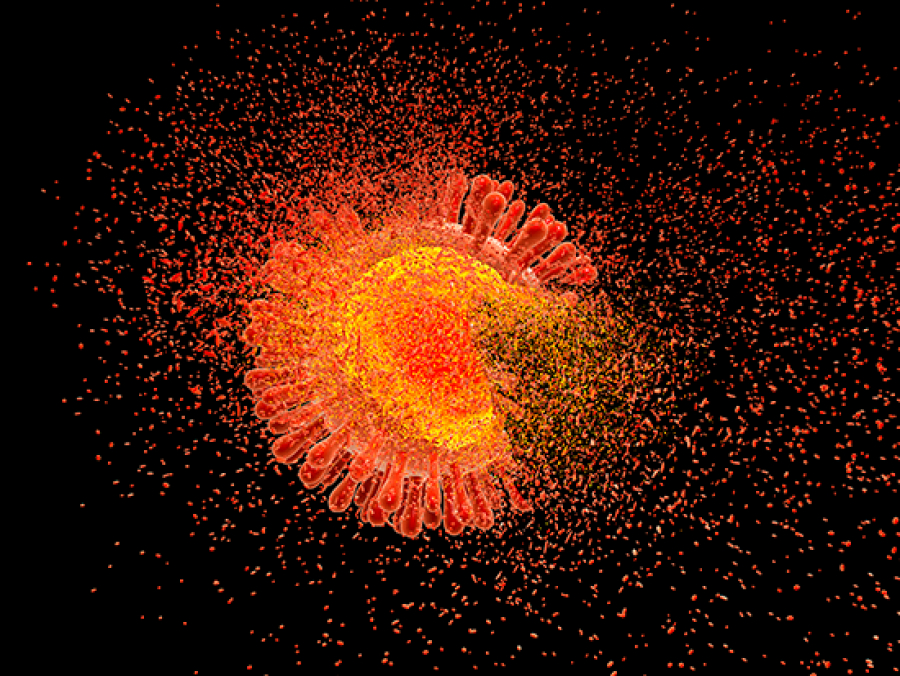
X-ray crystallography revealed the structure of the HIV-1 matrix protein at 2.1 angstroms resolution, advancing understanding of key mechanisms of viral assembly.
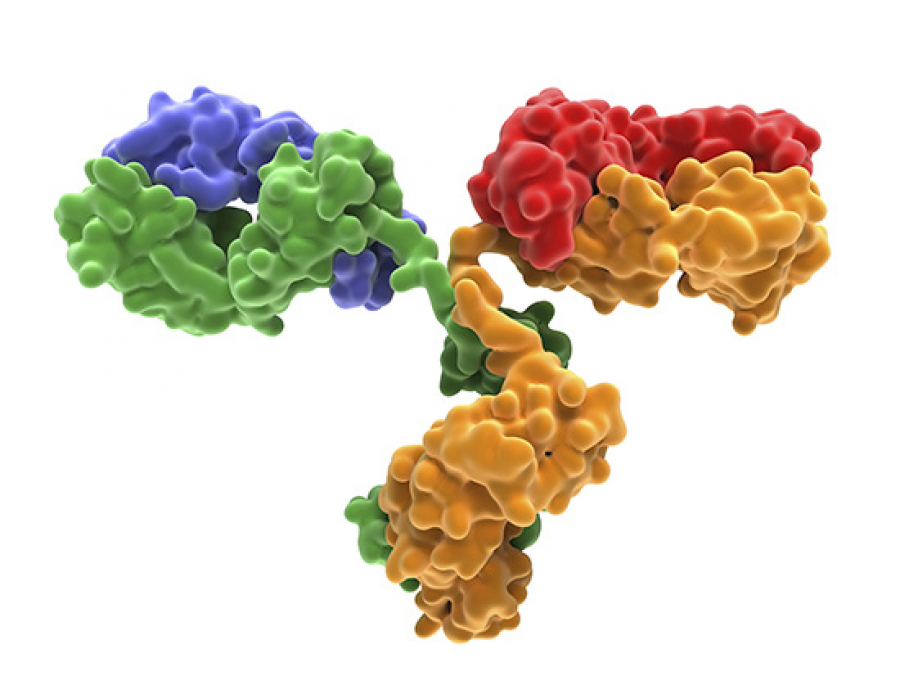
The monoclonal antibody cocktail is deliverable via a nasal dose, and it is also effective against SARS, MERS and several coronavirus cold viruses. The antibodies are engineered for long-acting effectiveness, potentially lasting a year or more when used in humans.
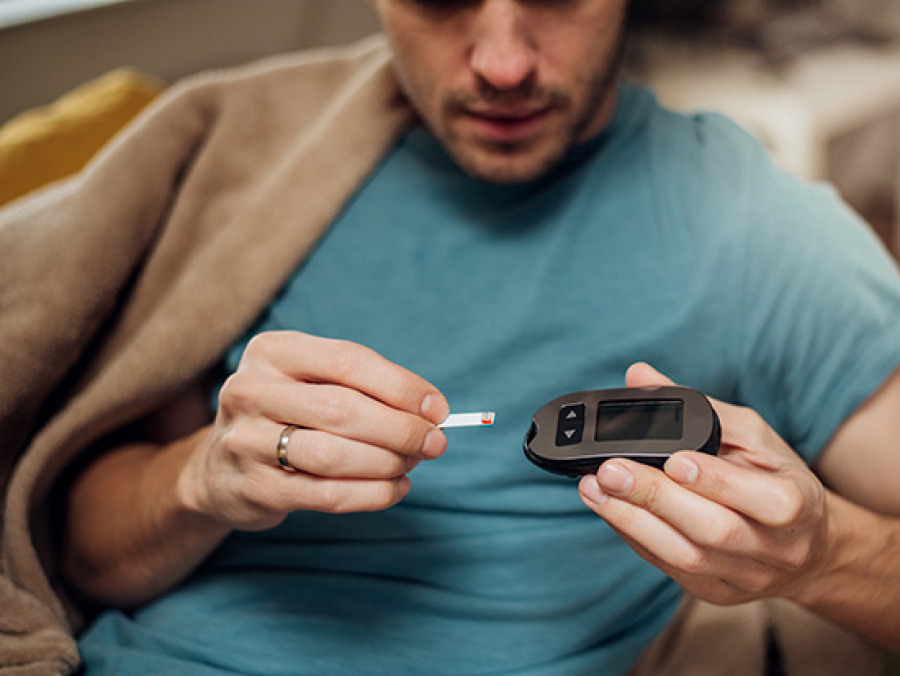
Benefits of the blood pressure medication verapamil include delayed disease progression, lowered insulin requirements and preservation of some beta cell function.
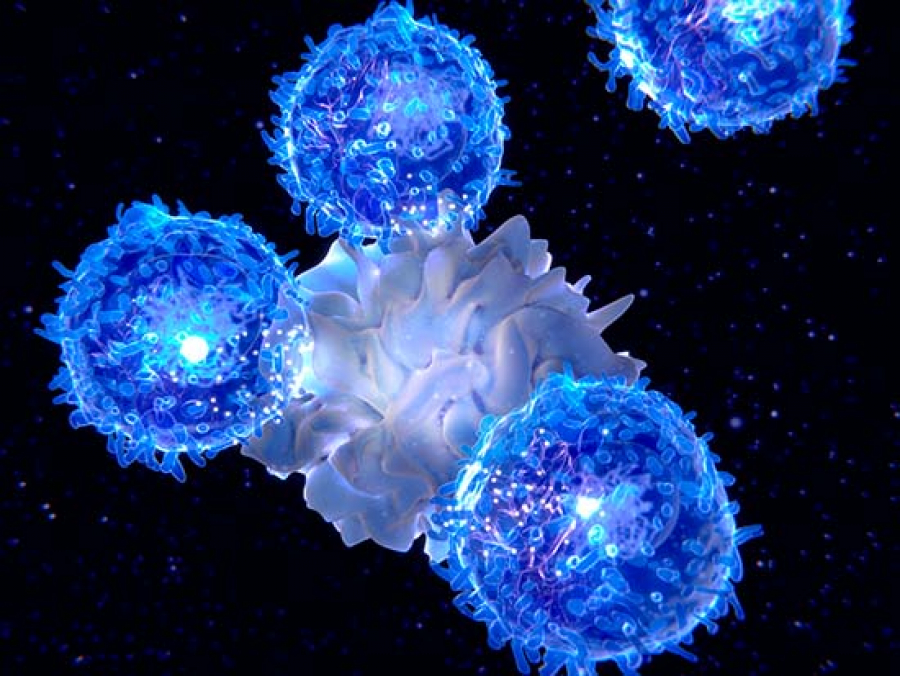
In response to a viral infection, intrinsic IL-2 production by effector CD8 T cells affects IL-2 signaling, leading to different fates for two subsets of those cells — the one producing IL-2 and the one not producing IL-2.
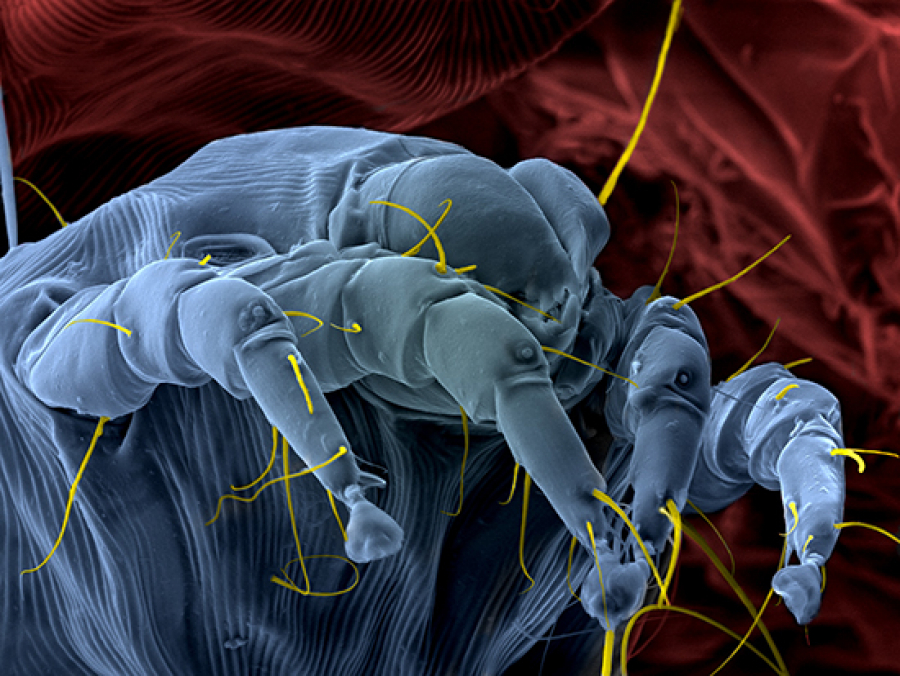
A detailed mechanistic study unravels how the bacterial endotoxin LPS prevents or promotes allergic disease.
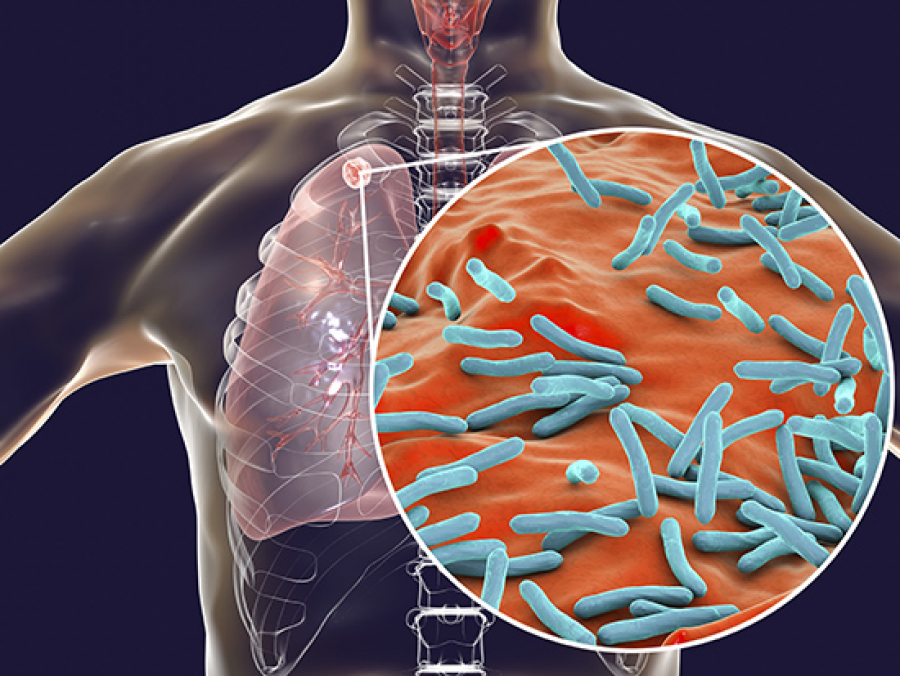
Bacteria use molecular machines to move proteins, including toxins, across cell membranes. M. tuberculosis, which kills more than 1 million people a year, uses the ESX-4 type VII secretion system to transports its potent exotoxin.
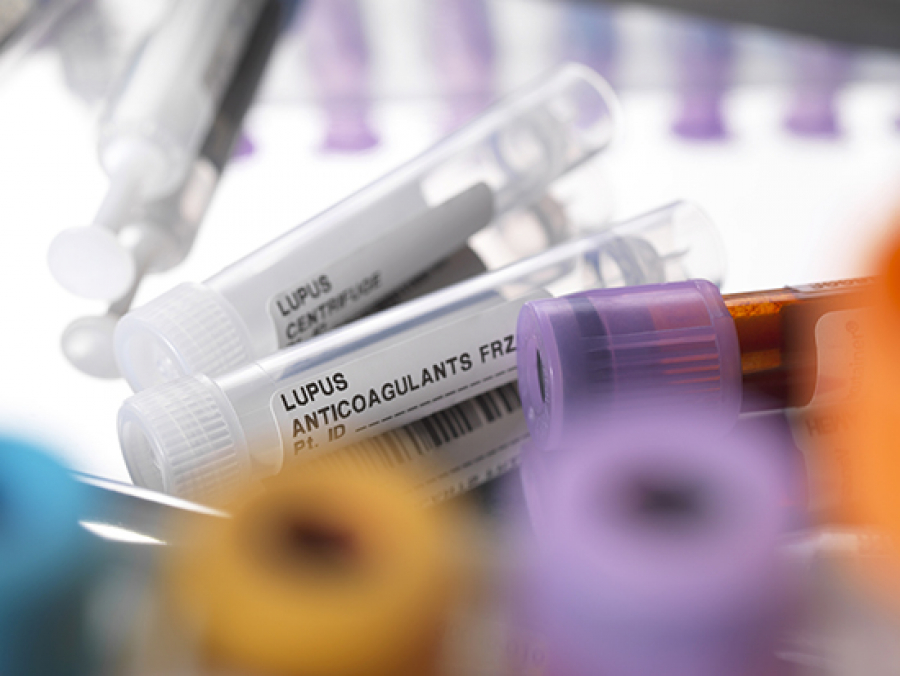
Lupus, an autoimmune disease that can attack any part of the body, can be confounding because patients often respond differently to the same treatment, and they vary widely in the severity of their symptoms.
Record $95 million Heersink lead gift to advance strategic growth and biomedical innovation.
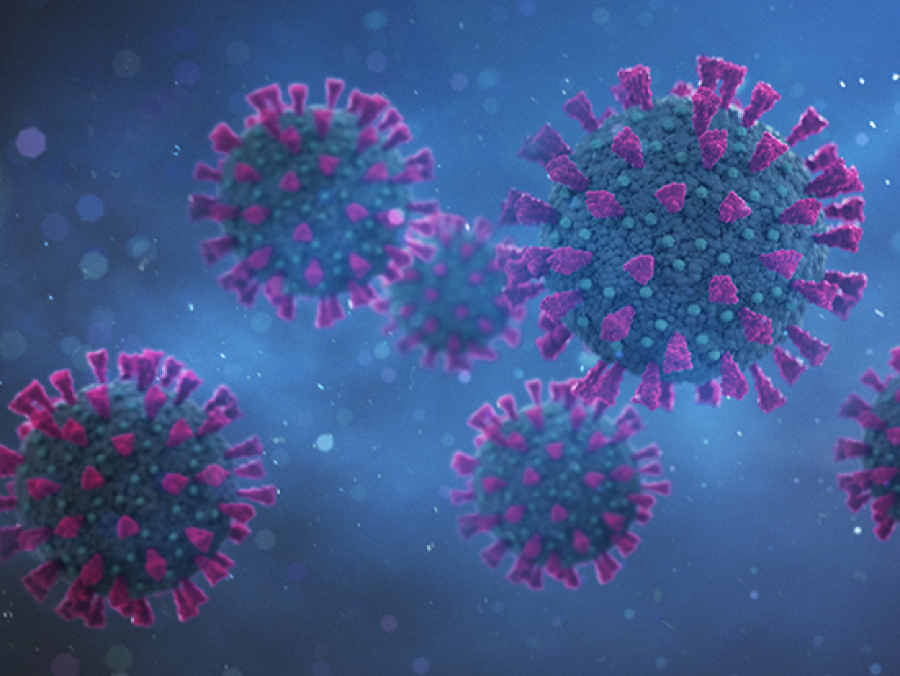
The higher infectivity correlates with mutations that increase viral binding to a cell surface glucosaminoglycan, heparan sulfate.

This finding upends the long-held paradigm that priming during lung infections takes place only in the draining lymph nodes, and it will be key to developing more efficient vaccinations and therapies for respiratory challenges.

This novel virulence trait, which increases severity of S. pneumoniae superinfection, involves pneumococcal surface protein A, now identified as an adhesin.

A comprehensive health-screening program in rural northern KwaZulu-Natal has found a high burden of undiagnosed or poorly controlled non-communicable diseases.

Knowledge of the specific flagellins that drive the pathogenic immune response in Crohn’s disease is a step toward a potential preventive treatment.

The list was made by a group that aspires to bolster and increase diversity across all scientific fields, promote retention through the “leaky academic pipeline,” and broaden academic and industrial awareness of diversity and inclusion.
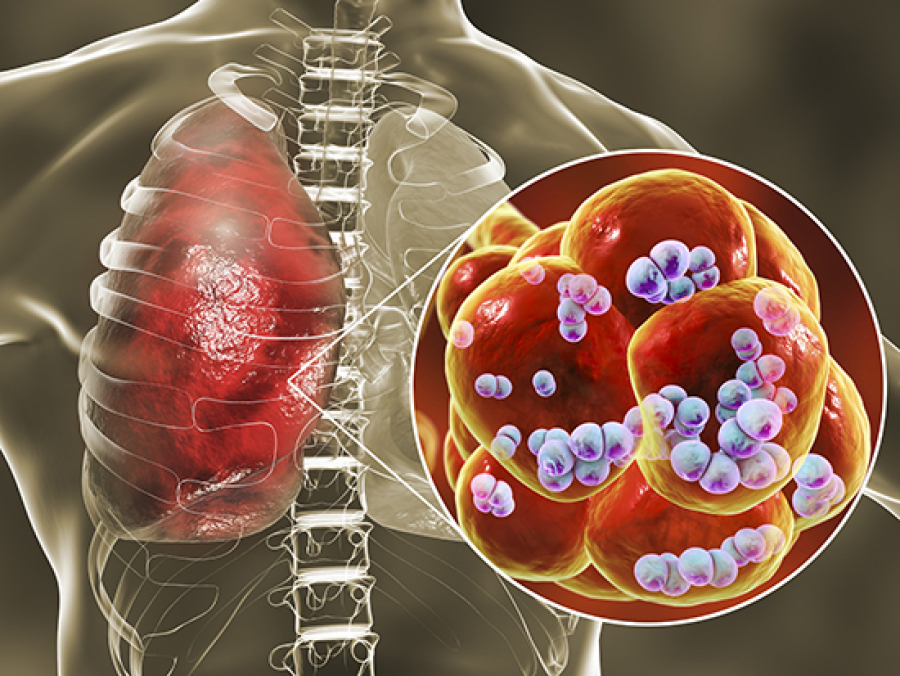
Streptococcus pneumoniae is an opportunistic pathogen that commonly infects young children and the elderly. This atlas will help researchers better understand how to treat these infections.

The novel coronavirus can live on certain surfaces for up to two to three days.

Study points to a potential immediate treatment for this devastating disease.