Release
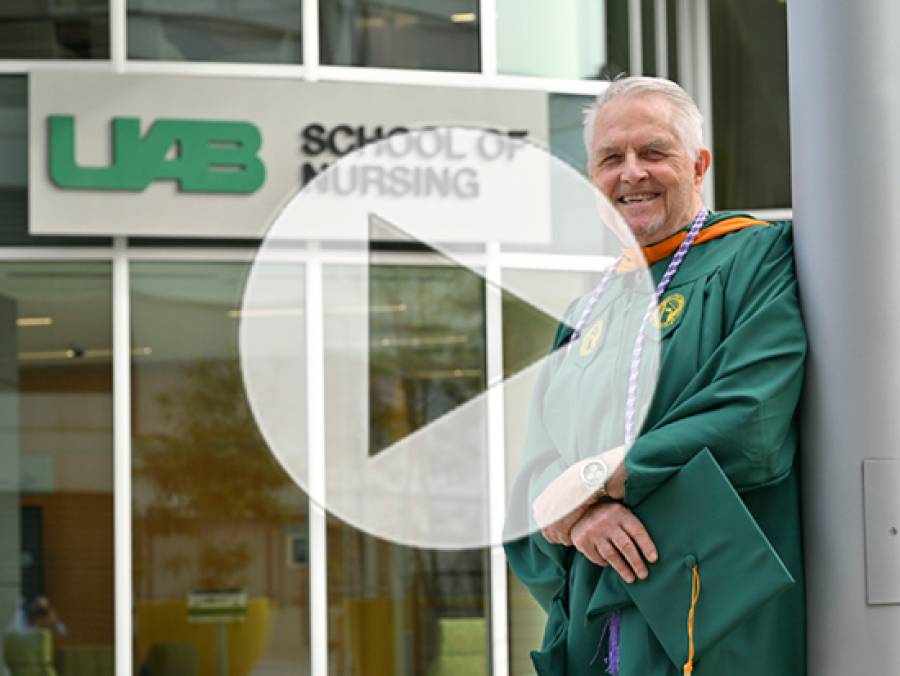
Over 55 years after earning his first degree, Donald Diltz will graduate from the UAB School of Nursing and begin an internship at UAB Medicine at the age of 77.
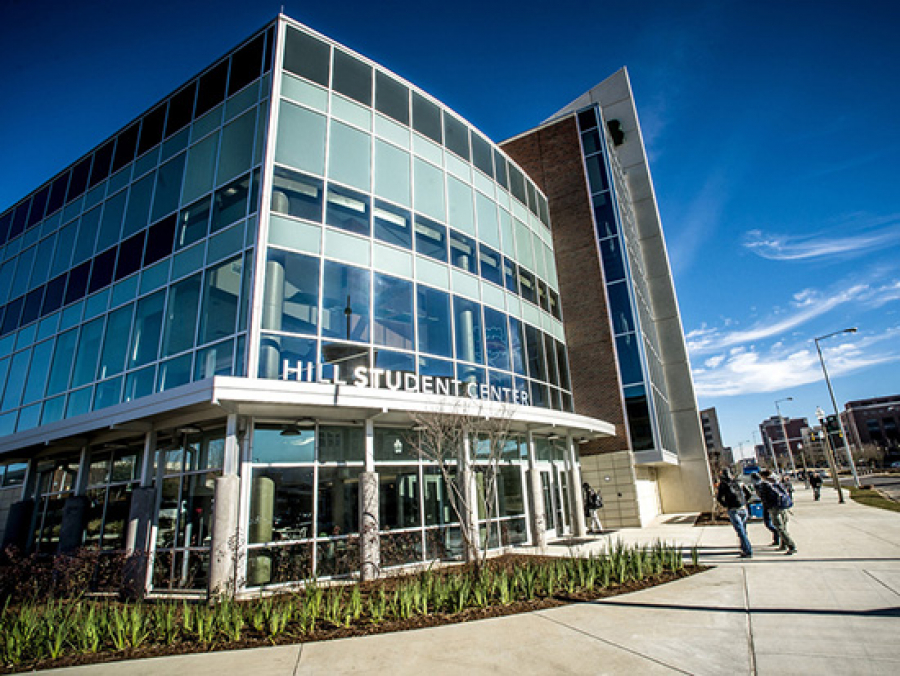
The popular fast-food chain, known for its delicious chicken sandwiches and exceptional customer service, will become a welcome addition to the campus dining options.
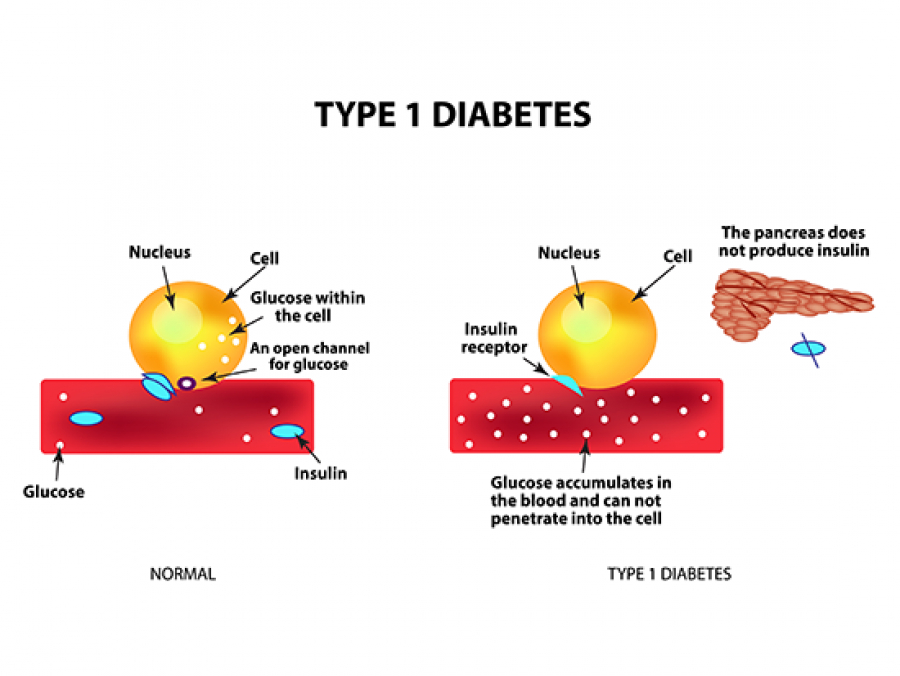
Vaccination of neonatal mice with group A Streptococcus promotes clonal expansion of B cells that produce antibody against GlcNAc. The association of reduced Type 1 diabetes risk after group A Streptococcus infection is dependent on these GlcNAc-specific B cells.
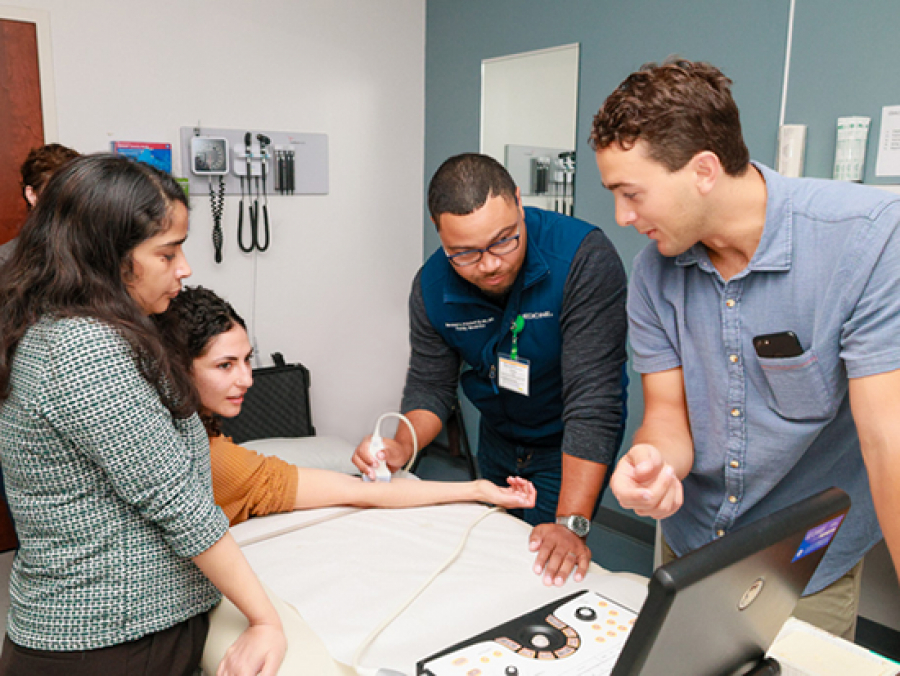
Using a handheld ultrasound device, a trained clinician can rapidly and accurately diagnose anything from kidney stones to heart function, saving time and money for patients in rural and urban underserved areas.

Fowler will graduate with his Bachelor of Science degree in psychology from UAB in the fall 2023 commencement ceremony Friday, Dec 8.
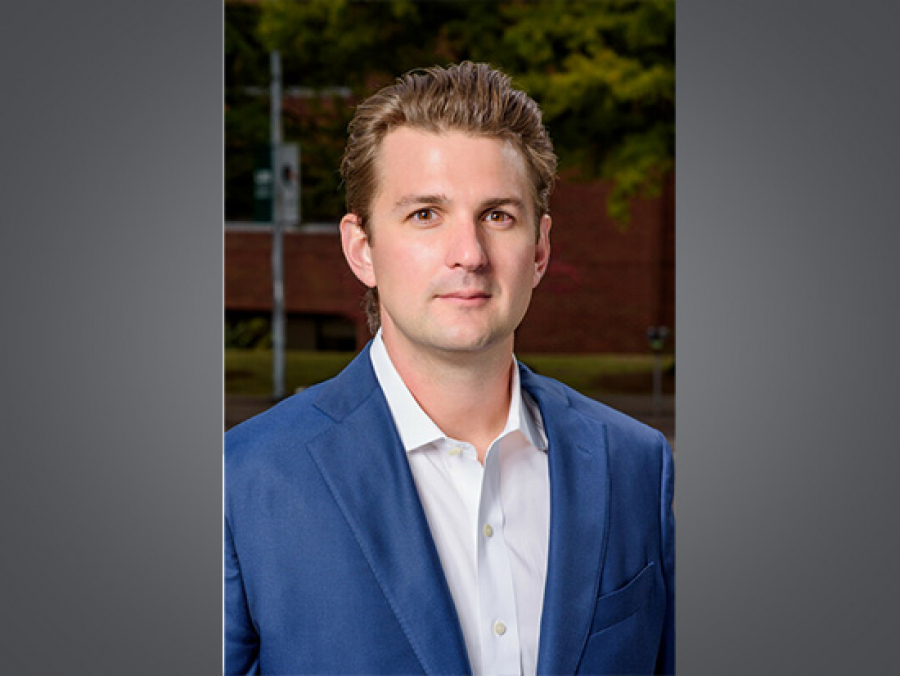
This is the largest grant the Department of Political Science and Public Administration has received.
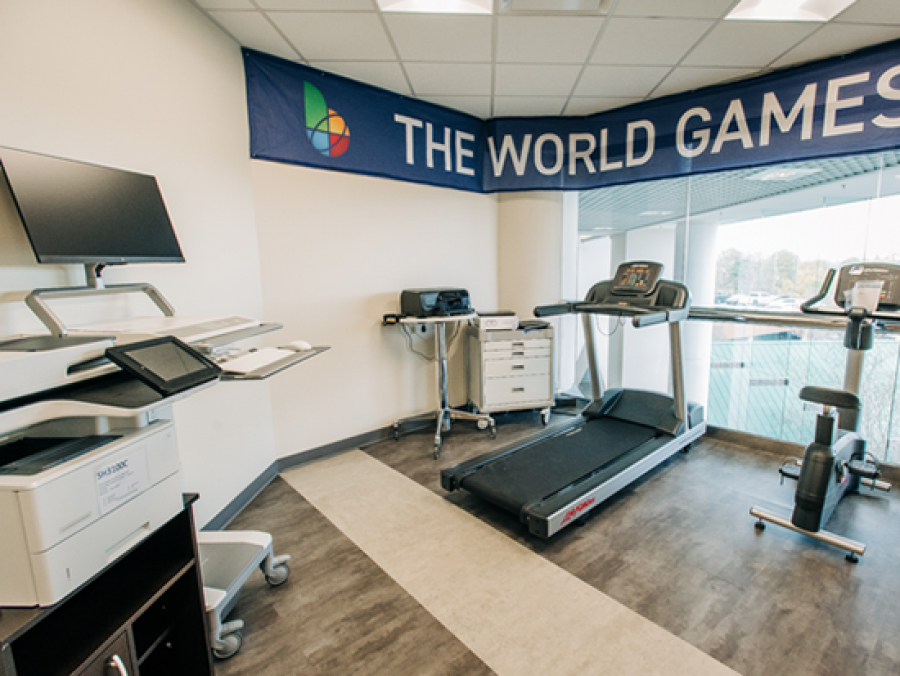
The multidisciplinary clinic will offer a full spectrum of sports and exercise medicine services to patients, including non-operative and surgical procedures and nutritional, biologic injections, cardio, exercise in pregnancy, and physical medicine and rehabilitation services.
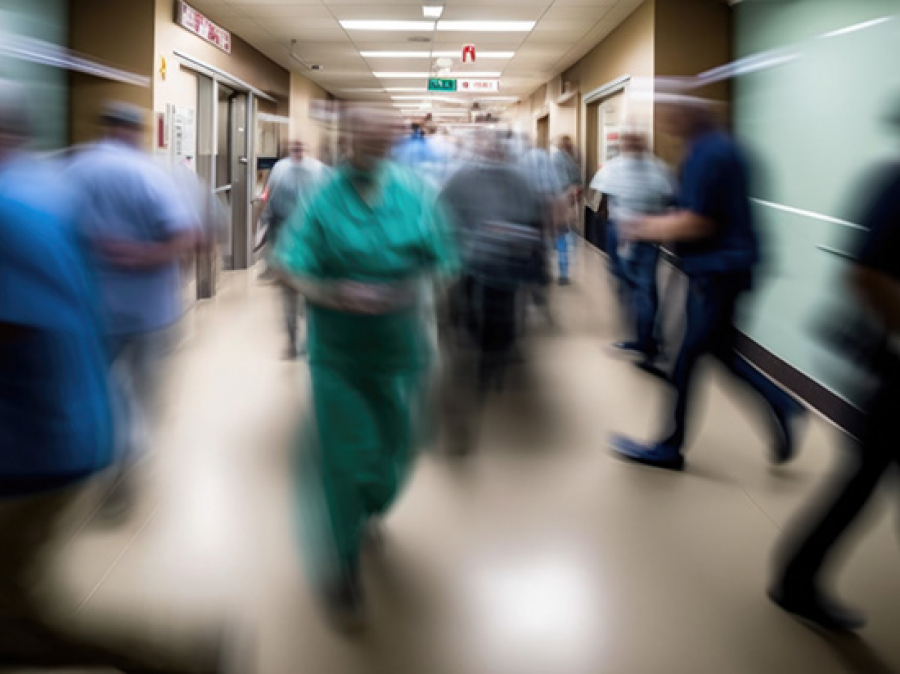
The research team’s goal is to create a customizable solution that can be applied across various health care settings to reduce overcrowding in emergency departments.
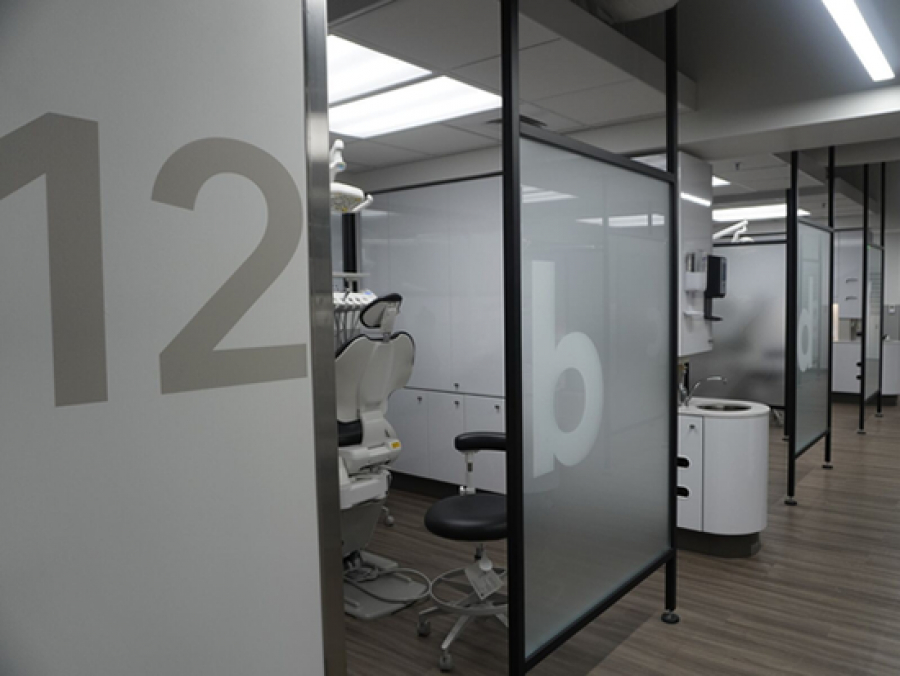
The expansion is one part of a larger renovation of the SOD facilities that includes improvements to the spaces for walk-in emergency patients, treatment planning, waiting rooms, business office space and office areas.
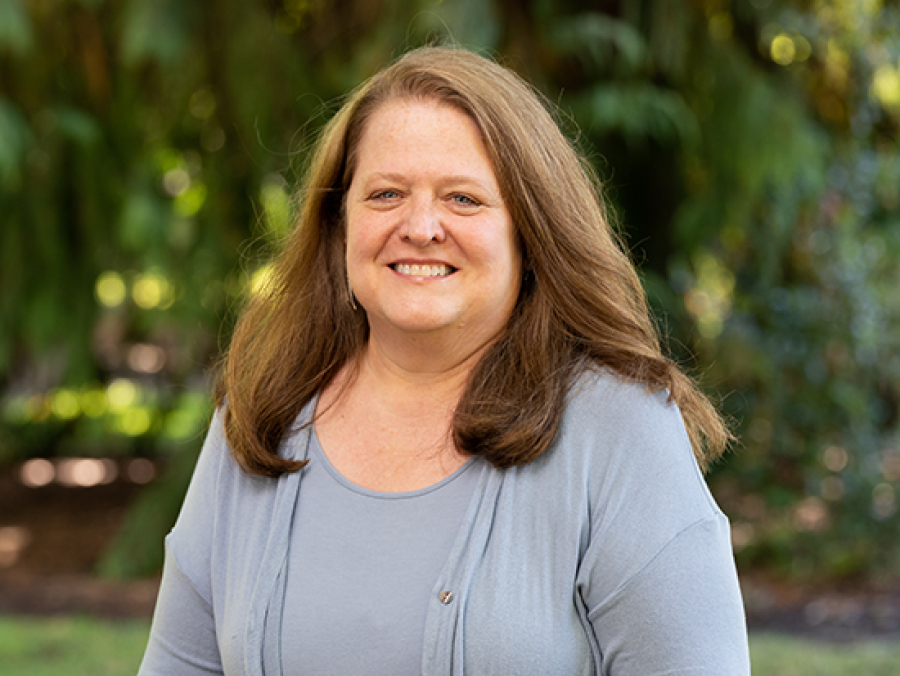
Woodruff-Borden will join UAB on Feb. 1 from the University of Oregon, where she has served as interim provost and executive vice president for the past 15 months.
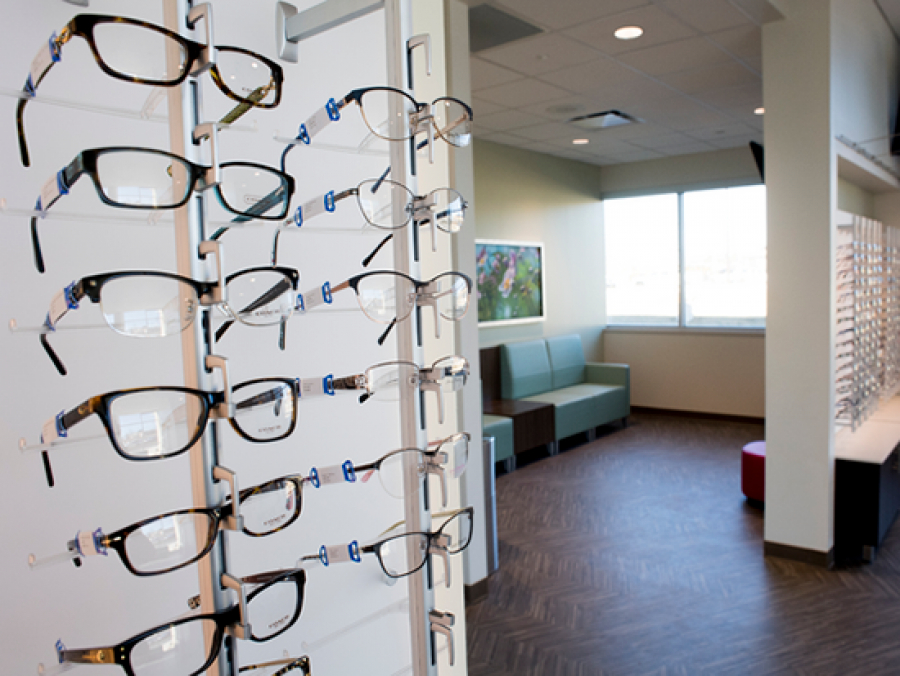
At this event, UAB Community Eye Care provides free comprehensive eye exams and glasses to qualified participants.
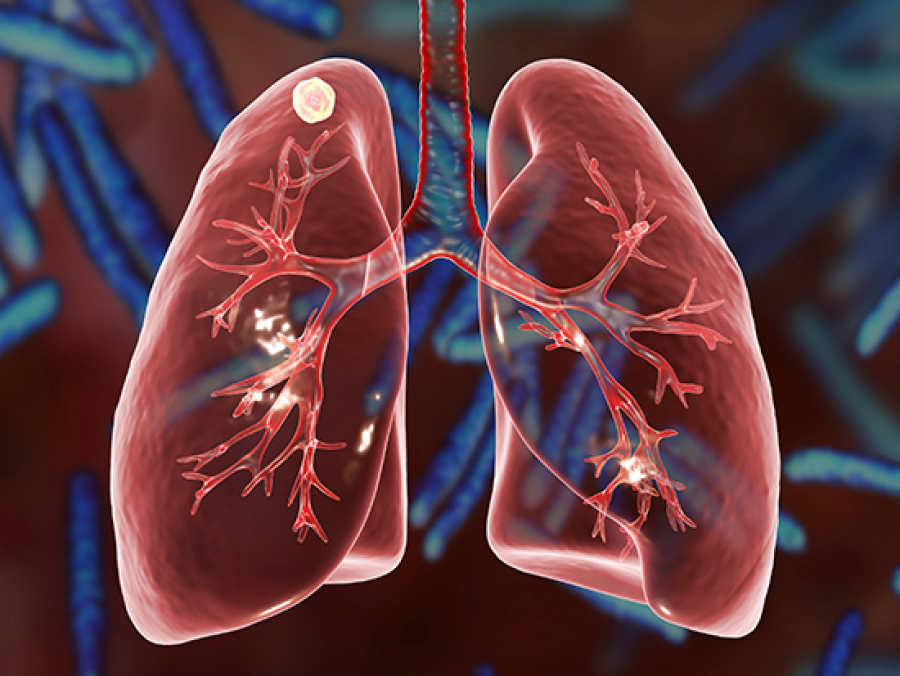
Tuberculosis, the world’s leading infectious disease killer, caused 1.6 million deaths in 2021, along with 10 million new cases of tuberculosis every year.
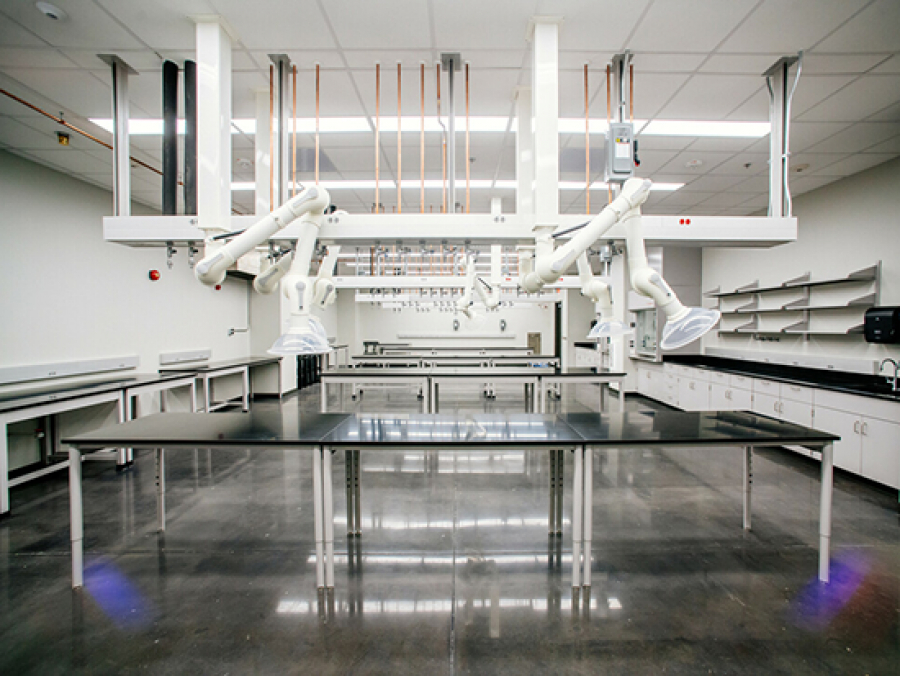
The unveiling of the new Science and Engineering Complex is helping “Forge the Future” of research at UAB.
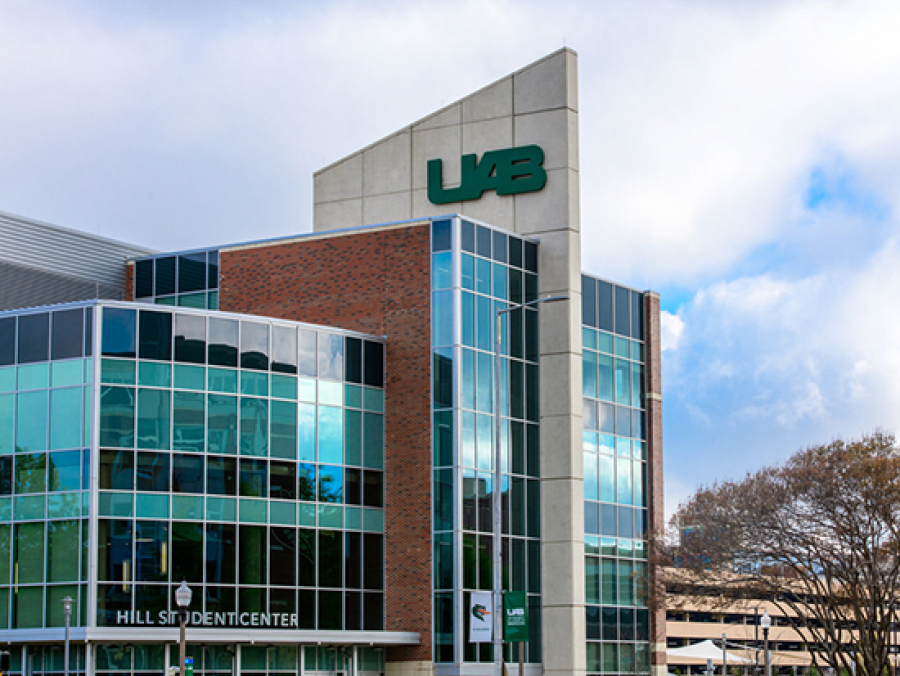
UAB received the IEP Innovation award, recognizing exemplary initiatives spurring innovation, entrepreneurship and technology-based economic development.

With people consuming media from dozens of different news sources, including social media, a UAB librarian explains how to avoid mistaking mis- or disinformation for the real thing.
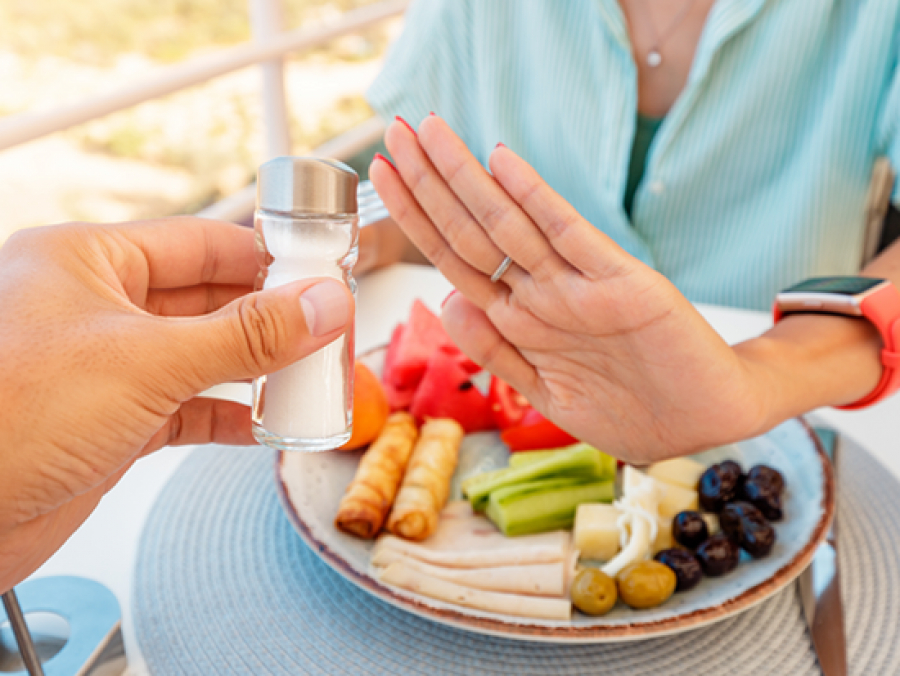
The study found that 70-75 percent of all participants, regardless of whether they were already on blood pressure medications or not, were likely to see a reduction in their blood pressure if they lowered the sodium in their diet.
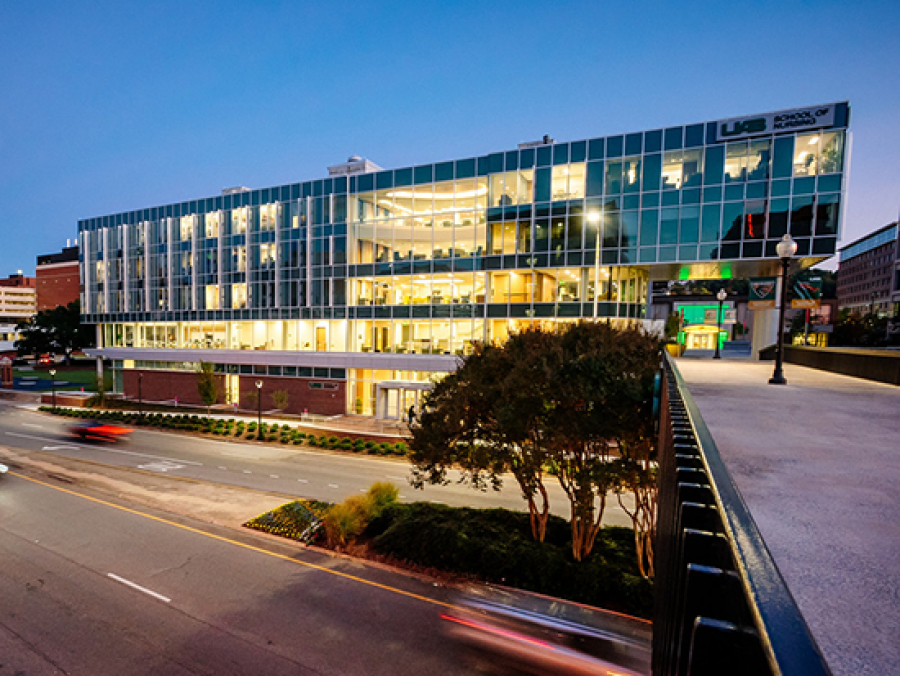
$2.3 million grant now aims to promote wellness of UAB School of Nursing students, faculty and staff
Phase II of the WE CARE grant will focus on providing support and helping them learn to manage stress and respond compassionately to others in distress.

UAB’s Ben Meadows, Ph.D., provides valuable insights into the projected trends for holiday sales and the potential impact on seasonal hiring in the retail sector.

Most seizures occur in non-medical settings. A UAB epilepsy expert provides information on best practices to help individuals during a seizure.
This record-breaking funding marks a 73 percent growth in research awards over nine years.