 Nominations for fourth-quarter 2026 are open through Oct. 7; submit a nomination today. Rachel Edwards, grant development specialist III in the Heersink School of Medicine dean’s office; Charles Morris, director of Academic Services in the Department of Human Studies; and Wendy Peek, manager for Medical Social Work in the Center for Psychiatric Medicine, are the third-quarter 2026 honorees for the UAB Values in Action Program.
The UAB VIP Award honors employees whose work exemplifies and embodies one or more of the We CARE Shared Values outlined in the Forging Ahead strategic plan: Collaborate, Act with Integrity, Respect All and Excel. All three honorees have made a lasting impact on the fabric and culture of UAB by exemplifying the university’s shared values.
Honorees are nominated by their colleagues and selected by a committee of individuals from across the campus and UAB Hospital. Nominations for fourth-quarter 2026 honorees are open through Oct. 7; submit a nomination. One of the 2026 VIP honorees will be selected for the annual President’s Award for Excellence in Shared Values.
Meet this quarter’s UAB VIP Award honorees:
Rachel Edwards
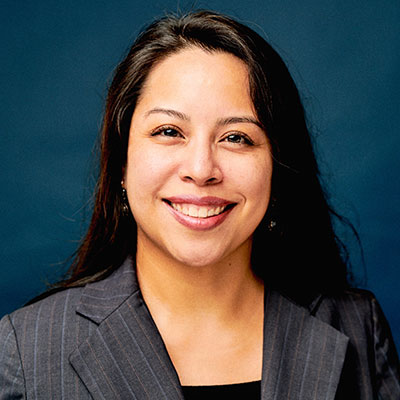 For researchers in UAB’s Department of Neurobiology, a grant submission often starts with a call or email to Rachel Edwards. Colleagues say her attention to detail, collaborative nature and deep knowledge of the grant process help make complex projects manageable, even under tight deadlines.
“She distinguishes herself through her exceptional expertise, responsiveness and commitment to service,” said Linda Overstreet‑Wadiche, Ph.D., professor and vice chair for Faculty Affairs and Development in the Department of Neurobiology. “She doesn’t just facilitate grant submissions, she reduces administrative burden, anticipates potential problems, and helps investigators navigate a challenging process with confidence and professionalism.”
Much of Edwards’ impact can be seen in the way she helps investigators navigate increasingly complicated funding requirements. Recalling a recent grant submission that might never have been completed without her assistance, Assistant Professor Scott Cruikshank, Ph.D., says he was grateful for Edwards’ commitment to going above and beyond. “Among other things, she proactively contacted [National Institutes of Health] officials to obtain a key piece of information that made the submission allowable,” Cruikshank said. “Describing her as outstanding doesn’t do her justice.”
Assistant Professor Kirstie Cummings, Ph.D., described her as “the best grant personnel I have ever worked with” and added that “she never misses a beat, even when we mess things up on our end.”
Edwards’ efforts extend far beyond ensuring an application is submitted on time. Professor Farah Lubin, Ph.D., credited Edwards’ “ability to present complex budget elements in a clear and compelling manner” with the success of a recent proposal. “She took a leading role in revising the Budget Justification section, substantially rewriting it to improve clarity, coherence and overall effectiveness,” Lubin said.
Professor Jeremy Day, Ph.D., highlighted another example in which Edwards “carefully added PMID numbers to hundreds of citations in a reference section” while also correcting typos and other issues throughout the application.
Edwards is “an exceptional resource” for researchers who are new to UAB’s funding processes and establishing their labs, said Assistant Professor Beth Doncheck, Ph.D.: “Working with Rachel made what is often a complex process feel remarkably straightforward.”
Charles Morris
 For students in the McNair Scholars Program, Charles Morris is more than an advisor, colleagues say. He is a mentor, advocate and community builder who helps students recognize possibilities they may not have considered on their own. Morris, the director of Academic Services for the Department of Human Studies, has created an environment where students are inspired to pursue ambitious goals while receiving the support they need to succeed.
“One of Charles’ greatest strengths is his ability to see potential in students before they can see it in themselves,” said Mary Ann Bodine Al‑Sharif, Ph.D., associate professor and interim assistant dean of Research and Graduate Programs in the Department of Human Studies. “His influence extends beyond the students he mentors now,” she added. “The confidence, leadership and commitment to service he instills in them will continue to shape future scholars, educators, researchers and professionals for years to come.”
Before joining the McNair Scholars Program and meeting Morris, student Mercedes Ivey says, she would have never considered pursuing a Ph.D. or a career in research. “Mr. Morris changed that,” Ivey said. “He has always imagined a future for me that was bigger than the one I ever imagined for myself.”
McNair Scholar Geneice Thompson says Morris sees students as more than just scholars. During a difficult period in her own life, Thompson recalls, Morris recognized she needed help and connected her with university resources. “He leads with compassion, acts with integrity and truly respects every student by making their well-being a priority, not just their performance,” Thompson said.
Students like Brianna Dotson also point to the community Morris has built within the program, describing it as “collaborative, productive and inspirational.” According to Dotson, Morris encourages students not only to pursue their own goals but to support one another along the way. “When one McNair Scholar was successful, we all celebrated the achievement and used it to inspire and build each other up,” she said.
Creating a sense of belonging is a hallmark of Morris’ leadership. Many students cite the welcoming environment he has intentionally built in the McNair Scholars Program. “Because of him, McNair has become more than just a program to me,” Ivey said. “It has become my home and will always hold a special place in my heart.”
Wendy Peek
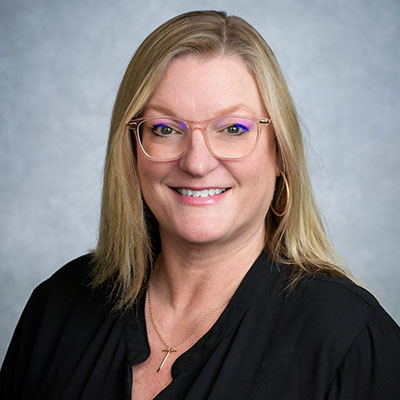 Social workers across UAB often turn to Wendy Peek for guidance, resources and professional support. While Peek serves as social work manager for the Center for Psychiatric Medicine, colleagues say her influence extends across the UAB enterprise and helps strengthen the profession throughout Alabama.
Peek played a key role in founding the UAB Social Work Partnership, an initiative that brings together social workers from across the university and health system. Peek “helped create a space where social workers across disciplines, departments and practice settings can connect, learn from one another, support student and workforce development, and elevate the profession within UAB,” said Professor Laurel Hitchcock, Ph.D., of the Department of Social Work.
Kathy Gaddis, now retired from the UAB 1917 Clinic, recalls seeing that collaborative spirit at work, pointing to Peek’s creation of a social work listserv that allows colleagues across UAB to share resources and collaborate on challenging cases. “She has an exceptional ability to recognize opportunities to connect people, share knowledge, and create systems that improve communication, professional development and, ultimately, patient care,” Gaddis said.
Peek serves on the Alabama State Board of Social Work Examiners, where she helps oversee professional licensure and promotes ethical practice within the profession. UAB Benevolent Fund Manager Lisa Higginbotham says this allows Peek to regularly share information about ethics, licensure requirements and emerging issues affecting social workers. “Her goal is to strengthen the profession and help social workers provide the highest-quality care with integrity,” Higginbotham said.
Colleagues repeatedly noted Peek’s commitment to the growth of those around her. “Since becoming my supervisor, she has created an environment that encourages learning, professional growth and teamwork,” said Elizabeth Kilgore, a social worker in the Center for Psychiatric Medicine. “She has consistently challenged me to grow professionally while simultaneously providing the support I needed to succeed.”
Peek’s commitment to collaboration ultimately benefits patients as well. Complex Case Coordinator Kristi White recalled a situation involving a patient who needed a legal guardian to secure a safe placement after discharge. Drawing on relationships she had built throughout her career, Peek connected an Alabama Department of Human Resources staff member with an attorney who could help. “Thanks to her,” White said, “these two non-UAB agencies worked together to complete the steps necessary, and the patient was able to make a safe transition back into the community.”