Department of psychology
In the 14-person study, all participants randomized to receive Constraint-Induced Cognitive Therapy who wanted to return to work were able to do so; none of the participants in the control group returned to work.
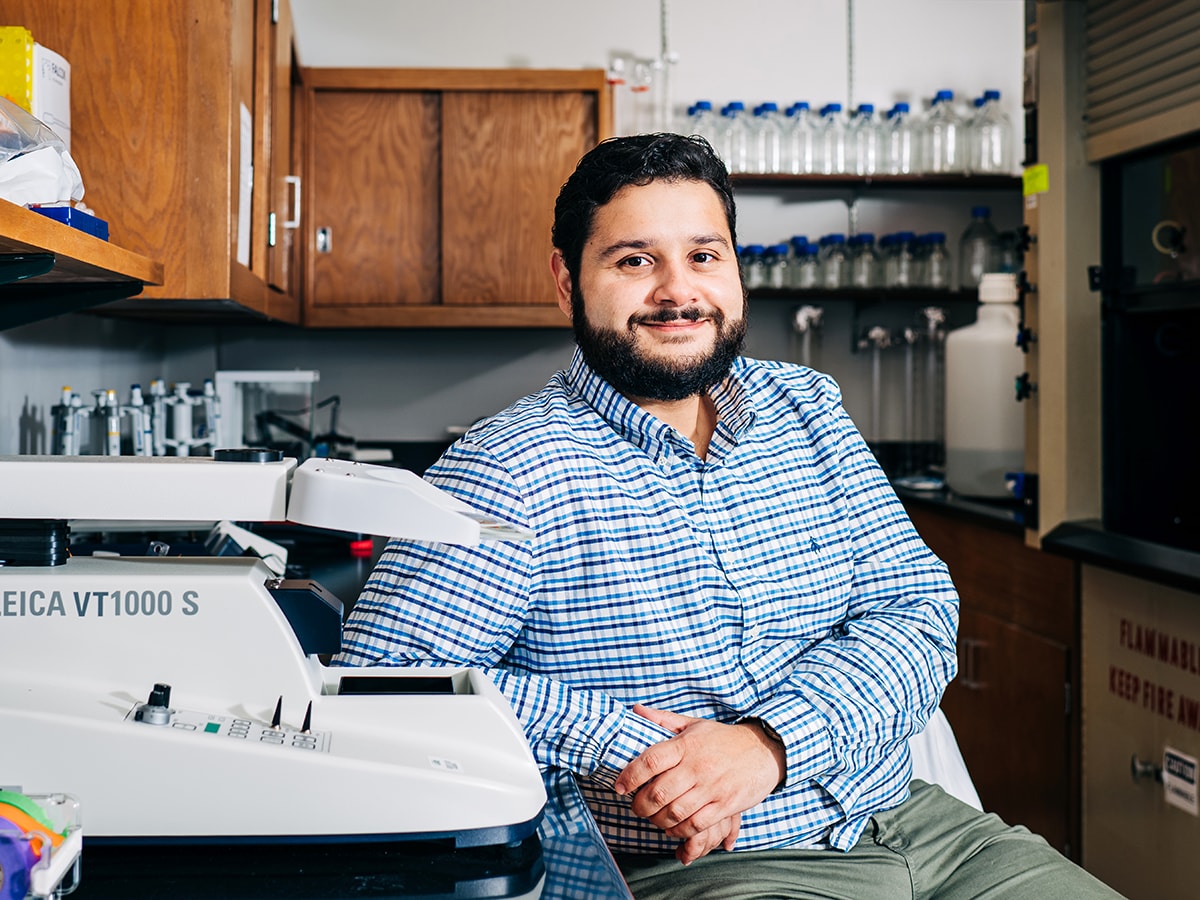
UAB neuroscientist Kauê Machado Costa, Ph.D., assistant professor in the Department of Psychology, received a Parkinson's Foundation grant to test an intriguing hypothesis: The cognitive deficits now known to occur in the early years of Parkinson's disease may be a clue that learning-oriented dopamine circuits shift gears to cover for their movement-focused cousins. If Costa’s hypothesis is correct, it could point the way to tests that speed up Parkinson's diagnoses.

Free will still exists, and no brains are “typical”: Philosopher Josh May, Ph.D., shares some of the lessons he picked up by going back to school and joining a research lab to write “Neuroethics: Agency in the Age of Brain Science,” which was selected as one of the top academic titles of 2024.
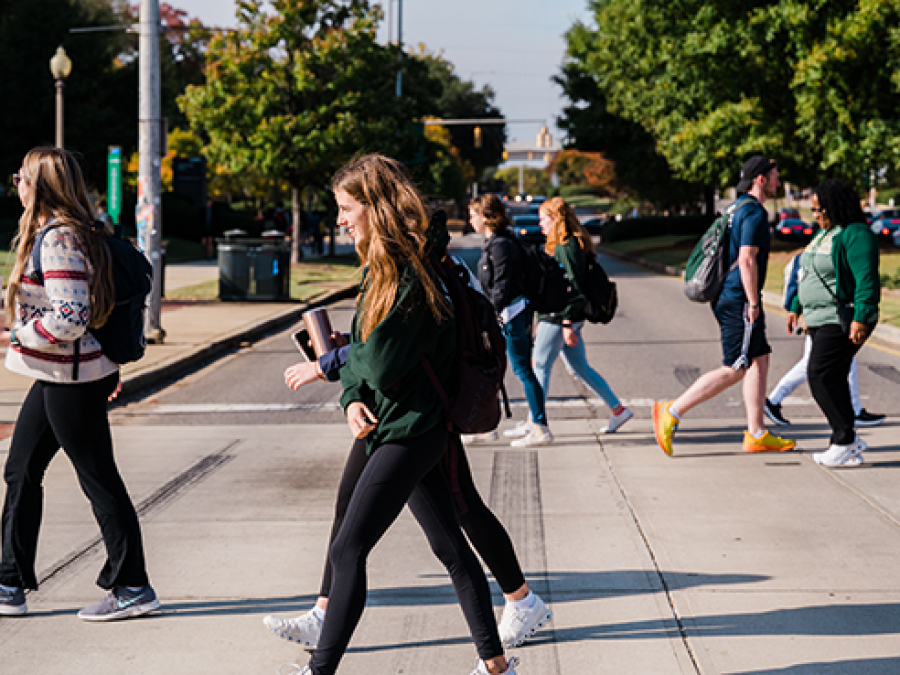
From choosing crosswalks over jaywalks to choosing smart clothing options for nighttime walking, it's simple to safely commute by foot on campus.

This year, the university recognizes 50 years of service by Jeanne Hutchison, Ph.D., and Ferdinand Urthaler, M.D., and 45 years of service by Robert Kim M.D., and Joseph Lovetto. In addition, 294 employees with 20 or more years and 904 with five, 10 and 15 years will honored for their longevity.
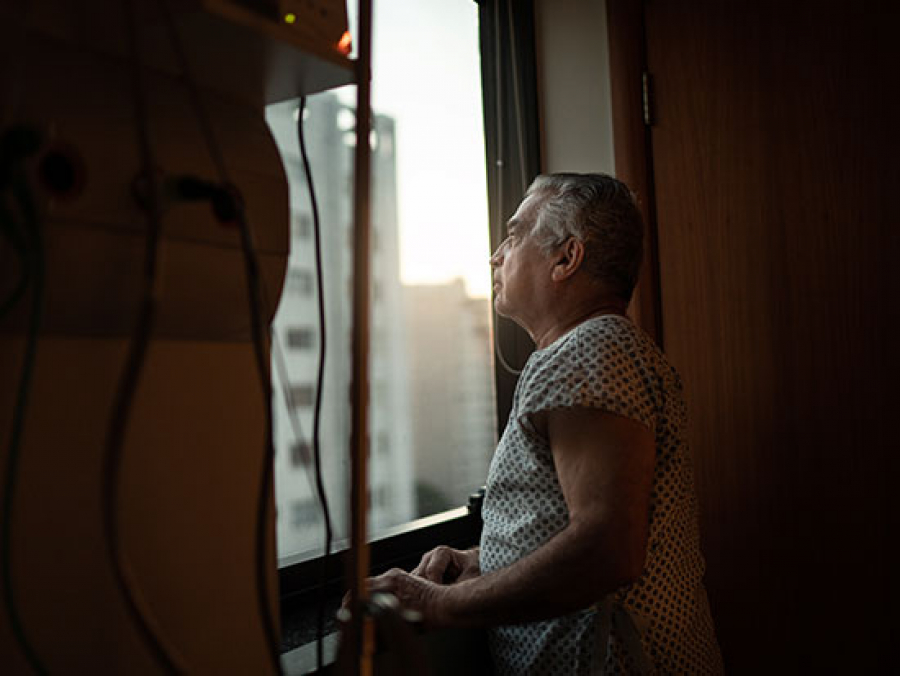
Constraint-Induced Therapy, developed at UAB and used worldwide to help patients regain function after stroke, will be tested as therapy for patients with cognitive difficulties following COVID-19 infection.