Research

Take a closer look at the new fund, which was launched this summer by the Office of the President to help expand UAB’s portfolio of funded principal investigators as part of the Research Strategic Initiative: Growth with Purpose.

Emma Sartin, Ph.D., MPH, assistant professor in the Department of Health Policy and Organization at the School of Public Health, is leading a Department of Defense-funded project that is developing a virtual assessment to help autistic individuals and their parents decide whether they are ready to drive.
The Stimulating Access to Research in Residency program, funded by the National Institute of Allergy and Infectious Diseases, is designed to help address the shortage of physician-scientists nationwide.

Funds for recruitment and retention, enhanced research capabilities, new leadership roles and new infrastructure for interdisciplinary collaboration are all fueling the initiative's bold vision of growing the UAB research enterprise to increase our positive impact on people’s lives.
Finding a new electronic research administration solution to replace IRAP, the current tool, was one of the five key priorities for immediate action as part of UAB's Research Strategic Initiative: Growth with Purpose. After approval by the University of Alabama System Board of Trustees early this month, UAB has selected an integrated, cloud-based platform that will be named myUABResearch.
U-BDS specializes in analyzing genomic and transcriptomic data, creating data pipelines, and keeping up with the latest methods and algorithms required for cutting-edge research.
The final report from UAB’s engagement with Huron Consulting and Urban Impact Advisors recommended forming six working groups to enable the goals of the Research Strategic Initiative: Growth with Purpose. In collaboration with the UAB deans and the chair of the Faculty Senate, the Executive Steering Committee has identified two co-chairs to lead each working group.

“De-stressing” agents are in everything from cold-brew coffee to supplements. A UAB-trained dietitian explains what adaptogens are and we highlight a preclinical UAB study in breast cancer models.
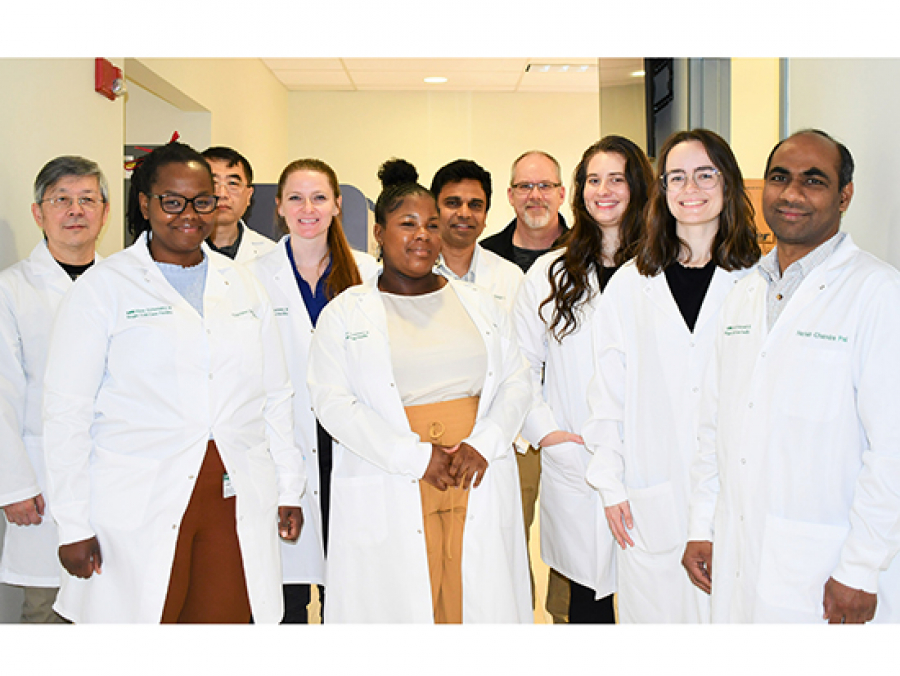
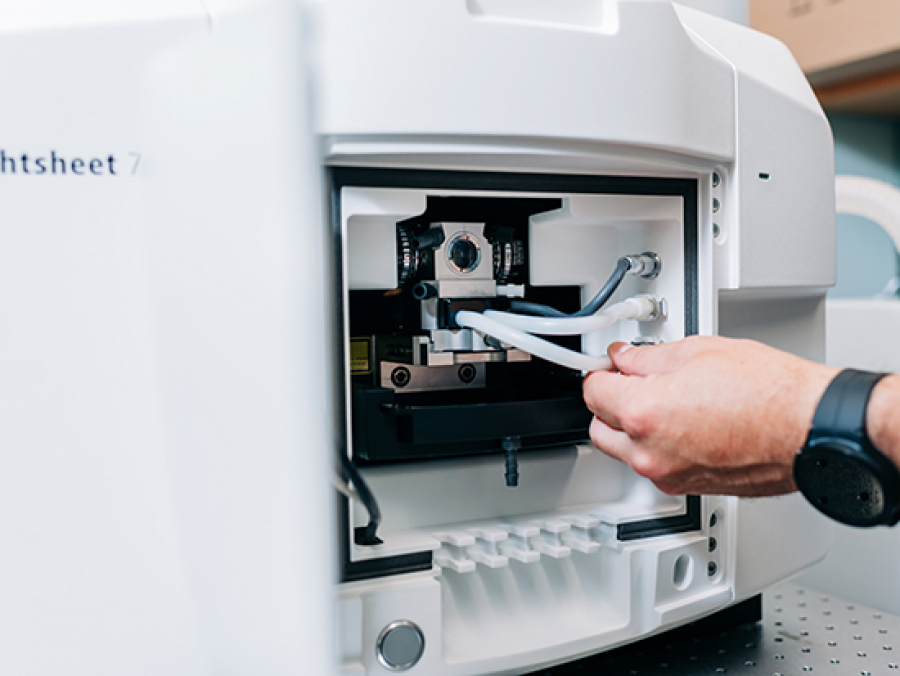
The facility, one of 15 shared resource labs at UAB and among the busiest, is one of a handful of leading labs to be recognized by the International Society for Advancement of Cytometry, or ISAC.

Many people, including clinicians and researchers, think “the main reason people regain weight after weight loss is because the body fights back” in a phenomenon called metabolic adaptation, said UAB researcher Cátia Martins, Ph.D. Martins, a leading scientist studying metabolic adaptation, explains what she has found and her plans for a groundbreaking clinical trial.
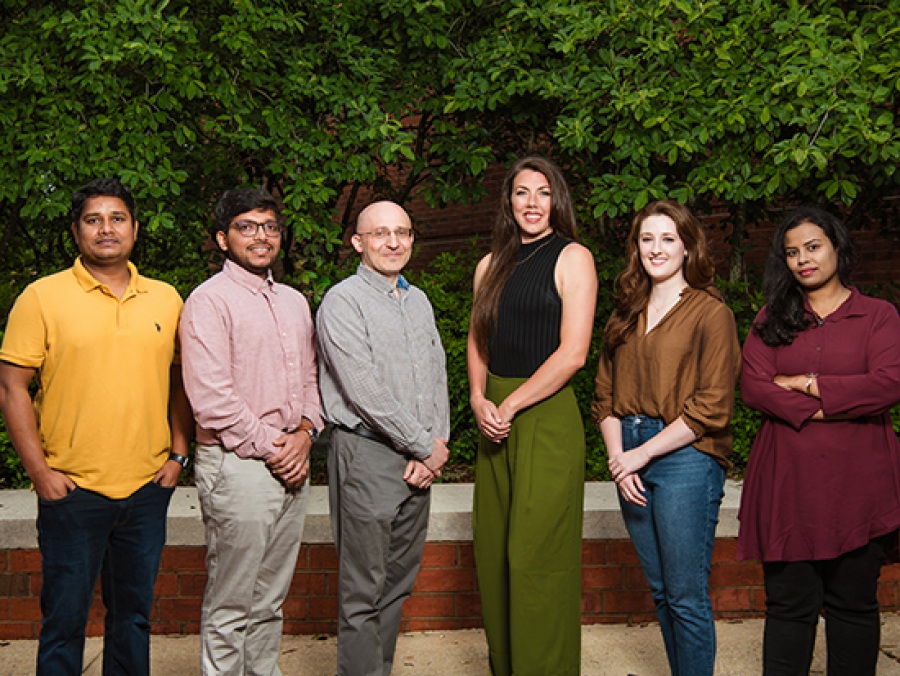
Rachel June Smith, Ph.D., a key recruit in UAB’s Neuroengineering and Brain-Computer Interface Initiative, can predict the frequency of stimulation that will push a brain into the chaos of a seizure — potentially saving patients with intractable seizures time, frustration and money.

Missed the meeting? Find out about high-growth research areas, governance plans and more in this recap.

President Watts will share an important update on planning during a town hall on March 20. Several areas for improvement identified by stakeholders during the data collection phase last summer were immediately actionable and have already led to significant gains.
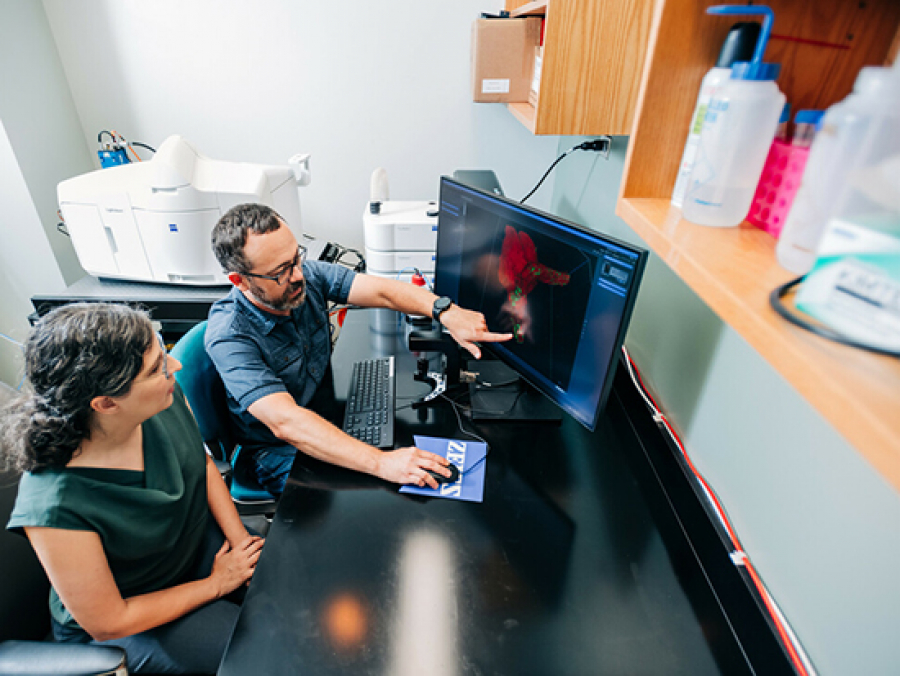
Over its 28 years, this signature program has awarded grants totaling almost $60 million. Meet recipients and see how the HSF-GEF grants make UAB “a place where, if you have a good idea, you can find the support to make it a reality.”
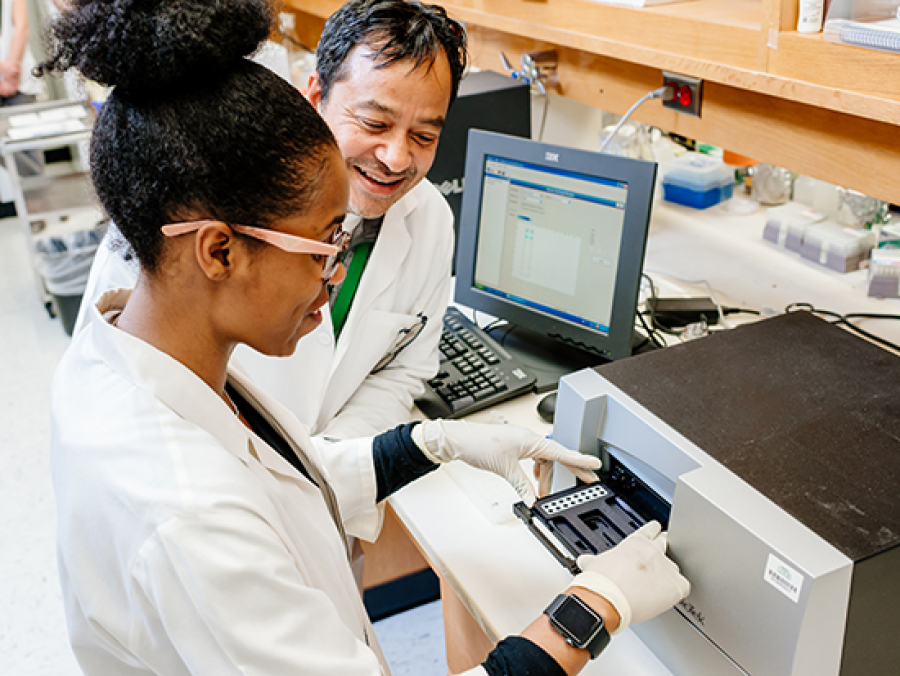
Research by UAB genetic epidemiologist Sadeep Shrestha, Ph.D., sheds light on a mysterious condition that is now the leading cause of acquired heart disease among children in the United States.

Alabama is a hotbed for fungal diseases — which is why experts in treating and tracking problematic fungi gravitate to UAB. This is great news for Alabamians as killer fungi become a worldwide threat.

UAB engages Huron Consulting Group and Urban Impact Advisors to assist in developing a research growth strategic plan.

How the ambitious NIH initiative is turning precision medicine dreams into reality for hundreds of thousands of Americans left behind by previous studies — and where it is going next.
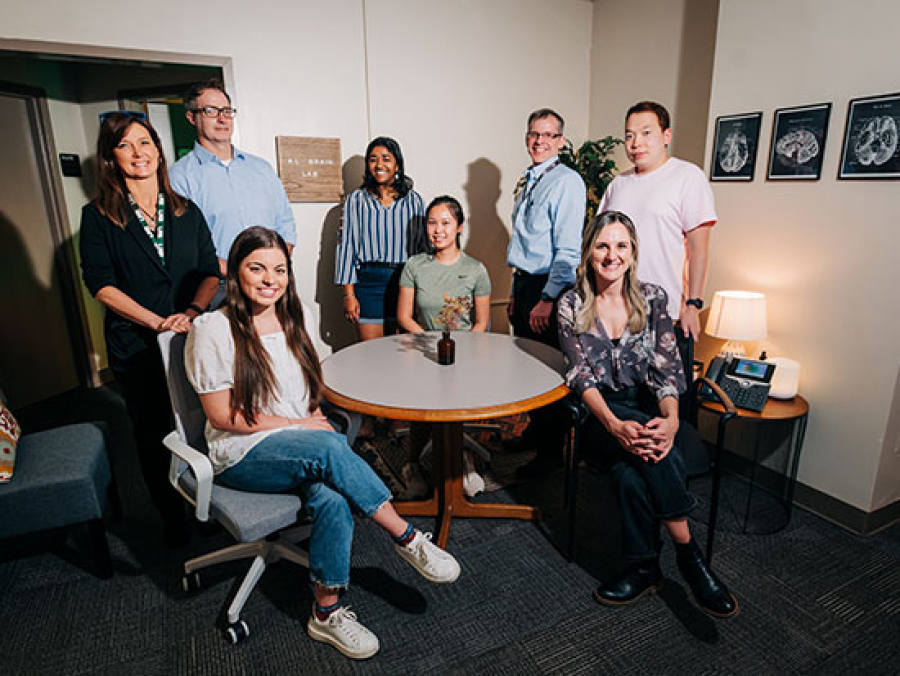
Take a trip into the Alabama BRAIN Lab in UAB’s Spain Rehabilitation Center, where a team led by neuroengineer Jamie Tyler, Ph.D., is working with patient groups to test promising neuromodulation treatments for chronic pain, insomnia and more.

A chemical mystery drew Matthew Kiszla into tattoo research: Why are red inks most likely to cause rashes and other reactions? Now he is working to analyze commercial inks and looking for collaborators both scientific and artistic.