Research
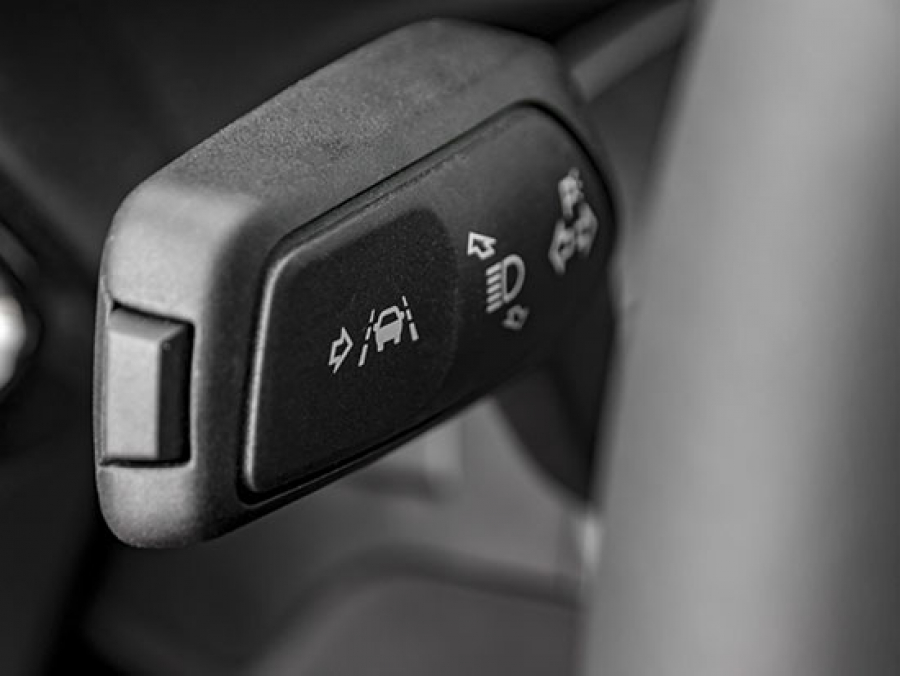
Driver assistance tech that comes standard on new vehicles can be tricked into causing accidents — but there is a way to alert humans in time. A UAB grad student and his mentor will share their findings this month at a global conference.
Research led by UAB’s Institute for Cancer Outcomes and Survivorship finds that patients who received BMT using their own cells over the past three decades lived on average seven years fewer than peers, but newer strategies have narrowed the mortality gap.
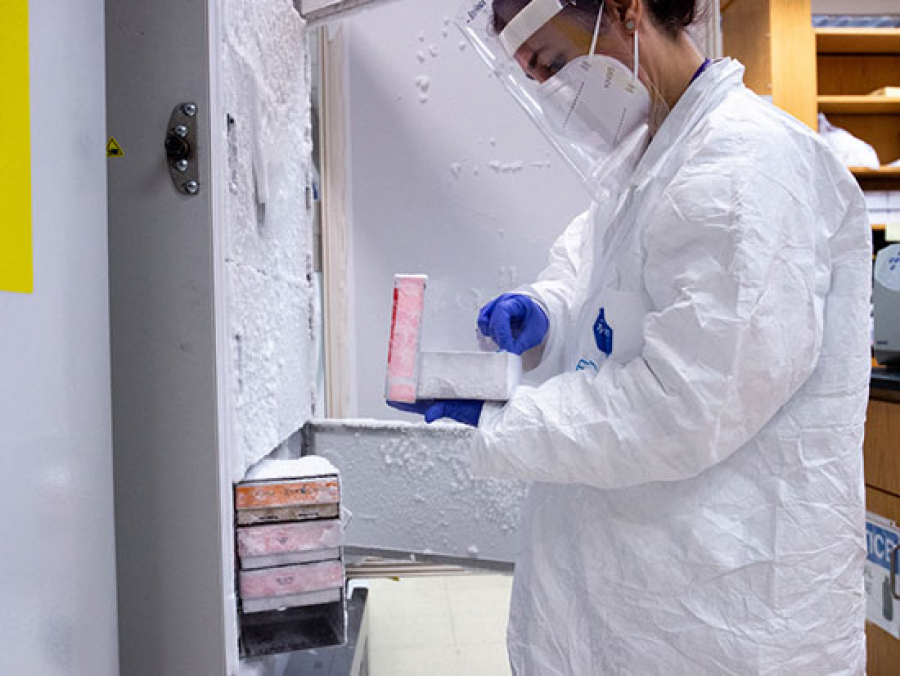
Researchers explore how to help budding scientists fall in love with a field that is incredibly important but can be “very overwhelming” to start.

UAB computer scientists are contributing to a DARPA-funded initiative with artificial intelligence-based programming languages that allow humans to understand the “safety and correctness of code in the wild.”
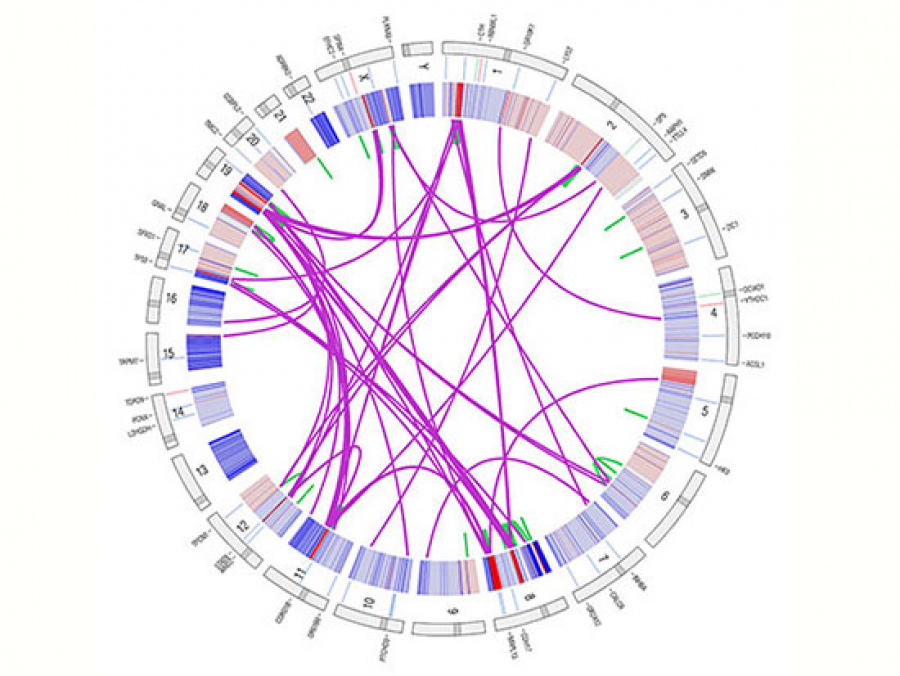
Twelve teams competed for cash and prizes across two action-packed days in the AI Against Cancer hackathon. This is the third iteration of the UAB-sponsored event, which applies big data and artificial intelligence techniques to fight disease.

Research on financial stress following the Great Recession finds that people who were in debt at midlife had a 90 percent increase in being diagnosed with a psychiatric disorder.
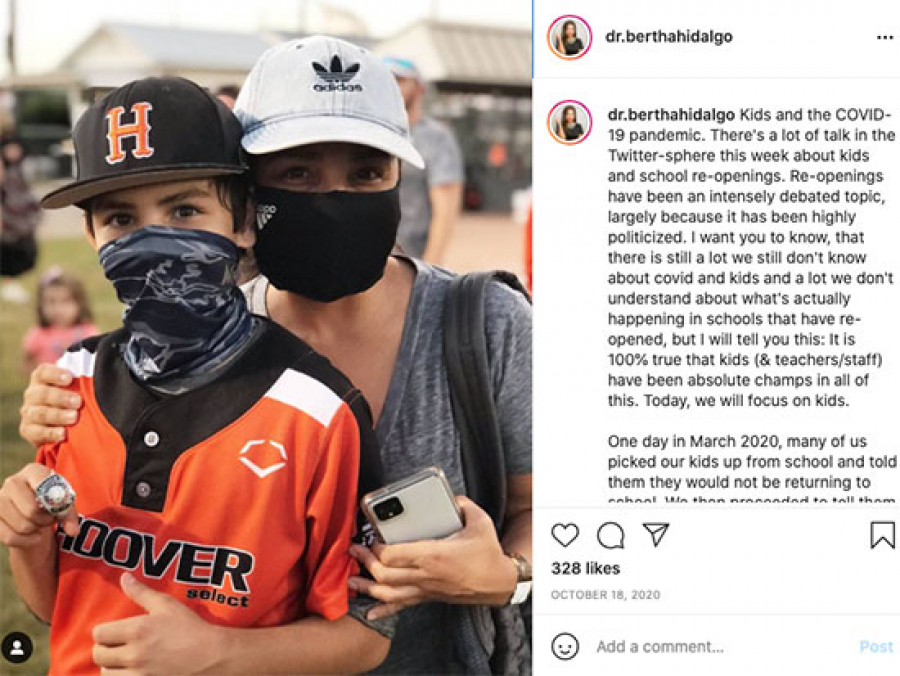
Bertha Hidalgo, Ph.D., associate professor in the Department of Epidemiology, explains how she is using WhatsApp and Facebook in two current studies and shares advice on using social media for research.

Clinical trial results published this year are better than any other medication and have study scientists excited, including UAB’s Timothy Garvey, M.D. Get the latest on what Garvey calls “a very powerful tool to treat obesity.”
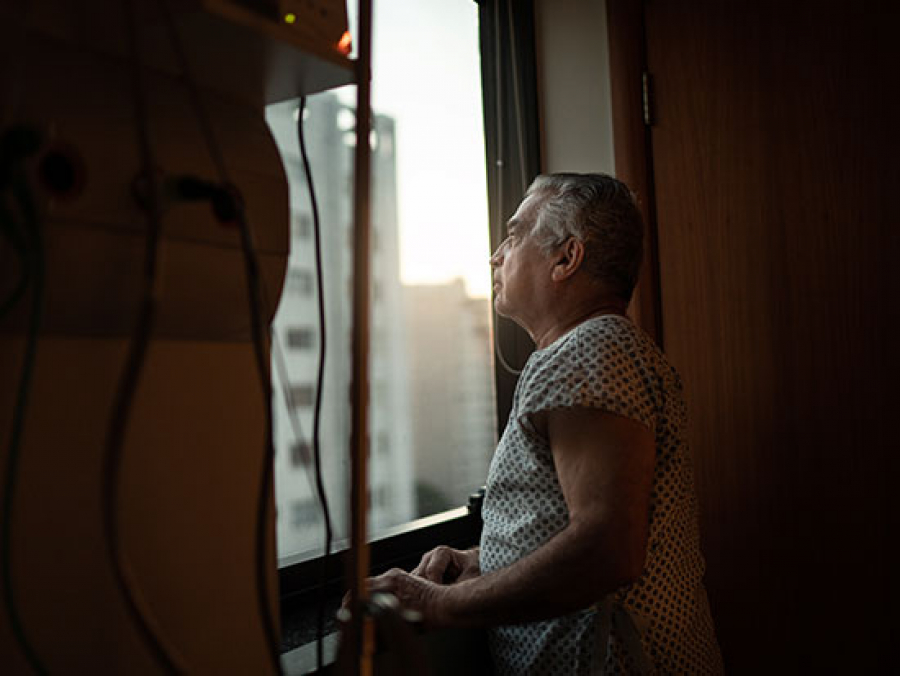
Constraint-Induced Therapy, developed at UAB and used worldwide to help patients regain function after stroke, will be tested as therapy for patients with cognitive difficulties following COVID-19 infection.
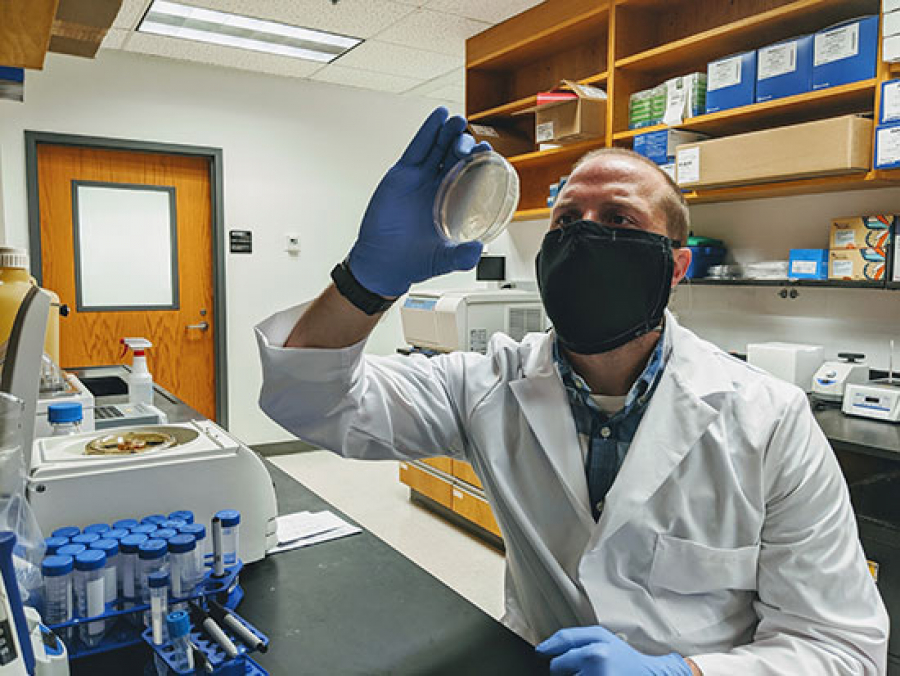
New microbiology faculty member Nicholas Lennemann is transforming the fluorescent virus assay he developed into a new tool against coronavirus in work supported through UAB’s urgent COVID-19 research fund.
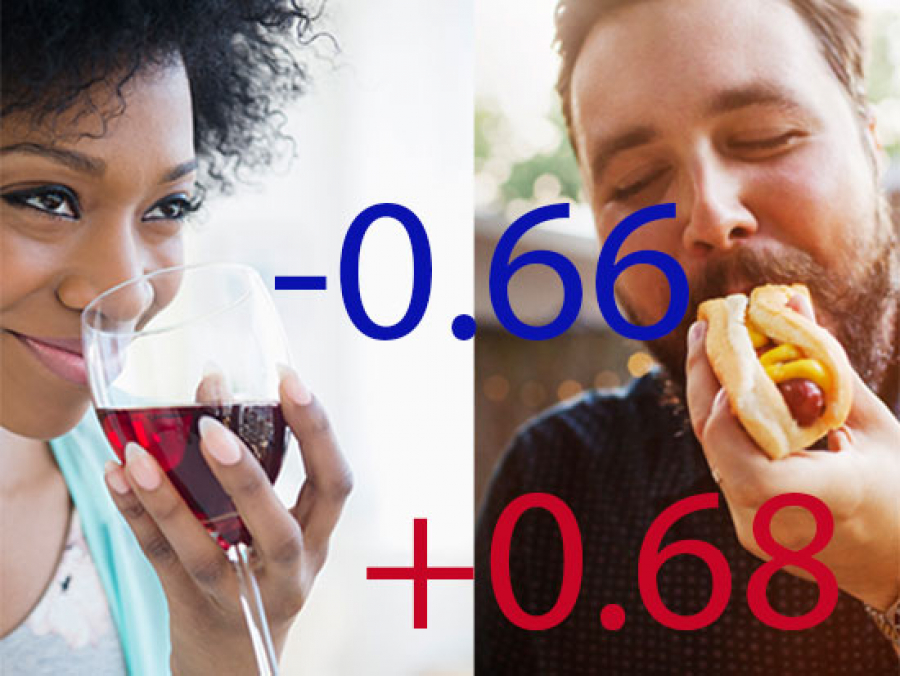
Diet and lifestyle choices fuel inflammation, which in turn contribute to heart disease, cancer and more, according to Suzanne Judd, Ph.D., and colleagues, who created a new way to quantify the effects of 19 foods and four lifestyle elements. See how your routine adds up.
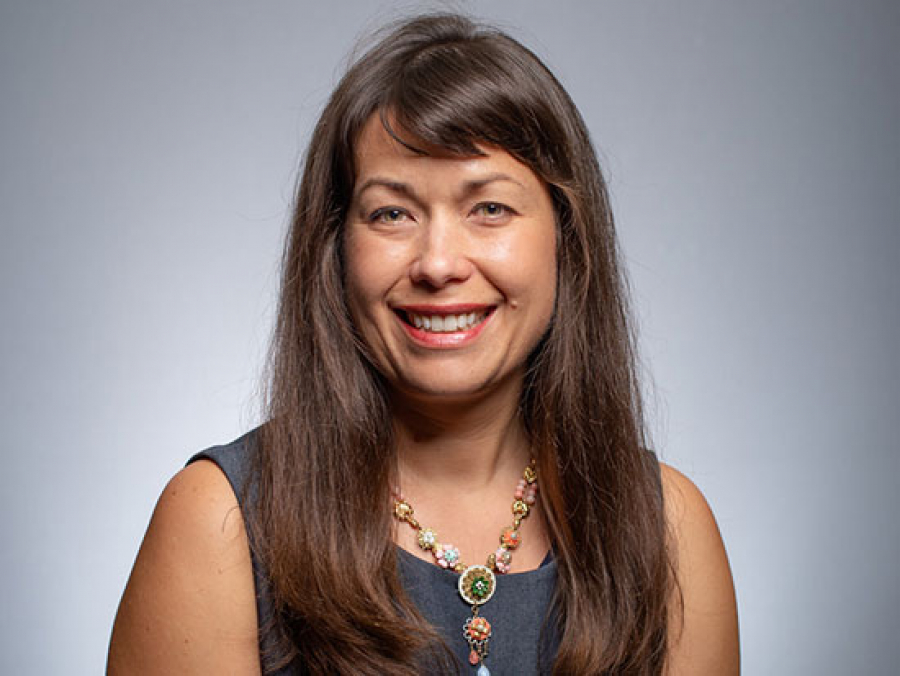
In her lab, “gray-hair lady” Melissa Harris, Ph.D., assistant professor of biology, is working on bringing pigment cells back from the dead.

UAB researcher David Vance, Ph.D., has helped prove that boosting cognitive reserve can protect your brain as it ages. Here’s how you can leverage your UAB benefits to make it happen.